
Nutrition comparison
Kelp vs Chlorella: Which Superfood Is Safer and Healthier?
Compare Kelp vs Chlorella to find out which algae is better for thyroid, protein intake, and daily safety. Learn the risks of iodine and heavy metals.
Overall winner · Chlorella
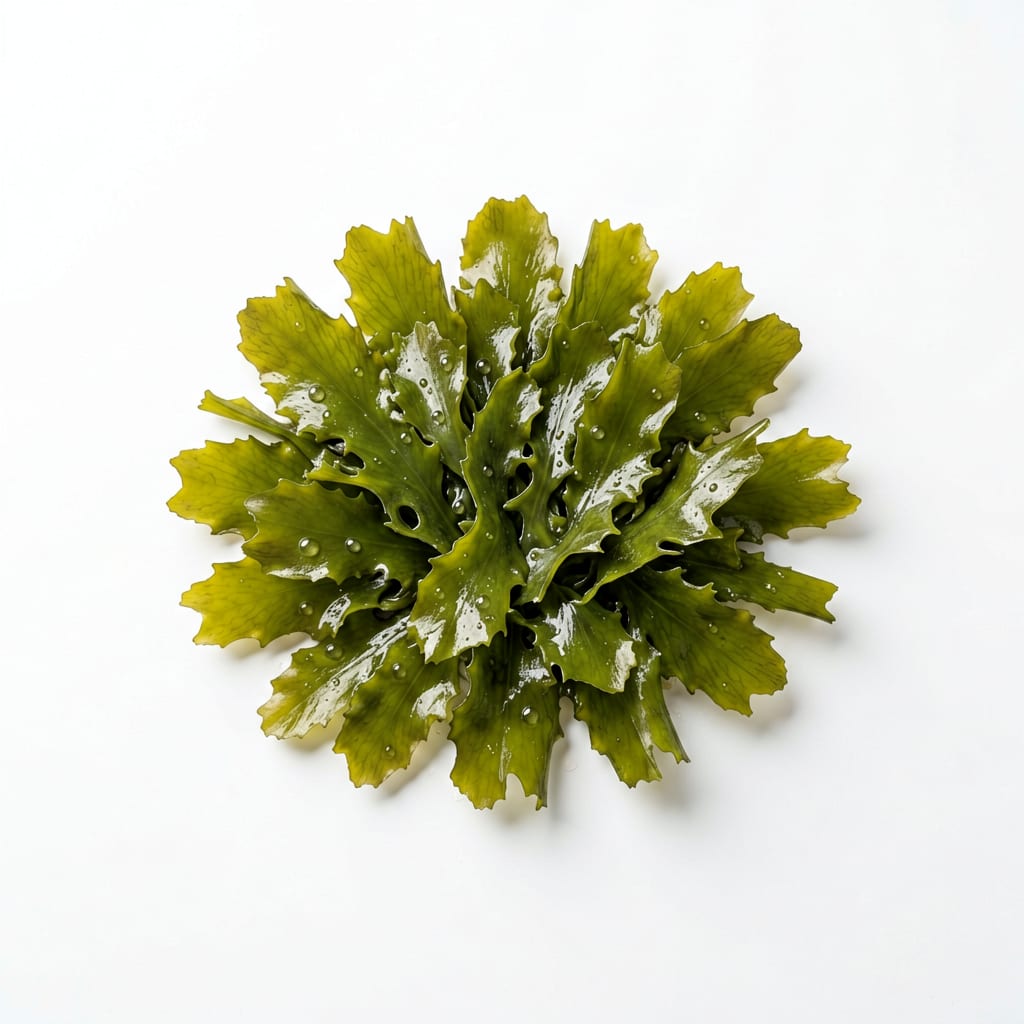
Kelp
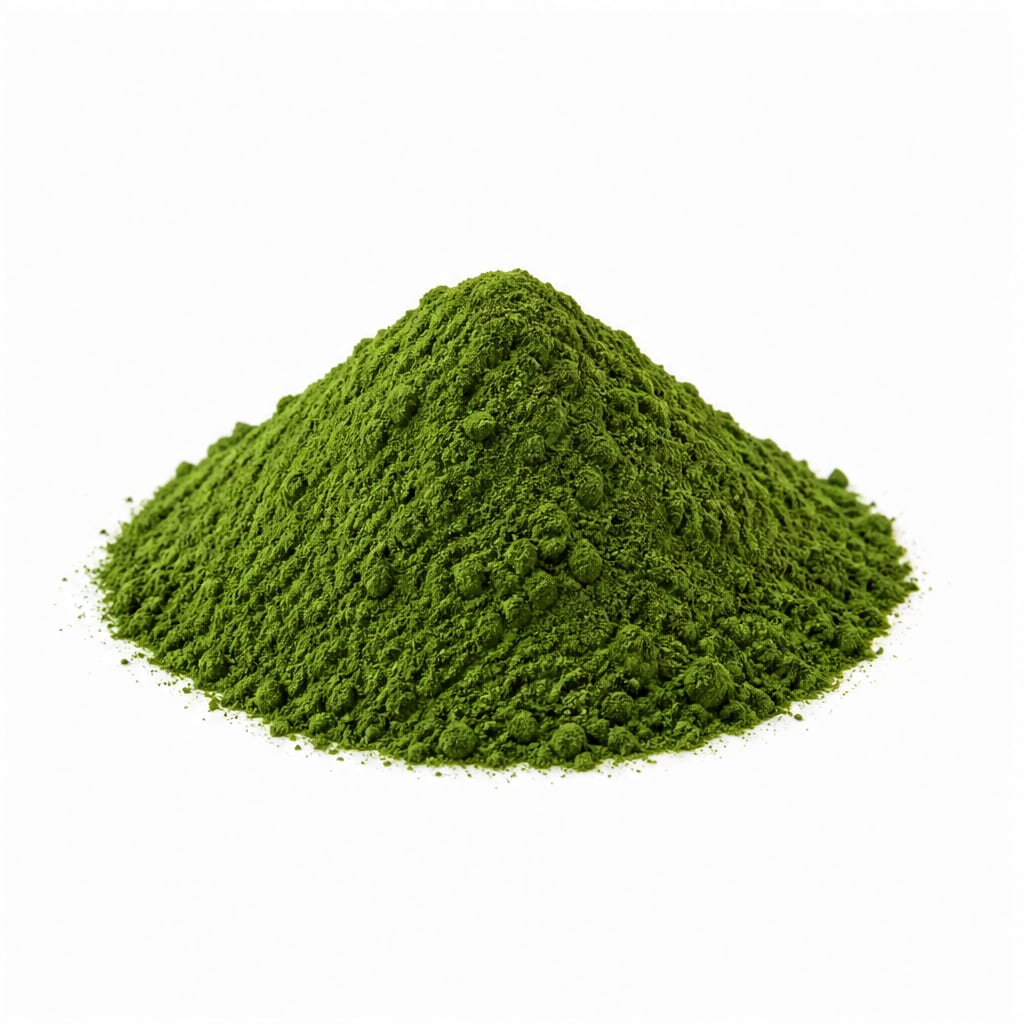
Chlorella
Chlorella wins for daily safety and broad nutritional value, while Kelp is a potent but risky thyroid booster.
Chlorella scores higher due to its superior protein content, iron density, and safer daily consumption profile. Kelp loses points because its high iodine content and ocean contamination risk make daily use a gamble for many people.
You trade Kelp's intense iodine hit for Chlorella's safer, protein-rich profile.
At a glance
Executive summary
Overall
Chlorella
Healthier
Chlorella
More practical
Chlorella
Daily use
Chlorella
Key comparison lenses
Thyroid support vs. general immunity and anemia
Kelp is an iodine powerhouse for the thyroid, while Chlorella provides iron and B-vitamins crucial for blood health and energy.
Heavy metal exposure risk vs. detoxification claims
Kelp can absorb ocean toxins like arsenic, whereas Chlorella is often marketed for binding and removing heavy metals, creating a critical safety contrast.
Protein supplementation vs. mineral supplementation
Chlorella is a complete protein source, making it a functional food for muscle and satiety, while Kelp is primarily a low-calorie mineral source.
Best choice for
Kelp
- People with diagnosed hypothyroidism needing dietary iodine
- Those seeking a low-calorie salty snack alternative
- Home cooks making traditional Asian broths
Chlorella
- Vegans needing plant-based protein and iron
- People looking for daily immune and energy support
- Those interested in gentle detoxification support
Least suitable for
Kelp
- People with hyperthyroidism or autoimmune thyroid conditions
- Pregnant women due to heavy metal contamination risk
- Those prone to iodine-induced acne
Chlorella
- People with severe mold allergies
- Those on blood thinners due to high Vitamin K content
- Individuals sensitive to high-fiber supplements
Deep comparison
Dimension by dimension
Each lens scores both foods and breaks down who each option suits.
- Dimension 1 · Priority 95Kelp
Thyroid & Iodine Support
Kelp · 98Chlorella · 30Kelp is one of the most concentrated iodine sources on the planet, essential for thyroid hormones.
Tradeoff
Too much Kelp can easily push iodine to dangerous levels, disrupting thyroid function rather than helping it.
Why it matters
Thyroid hormones control metabolism, energy, and weight. An underactive thyroid slows everything down.
Real-world impact
Adding Kelp to a diet can resolve sluggishness if you are iodine-deficient, but cause palpitations or anxiety if you overdo it.
Kelp
- Hypothyroid individuals needing an iodine boost
- Those transitioning to a low-sodium diet who need salty flavor
Better for
- Anyone with Hashimoto's or Graves' disease
- People who already eat iodized salt or seafood regularly
Worse for
Chlorella
- People with normal thyroid function who want to avoid disruption
Better for
- Those specifically diagnosed with iodine deficiency
Worse for
- Dimension 2 · Priority 85Chlorella
Protein & Satiety
Kelp · 15Chlorella · 90Chlorella is a complete protein containing all essential amino acids, while Kelp is mostly water and fiber with minimal protein.
Tradeoff
You must consume Chlorella as a supplement or powder to get meaningful protein, whereas Kelp is eaten as a whole food vegetable.
Why it matters
Protein is crucial for staying full between meals and maintaining muscle mass, especially on plant-based diets.
Real-world impact
A Chlorella shake will keep you satisfied far longer than a Kelp salad, which may leave you hungry again within an hour.
Kelp
- Light snacking where low calorie intake is the priority
Better for
- Using as a primary protein source
Worse for
Chlorella
- Vegans and vegetarians needing protein diversity
- Post-workout recovery nutrition
Better for
- Those who prefer chewing whole food over taking pills or powders
Worse for
- Dimension 3 · Priority 92Chlorella
Safety & Contamination Risk
Kelp · 40Chlorella · 85Kelp absorbs heavy metals from ocean water, while Chlorella is typically cultivated in controlled freshwater tanks.
Tradeoff
Chlorella's safety relies on brand quality and manufacturing practices, adding cost, while Kelp is natural but often polluted.
Why it matters
Consuming arsenic or lead with your greens defeats the purpose of eating healthy and can cause long-term organ damage.
Real-world impact
Eating Kelp daily from unverified sources could expose you to heavy metals, whereas high-quality Chlorella is generally free of these contaminants.
Kelp
- Budget-conscious consumers who cannot afford premium tested seaweed
Better for
- Pregnant women and children
- People with compromised liver or kidney function
Worse for
Chlorella
- Long-term daily supplement users
- Those concerned about ocean pollution
Better for
- Those buying untested, cheap bulk powders
Worse for
- Dimension 4 · Priority 80Chlorella
Iron & Blood Health
Kelp · 25Chlorella · 88Chlorella is remarkably rich in iron and bioavailable B12, making it a blood-building powerhouse.
Tradeoff
Chlorella's iron is non-heme, so absorption is lower than meat, but still far superior to the trace amounts in Kelp.
Why it matters
Iron deficiency causes fatigue, brain fog, and cold intolerance, especially common in menstruating women.
Real-world impact
Taking Chlorella daily can help fight anemia and boost energy, while Kelp offers almost no help for iron levels.
Kelp
- Individuals with iron overload disorders
Better for
- Anyone trying to correct iron-deficiency anemia
Worse for
Chlorella
- Women with heavy menstrual cycles
- Vegans at risk for B12 and iron deficiency
Better for
- People with hemochromatosis
Worse for
Timeline
Health impact over time
Short-term
Hours to days
Kelp
- Can quickly boost energy if fatigue is caused by low iodine
- May cause stomach upset if consumed in large quantities due to high fiber
- Risk of iodine-induced acne breakouts
Chlorella
- Can cause mild nausea or stomach cramps when first introduced
- May increase energy levels within days due to iron and B-vitamins
- Can cause green stool, which is harmless but surprising
Long-term
Months to years
Kelp
- Risk of thyroid dysfunction from chronic iodine excess
- Potential heavy metal accumulation if sourcing is poor
- Supports bone health through vitamin K and calcium
Chlorella
- Improved iron status and prevention of anemia
- Consistent protein intake supports healthy aging and muscle retention
- May support healthy cholesterol levels
Risk profile
Safety & processing
Kelp is usually sold as a dried whole food, retaining its natural state. Chlorella requires processing to crack its indigestible cell wall so humans can absorb the nutrients, making it a processed supplement rather than a whole food.
Kelp
Heavy Metal Contamination
highKelp absorbs arsenic, lead, and cadmium from ocean water. Consuming untested Kelp regularly can lead to toxic accumulation.
Iodine Toxicity
highOverconsumption can cause hyperthyroidism or trigger autoimmune thyroid conditions, leading to heart palpitations and anxiety.
Chlorella
Digestive Distress
mediumIntroducing too much Chlorella too fast can cause bloating, gas, and nausea as the gut adjusts to the high fiber and protein concentration.
Mold Contamination
lowIf not properly cultivated and dried, algae products can develop mold, posing a risk to immunocompromised individuals.
Who wins for whom
Audience fit
Same foods, different winners depending on your goal.
children
ChlorellaChlorella provides safe iron and protein for growth without the risk of iodine overdose or heavy metal exposure found in Kelp.
daily consumption
ChlorellaChlorella is safer for daily use due to stable iodine levels and controlled farming, while Kelp's iodine content varies wildly per batch.
diabetes
ChlorellaChlorella contains compounds that may help improve insulin sensitivity, while Kelp's impact on blood sugar is neutral.
elderly
ChlorellaChlorella supports anemia prevention and immune function in aging bodies, whereas Kelp's iodine can interact unpredictably with age-related thyroid issues.
muscle gain
ChlorellaChlorella provides a complete amino acid profile necessary for muscle repair, while Kelp offers negligible protein.
weight loss
ChlorellaChlorella's protein content helps control hunger and preserve muscle, whereas Kelp is low-calorie but not filling.
Your move
Decision guide
Choose Kelp
- You have a confirmed iodine deficiency and need a natural source
- You are making dashi or Asian soups and need authentic flavor
- You want a low-calorie, salty snack without the sodium
Choose Chlorella
- You want a daily green supplement for energy and iron
- You are vegan and need extra protein and B-vitamins
- You want the potential detox benefits of chlorophyll without ocean pollutants
Either works if
- You are looking to increase your intake of sea-based minerals
- You want to add more alkaline foods to your diet
Avoid both if
- You are on blood thinners like Warfarin without doctor approval due to Vitamin K content
- You have severe seafood or mold allergies
Final recommendation
Choose Chlorella for a safe, daily nutritional boost rich in protein and iron. Opt for Kelp only if you specifically need dietary iodine or are using it as a flavoring, but strictly monitor your portion sizes and source it from tested, clean waters.
Practical
Consumer tips
- 1
Always look for third-party tested Kelp to ensure it is free of heavy metals like arsenic.
- 2
If taking Chlorella, start with a small dose like 1 gram a day to avoid stomach upset before working your way up.
- 3
Never eat Kelp every day unless directed by a doctor; the iodine content is too variable and risky for daily thyroid health.
- 4
Choose 'cracked cell wall' Chlorella to ensure your body can actually absorb the nutrients inside.
- 5
If you have thyroid issues, consult your doctor before eating Kelp, as it can interfere with thyroid medications.