
Nutrition comparison
Kelp vs Spinach: Nutrition, Iodine, and Safety Compared
Kelp vs Spinach: Which is healthier? Compare iodine, iron, heavy metal risks, and daily practicality to find out which green belongs in your diet.
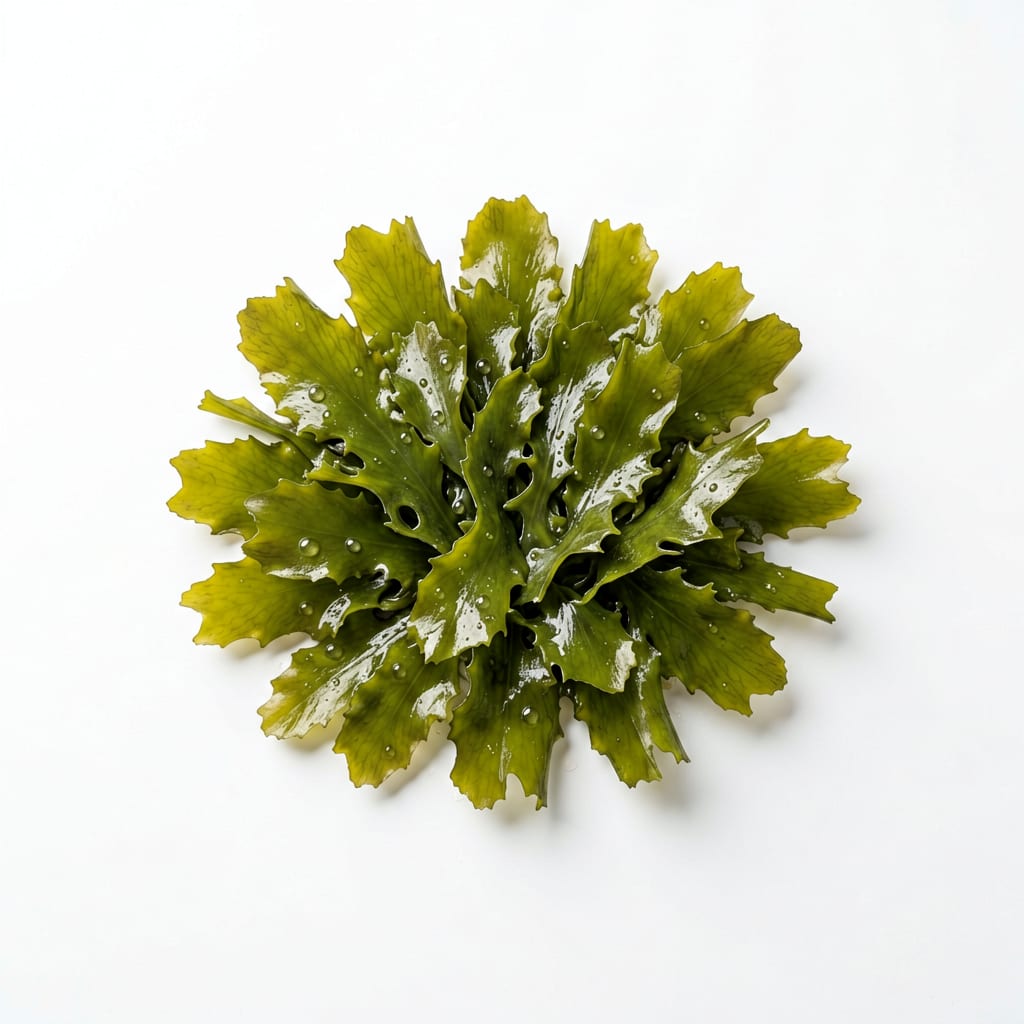
Kelp
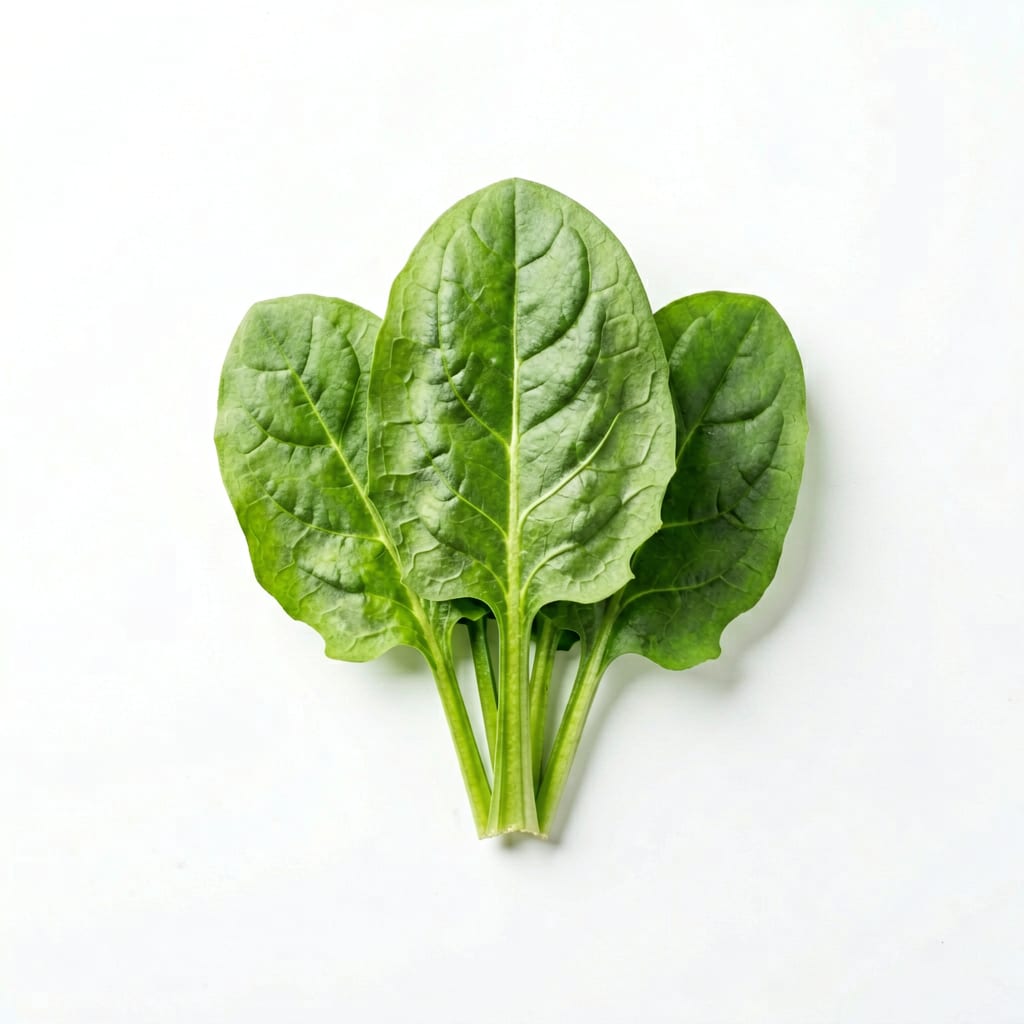
Spinach
Kelp is an iodine powerhouse but carries heavy metal risks if overconsumed, while Spinach is a safer, more versatile daily green rich in iron and antioxidants.
Spinach scores higher due to safer daily consumption and a broader nutrient profile, while Kelp's heavy metal risk and extreme iodine content limit its everyday utility.
Massive iodine boost versus safer, more balanced daily nutrition without the heavy metal anxiety.
At a glance
Executive summary
Overall
It depends
Healthier
Spinach
More practical
Spinach
Daily use
Spinach
Key comparison lenses
Iodine and thyroid impact
Kelp is uniquely dense in iodine, which drastically affects thyroid health, while Spinach provides almost none.
Heavy metal and contamination risk
Seaweed absorbs ocean toxins like arsenic, making safety a primary concern when comparing it to land-grown greens.
Daily consumption safety
Spinach can be eaten freely at every meal, whereas Kelp requires strict portion control to avoid toxicity.
Iron and blood health
Spinach is a staple for plant-based iron, while Kelp offers minimal support for blood building.
Best choice for
Kelp
- People with hypothyroidism needing dietary iodine
- Those on a strict vegan diet lacking ocean minerals
- Home cooks seeking a natural umami flavor enhancer
Spinach
- Anyone seeking a safe, everyday leafy green
- Individuals needing more iron and folate
- People wanting consistent antioxidant protection
Least suitable for
Kelp
- People with hyperthyroidism or autoimmune thyroid issues
- Pregnant women due to heavy metal and iodine variability
- Those prone to heavy metal accumulation
Spinach
- People with severe kidney issues requiring a low-oxalate diet
- Those on blood thinners who must monitor Vitamin K intake
Deep comparison
Dimension by dimension
Each lens scores both foods and breaks down who each option suits.
- Dimension 1 · Priority 95Kelp
Thyroid & Iodine Support
Kelp · 99Spinach · 5Kelp delivers an enormous dose of iodine essential for thyroid function, whereas Spinach provides almost none.
Tradeoff
You get unmatched thyroid support from Kelp, but risk overloading iodine if eaten frequently.
Why it matters
Thyroid hormones regulate metabolism, energy, and mood; too much or too little iodine disrupts this balance.
Real-world impact
Adding Kelp once a week can fix an iodine shortfall, but daily use might cause palpitations or anxiety.
Kelp
- Hypothyroid individuals
- Vegans avoiding iodized salt
Better for
- People with hyperthyroidism
- Those sensitive to iodine spikes
Worse for
Spinach
- Those with overactive thyroids
- People already taking iodine supplements
Better for
- Vegans lacking other iodine sources
Worse for
- Dimension 2 · Priority 90Spinach
Heavy Metal & Contamination Risk
Kelp · 40Spinach · 85Kelp absorbs heavy metals like arsenic from ocean waters, while Spinach's main risk is pesticide residue which is easier to wash off.
Tradeoff
Kelp offers ocean minerals but brings potential ocean pollution; Spinach is land-based and generally safer with proper washing.
Why it matters
Chronic heavy metal exposure damages nerves and organs over time, often without obvious early symptoms.
Real-world impact
Eating Kelp daily could slowly build up arsenic levels, whereas organic Spinach poses minimal long-term risk.
Kelp
- Sourcing from pristine, tested waters
Better for
- Routine daily consumption
- Unverified sourcing
Worse for
Spinach
- Minimizing toxic load
- Safe everyday eating
Better for
- Non-organic conventional farming exposure
Worse for
- Dimension 3 · Priority 80Spinach
Iron & Blood Building
Kelp · 50Spinach · 85Spinach provides significantly more iron and folate, crucial for blood health and energy.
Tradeoff
Spinach's iron is non-heme but abundant, while Kelp offers less iron and more interference from heavy metals.
Why it matters
Iron deficiency causes fatigue and brain fog, making dietary iron a priority for many.
Real-world impact
A Spinach salad gives a meaningful iron bump, especially paired with vitamin C; Kelp contributes very little here.
Kelp
- Those getting iron from other sources
Better for
- Anemic individuals
Worse for
Spinach
- Menstruating women
- Vegans needing plant-based iron
Better for
- People with hemochromatosis
Worse for
- Dimension 4 · Priority 75Spinach
Versatility & Daily Practicality
Kelp · 45Spinach · 95Spinach blends into smoothies, salads, and cooked dishes effortlessly; Kelp is a niche ingredient best used sparingly.
Tradeoff
Spinach is a culinary workhorse you can eat at every meal; Kelp is a potent garnish or supplement.
Why it matters
Consistency in healthy eating depends on how easily a food fits into your routine.
Real-world impact
You can easily eat cups of Spinach daily, but Kelp is limited to occasional soups or sushi due to taste and safety.
Kelp
- Adding umami to broths
- Supplementing minerals without pills
Better for
- Quick snacks
- Versatile cooking
Worse for
Spinach
- Meal prepping
- Smoothies
- Quick side dishes
Better for
- Providing dietary iodine
Worse for
Timeline
Health impact over time
Short-term
Hours to days
Kelp
- Sudden iodine boost can spike energy or cause jitteriness
- May cause stomach upset if eaten in large amounts
Spinach
- Quick boost in hydration and fiber
- Oxalates can cause kidney stone discomfort in susceptible people
Long-term
Months to years
Kelp
- Supports thyroid health if dosed correctly
- Risk of heavy metal accumulation and thyroid dysfunction if overconsumed
Spinach
- Consistent antioxidant protection for eyes and cells
- Improved blood health and steady digestion
Risk profile
Safety & processing
Both are whole, natural foods. Kelp is usually dried, while Spinach is eaten fresh or frozen with minimal intervention.
Kelp
Heavy metals (Arsenic, Cadmium, Lead)
highSeaweed absorbs ocean toxins; regular consumption can lead to arsenic exposure.
Iodine toxicity
highExcessive iodine triggers hyperthyroidism or autoimmune thyroid conditions.
Spinach
Oxalates
mediumHigh oxalate content can contribute to kidney stones in prone individuals.
Pesticide residue
mediumLeafy greens often retain pesticides; washing or buying organic mitigates this.
Who wins for whom
Audience fit
Same foods, different winners depending on your goal.
children
SpinachChildren are more vulnerable to heavy metals and iodine spikes, making Spinach a much safer daily green.
daily consumption
SpinachSpinach can be safely eaten daily; Kelp should be limited to 1-2 times a week max due to iodine and arsenic.
diabetes
SpinachSpinach's fiber and magnesium help stabilize blood sugar without the iodine fluctuations of Kelp.
elderly
SpinachSpinach provides gentle fiber and eye-protecting antioxidants without the thyroid risks of Kelp.
muscle gain
It dependsNeither is a primary muscle builder, but Spinach offers more iron for blood oxygenation during workouts.
weight loss
SpinachSpinach is extremely low in calories and high in fiber, making it more filling per bite than Kelp.
Your move
Decision guide
Choose Kelp
- You have a confirmed iodine deficiency
- You eat a mostly vegan diet and lack seafood
- You want an umami flavor boost for soups and stews
Choose Spinach
- You want a safe, daily leafy green
- You need more iron and folate
- You are prone to thyroid imbalances
Either works if
- You are rotating greens for nutrient diversity
- You want to boost mineral intake from whole foods
Avoid both if
- You are on a strict low-oxalate diet for kidney stones and have hyperthyroidism
Final recommendation
Treat Spinach as your daily green workhorse and Kelp as a weekly mineral supplement. Use Kelp sparingly for iodine and flavor, but rely on Spinach for safe, consistent nutrition.
Practical
Consumer tips
- 1
Limit Kelp to one or two servings a week to avoid iodine and heavy metal overload.
- 2
Buy Kelp from brands that test for heavy metals, especially arsenic.
- 3
Cook Spinach to reduce oxalates if you are prone to kidney stones.
- 4
Pair Spinach with a vitamin C source like lemon juice to absorb more of its iron.
- 5
Frozen Spinach is just as nutritious as fresh and often more convenient.