
Nutrition comparison
Kelp vs Miso: Which Sea-Based Superfood Is Right for You?
Compare kelp and miso nutrition, health benefits, and safety risks. Learn which is better for thyroid support, gut health, and daily use—with expert guidance on portion control and contamination concerns.
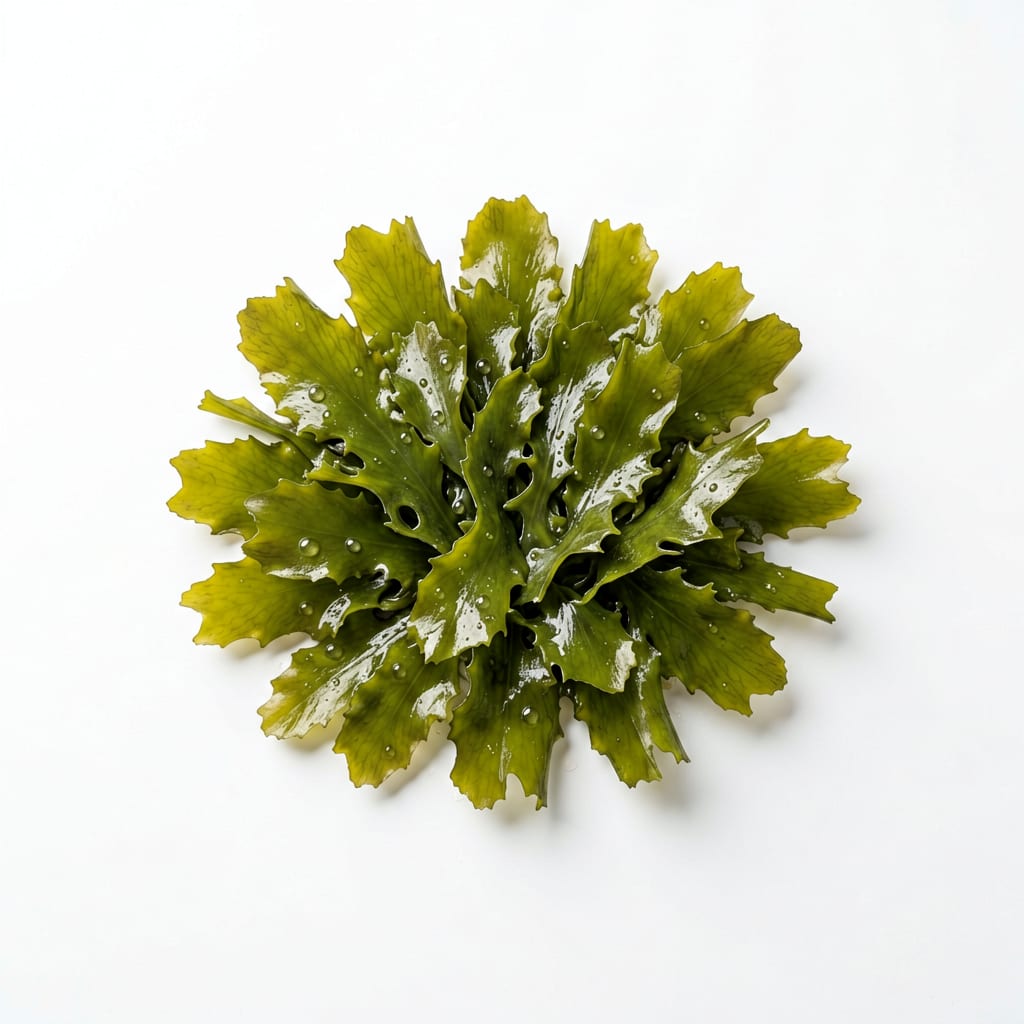
Kelp
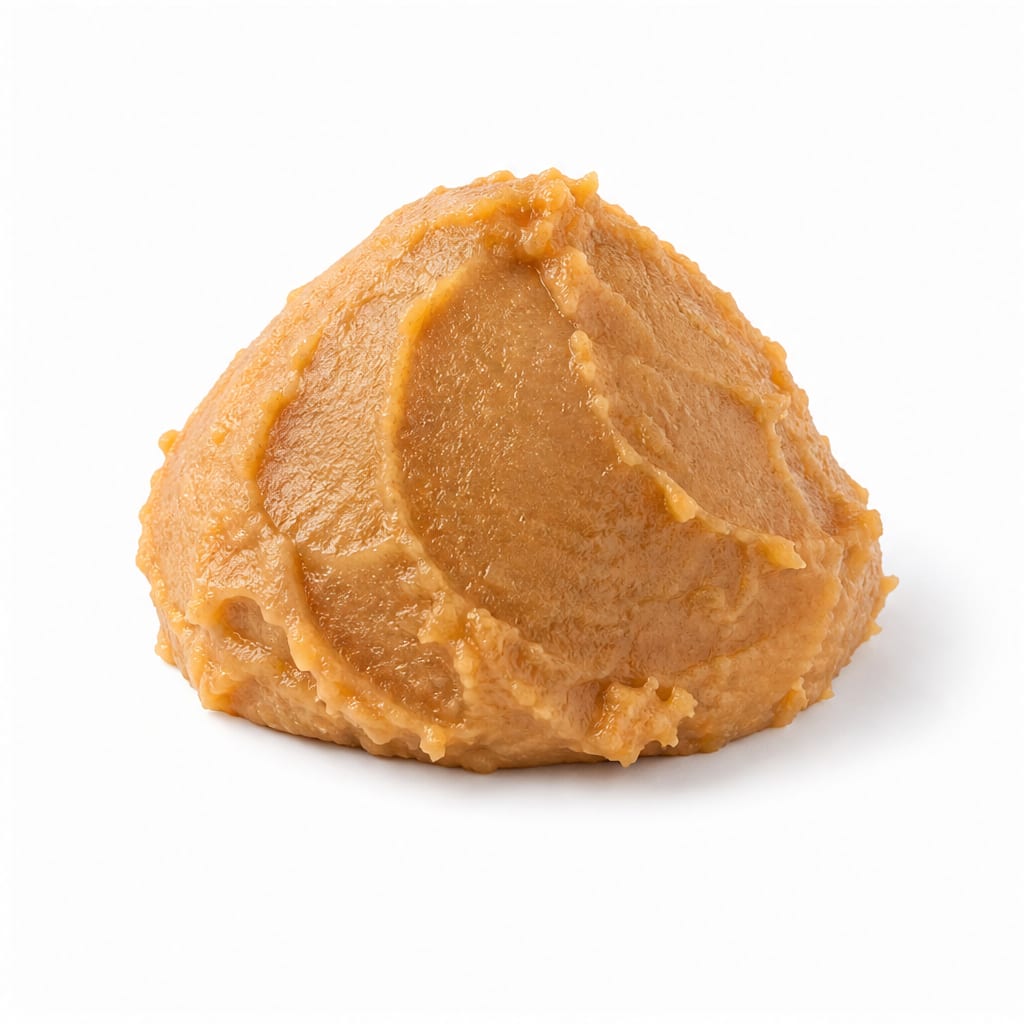
Miso
Miso is the more practical daily choice with gut-friendly probiotics, while kelp is a mineral powerhouse that demands caution with portion size.
Miso scores higher due to broader everyday utility, probiotic benefits, and protein content. Kelp's extraordinary mineral density is tempered by real contamination risks and the danger of iodine excess, making it a targeted supplement rather than a daily staple.
Kelp delivers unmatched iodine and minerals but carries contamination risk and thyroid disruption potential; miso offers probiotics and protein but packs a sodium hit with every serving.
At a glance
Executive summary
Overall
It depends
Healthier
It depends
More practical
Miso
Daily use
Miso
Key comparison lenses
thyroid and mineral support
Kelp is one of the most iodine-dense foods on earth, making thyroid impact the dominant comparison factor
gut health and digestion
Miso's fermented probiotics directly compete with kelp's fiber-based gut benefits
sodium load and blood pressure
Both foods are high-sodium, but from different sources and with different health contexts
heavy metal contamination risk
Sea vegetables like kelp accumulate arsenic and heavy metals, a unique safety concern
culinary versatility and daily practicality
Miso is a pantry staple with broad use; kelp is more niche and harder to incorporate daily
Best choice for
Kelp
- People with confirmed iodine deficiency
- Those seeking low-calorie mineral density
- Anyone avoiding fermented or soy-based foods
- Coastal diets where sea vegetables are traditional
Miso
- Anyone prioritizing gut health and digestion
- People wanting a flavorful, protein-containing condiment
- Those who benefit from probiotic-rich fermented foods
- Home cooks wanting versatile umami flavor
Least suitable for
Kelp
- People with hyperthyroidism or Graves' disease
- Those concerned about heavy metal exposure
- Anyone on thyroid medication without doctor supervision
- Pregnant women due to variable iodine and arsenic levels
Miso
- People on strict low-sodium diets
- Those with soy allergies or sensitivities
- Anyone avoiding fermented foods for histamine issues
- People concerned about GMO soy sourcing
Deep comparison
Dimension by dimension
Each lens scores both foods and breaks down who each option suits.
- Dimension 1 · Priority 95Kelp
thyroid_and_mineral_support
Kelp · 92Miso · 45Kelp is one of the most concentrated iodine sources available, far surpassing miso's modest mineral contribution.
Tradeoff
Kelp's iodine content is so high that regular consumption can overshoot safe limits, potentially triggering thyroid dysfunction instead of supporting it.
Why it matters
Iodine deficiency affects nearly 2 billion people globally, but excess iodine is equally dangerous and often overlooked.
Real-world impact
A single sheet of kelp can contain 2,000+ mcg of iodine—far above the 150 mcg daily recommendation—making it easy to accidentally overconsume.
Kelp
- Correcting iodine deficiency quickly
- Supporting thyroid hormone production when iodine is low
- Providing trace minerals like vanadium and fucoidan
Better for
- Risk of iodine-induced hyperthyroidism with overconsumption
- Unpredictable iodine levels between batches and brands
- Can interfere with thyroid medications
Worse for
Miso
- Gentle, moderate iodine intake without overdose risk
- Providing a broader spectrum of B vitamins
- Supporting metabolism through protein-bound nutrients
Better for
- Iodine content is modest and inconsistent
- Soy isoflavones may affect thyroid in susceptible individuals
- Less mineral-dense overall compared to sea vegetables
Worse for
- Dimension 2 · Priority 88Miso
gut_health_and_digestion
Kelp · 55Miso · 89Miso's live probiotics and fermented compounds actively support gut microbiome diversity, while kelp offers fiber but no beneficial bacteria.
Tradeoff
Miso's probiotic benefits require unpasteurized versions; most shelf-stable miso is pasteurized, killing the very bacteria you're after.
Why it matters
Gut microbiome diversity is increasingly linked to immune function, mood regulation, and metabolic health.
Real-world impact
A daily bowl of unpasteurized miso soup can meaningfully contribute to probiotic intake, while kelp's alginate fiber helps with fullness but doesn't seed beneficial bacteria.
Kelp
- Providing soluble fiber that feeds existing gut bacteria
- Alginate may help slow sugar absorption
- Very gentle on the digestive system when consumed in moderation
Better for
- No probiotic activity whatsoever
- Excess iodine can irritate the gut lining in sensitive people
- Minimal protein for gut tissue repair
Worse for
Miso
- Introducing live probiotic cultures to the gut
- Fermentation produces bioavailable peptides and enzymes
- May reduce bloating and improve regularity over time
Better for
- Pasteurized miso loses most probiotic benefit
- High sodium can dehydrate the gut lining with excessive intake
- Soy can cause bloating in some people
Worse for
- Dimension 3 · Priority 85Kelp
sodium_load_and_blood_pressure
Kelp · 52Miso · 38Both foods are sodium-heavy, but kelp's sodium comes with potassium and magnesium that partially buffer blood pressure impact.
Tradeoff
Miso's sodium is more concentrated per serving and less buffered by complementary minerals, making it riskier for hypertensive individuals.
Why it matters
Even modest sodium reductions can lower blood pressure by 2-5 mmHg, with outsized cardiovascular benefit over time.
Real-world impact
A tablespoon of miso contains roughly 600-900mg sodium—about a third of your daily limit—while a kelp sheet has 200-400mg but with more balancing minerals.
Kelp
- Contains potassium and magnesium that help offset sodium's blood pressure effect
- Lower sodium per typical serving than miso
- Alginate fiber may help reduce sodium absorption
Better for
- Still a high-sodium food that requires portion awareness
- Sodium content varies wildly between kelp products
- Easy to overconsume in seaweed snack form
Worse for
Miso
- Sodium is paired with protein which slows gastric emptying
- Umami satisfaction may reduce cravings for salty processed snacks
- Traditional Japanese diets high in miso show paradoxical heart benefits
Better for
- Very sodium-dense per small serving
- Easy to exceed daily sodium limits with multiple miso-based meals
- Often combined with other high-sodium ingredients in cooking
Worse for
- Dimension 4 · Priority 82Miso
contamination_and_safety
Kelp · 35Miso · 68Kelp accumulates arsenic, cadmium, and heavy metals from ocean water, while miso's main concerns are soy sourcing and moderate fermentation byproducts.
Tradeoff
Miso's safety issues are mostly manageable through organic sourcing, while kelp's heavy metal load is inherent to how sea vegetables grow.
Why it matters
Chronic low-level heavy metal exposure accumulates over decades and is nearly impossible to reverse.
Real-world impact
ConsumerLab testing has found some kelp supplements exceed safety limits for arsenic, making brand selection critical.
Kelp
- Minimal processing reduces additive exposure
- No soy-related concerns
- Typically free of artificial preservatives
Better for
- Known arsenic accumulation risk, particularly inorganic arsenic
- Cadmium and lead contamination common in sea vegetables
- Post-Fukushima radiation concerns for Pacific-sourced kelp
Worse for
Miso
- Lower heavy metal accumulation risk
- Organic options widely available to avoid GMO and pesticide concerns
- Fermentation may reduce some antinutrient compounds in soy
Better for
- Most conventional soy is GMO unless organic
- Histamine content from fermentation can trigger reactions
- Soy allergens affect a meaningful minority of people
Worse for
- Dimension 5 · Priority 72Miso
protein_and_satiety
Kelp · 25Miso · 78Miso provides meaningful protein per serving while kelp is essentially a trace-protein condiment.
Tradeoff
Miso's protein comes with soy isoflavones, which are beneficial for most but concerning for some, while kelp offers almost no protein at all.
Why it matters
Protein at meals increases satiety hormones and reduces subsequent snacking by 20-30% in studies.
Real-world impact
A miso soup bowl contributes 3-5g protein toward your daily target; kelp contributes essentially zero.
Kelp
- Extremely low calorie if protein is not a priority
- Alginate fiber creates physical fullness without protein
Better for
- Negligible protein content
- Will not contribute to protein-based satiety
- Not useful as a protein source in any realistic serving size
Worse for
Miso
- Meaningful protein contribution per serving
- Protein paired with umami flavor increases meal satisfaction
- Contains all essential amino acids from soy
Better for
- Soy protein is less bioavailable than animal protein
- Small serving sizes limit total protein contribution
- Some people find soy protein less filling than whey or egg
Worse for
- Dimension 6 · Priority 75Miso
culinary_versatility_and_daily_practicality
Kelp · 40Miso · 88Miso is a kitchen workhorse—soup base, marinade, dressing, glaze—while kelp is mostly limited to broth-making and occasional snacking.
Tradeoff
Miso's versatility means more sodium exposure across multiple dishes, while kelp's limited use naturally restricts intake.
Why it matters
The healthiest food is one you actually enjoy and use consistently in varied ways.
Real-world impact
Most home cooks can find daily uses for miso; kelp tends to sit in the pantry after the initial novelty wears off.
Kelp
- Excellent for making dashi broth base
- Convenient as a dried snack
- Long shelf life without refrigeration
Better for
- Limited to mostly Japanese and Korean recipe contexts
- Strong ocean flavor doesn't pair with many cuisines
- Texture is off-putting for many Western palates
Worse for
Miso
- Works in soups, marinades, dressings, glazes, and dips
- Enhances flavor of vegetables, proteins, and grains alike
- Available in multiple varieties for different flavor profiles
Better for
- Distinct fermented flavor doesn't work in all dishes
- Requires refrigeration after opening
- Color and flavor can overwhelm delicate dishes
Worse for
Timeline
Health impact over time
Short-term
Hours to days
Kelp
- Noticeable energy shift if correcting iodine deficiency
- Possible stomach discomfort from high fiber if consuming large amounts
- Quick satiety from alginate fiber swelling in the stomach
Miso
- Immediate umami satisfaction that reduces cravings for salty processed foods
- Mild warming comfort from hot miso soup preparations
- Possible mild bloating if sensitive to soy or fermented foods
Long-term
Months to years
Kelp
- Thyroid function changes—positive or negative depending on baseline iodine status
- Potential heavy metal accumulation with frequent consumption of untested brands
- Improved mineral status if consumed in appropriate amounts
Miso
- Improved gut microbiome diversity with regular unpasteurized consumption
- Potential cardiovascular benefit despite sodium, likely due to synergistic soy compounds
- Possible hormonal modulation from soy isoflavones with daily intake
Risk profile
Safety & processing
Kelp is typically just dried sea vegetable with nothing added, while miso undergoes fermentation with salt and koji culture—a traditional process but still a form of processing. Both avoid artificial additives in their traditional forms.
Kelp
Inorganic arsenic contamination
highKelp can accumulate dangerous levels of inorganic arsenic from seawater, with some products exceeding safety limits. Source testing matters enormously.
Iodine toxicity
highA single serving can contain 10-50x the daily iodine requirement, potentially triggering thyroid storms in susceptible individuals.
Cadmium and lead accumulation
mediumSea vegetables naturally concentrate heavy metals, with cadmium levels often elevated in kelp products from polluted waters.
Radiation exposure
lowPost-Fukushima concerns persist for Pacific-sourced kelp, though most commercially available products test below concern thresholds.
Miso
Excessive sodium intake
mediumRegular miso consumption can push daily sodium well above recommendations, especially when combined with other salty foods.
Soy allergen exposure
mediumSoy is a top-8 allergen, and miso is pure fermented soy, making it unsuitable for those with soy allergies.
GMO and pesticide residue
lowMost conventional miso uses GMO soy unless specifically labeled organic, though fermentation may reduce pesticide residues.
Histamine reactions
lowFermented foods naturally contain histamine, which can trigger headaches or digestive issues in histamine-sensitive individuals.
Who wins for whom
Audience fit
Same foods, different winners depending on your goal.
children
MisoMiso's milder flavor in soup form is more kid-friendly, and children should avoid kelp's unpredictable iodine doses that could affect developing thyroids.
daily consumption
MisoMiso can be safely consumed daily in moderate amounts with consistent sodium tracking, while kelp's iodine and contamination risks make daily use potentially dangerous.
diabetes
KelpKelp's alginate fiber slows glucose absorption and contains virtually no carbohydrates, while miso has a small but present carb load.
elderly
MisoMiso's probiotics support the aging gut microbiome, protein helps prevent sarcopenia, and warm miso soup is easy to consume for those with dental or digestive challenges.
muscle gain
MisoMiso provides actual protein per serving, while kelp contributes essentially zero protein toward muscle-building needs.
weight loss
KelpKelp is dramatically lower in calories while providing fiber-based satiety, making it easier to stay within calorie targets.
Your move
Decision guide
Choose Kelp
- You have confirmed iodine deficiency and need a concentrated source
- You want maximum mineral density with minimal calories
- You're making dashi or traditional Japanese broth
- You avoid soy and fermented foods but want ocean-sourced nutrition
Choose Miso
- Gut health and probiotic intake are priorities
- You want a versatile umami ingredient for daily cooking
- You're looking for a warming, satisfying food with protein
- You follow a traditional Japanese dietary pattern
Either works if
- You want to add savory depth to soups and broths
- You're exploring Japanese cuisine and traditional ingredients
- You need sodium-rich condiments for electrolyte replenishment
Avoid both if
- You're on a strict low-sodium diet for blood pressure management
- You have kidney disease requiring mineral and sodium restriction
- You have thyroid conditions without clear medical guidance
Final recommendation
Keep both in your kitchen but use them differently. Miso is your daily driver—stir it into soup, glaze vegetables, or brighten dressings. Kelp is your targeted supplement: use it occasionally for dashi or as a mineral boost, but treat it with the same caution as any concentrated supplement. If your thyroid isn't monitored, miso is the safer bet for regular use.
Practical
Consumer tips
- 1
Choose kelp sourced from the Atlantic over Pacific for lower contamination risk, and look for brands that test for heavy metals
- 2
Buy unpasteurized miso if you want probiotic benefits—it will be in the refrigerated section, not on store shelves
- 3
Limit kelp to 1-2 small pieces per week unless you're working with a practitioner on iodine deficiency
- 4
Use white or shiro miso for milder flavor and less sodium per serving than red miso
- 5
If you have thyroid issues, consult your doctor before adding either food regularly—both affect thyroid function through different mechanisms
- 6
Rinse dried kelp briefly before use to remove surface contaminants without losing too much mineral content
- 7
Start with half a tablespoon of miso per serving and adjust upward—most people use more than needed