
Nutrition comparison
Kelp vs Swiss Chard: Nutrition, Safety & Daily Use Comparison
Compare Kelp and Swiss Chard to see which green is healthier. Learn about iodine risks, heavy metals, oxalates, and the best choice for daily meals.
Overall winner · Swiss Chard
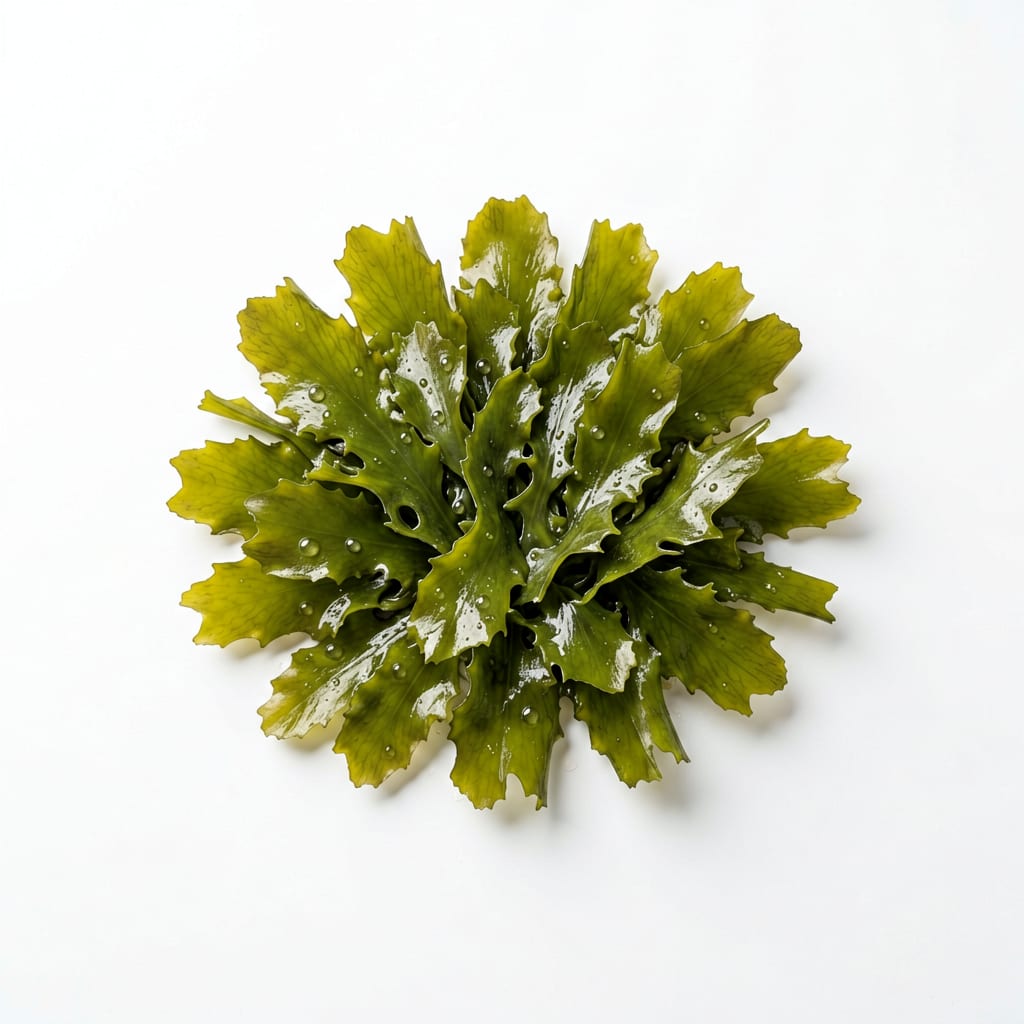
Kelp
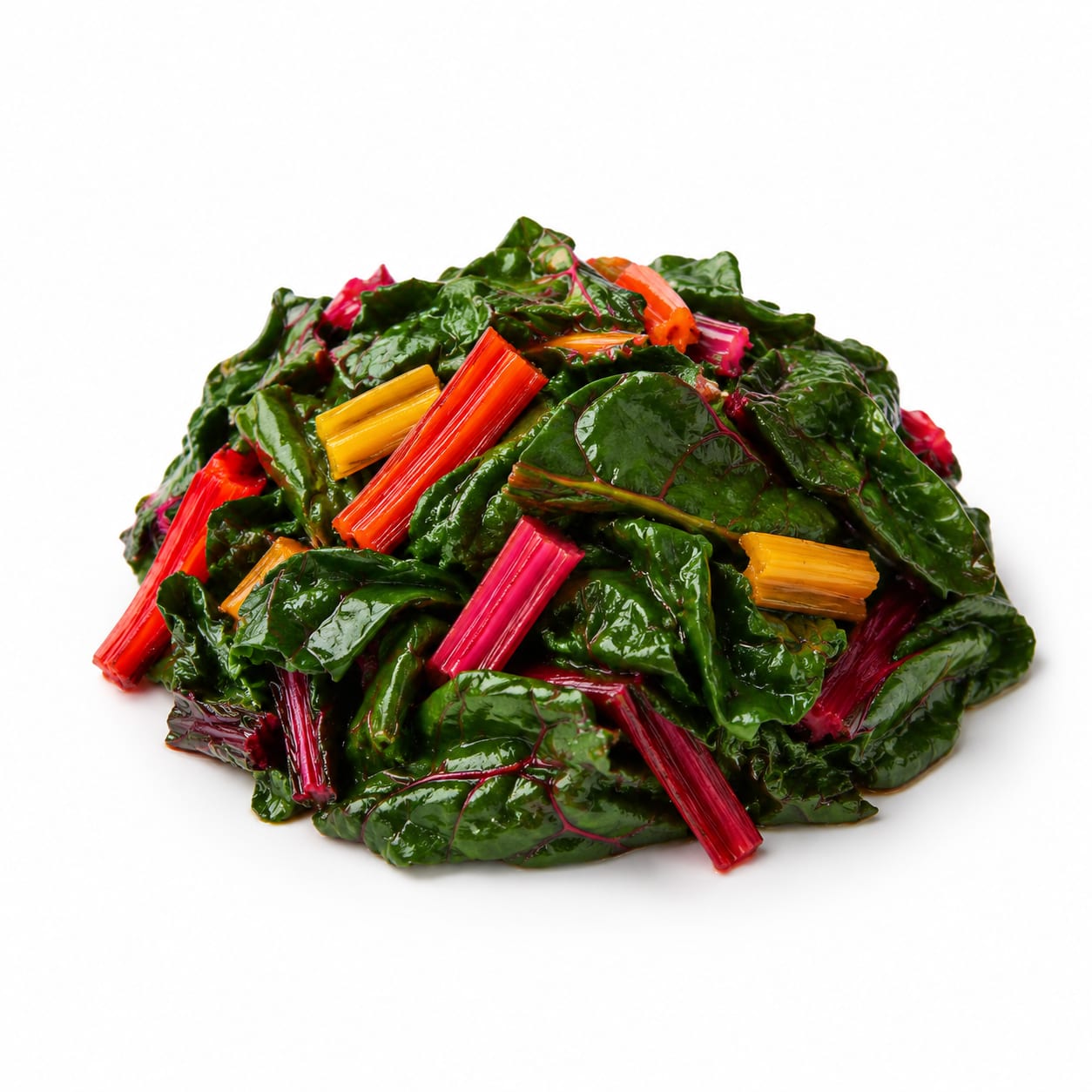
Swiss Chard
Swiss Chard is a safer, more versatile everyday green, while Kelp is a potent iodine booster best used sparingly as a seasoning.
Swiss Chard scores significantly higher due to its safety profile for daily consumption and broad vitamin density. Kelp loses ground because its extreme iodine content and ocean contamination risks make it a specialty ingredient rather than a daily staple.
Massive iodine and unique sea minerals versus safer, more consistent land-based vitamins without the heavy metal risk.
At a glance
Executive summary
Overall
Swiss Chard
Healthier
Swiss Chard
More practical
Swiss Chard
Daily use
Swiss Chard
Key comparison lenses
Thyroid health and iodine intake
Kelp is one of the most concentrated dietary sources of iodine, drastically affecting thyroid function, whereas Swiss Chard contains negligible amounts.
Heavy metal and contaminant exposure
Sea vegetables absorb heavy metals from ocean water, making contamination a real concern for Kelp, unlike land-grown Swiss Chard.
Everyday safety and moderation
Kelp can easily cause iodine toxicity if eaten daily, while Swiss Chard is safe for regular consumption but requires cooking to manage oxalates.
Vitamin and mineral density
Swiss Chard is a powerhouse of Vitamins K, A, and magnesium, while Kelp offers unique sea minerals and trace elements.
Best choice for
Kelp
- People with diagnosed iodine deficiency
- Those following strict vegan diets needing trace sea minerals
- Home cooks wanting a natural salt substitute with umami flavor
Swiss Chard
- People seeking a nutrient-dense daily leafy green
- Anyone focusing on bone density and blood health
- Individuals wanting high volume, low calorie fiber for fullness
Least suitable for
Kelp
- People with hyperthyroidism or thyroid conditions
- Pregnant women due to heavy metal and iodine variability
- Anyone prone to overconsumption of salty snacks
Swiss Chard
- People with a history of calcium oxalate kidney stones who cannot commit to cooking their greens
- Those on blood thinners who struggle to maintain consistent Vitamin K intake
Deep comparison
Dimension by dimension
Each lens scores both foods and breaks down who each option suits.
- Dimension 1 · Priority 95Kelp
Thyroid Support
Kelp · 98Swiss Chard · 5Kelp delivers an overwhelming dose of iodine essential for thyroid hormones, while Swiss Chard provides almost none.
Tradeoff
Getting enough iodine is vital, but Kelp can easily push you past safe limits, triggering thyroid dysfunction instead of helping it.
Why it matters
Your thyroid regulates metabolism and energy. Too little iodine slows you down, but too much causes palpitations and anxiety.
Real-world impact
A single serving of Kelp can exceed the daily iodine limit, whereas you would need to entirely rely on iodized salt or seafood if eating Swiss Chard daily.
Kelp
- Halting an iodine deficiency
- Supporting hypothyroidism under medical supervision
Better for
- Risking hyperthyroid episodes from overconsumption
Worse for
Swiss Chard
- Avoiding iodine-induced thyroid spikes
- Maintaining stable thyroid function without overdose risk
Better for
- Failing to provide necessary iodine if no other sources are consumed
Worse for
- Dimension 2 · Priority 85Swiss Chard
Vitamin and Antioxidant Density
Kelp · 55Swiss Chard · 95Swiss Chard is loaded with Vitamins K, A, and C, while Kelp offers a narrower nutritional profile focused on trace minerals.
Tradeoff
You trade broad, immune-boosting vitamin coverage for deep, specific oceanic mineralization.
Why it matters
Vitamin K is crucial for bone health and blood clotting, and Vitamin A supports vision and immunity—areas where Kelp falls short.
Real-world impact
Eating Swiss Chard regularly improves blood health and bone strength visibly over time, while Kelp acts more like a mineral supplement.
Kelp
- Obtaining rare trace minerals like vanadium and fucoidans
Better for
- Missing out on high-level antioxidant protection
Worse for
Swiss Chard
- Boosting bone density with massive Vitamin K
- Supporting eye health and immunity with Vitamin A
Better for
- Lacking the unique anti-inflammatory compounds found in brown seaweed
Worse for
- Dimension 3 · Priority 90Swiss Chard
Safety and Contaminant Risk
Kelp · 40Swiss Chard · 80Swiss Chard has manageable oxalates, but Kelp carries a real risk of heavy metals and unpredictable iodine spikes.
Tradeoff
Land-based antinutrients that cooking can neutralize versus ocean-based pollutants that cannot be cooked away.
Why it matters
Heavy metals like arsenic accumulate in the body over time, making frequent Kelp consumption a long-term liability.
Real-world impact
Boiling Swiss Chard removes most oxalates, but nothing you do at home can remove arsenic or mercury from Kelp.
Kelp
- Providing a clean option if sourced from pristine, tested waters
Better for
- Potential arsenic and lead exposure
- Highly variable iodine levels making dosing unpredictable
Worse for
Swiss Chard
- Offering a heavy-metal-free daily green
- Providing a safer profile for long-term consistent use
Better for
- Raw consumption can contribute to kidney stones in susceptible people
Worse for
- Dimension 4 · Priority 70Swiss Chard
Culinary Versatility and Satiety
Kelp · 45Swiss Chard · 90Swiss Chard works as a substantial base for meals, while Kelp is mostly a garnish or flavor enhancer.
Tradeoff
Physical fullness and meal volume versus intense umami flavor in tiny quantities.
Why it matters
Foods that fill you up make it easier to stick to healthy habits, while garnishes do little for actual hunger.
Real-world impact
A large bowl of sautéed Swiss Chard makes a satisfying meal base; Kelp is eaten in such small amounts it provides zero satiety.
Kelp
- Adding depth to broths and stews without adding bulk
Better for
- Cannot be eaten in large volumes due to taste and safety
- Does not contribute to physical fullness
Worse for
Swiss Chard
- Creating large, filling meals with minimal calories
- Replacing pasta or wraps in low-carb diets
Better for
- Requires cooking prep to reduce oxalates and bitterness
Worse for
Timeline
Health impact over time
Short-term
Hours to days
Kelp
- Can rapidly correct an iodine deficiency
- May cause stomach upset or thyroid jitters if overconsumed in one sitting
Swiss Chard
- Provides immediate fiber for digestive regularity
- Raw consumption might cause a scratchy throat feeling due to oxalate crystals
Long-term
Months to years
Kelp
- Risk of heavy metal accumulation with frequent consumption
- Potential development of thyroid dysfunction from chronic iodine excess
Swiss Chard
- Improved bone density and blood clotting from consistent Vitamin K intake
- Better blood sugar regulation from magnesium and fiber
Risk profile
Safety & processing
Both are whole, natural foods. Dried Kelp often contains nothing but the sea vegetable, and fresh Swiss Chard is entirely unprocessed, making both clean choices chemically.
Kelp
Heavy Metal Contamination
highKelp absorbs arsenic, lead, and cadmium from ocean water. Sourcing from clean waters is critical but hard to verify.
Iodine Toxicity
highIodine levels in Kelp fluctuate wildly. A single sheet can contain hundreds of times the daily limit, risking thyroid storms.
Swiss Chard
Calcium Oxalate Kidney Stones
mediumSwiss Chard is high in oxalates. Eating it raw daily can contribute to stone formation in prone individuals, but boiling reduces this heavily.
Who wins for whom
Audience fit
Same foods, different winners depending on your goal.
children
Swiss ChardChildren's developing thyroids are highly sensitive to iodine spikes, making Kelp an unnecessary risk compared to Swiss Chard.
daily consumption
Swiss ChardSwiss Chard can be safely eaten every day if cooked, while daily Kelp consumption risks iodine toxicity and heavy metal buildup.
diabetes
Swiss ChardSwiss Chard's fiber and magnesium improve insulin sensitivity, whereas Kelp acts more as a neutral condiment.
elderly
Swiss ChardThe high Vitamin K in Swiss Chard is crucial for preventing fractures and cardiovascular calcification in aging bodies.
muscle gain
Swiss ChardSwiss Chard offers more magnesium and potassium for muscle recovery and cramp prevention, alongside filling calories.
weight loss
Swiss ChardSwiss Chard provides high volume and fiber for fullness, while Kelp is eaten in such tiny amounts it does not impact satiety.
Your move
Decision guide
Choose Kelp
- You have a confirmed iodine deficiency and are monitoring intake with a doctor
- You want a natural salt substitute to sprinkle on dishes for umami flavor
- You are making a traditional dashi or soup stock and use it sparingly
Choose Swiss Chard
- You want a nutrient-dense green to eat regularly for overall health
- You are focusing on bone strength, blood health, or blood sugar regulation
- You need a low-calorie, high-volume food to keep you full during weight loss
Either works if
- You are looking to diversify your mineral intake from both land and sea sources
- You want to add unique flavors and textures to your salad or soup rotation
Avoid both if
- You are on strict blood thinners and cannot maintain consistent Vitamin K intake from Swiss Chard
- You have severe kidney issues and must limit both oxalates and heavy metals
Final recommendation
Keep Swiss Chard as a staple in your weekly vegetable rotation for reliable vitamins and fullness. Treat Kelp as a garnish or occasional supplement—use it for flavor and a iodine boost, but never as your daily green due to real toxicity and contamination risks.
Practical
Consumer tips
- 1
Boil Swiss Chard for a few minutes and discard the water to remove up to 80% of its oxalates.
- 2
Look for Kelp brands that third-party test for heavy metals and list iodine content specifically.
- 3
If using Kelp as a seasoning, crumble it over food instead of salting to naturally reduce sodium intake.
- 4
Pair Swiss Chard with a healthy fat like olive oil to absorb its fat-soluble Vitamins A and K.
- 5
Limit Kelp consumption to no more than once or twice a week to protect your thyroid.