
Whole Grain
Kamut
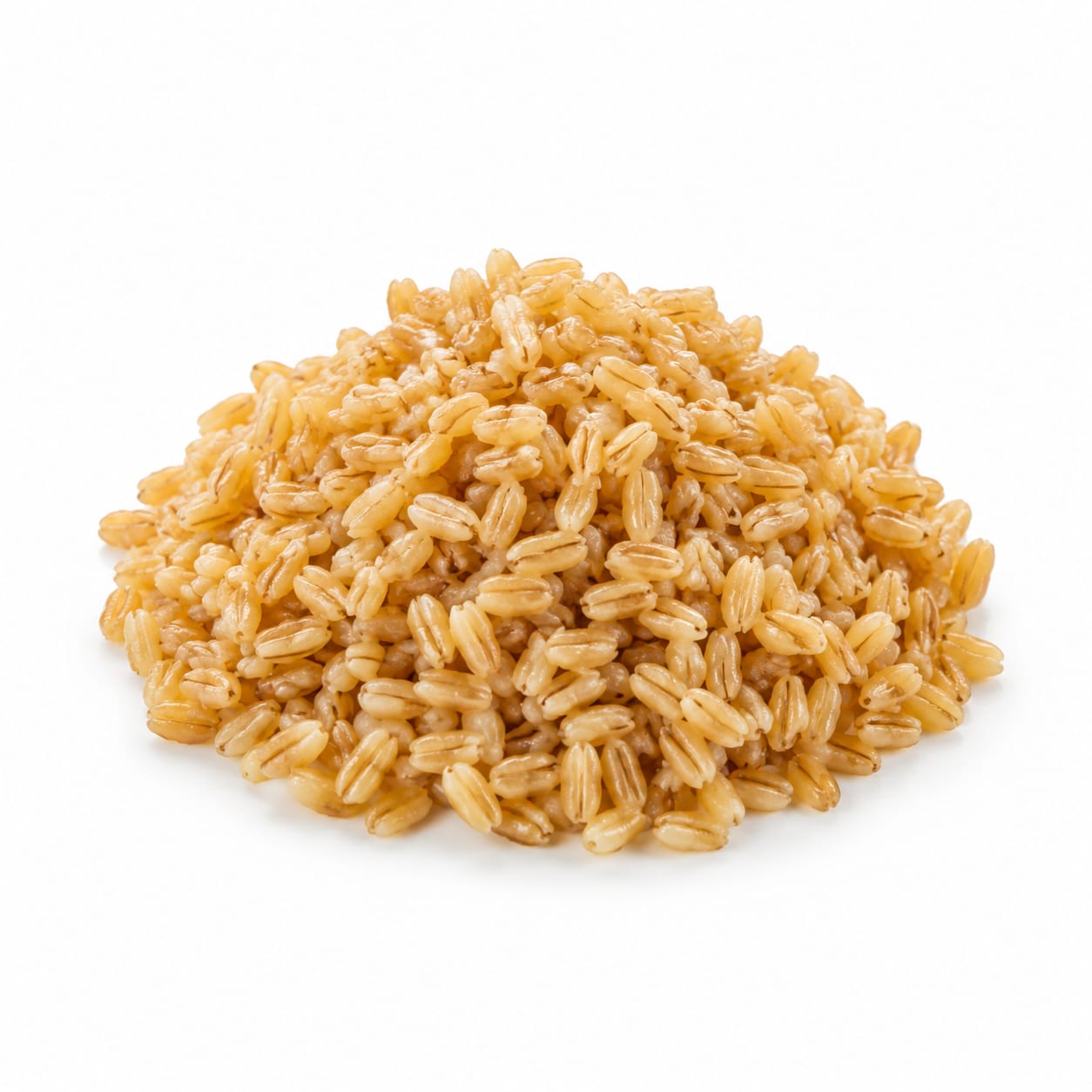
Kamut is an ancient wheat grain prized for its high protein, rich nutty flavor, and superior nutrient density compared to modern wheat.
Kamut, officially known as Khorasan wheat, is an ancient grain recognized for its large, plump kernels, rich nutty flavor, and impressive nutritional profile compared to modern wheat.
nutrient-dense ancient whole grain
Typical serving · 45g
Common varieties · whole kamut berries, kamut flour, cracked kamut, organic kamut, pearled kamut
Overall context score across nutrition, safety, and diet fit
At a glance
Quick facts
Simple indicators based on nutrition, processing, and diet fit.
The story
What makes it unique
Kamut is a tetraploid wheat species digested at a moderate rate due to its intact bran and germ. Its high protein and fiber content promote prolonged satiety. As a whole grain, it provides complex carbohydrates and a robust micronutrient profile, requiring minimal processing from harvest to table.
Varieties: whole kamut berries · kamut flour · cracked kamut · organic kamut · pearled kamut
Per 100g
Nutrition breakdown
Macro balance and key metrics at a glance.
Energy
Density 3.37 kcal/g
Protein
Carbs
Fat
Fiber
Sugar
2.1 g
Sodium
5 mg
Potassium
340 mg
Glycemic index
45
Glycemic load
30
Water content
10%
Standout compounds
Nutrient highlights
Selenium
highSupports antioxidant defense and thyroid function
Protein
highEssential for muscle repair and satiety
Fiber
highPromotes digestive regularity and gut microbiome health
Zinc
moderateCrucial for immune system function
Magnesium
moderateSupports bone health and muscle relaxation
Wellness map
Health scores & processing
NOVA processing scale
minimally processed · Whole food
Whole Kamut berries are harvested and cleaned with no alteration to the grain's bran, germ, or endosperm, representing a minimally processed food.
Diet compatibility
- Weight loss
- Muscle gain
- Diabetes
- Gut health
- Low carb
- High protein
- Heart health
Relative standing
Food rankings
Qualitative ranks compared to similar whole foods.
- Satietyexcellent
- Blood sugargood
- Nutrient densityexcellent
- Fitness fuelgood
- Processing qualityexcellent
Eat with confidence
Food safety profile
Kamut is generally safe and frequently cultivated organically, reducing pesticide exposure. The primary safety concern is its gluten content, which makes it unsafe for individuals with celiac disease.
Evidence confidence 85%
- Pesticideslow
- Antibioticslow
- Heavy metalslow
- Contaminationlow
Watch for
- gluten cross-contamination
Safer choices
Choose certified organic Kamut to minimize any potential pesticide residue.
Prep tips
Rinse whole Kamut berries thoroughly under cold water before cooking to remove debris. Soaking overnight reduces cooking time and improves digestibility.
None significant; Kamut is often grown under strict organic protocols.
Deep dive
Health analysis
How this food may fit different goals and preparation choices.
Weight loss
High fiber and protein increase satiety, but the dry grain is calorie-dense, making portion control essential for weight loss.
Blood sugar
Complex carbohydrates and a moderate glycemic index result in a slow, steady release of glucose, preventing sharp blood sugar spikes.
Fitness & energy
Provides sustained complex carbohydrates ideal for glycogen replenishment and long-duration endurance activities.
Gut health
High insoluble fiber content supports regular bowel movements and feeds beneficial gut microbiota.
Processing quality
As a whole, unrefined grain, Kamut retains its natural bran and germ, offering maximum nutritional integrity.
Food safety
Generally very safe with low contamination risks; primary concern is gluten for those with celiac disease or gluten intolerance.
Common mistakes
Assuming Kamut is gluten-free due to its ancient grain status, or failing to soak the berries, leading to excessively long cooking times.
Best preparation
Soak whole berries overnight, then boil in salted water or broth until tender but still chewy, or mill into fresh flour for baked goods.
Practical guide
Best use cases
When and how this food fits real eating patterns.
Endurance athlete carb-loading
Provides slow-digesting complex carbohydrates for sustained energy during long endurance events.
Plant-based protein source
Offers a substantial protein punch per serving, helping vegetarians and vegans meet daily protein needs.
Hearty grain bowls
Its chewy texture and nutty flavor hold up well in meal-prep grain bowls with vegetables and dressings.
Balance sheet
Pros & cons
Upsides
- Higher protein and fiber than modern wheat
- Rich in antioxidants and minerals like selenium
- Low glycemic index supports stable blood sugar
- Minimally processed whole grain
- Versatile chewy texture for culinary use
Trade-offs
- Contains gluten, unsuitable for celiacs
- Requires long cooking time if not pre-soaked
- Calorie-dense, requiring portion awareness
- More expensive and less available than common grains
Fit check
Who is it for?
Great match
- endurance athletes
- plant-based diets
- gut health improvement
- whole grain rotation
Consider alternatives
- celiac disease
- strict low-carb diets
- quick weeknight meals
- gluten intolerance
Side by side
How it compares
Open the full head-to-head analysis for nutrition, safety, and practical tradeoffs.
This food
Kamut
VS85% alike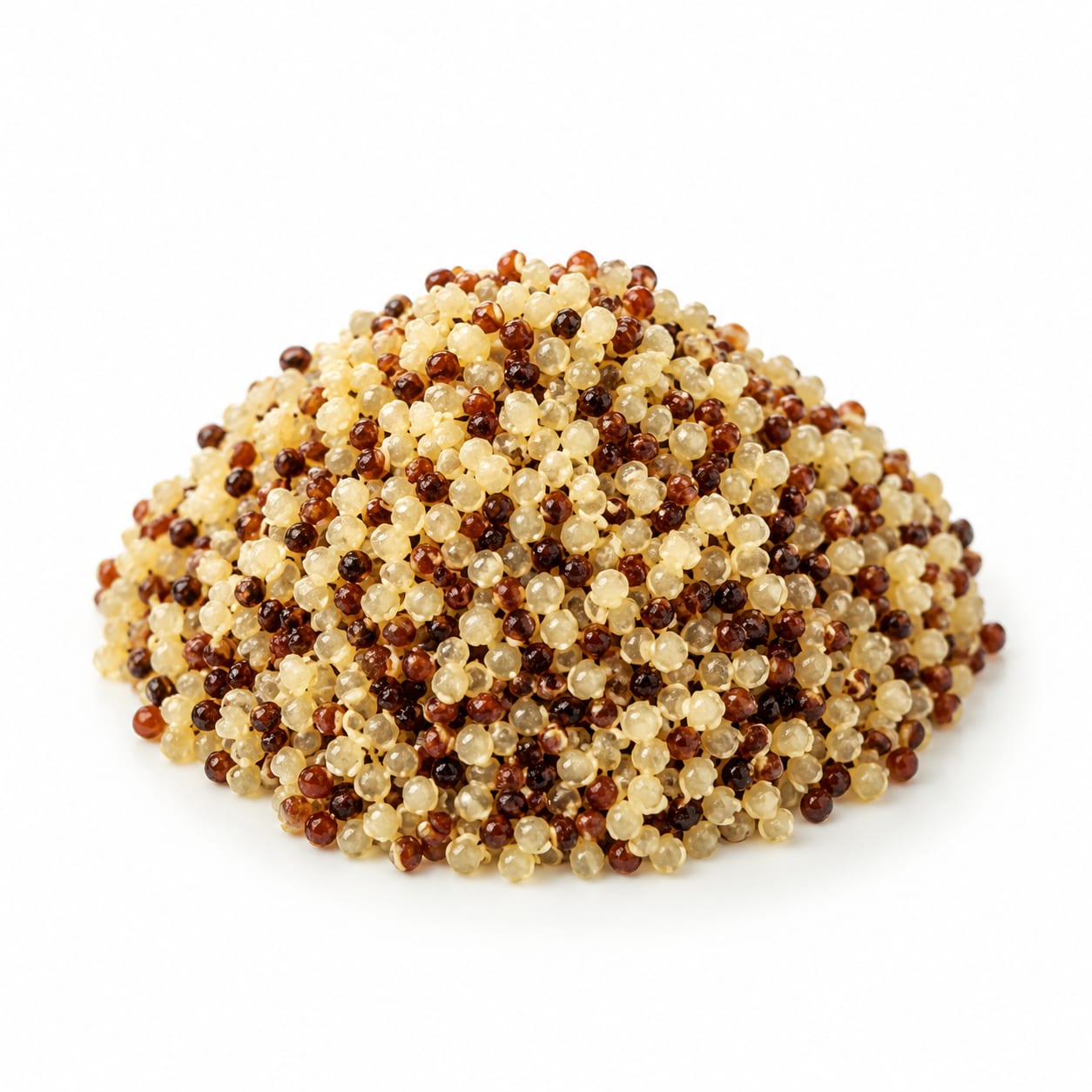
Compare with
Quinoa
Quinoa is a gluten-free complete protein, while Kamut is a high-protein ancient wheat with a chewier texture and gluten.
Quinoa is gluten-free and a complete protein, while Kamut offers more protein per gram and a heartier chew but contains gluten.
This food
Kamut
VS95% alike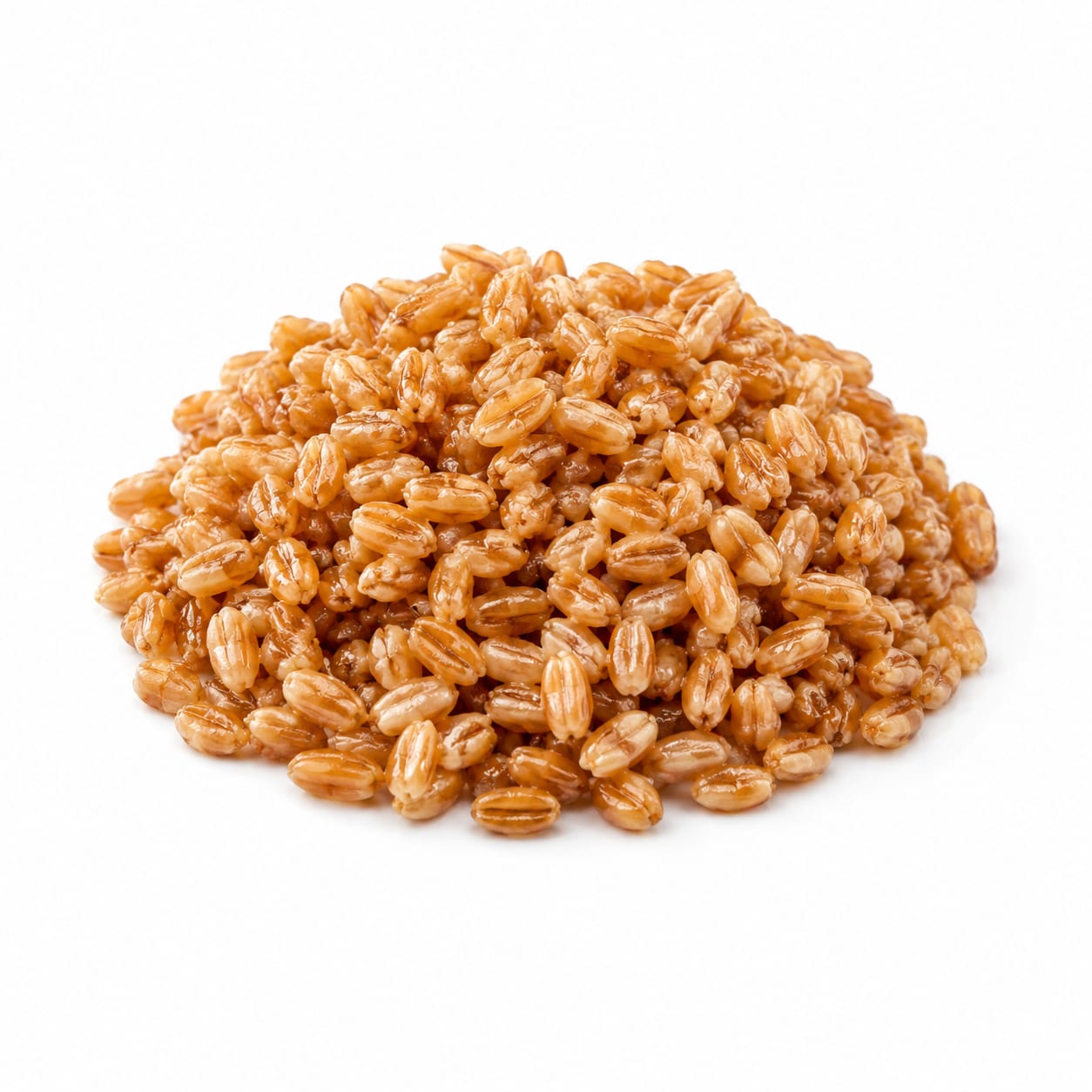
Compare with
Farro
Farro and Kamut are both ancient wheats, but Kamut is larger, sweeter, and typically higher in selenium.
Kamut is larger and sweeter than farro, with slightly more protein and selenium, but both are high-fiber ancient wheats.
This food
Kamut
VS80% alike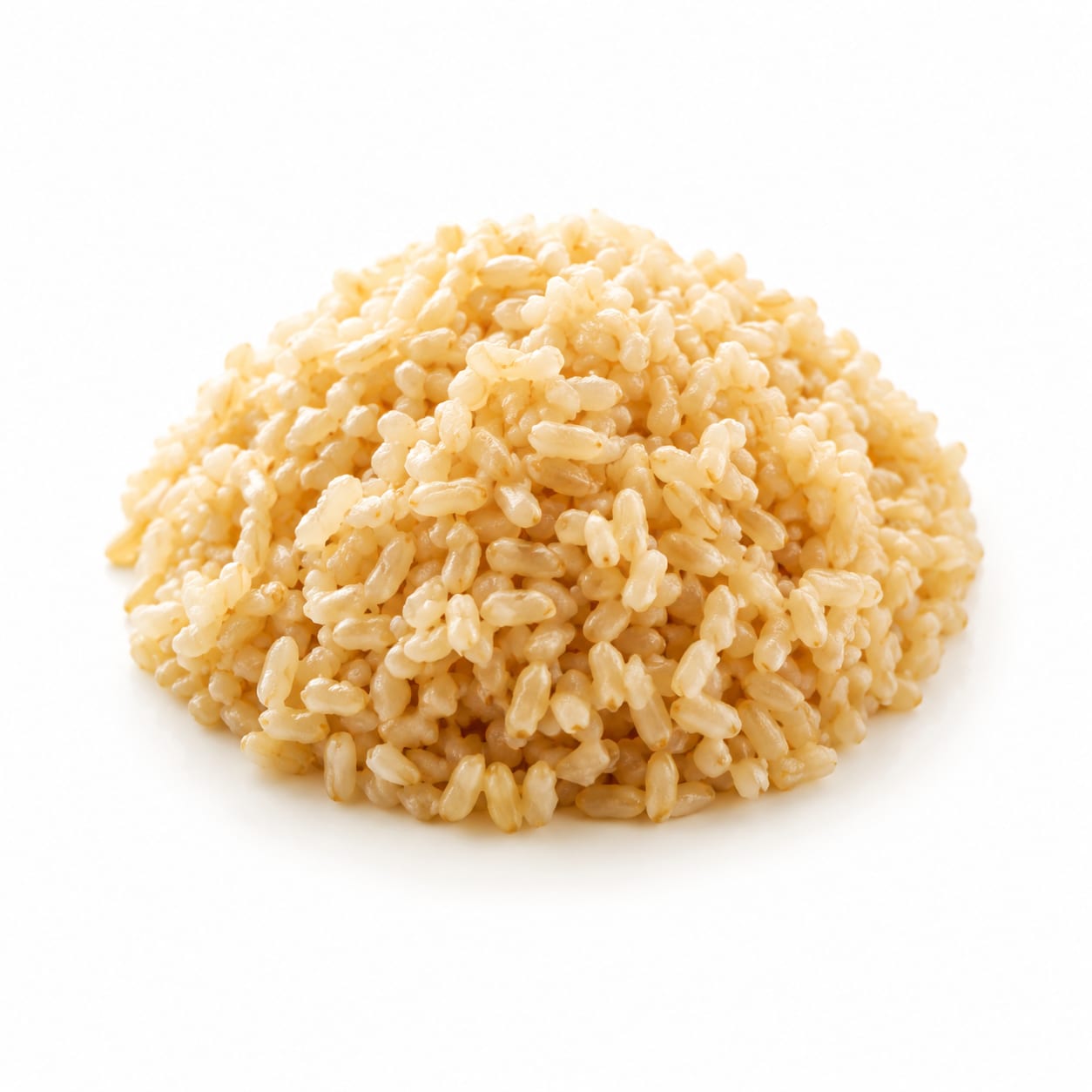
Compare with
Brown Rice
Kamut provides significantly more protein and fiber than brown rice, though brown rice is gluten-free.
Kamut has double the protein and more fiber than brown rice, making it better for satiety, though brown rice is gluten-free.
This food
Kamut
VS80% alike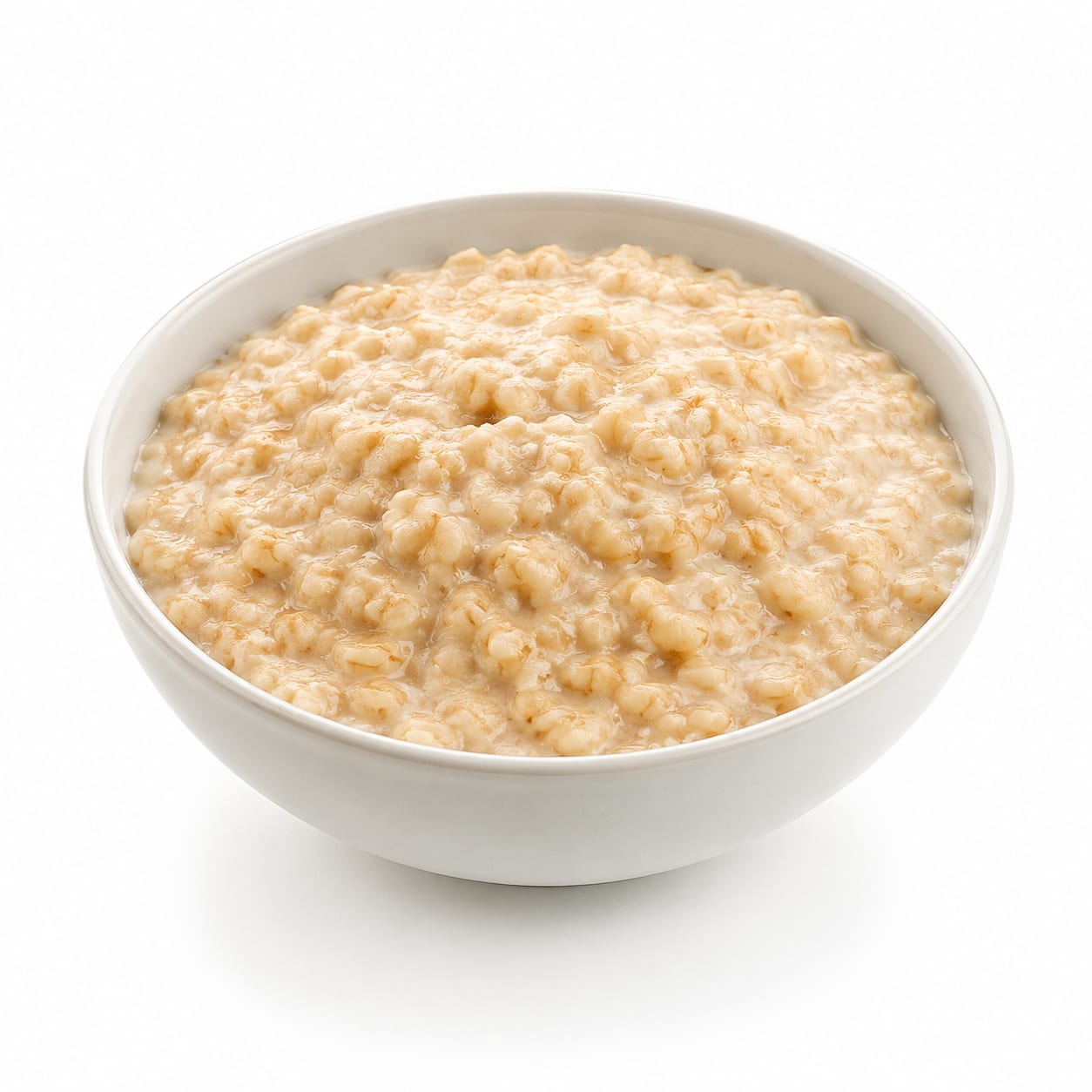
Compare with
Oats
Oats are higher in soluble fiber (beta-glucan) for heart health, while Kamut is higher in protein and insoluble fiber.
Oats are better for heart health and lowering cholesterol, while Kamut provides more protein and a chewier bite for savory dishes.
This food
Kamut
VS85% alike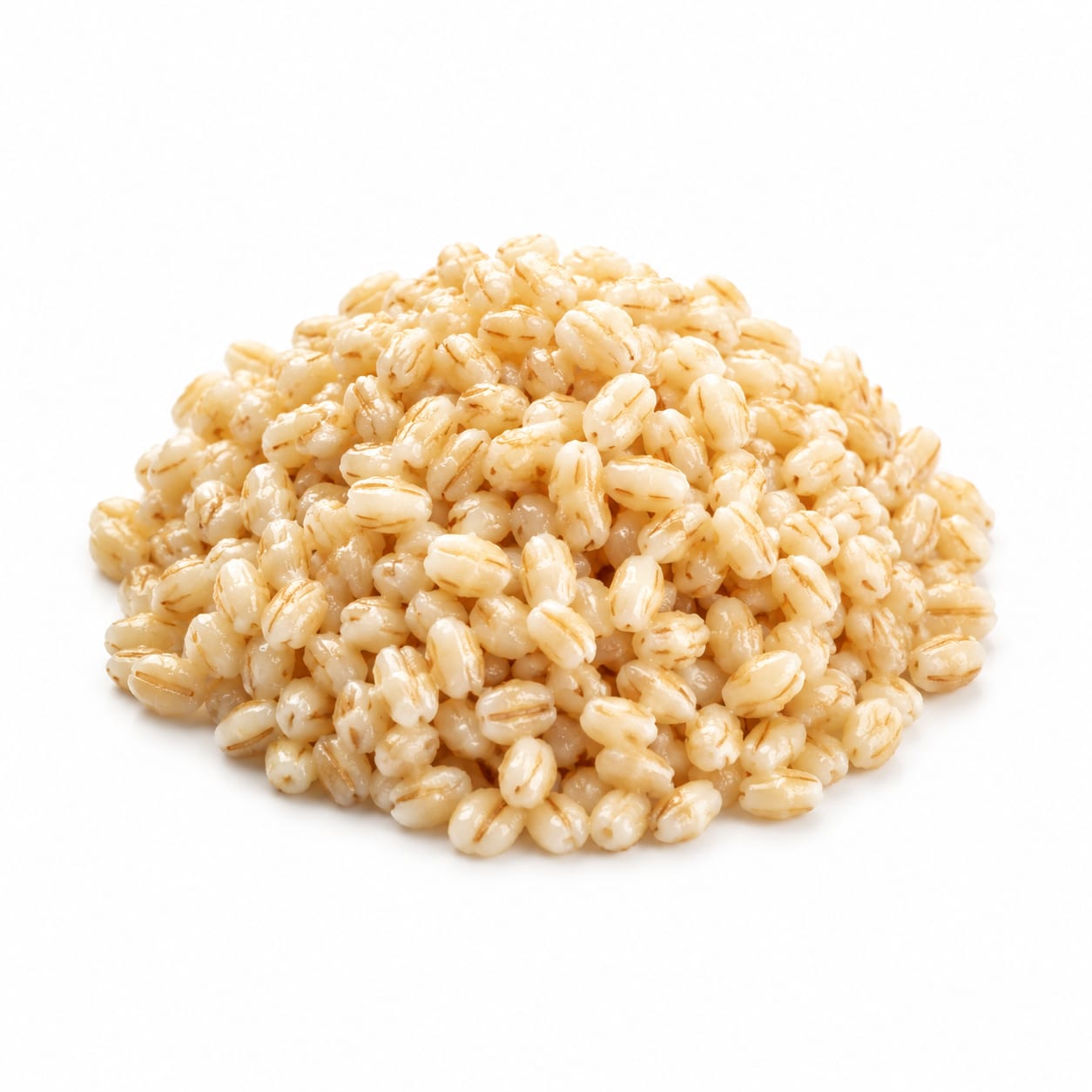
Compare with
Barley
Barley is higher in cholesterol-lowering beta-glucan, while Kamut is higher in protein and minerals.
Barley excels at lowering cholesterol, while Kamut offers more protein and a sweeter, nuttier flavor profile.
This food
Kamut
VS95% alike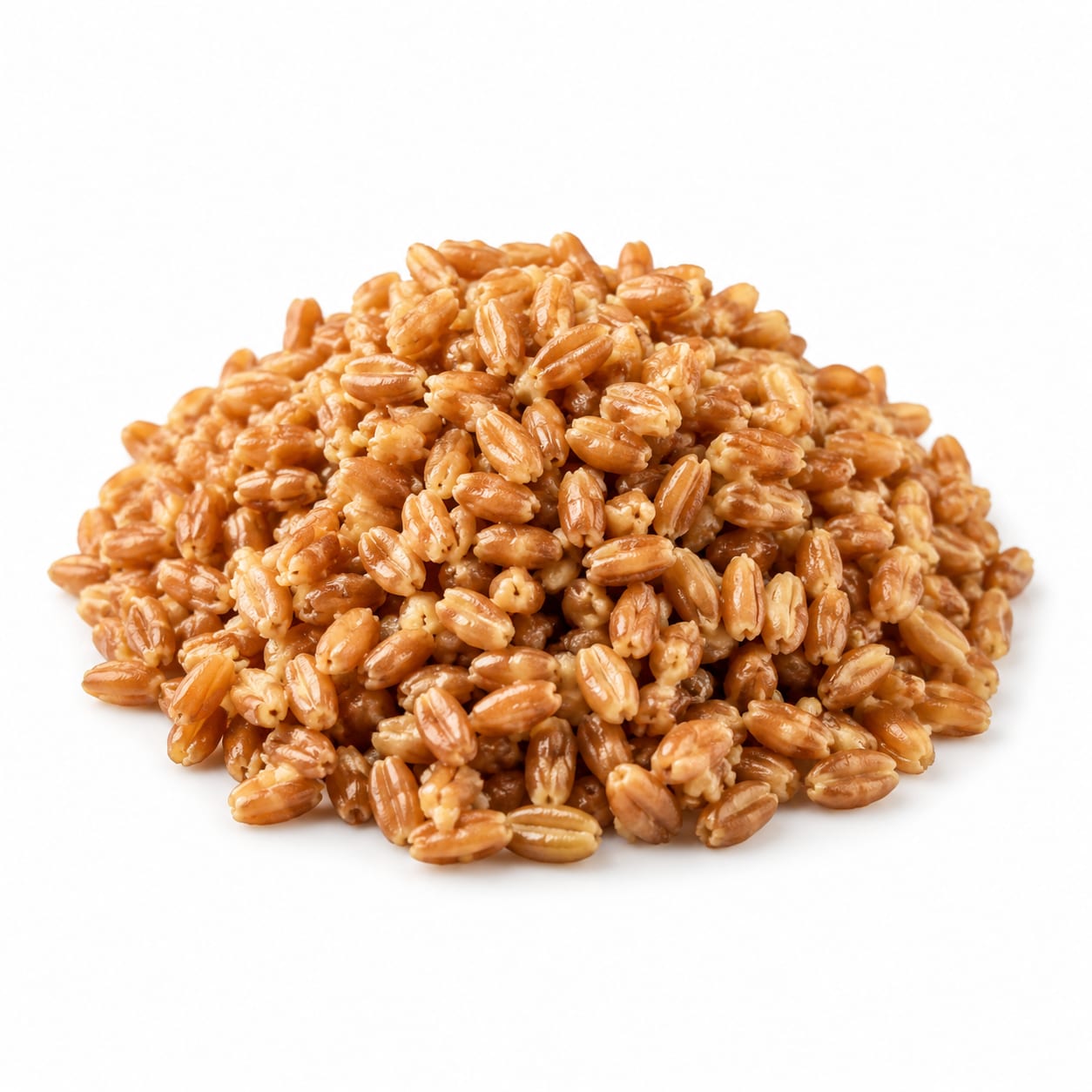
Compare with
Spelt
Spelt and Kamut are nutritionally similar, but Kamut typically has larger kernels and a higher selenium content.
Kamut and spelt are similar ancient wheats, but Kamut is larger, slightly sweeter, and richer in selenium.
This food
Kamut
VS85% alike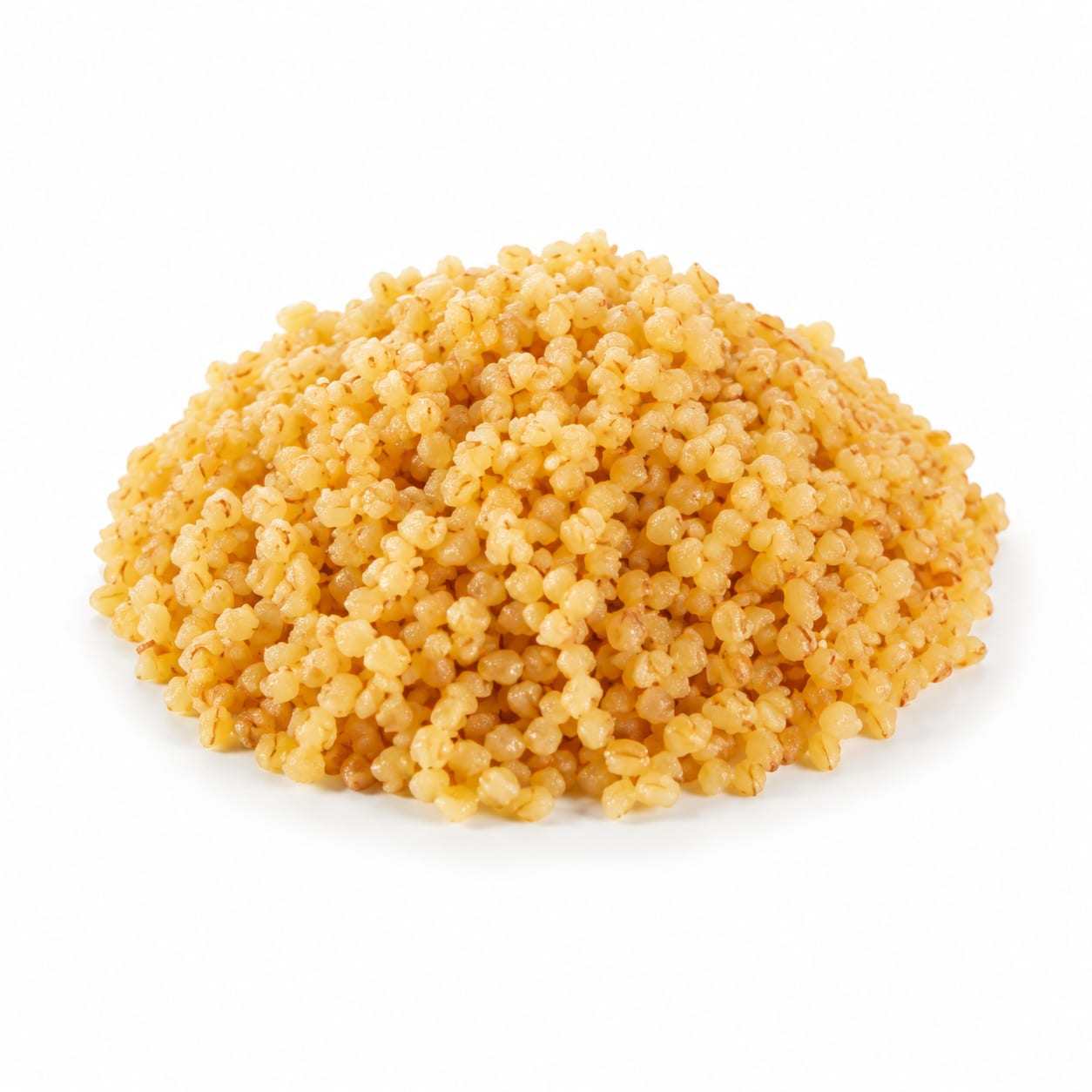
Compare with
Bulgur
Bulgur is pre-cooked and fast to prepare, while Kamut is a raw whole berry requiring longer cooking but offering more protein.
Bulgur cooks in minutes and is lighter, while Kamut takes longer but delivers more protein and a distinctly chewy texture.
This food
Kamut
VS70% alike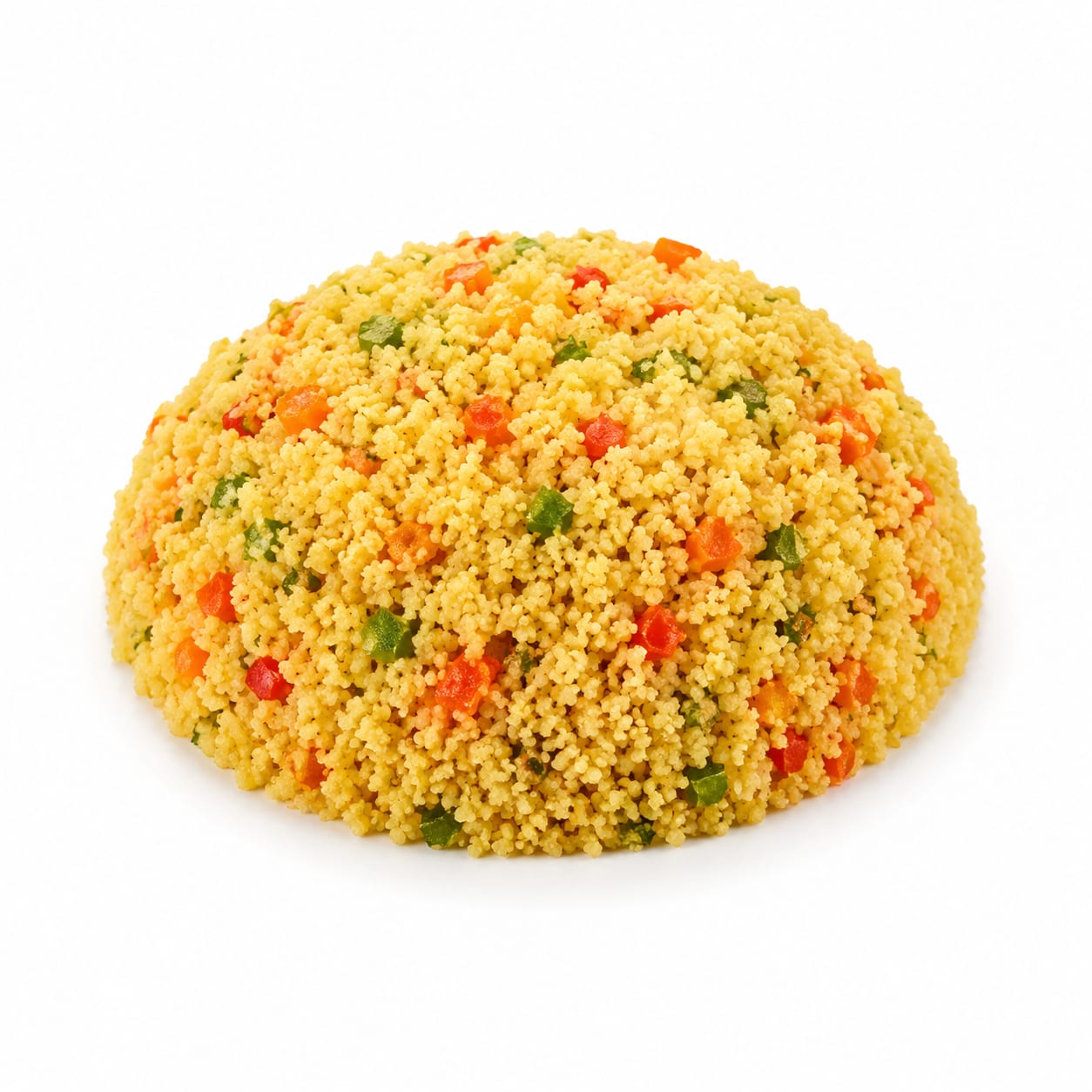
Compare with
Couscous
Couscous is a refined pasta with quick cooking, while Kamut is a whole grain with far more fiber and protein.
Kamut is a whole grain packed with fiber and protein, whereas regular couscous is refined and lacks significant nutritional value.
This food
Kamut
VS98% alike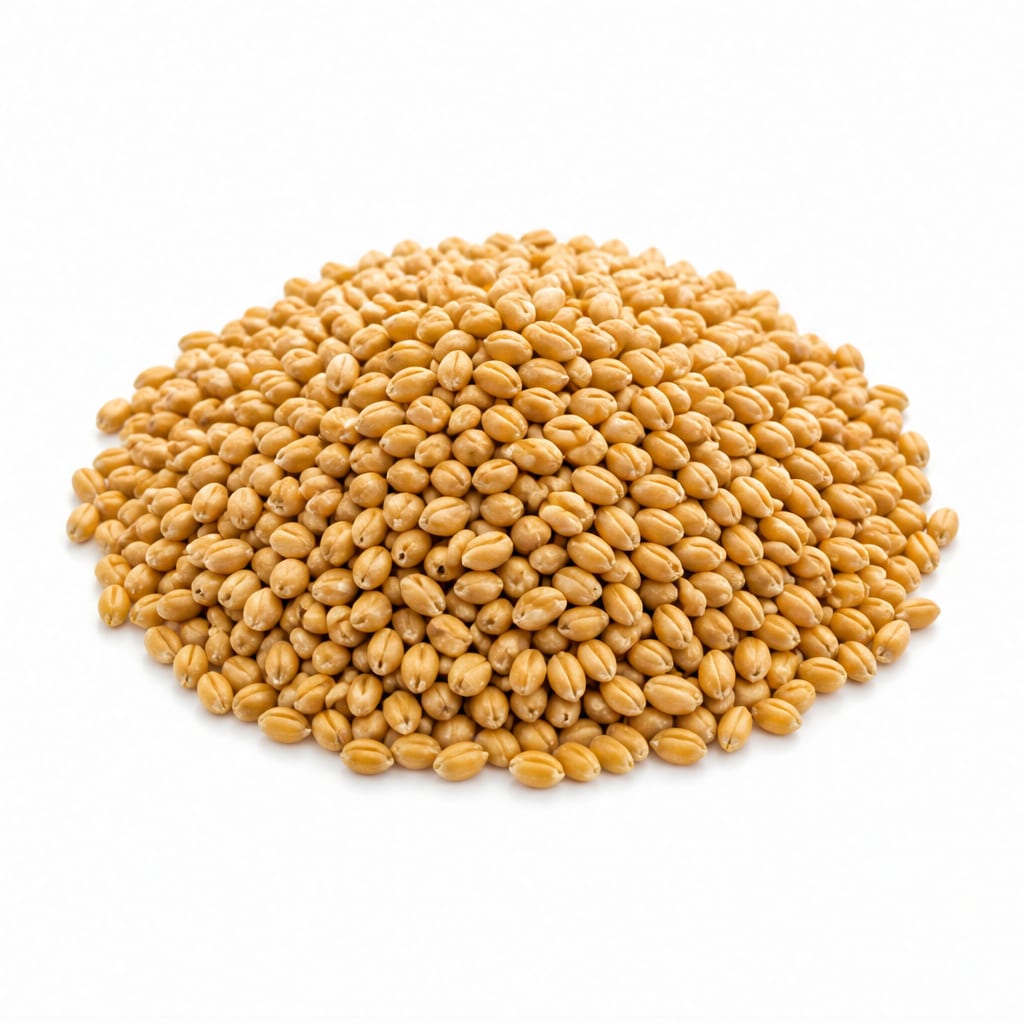
Compare with
Wheat Berries
Kamut is a specific variety of wheat berry known for being larger, sweeter, and more nutrient-dense than modern wheat berries.
Kamut is a type of ancient wheat berry that is larger, sweeter, and higher in protein and selenium than standard modern wheat berries.
This food
Kamut
VS75% alike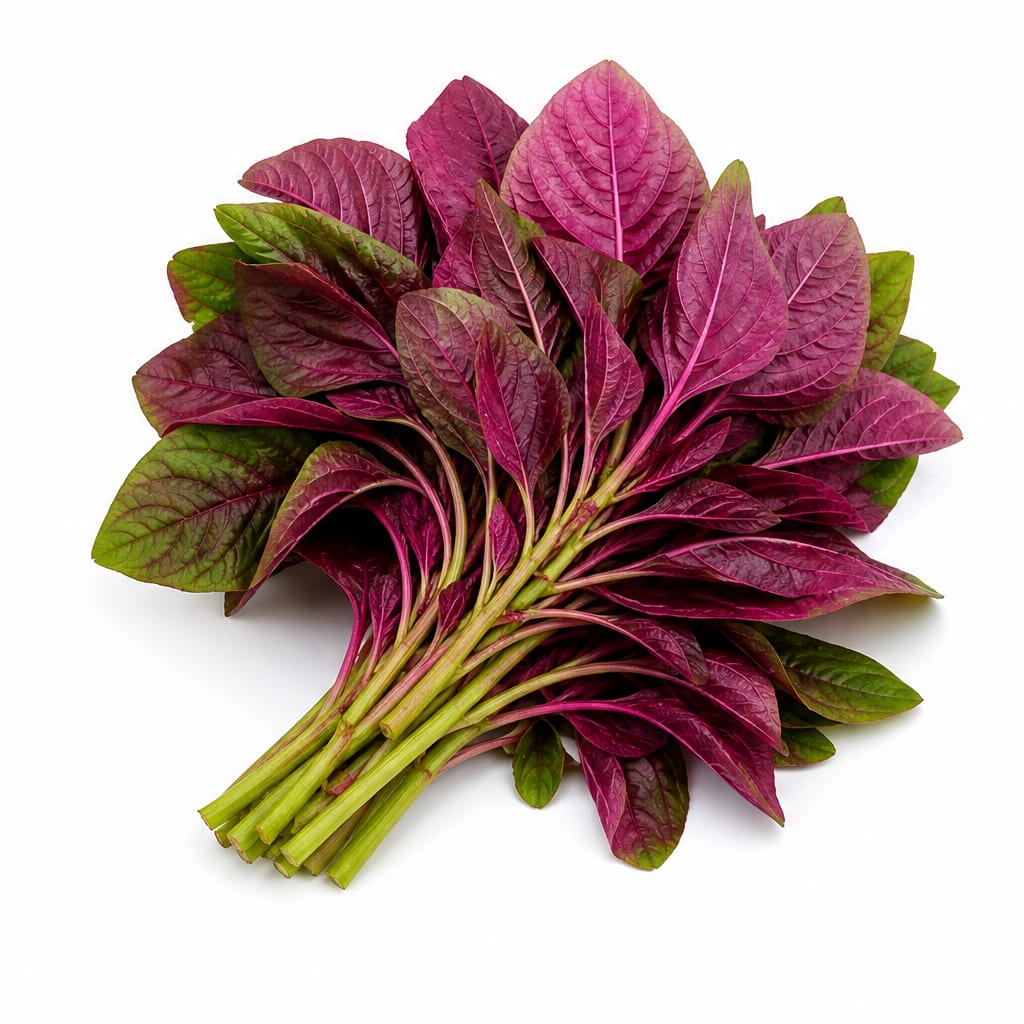
Compare with
Amaranth
Amaranth is a gluten-free pseudo-cereal with complete protein, while Kamut is a true grain with gluten and higher selenium.
Amaranth is gluten-free and offers complete protein, while Kamut provides a chewier texture and more selenium but contains gluten.
Common questions
FAQ
Answers aligned with how people search for this food.
Is Kamut gluten free?
No, Kamut is a species of wheat and contains gluten. It is not safe for individuals with celiac disease or non-celiac gluten sensitivity.
Is Kamut healthier than regular wheat?
Kamut generally offers more protein, fiber, and certain minerals like selenium and zinc compared to modern wheat, making it more nutrient-dense.
Can diabetics eat Kamut?
Yes, in appropriate portions. Kamut has a moderate glycemic index and high fiber, which helps slow down sugar absorption and manage blood glucose levels.
How do you cook Kamut berries?
Soak Kamut berries overnight, then drain and boil them in water or broth for about 30-40 minutes until tender but still chewy.
What is the difference between Kamut and farro?
Both are ancient wheats, but Kamut is a specific brand of Khorasan wheat with larger kernels and a sweeter, buttery flavor, while farro is typically smaller and nuttier.
Does Kamut have more protein than quinoa?
Yes, dry Kamut contains slightly more protein per 100g than quinoa, though quinoa is a complete protein while Kamut is not.
Is Kamut good for weight loss?
Kamut can support weight loss due to its high satiety from protein and fiber, but it is calorie-dense, so portion control is necessary.
Why is Kamut more expensive than regular wheat?
Kamut is grown under strict organic protocols, yields less per acre than modern wheat, and is marketed as a premium ancient grain, all increasing its cost.
Transparency
Data confidence
Estimated confidence for nutrition data, interpretation, safety notes, and comparisons.
Nutrition data
Health analysis
Food safety
Comparisons