
Nutrition comparison
Kamut vs Amaranth: Which Ancient Grain Is Better for You?
Compare Kamut and Amaranth nutrition, protein quality, gluten content, and cooking uses. Find out which ancient grain fits your diet and health goals best.
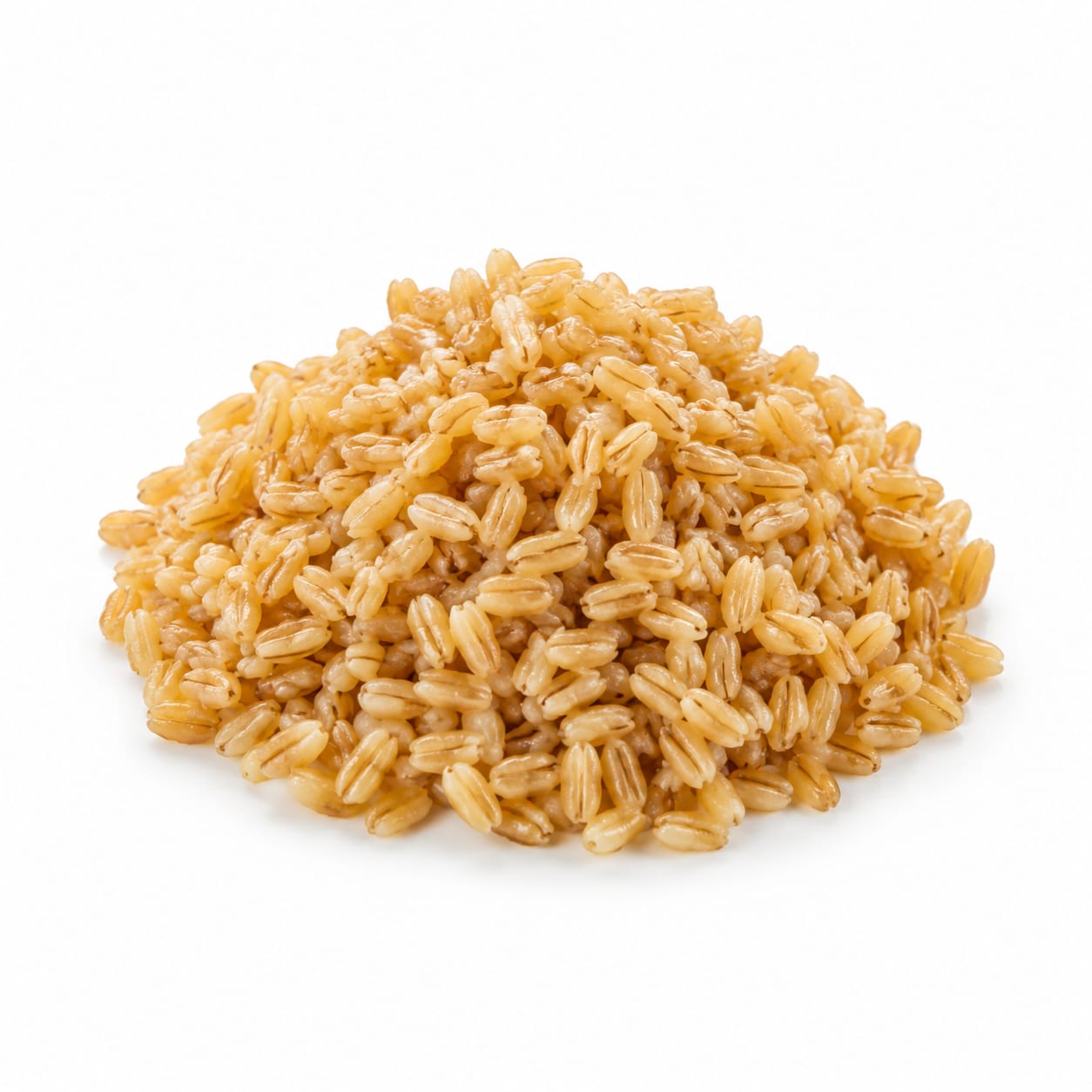
Kamut
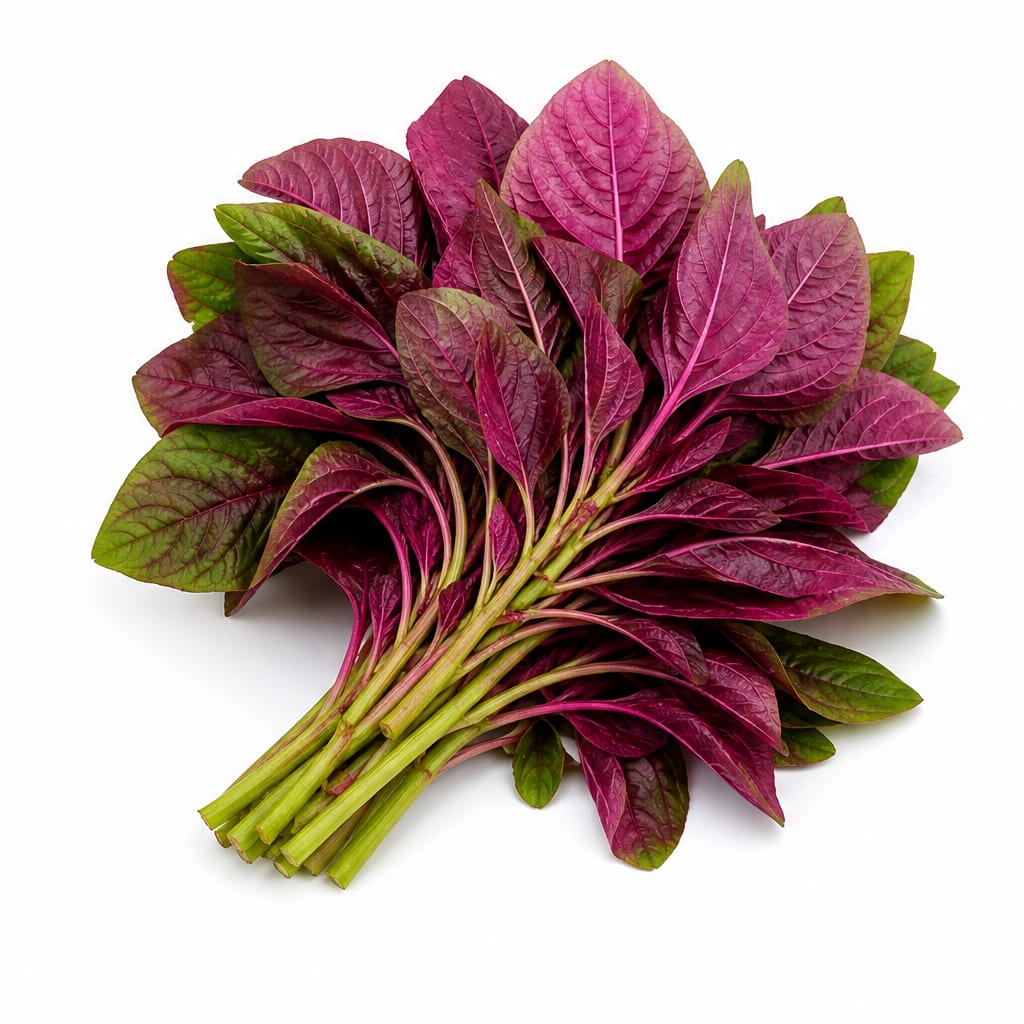
Amaranth
Amaranth wins on protein completeness and gluten-free flexibility, while Kamut delivers a more satisfying chew and steadier energy for those who tolerate gluten.
Amaranth scores higher due to its complete amino acid profile, gluten-free status, and superior iron content. Kamut remains strong for satiety and culinary satisfaction but loses ground on accessibility for gluten-sensitive individuals.
Complete protein and gluten freedom versus richer flavor, better baking performance, and more sustained fullness.
At a glance
Executive summary
Overall
It depends
Healthier
Amaranth
More practical
Kamut
Daily use
It depends
Key comparison lenses
ancient grain nutritional superiority
Both are ancient grains prized for dense nutrition, so users want to know which delivers more per serving
gluten tolerance compatibility
Kamut contains gluten while Amaranth is naturally gluten-free, a decisive factor for many consumers
protein quality for plant based diets
Both are popular among vegetarians seeking complete or near-complete protein sources
blood sugar management
Ancient grain consumers often prioritize steady energy and glycemic control
cooking versatility and meal integration
How easily each grain fits into daily meals affects long-term adoption
Best choice for
Kamut
- Gluten-tolerant bakers wanting hearty breads and pasta
- Those seeking longer-lasting satiety between meals
- Endurance athletes needing slow-release carbohydrates
- People who find gluten-free grains less satisfying
Amaranth
- Anyone with celiac disease or gluten sensitivity
- Vegans needing a complete protein source
- Those managing iron deficiency through diet
- People wanting a quick-cooking porridge grain
Least suitable for
Kamut
- Anyone with celiac disease or non-celiac gluten sensitivity
- People with wheat allergies
- Those following a strict gluten-free diet
Amaranth
- People who dislike earthy or slightly peppery flavors
- Those wanting a grain that holds firm texture in salads
- Anyone sensitive to oxalates
Deep comparison
Dimension by dimension
Each lens scores both foods and breaks down who each option suits.
- Dimension 1 · Priority 95Amaranth
Protein Quality and Completeness
Kamut · 72Amaranth · 91Amaranth provides a complete protein with all nine essential amino acids, while Kamut is missing adequate lysine.
Tradeoff
Kamut offers more total protein per serving by weight, but Amaranth's protein is better balanced for human needs.
Why it matters
Complete proteins matter especially for vegans and vegetarians who cannot easily combine sources at every meal.
Real-world impact
A bowl of Amaranth porridge covers more of your amino acid needs without requiring complementary foods like beans or nuts.
Kamut
- Higher total protein per raw serving when quantity matters more than profile
Better for
- Requires pairing with lysine-rich foods for complete protein
Worse for
Amaranth
- Standalone complete protein requiring no complementary foods
- Better lysine content for tissue repair and immune function
Better for
- Slightly lower total protein per calorie compared to Kamut
Worse for
- Dimension 2 · Priority 90Amaranth
Gluten-Free Suitability
Kamut · 10Amaranth · 100Amaranth is naturally gluten-free, making it safe for celiacs. Kamut contains gluten comparable to modern wheat.
Tradeoff
Kamut's gluten gives it superior baking elasticity and texture, but excludes a significant population from consuming it.
Why it matters
Roughly 6% of the population has gluten-related disorders, and many more choose gluten-free for perceived health benefits.
Real-world impact
Amaranth can be shared at any table without worrying about guests' dietary restrictions. Kamut requires checking first.
Kamut
- Gluten provides structure for bread-making and pasta that gluten-free grains cannot match alone
Better for
- Completely unsuitable for anyone avoiding gluten
Worse for
Amaranth
- Safe for celiacs and gluten-sensitive individuals
- Works in gluten-free flour blends without triggering reactions
Better for
- Requires binders like xanthan gum for baking applications where gluten provides structure
Worse for
- Dimension 3 · Priority 85Amaranth
Mineral Density and Micronutrients
Kamut · 73Amaranth · 86Amaranth delivers significantly more iron, manganese, and phosphorus. Kamut excels in selenium and zinc.
Tradeoff
Amaranth's iron advantage is compelling for women and vegetarians, but Kamut's selenium supports thyroid function more effectively.
Why it matters
Iron deficiency is the most common nutrient deficiency worldwide, giving Amaranth a meaningful real-world edge.
Real-world impact
A single serving of Amaranth provides about 29% of daily iron needs versus roughly 18% from Kamut — a difference that adds up over weeks.
Kamut
- Superior selenium content for thyroid and antioxidant support
- More zinc per serving for immune function
Better for
- Lower iron content limits its usefulness for anemia prevention
Worse for
Amaranth
- Much higher iron content, critical for menstruating women and vegetarians
- More manganese for bone health and metabolism
- Higher phosphorus for cellular energy production
Better for
- Lower selenium means less thyroid support from this single food
Worse for
- Dimension 4 · Priority 80Kamut
Blood Sugar Stability
Kamut · 78Amaranth · 72Kamut has a lower glycemic index and causes more gradual blood sugar rises compared to Amaranth.
Tradeoff
Amaranth still beats most refined grains, but Kamut's denser structure and gluten matrix slow digestion more effectively.
Why it matters
Steadier blood sugar means fewer energy crashes and less craving-driven snacking between meals.
Real-world impact
A Kamut-based breakfast keeps you focused longer before hunger returns, while Amaranth may have you reaching for a snack slightly sooner.
Kamut
- Slower glucose release supports sustained energy
- Better for preventing the mid-morning crash
Better for
- Portion size still matters — large servings will spike blood sugar regardless
Worse for
Amaranth
- Still a low-to-medium GI food compared to white rice or wheat bread
Better for
- Slightly faster digestion can lead to earlier hunger return
Worse for
- Dimension 5 · Priority 78Kamut
Satiety and Fullness
Kamut · 82Amaranth · 70Kamut's chewy texture and gluten protein network create a more physically satisfying eating experience that delays hunger.
Tradeoff
Amaranth's softer, porridge-like consistency is comforting but less filling per calorie consumed.
Why it matters
Foods that keep you full longer make portion control effortless and reduce total daily calorie intake naturally.
Real-world impact
A Kamut grain bowl at lunch can carry you to dinner without snacking. An Amaranth bowl may need nuts or seeds added for similar staying power.
Kamut
- Dense chewy texture signals fullness more effectively
- Gluten protein slows gastric emptying
Better for
- Heavy texture can feel overly filling before exercise
Worse for
Amaranth
- Quick-cooking nature makes it easy to add satiety-boosting mix-ins like nut butter
Better for
- Porridge consistency digests faster, leading to earlier hunger
Worse for
- Dimension 6 · Priority 75Kamut
Cooking Versatility and Convenience
Kamut · 80Amaranth · 74Kamut works beautifully in breads, pasta, salads, and pilafs. Amaranth excels as porridge or popped but has limited structural uses.
Tradeoff
Amaranth cooks faster as porridge, but Kamut integrates into far more recipe types across cuisines.
Why it matters
A grain you can use ten ways gets eaten weekly. A grain with two uses gathers dust in the pantry.
Real-world impact
Kamut flour can replace wheat flour in most recipes with minimal adjustment. Amaranth flour requires blending with other flours for acceptable results.
Kamut
- Works as flour, whole grain, or flaked form across recipes
- Excellent for bread-making due to gluten content
- Holds shape well in cold grain salads
Better for
- Long cooking time for whole berries requires planning ahead
- Soaking recommended to reduce cooking time
Worse for
Amaranth
- Cooks in 20 minutes versus 60+ for whole Kamut berries
- Poppable like miniature popcorn for a fun snack
- Excellent as a creamy breakfast porridge
Better for
- Gummy texture when cooked as a standalone side dish
- Flour produces dense baked goods without blending
Worse for
- Dimension 7 · Priority 70Amaranth
Antioxidant and Anti-Inflammatory Potential
Kamut · 68Amaranth · 79Amaranth contains unique compounds like squalene and betalains that Kamut lacks, giving it stronger antioxidant properties.
Tradeoff
Kamut still offers decent antioxidant capacity from its phenolic content, but Amaranth's profile is more diverse and potent.
Why it matters
Chronic inflammation underlies most lifestyle diseases, and dietary antioxidants are a practical daily defense.
Real-world impact
Regular Amaranth consumption contributes more meaningfully to your body's antioxidant reserves over months and years.
Kamut
- Higher selenium contributes antioxidant enzyme production
- Phenolic compounds still provide meaningful protection
Better for
- Less diverse antioxidant profile compared to Amaranth
Worse for
Amaranth
- Squalene supports skin health and has anti-cancer properties
- Betalain pigments offer unique anti-inflammatory action
- Higher total antioxidant capacity in standardized tests
Better for
- Lower selenium means one less pathway for antioxidant enzyme activity
Worse for
Timeline
Health impact over time
Short-term
Hours to days
Kamut
- Provides sustained energy with minimal blood sugar spikes
- Creates a pleasantly full sensation that discourages overeating
- May cause bloating in gluten-sensitive individuals even without celiac disease
Amaranth
- Delivers quick-access iron that can help with afternoon fatigue
- Comforting porridge texture is soothing for upset stomachs
- Gummy residue when overcooked can feel heavy or unappealing
Long-term
Months to years
Kamut
- Consistent intake supports thyroid health through reliable selenium
- Gluten exposure may trigger inflammatory responses in susceptible people over years
- Ferulic acid content may contribute to cardiovascular protection
Amaranth
- Regular consumption improves iron status, especially important for menstruating women
- Squalene intake may support skin integrity and cellular defense over decades
- Phytate content may reduce mineral absorption if consumed without variety
Risk profile
Safety & processing
Both Kamut and Amaranth are typically sold as whole grains with minimal processing. Neither commonly contains artificial additives when purchased as whole grain or flour. Both retain their bran and germ, preserving natural nutrition.
Kamut
Gluten-related immune reactions
highKamut contains gluten proteins that trigger autoimmune responses in celiacs and inflammatory responses in gluten-sensitive individuals. Not safe for this population under any circumstances.
Cross-contamination in processing facilities
lowAs a specialty grain, Kamut may share processing equipment with other grains, but this is a minor concern for most consumers.
Amaranth
Oxalate content
mediumAmaranth contains moderate oxalates that may contribute to kidney stone formation in susceptible individuals, particularly when consumed in large quantities regularly.
Phytate interference with mineral absorption
lowPhytates can bind iron, zinc, and calcium, reducing their absorption. Soaking or cooking reduces this effect significantly.
Who wins for whom
Audience fit
Same foods, different winners depending on your goal.
children
AmaranthAmaranth's complete protein and higher iron content support growing bodies, and its porridge texture is more appealing to young palates. The gluten-free nature also avoids potential sensitivity issues.
daily consumption
It dependsGluten-tolerant individuals may prefer Kamut for satisfaction and versatility. Anyone with gluten concerns should choose Amaranth without hesitation. Both are excellent daily grains within their appropriate contexts.
diabetes
KamutKamut's lower glycemic index and slower glucose release provide more stable blood sugar, reducing insulin demand over the day.
elderly
AmaranthAmaranth's softer cooked texture is easier to chew and digest, and its iron content helps counter age-related anemia. Gluten-free nature reduces digestive discomfort risk.
muscle gain
AmaranthAmaranth's complete amino acid profile better supports muscle repair and growth, especially for plant-based athletes who cannot easily combine protein sources.
weight loss
KamutKamut's superior satiety keeps hunger at bay longer, naturally reducing total calorie intake without conscious restriction.
Your move
Decision guide
Choose Kamut
- You tolerate gluten and want the most satisfying grain experience
- Bread-making and pasta are non-negotiable in your kitchen
- Steady energy and long-lasting fullness are your top priorities
- You enjoy chewy, substantial textures in grain bowls and salads
Choose Amaranth
- You have celiac disease, gluten sensitivity, or cook for someone who does
- Complete protein from a single source matters for your plant-based diet
- You need more iron in your diet, especially as a menstruating woman
- You want a quick-cooking breakfast porridge with exceptional nutrition
Either works if
- You are simply looking to diversify whole grains beyond rice and oats
- Both fit your budget and are available at your local store
- You want to rotate between them for broader nutrient coverage
Avoid both if
- You have a grain-free dietary protocol for autoimmune conditions
- You cannot tolerate either gluten or oxalates
- Your diet restricts all carbohydrate-dense foods
Final recommendation
Keep both in your pantry if possible. Use Kamut when you want a hearty, satisfying grain that holds its shape and keeps you full. Use Amaranth when you need gluten-free cooking, a complete protein source, or a quick nourishing porridge. If you must choose one, Amaranth's gluten-free versatility and complete protein give it the edge for most people — but gluten-tolerant eaters who prioritize satisfaction and cooking flexibility will likely reach for Kamut more often.
Practical
Consumer tips
- 1
Soak Kamut berries overnight to reduce cooking time from 60+ minutes to about 30 minutes
- 2
Toast Amaranth in a dry pan before cooking to reduce its earthy flavor if you find it too strong
- 3
Pop Amaranth like miniature popcorn in a hot uncovered pan for a crunchy topping on salads and soups
- 4
Blend Amaranth flour with Kamut flour at a 30/70 ratio for baked goods with improved nutrition and still-good texture
- 5
Add a splash of lemon juice when cooking Amaranth to improve iron absorption by converting it to a more bioavailable form
- 6
Use Kamut in place of barley in soups for a similar chewy texture with more protein
- 7
Rinse Amaranth before cooking to remove the natural bitter coating on the tiny seeds