
Nutrition comparison
Kamut vs Oats: Which Ancient Grain Is Healthier for Daily Use?
Compare Kamut and Oats nutrition, protein, fiber, and health benefits. Discover which grain is better for heart health, weight loss, and daily breakfast.
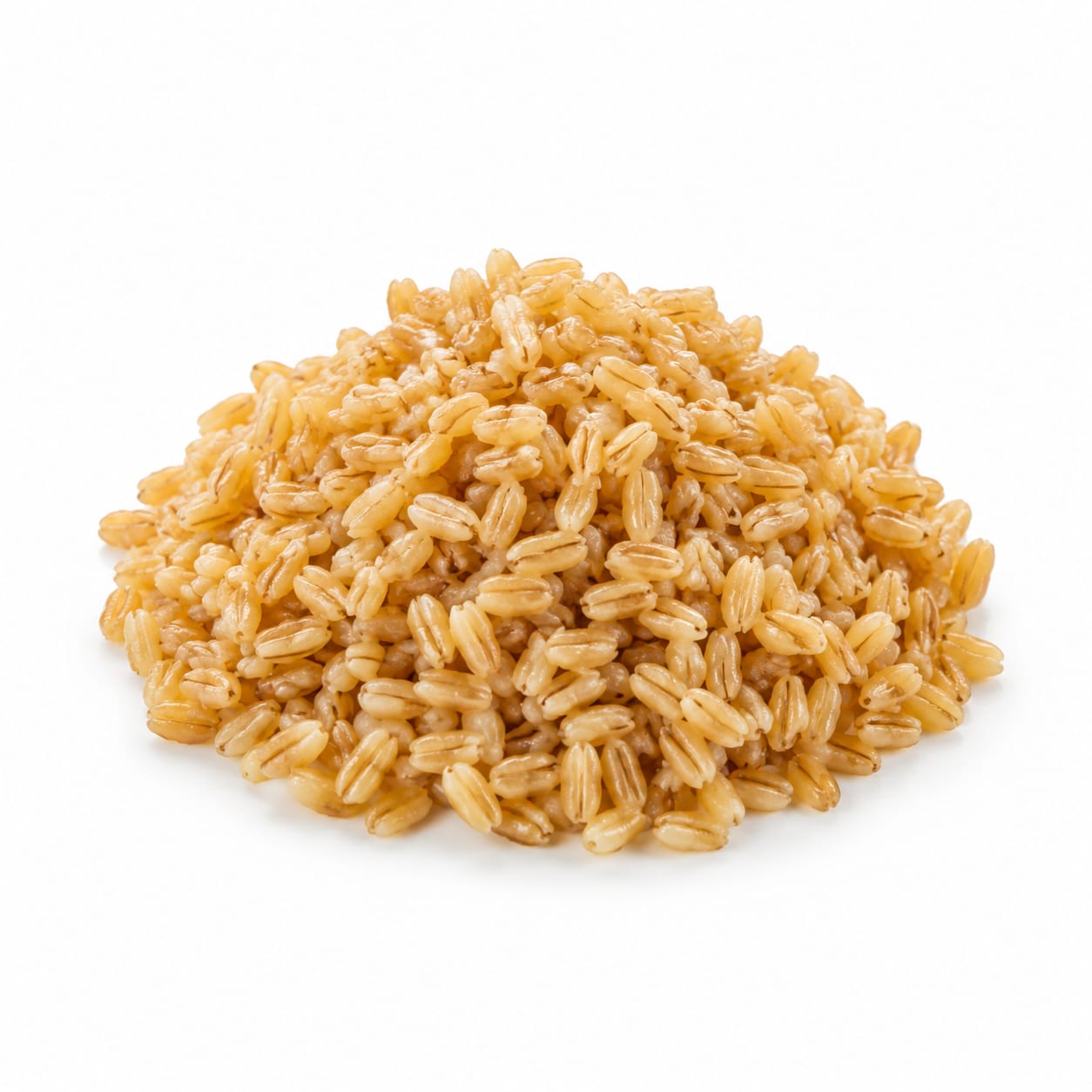
Kamut
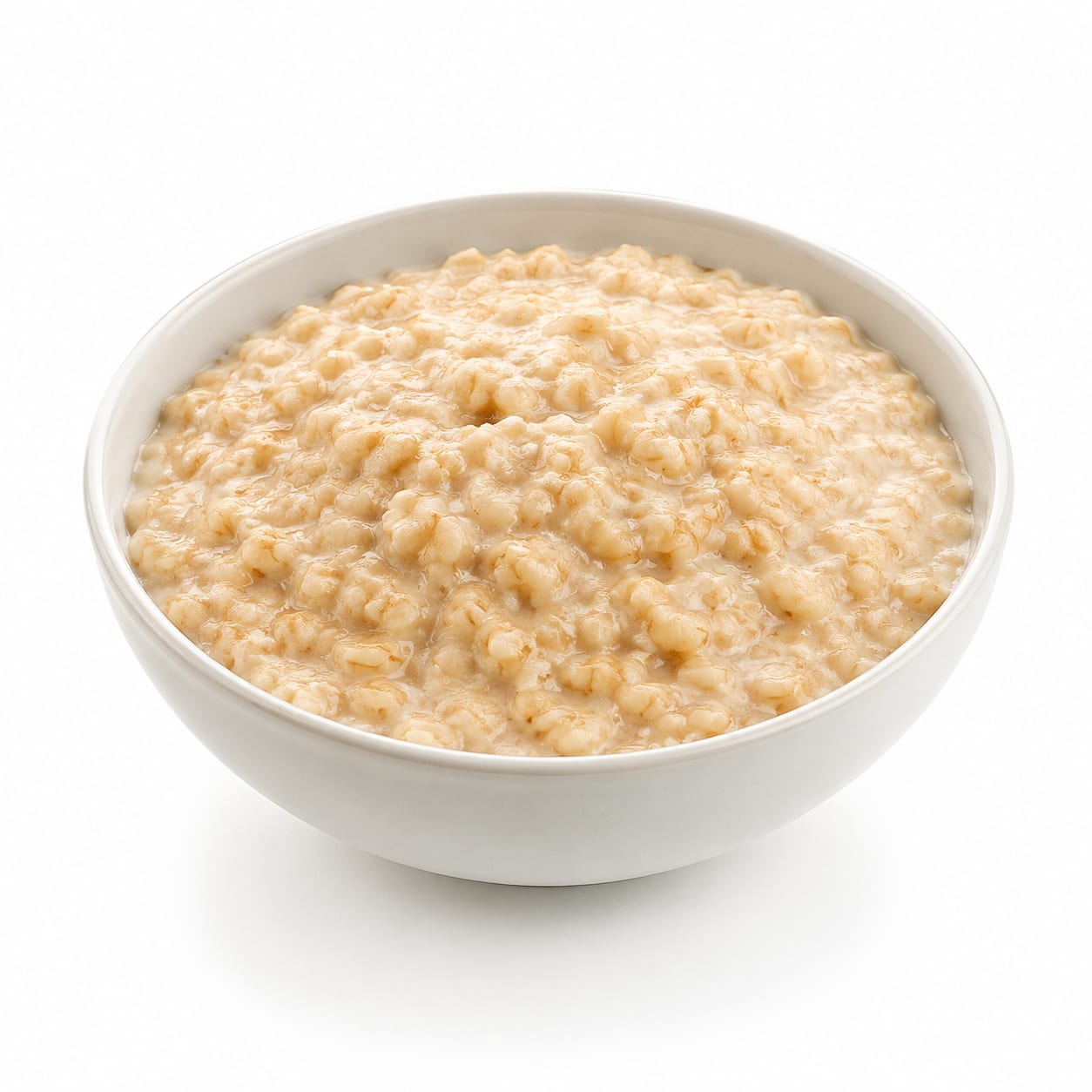
Oats
Oats win on heart health, convenience, and daily practicality. Kamut wins on protein, certain minerals, and antioxidant diversity. Most people should default to oats but rotate in Kamut for variety.
Oats score higher overall due to superior fiber benefits for heart health, broader accessibility, lower cost, and gluten-free suitability. Kamut earns strong marks for protein and mineral density but loses ground on convenience, allergen concerns, and price.
Oats deliver proven cardiovascular benefits and everyday ease at low cost, while Kamut offers superior protein and a richer mineral profile but demands more effort and money.
At a glance
Executive summary
Overall
It depends
Healthier
It depends
More practical
Oats
Daily use
Oats
Key comparison lenses
ancient grain vs staple grain nutritional superiority
Users comparing these two are usually deciding whether the premium ancient grain offers meaningful advantages over the affordable everyday staple
gluten tolerance and digestive sensitivity
Kamut contains gluten while oats are naturally gluten-free, making this a critical decision factor for many consumers
heart health and cholesterol management
Oats are renowned for beta-glucan fiber and cholesterol reduction, a key reason people choose them over other grains
practicality and everyday sustainability
Oats are cheaper, faster to cook, and available everywhere, while Kamut requires specialty stores and longer prep times
protein quality and satiety for active lifestyles
Kamut offers notably more protein per serving, appealing to athletes and those managing hunger
Best choice for
Kamut
- Athletes needing higher plant protein intake
- People seeking mineral-dense ancient grains for variety
- Those wanting selenium and zinc boosts
- Home cooks making grain bowls or pilafs
- Anyone avoiding monotony in their whole grain rotation
Oats
- People managing cholesterol or heart disease risk
- Anyone seeking steady blood sugar and lasting fullness
- Gluten-sensitive individuals seeking safe grains
- Busy people needing quick breakfasts
- Budget-conscious families eating whole grains daily
Least suitable for
Kamut
- Anyone with celiac disease or gluten intolerance
- People needing quick meal prep on busy mornings
- Shoppers on tight grocery budgets
- Those unfamiliar with cooking whole grains from scratch
Oats
- People with oat sensitivity or avenin reactivity
- Those strictly limiting carbohydrates
- Anyone bored with routine breakfast options
Deep comparison
Dimension by dimension
Each lens scores both foods and breaks down who each option suits.
- Dimension 1 · Priority 95Oats
Heart Health and Cholesterol Impact
Kamut · 68Oats · 94Oats are among the best-studied foods for lowering LDL cholesterol, thanks to beta-glucan soluble fiber. Kamut supports heart health indirectly through antioxidants and minerals but lacks the same clinical evidence.
Tradeoff
Choosing Kamut means missing the proven cholesterol-lowering power of daily oat beta-glucan, which has decades of research behind it.
Why it matters
Heart disease remains the leading cause of death globally, and dietary fiber is one of the most impactful modifiable factors.
Real-world impact
A bowl of oatmeal daily can reduce LDL cholesterol by 5-10% over several weeks. Kamut cannot match this specific benefit.
Kamut
- Providing selenium which supports antioxidant enzyme function
- Offering diverse polyphenols that complement heart-protective diets
Better for
- Lacks the specific soluble fiber clinically proven to reduce cholesterol
- Gluten may contribute to inflammation in sensitive individuals
Worse for
Oats
- Actively lowering LDL cholesterol through beta-glucan
- Improving arterial flexibility with regular consumption
- Reducing post-meal blood lipid spikes
Better for
- Lower total antioxidant diversity compared to ancient grains
Worse for
- Dimension 2 · Priority 88Kamut
Protein Content and Quality
Kamut · 86Oats · 70Kamut delivers roughly 40% more protein per serving than oats, making it the better choice for muscle maintenance and satiety from protein alone.
Tradeoff
You gain more protein with Kamut but lose the convenience and fiber benefits that make oats easier to eat consistently.
Why it matters
Higher protein intake supports muscle retention, metabolic health, and longer-lasting fullness between meals.
Real-world impact
A serving of Kamut provides about 10-11g of protein versus 6-7g in oats, a meaningful difference over the course of a day.
Kamut
- Supporting muscle maintenance with higher per-serving protein
- Keeping you fuller longer through greater protein density
- Reducing the need for protein supplementation at breakfast
Better for
- Gluten-containing protein may irritate sensitive digestive systems
Worse for
Oats
- Pairing easily with protein-rich toppings like Greek yogurt or nuts
- Providing a more complete amino acid profile when combined with milk
Better for
- Lower protein means you need larger portions or add-ons to match Kamut
Worse for
- Dimension 3 · Priority 85Oats
Blood Sugar Stability
Kamut · 72Oats · 84Oats, especially steel-cut or rolled, provide steadier blood sugar control thanks to their viscous soluble fiber. Kamut is moderate but less predictable glycemic-wise depending on form.
Tradeoff
Kamut's higher protein helps stabilize blood sugar somewhat, but oats' soluble fiber creates a more reliable slowing of glucose absorption.
Why it matters
Steady blood sugar prevents energy crashes, cravings, and long-term metabolic damage.
Real-world impact
Oatmeal breakfasts typically produce gentler glucose curves, meaning fewer mid-morning energy dips and less temptation to snack.
Kamut
- Higher protein content partially offsets glycemic impact
- Whole Kamut berries have a lower glycemic index than flour forms
Better for
- Kamut flour and flaked products can spike blood sugar faster than whole berries
- Less soluble fiber means less natural glucose buffering
Worse for
Oats
- Beta-glucan forms a gel that slows carbohydrate absorption
- Steel-cut oats provide especially stable, slow-releasing energy
- Proven to reduce glycemic response in clinical studies
Better for
- Instant oats can spike blood sugar nearly as much as white bread
Worse for
- Dimension 4 · Priority 82Kamut
Mineral and Micronutrient Density
Kamut · 87Oats · 76Kamut outshines oats in selenium, zinc, and certain B vitamins, offering a richer micronutrient profile per calorie.
Tradeoff
You get more minerals from Kamut, but oats provide more manganese and iron, so neither is universally superior.
Why it matters
Trace mineral deficiencies are common and affect immunity, energy, and thyroid function.
Real-world impact
Regular Kamut consumption can meaningfully boost selenium intake, which supports thyroid function and antioxidant defenses.
Kamut
- Delivering significantly more selenium per serving
- Providing more zinc for immune support
- Offering higher levels of certain B vitamins
Better for
- Lower manganese content compared to oats
Worse for
Oats
- Supplying more manganese for bone and metabolic health
- Providing slightly more iron per serving
- Delivering consistent thiamin content
Better for
- Less selenium and zinc, two minerals many people under-consume
Worse for
- Dimension 5 · Priority 80Oats
Convenience and Practicality
Kamut · 45Oats · 92Oats are one of the easiest whole grains to prepare and find anywhere. Kamut requires specialty shopping, longer cooking, and more planning.
Tradeoff
Kamut rewards effort with unique flavor and nutrition, but most people will not sustain the extra work daily.
Why it matters
The healthiest food is the one you actually eat consistently. Convenience drives consistency.
Real-world impact
Rolled oats cook in 5 minutes and are available at any grocery store. Whole Kamut berries need 60+ minutes of simmering and a trip to a health food store.
Kamut
- Pre-cooked Kamut flakes offer a faster option if you can find them
- Batch-cooking Kamut berries on weekends solves the time issue
Better for
- Hard to find in conventional grocery stores
- Long cooking times discourage daily use
- Higher price per serving limits accessibility
Worse for
Oats
- Ready in minutes with no soaking required
- Available in every supermarket in multiple forms
- Cheap enough to eat daily without budget strain
- Easy to customize with endless topping combinations
Better for
- Can feel monotonous if eaten every single day without variation
Worse for
- Dimension 6 · Priority 90Oats
Digestive Tolerance and Allergen Safety
Kamut · 50Oats · 85Oats are naturally gluten-free and gentle on most digestive systems. Kamut contains gluten and is unsuitable for anyone with celiac disease or significant gluten sensitivity.
Tradeoff
Some people with mild wheat sensitivity report tolerating Kamut better than modern wheat, but this is not safe for celiac individuals.
Why it matters
Gluten-related disorders affect millions, and accidental exposure causes real harm to sensitive individuals.
Real-world impact
If you have celiac disease, Kamut is off the table entirely. Certified gluten-free oats remain a safe, nourishing option.
Kamut
- Some with non-celiac wheat sensitivity tolerate Kamut better than modern wheat varieties
- Less modified gluten structure may be gentler for certain individuals
Better for
- Contains gluten and is absolutely unsafe for celiac disease
- May trigger symptoms in anyone with wheat allergy or gluten intolerance
Worse for
Oats
- Safe for celiac and gluten-sensitive individuals when certified gluten-free
- Gentle soluble fiber soothes rather than irritates the digestive tract
- Widely recommended in elimination diets and gut-healing protocols
Better for
- Cross-contamination with wheat is common unless certified gluten-free
- A small minority react to avenin, the oat protein similar to gluten
Worse for
- Dimension 7 · Priority 75Kamut
Antioxidant and Anti-inflammatory Potential
Kamut · 82Oats · 73Kamut contains a broader range of polyphenols and flavonoids linked to anti-inflammatory effects. Oats provide avenanthramides, unique antioxidants with their own benefits.
Tradeoff
Kamut offers more antioxidant diversity, but oats deliver unique compounds specifically linked to reduced inflammation in arteries.
Why it matters
Chronic inflammation drives aging and disease, and dietary antioxidants are a frontline defense.
Real-world impact
Kamut's wider polyphenol spectrum may offer broader cellular protection, while oat avenanthramides specifically help calm arterial inflammation.
Kamut
- Higher total polyphenol content per serving
- Greater diversity of antioxidant compounds
- Shown in studies to reduce inflammatory markers more than modern wheat
Better for
- Gluten can be pro-inflammatory for sensitive individuals, partially offsetting antioxidant benefits
Worse for
Oats
- Avenanthramides are unique to oats and have specific anti-inflammatory properties
- Synergistic antioxidant effects when combined with fruit toppings
Better for
- Lower overall antioxidant diversity compared to ancient grain varieties
Worse for
Timeline
Health impact over time
Short-term
Hours to days
Kamut
- Higher protein content provides stronger immediate satiety
- Longer digestion time from chewy whole berries sustains energy
- Gluten exposure may cause bloating or discomfort in sensitive individuals
- Rich, nutty flavor feels more like a hearty meal than a light breakfast
Oats
- Beta-glucan creates a gentle, filling gel in the stomach that curbs hunger for hours
- Steadier energy without crashes when eating steel-cut or rolled varieties
- Very easy on the digestive tract for most people
- Warm, comforting texture promotes a calming breakfast experience
Long-term
Months to years
Kamut
- Regular selenium intake supports thyroid and immune function over decades
- Higher protein contributes to better muscle preservation with aging
- Gluten exposure remains a concern if tolerance changes over time
- Diverse polyphenol intake may reduce oxidative damage cumulatively
Oats
- Consistent beta-glucan intake meaningfully reduces cardiovascular disease risk
- Daily soluble fiber supports healthy gut microbiome diversity
- Long-term cholesterol reduction is among the best-documented dietary effects
- Habitual consumption correlates with lower type 2 diabetes risk
Risk profile
Safety & processing
Both Kamut and oats are whole grains with minimal processing in their basic forms. Steel-cut oats and whole Kamut berries are the least processed versions of each. Instant oat packets with added sugars and flavors are the exception and significantly reduce the health profile.
Kamut
Gluten exposure for celiac and sensitive individuals
highKamut is a wheat relative and contains gluten. Even trace amounts can trigger autoimmune damage in celiac patients.
Cross-contamination in shared processing facilities
mediumKamut is often processed alongside modern wheat, so purity cannot be guaranteed without specialty sourcing.
Oats
Gluten cross-contamination from farming and processing
mediumOats are naturally gluten-free but frequently grown and processed near wheat. Only certified gluten-free oats are safe for celiac individuals.
Avenin sensitivity in rare cases
lowA small percentage of celiac patients also react to avenin, a protein in oats similar to gluten. Most tolerate certified gluten-free oats well.
Who wins for whom
Audience fit
Same foods, different winners depending on your goal.
children
OatsOatmeal is a familiar, easy-to-eat breakfast that most children accept readily. Kamut's chewier texture and less familiar taste make it a harder sell to picky eaters.
daily consumption
OatsOats are affordable, quick to prepare, widely available, and gentle enough for daily use by nearly everyone. Kamut works better as a rotational grain a few times per week rather than a daily staple.
diabetes
OatsOats have stronger clinical evidence for improving insulin sensitivity and glycemic control. Beta-glucan specifically slows glucose absorption in a well-documented way that Kamut cannot match.
elderly
OatsOats are softer, easier to chew and digest, and provide the cardiovascular benefits most critical for aging populations. Kamut's tougher texture can be challenging for those with dental or digestive issues.
muscle gain
KamutKamut's higher protein content per serving gives it an edge for muscle maintenance, though both grains should be paired with additional protein sources for serious muscle-building goals.
weight loss
OatsOats provide more soluble fiber per calorie, creating stronger satiety with fewer calories. The beta-glucan gel physically fills the stomach and delays hunger signals more effectively than Kamut's protein-driven fullness.
Your move
Decision guide
Choose Kamut
- You want more protein from your grains and tolerate gluten well
- You are looking for mineral diversity, especially selenium and zinc
- You enjoy cooking and want a unique, nutty grain for bowls and salads
- You eat oats already and want to rotate in variety for broader nutrient coverage
- You have access to a health food store and do not mind the higher price
Choose Oats
- You want the most heart-protective grain for daily breakfast
- You are gluten-sensitive or cooking for someone who is
- You need a quick, affordable, family-friendly morning meal
- You are managing cholesterol, blood sugar, or weight
- You value consistency and convenience over novelty
Either works if
- You tolerate gluten and want whole grain variety in your diet
- You are generally healthy and just need more whole grain intake
- You enjoy rotating foods to prevent dietary boredom
Avoid both if
- You are strictly limiting carbohydrates for a ketogenic diet
- You have a severe grain allergy beyond gluten
- You cannot tolerate fiber increases without significant digestive distress
Final recommendation
Make oats your daily default for their proven heart benefits, affordability, and ease. Add Kamut once or twice a week as a rotational grain to boost protein, selenium, and antioxidant diversity. This combination gives you the best of both worlds without sacrificing convenience or nutrition.
Practical
Consumer tips
- 1
Choose steel-cut or rolled oats over instant packets to avoid added sugars and get the full fiber benefit
- 2
Look for certified gluten-free oats if you have any gluten sensitivity or celiac disease
- 3
Batch-cook Kamut berries on weekends and refrigerate portions for quick use throughout the week
- 4
Soak Kamut berries overnight to reduce cooking time from 60 minutes to about 30 minutes
- 5
Pair oats with healthy fats and protein like nuts, seeds, or Greek yogurt to balance the meal
- 6
Try Kamut flakes as a middle ground if you want Kamut nutrition with faster prep time
- 7
Avoid flavored instant oat packets which can contain 12+ grams of added sugar per serving
- 8
Store both grains in airtight containers in a cool, dark place to preserve oils and prevent rancidity