
Nutrition comparison
Kamut vs Brown Rice: Nutrition, Protein, Gluten & Arsenic Comparison
Kamut delivers more protein, selenium, and zinc than brown rice, but contains gluten and costs more. Brown rice is gluten-free and affordable but carries arsenic risk with daily use. See which grain fits your diet.
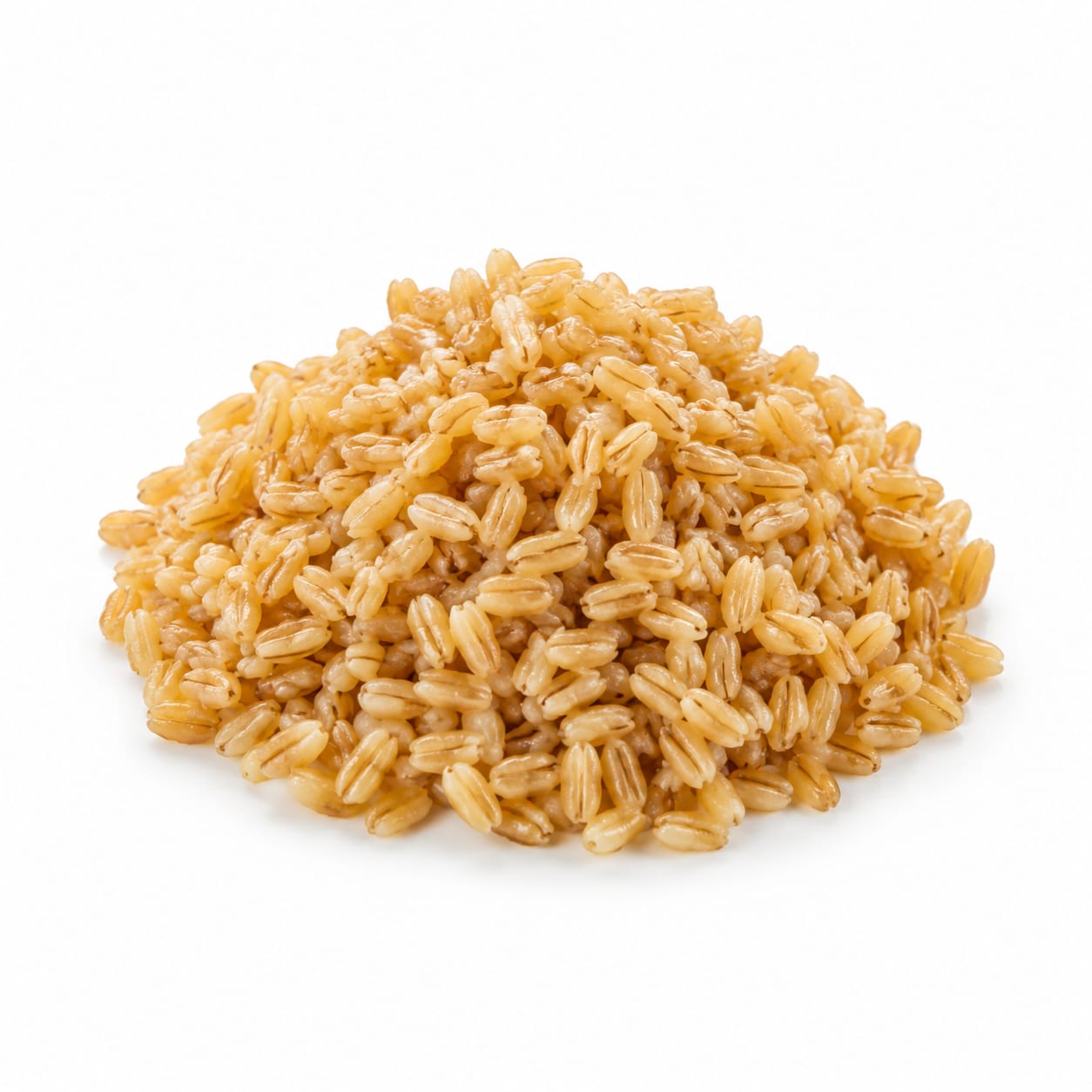
Kamut
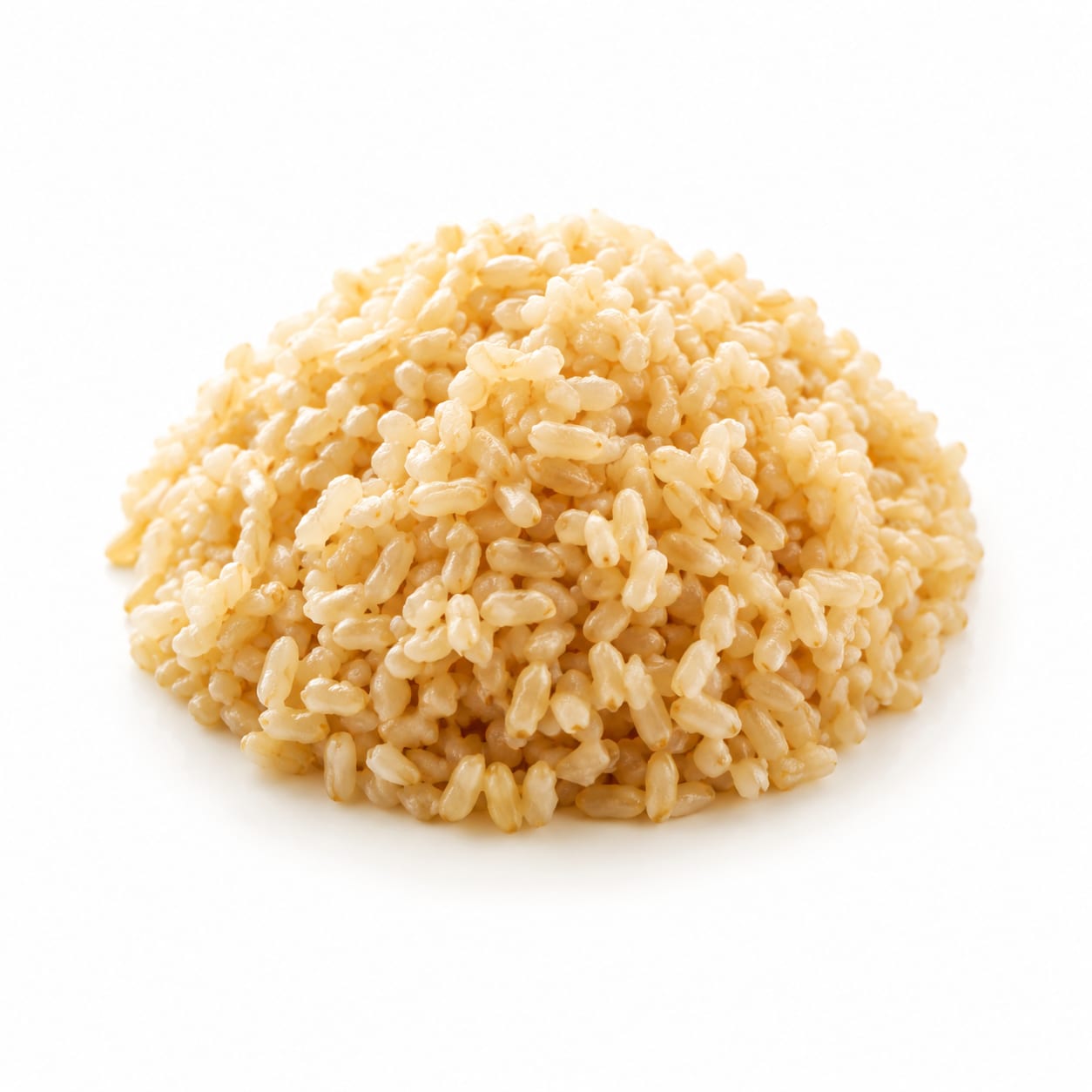
Brown Rice
Kamut wins on protein, minerals, and antioxidant content, while brown rice wins on gluten-free compatibility, affordability, and availability. The right choice depends on your dietary constraints and budget.
Kamut scores higher due to superior protein, mineral content, and antioxidant capacity, but loses points for gluten content and poor accessibility. Brown rice scores lower nutritionally but gains points for universal tolerance and affordability. The gap is moderate because brown rice remains a solid whole-grain choice despite being less nutrient-dense.
Kamut delivers superior nutrition per serving but costs more and contains gluten; brown rice is universally accessible and safe for celiacs but nutritionally thinner and carries arsenic risk with heavy consumption.
At a glance
Executive summary
Overall
It depends
Healthier
Kamut
More practical
Brown Rice
Daily use
It depends
Key comparison lenses
ancient grain vs staple grain nutritional value
Users comparing these two are usually deciding between a premium ancient grain and an affordable staple, wanting to know if Kamut is worth the extra cost and effort
gluten tolerance and digestive compatibility
Kamut contains gluten while brown rice is naturally gluten-free, making this a critical deciding factor for many users
protein and nutrient density for plant based diets
Both are common in plant-based eating, where protein quality and mineral intake matter more
blood sugar management
Both are whole grains with moderate glycemic impact, but differences in fiber and protein affect glucose response
arsenic and contamination safety
Brown rice carries well-documented arsenic concerns that Kamut does not, which matters for frequent consumers
Best choice for
Kamut
- Active individuals needing more plant protein
- People seeking higher selenium and zinc intake
- Those wanting more satiety from their grain servings
- Anyone bored with standard grains wanting richer flavor
Brown Rice
- Anyone with celiac disease or gluten sensitivity
- Budget-conscious households needing affordable whole grains
- People cooking for mixed dietary groups with unknown allergies
- Those who eat rice daily and want a whole-grain upgrade from white rice
Least suitable for
Kamut
- Anyone with celiac disease or wheat allergy
- People with non-celiac gluten sensitivity
- Those on a tight grocery budget
- Households where only one person will eat it due to limited availability
Brown Rice
- People concerned about arsenic exposure from daily rice consumption
- Those needing higher protein intake from grains
- Individuals seeking peak micronutrient density per calorie
Deep comparison
Dimension by dimension
Each lens scores both foods and breaks down who each option suits.
- Dimension 1 · Priority 92Kamut
protein_content_and_quality
Kamut · 85Brown Rice · 55Kamut delivers roughly 40% more protein per serving than brown rice, with a better amino acid profile including higher lysine.
Tradeoff
You gain meaningful protein from Kamut, but must tolerate gluten to access it.
Why it matters
For plant-based eaters or anyone relying on grains for protein, Kamut makes a noticeable dent in daily targets while brown rice barely moves the needle.
Real-world impact
A cup of cooked Kamut provides about 10g protein versus 5-6g from brown rice — the difference between a satisfying grain bowl and one that leaves you hungry an hour later.
Kamut
- Athletes needing plant protein sources
- Vegetarians trying to hit protein goals
- Anyone replacing meat with grain-based meals
Better for
- Gluten-sensitive individuals who cannot access this protein benefit
Worse for
Brown Rice
- Those who get protein from other sources and just need a carb base
Better for
- Plant-based eaters relying heavily on grains for protein intake
Worse for
- Dimension 2 · Priority 88Kamut
micronutrient_density
Kamut · 82Brown Rice · 60Kamut significantly outperforms brown rice in selenium, zinc, and several B vitamins, while brown rice offers decent manganese and magnesium.
Tradeoff
Kamut is a micronutrient powerhouse among grains, but you pay a premium for that density.
Why it matters
Selenium supports thyroid and immune function, and zinc matters for immunity and wound healing — minerals many people under-consume.
Real-world impact
Regular Kamut consumption can meaningfully contribute to selenium intake, which is often inadequate. Brown rice contributes minerals too, but more modestly.
Kamut
- People with low selenium intake
- Those wanting to maximize nutrition per calorie
- Anyone eating limited animal products
Better for
- Budget-limited households who cannot afford premium grains regularly
Worse for
Brown Rice
- Those already eating a varied, nutrient-rich diet who need less from their grain
Better for
- Anyone relying on a single grain as a major nutrient source
Worse for
- Dimension 3 · Priority 90Brown Rice
gluten_and_digestive_tolerance
Kamut · 30Brown Rice · 95Brown rice is naturally gluten-free and well-tolerated by nearly everyone. Kamut contains gluten and is unsuitable for anyone with celiac disease or wheat sensitivity.
Tradeoff
Brown rice offers universal digestive safety, while Kamut excludes a significant portion of the population.
Why it matters
Roughly 5-7% of people have some form of gluten sensitivity, and for them this comparison is over before it starts.
Real-world impact
If you have any gluten reaction, Kamut is off the table entirely. Brown rice becomes the automatic choice regardless of nutritional differences.
Kamut
- Gluten-tolerant individuals who want the nutritional benefits
Better for
- Anyone who experiences bloating, fatigue, or digestive distress from wheat
Worse for
Brown Rice
- Anyone with celiac disease
- People with non-celiac gluten sensitivity
- Households with mixed tolerance needs
- Restaurants serving unknown guests
Better for
- No one — brown rice is among the most digestively gentle grains available
Worse for
- Dimension 4 · Priority 78Kamut
blood_sugar_stability
Kamut · 68Brown Rice · 62Both are moderate-glycemic whole grains, but Kamut's higher protein and fiber content slightly slows glucose absorption compared to brown rice.
Tradeoff
The difference is modest — neither grain is a low-glycemic standout, but Kamut has a slight edge.
Why it matters
For people monitoring blood sugar, every bit of protein and fiber helps flatten the glucose curve after meals.
Real-world impact
After a Kamut-based meal you may feel steadier energy for slightly longer, but pairing either grain with protein and fat matters far more than the grain choice alone.
Kamut
- Pre-diabetics wanting every advantage
- Those who experience energy crashes after carb-heavy meals
Better for
- Anyone expecting dramatic blood sugar benefits — the edge is real but small
Worse for
Brown Rice
- People who pair rice with plenty of protein and vegetables anyway
Better for
- Those eating grains alone without protein, where faster glucose spikes occur
Worse for
- Dimension 5 · Priority 82Kamut
satiety_and_fullness
Kamut · 78Brown Rice · 60Kamut's higher protein and chewier texture keep you fuller for longer. Brown rice satisfies but fades faster.
Tradeoff
Kamut is more filling per serving, but also more calorie-dense, so portion awareness matters.
Why it matters
Grains that leave you hungry an hour later lead to overeating. Better satiety from the grain itself simplifies portion control.
Real-world impact
A Kamut grain bowl at lunch is more likely to carry you to dinner without snacking. Brown rice may have you reaching for something by 3pm.
Kamut
- People trying to reduce between-meal snacking
- Those eating fewer meals per day who need each one to last
Better for
- Those watching calorie intake closely who find higher-density grains easy to overeat
Worse for
Brown Rice
- Anyone wanting a lighter grain base for meals
- People who prefer eating smaller, more frequent meals
Better for
- Anyone relying on grain-based meals for lasting fullness
Worse for
- Dimension 6 · Priority 75Kamut
contamination_and_safety
Kamut · 80Brown Rice · 55Brown rice is a known accumulator of inorganic arsenic, especially rice grown in certain regions. Kamut grown in typical wheat regions does not carry this concern.
Tradeoff
Brown rice is safe in moderation, but daily heavy consumption raises arsenic exposure. Kamut avoids this issue entirely but contains gluten.
Why it matters
Chronic low-level arsenic exposure affects heart health and cancer risk over decades. This matters most for people eating rice daily since childhood.
Real-world impact
If brown rice is your daily grain, rotating with other grains reduces risk. Kamut offers a naturally arsenic-free alternative for those who can tolerate gluten.
Kamut
- Former daily rice eaters looking to diversify away from arsenic risk
- Parents concerned about arsenic exposure in children
Better for
- No significant contamination concerns for Kamut
Worse for
Brown Rice
- Occasional rice consumers for whom arsenic accumulation is minimal
Better for
- Heavy daily consumers of brown rice, especially from high-arsenic growing regions
Worse for
- Dimension 7 · Priority 85Brown Rice
affordability_and_accessibility
Kamut · 35Brown Rice · 90Brown rice is one of the most affordable and widely available whole grains. Kamut is a specialty product costing 2-4x more and often requiring specialty stores or online ordering.
Tradeoff
You pay a real premium for Kamut's nutritional advantages, and you may not always find it when you need it.
Why it matters
The best grain nutritionally is useless if you cannot afford it or find it consistently. Accessibility determines whether a food becomes a habit or a one-time experiment.
Real-world impact
Brown rice is available at every grocery store for under $2 per pound. Kamut often runs $5-10 per pound and may require a trip to a health food store or an online order.
Kamut
- Those with higher food budgets who prioritize nutritional quality
- Meal preppers willing to buy in bulk online
Better for
- Low-income households for whom the price difference is prohibitive
- Rural shoppers without access to specialty stores
Worse for
Brown Rice
- Budget-conscious families
- Anyone shopping at conventional grocery stores
- People who need to find their grain at any store, anywhere
Better for
- No real accessibility downside — brown rice is among the easiest grains to find and afford
Worse for
- Dimension 8 · Priority 70It depends
culinary_versatility_and_flavor
Kamut · 72Brown Rice · 75Brown rice pairs with nearly any cuisine effortlessly. Kamut has a distinctive buttery, nutty flavor that shines in specific dishes but feels out of place in others.
Tradeoff
Kamut brings more personality to the plate but limits your recipe options. Brown rice is a culinary chameleon that works everywhere without standing out.
Why it matters
If a grain does not taste good in your regular recipes, you will stop eating it regardless of its nutritional profile.
Real-world impact
Kamut excels in grain bowls, salads, and pilafs where its chew and flavor can star. Brown rice works seamlessly with curries, stir-fries, burritos, and soups from any tradition.
Kamut
- Home cooks wanting a grain with personality and presence
- Mediterranean and Middle Eastern recipe enthusiasts
Better for
- Those expecting a neutral grain base for strongly flavored dishes from other traditions
Worse for
Brown Rice
- Anyone cooking Asian, Latin, or Indian cuisine regularly
- People who want their grain to blend in, not stand out
Better for
- Anyone finding brown rice bland and wanting more grain flavor
Worse for
Timeline
Health impact over time
Short-term
Hours to days
Kamut
- More sustained energy after meals due to higher protein and fiber
- Greater satiety reducing between-meal hunger
- Potential digestive discomfort if gluten-sensitive
- Slightly longer cooking time may discourage spontaneous use
Brown Rice
- Gentle on digestion for nearly everyone
- Moderate energy release suitable for most meals
- May cause hunger sooner than higher-protein grains
- Very unlikely to cause any adverse digestive reaction
Long-term
Months to years
Kamut
- Better selenium status supporting thyroid and immune health over time
- Higher zinc intake contributing to immune resilience
- Gluten exposure remains a non-issue for tolerant individuals but cumulative for sensitive ones
- Greater dietary diversity when used to rotate away from rice-heavy patterns
Brown Rice
- Arsenic accumulation risk with daily consumption over years, particularly concerning for children
- Reliable manganese and magnesium intake supporting bone health
- Gluten-free safety allowing consistent long-term use for celiics
- Potential for dietary monotony if used as the sole grain, limiting nutrient diversity
Risk profile
Safety & processing
Both Kamut and brown rice are whole grains with minimal processing. Kamut is an ancient wheat variety that has not been heavily hybridized, which appeals to those seeking less-modified crops. Brown rice is simply de-husked whole rice with bran and germ intact. Neither typically contains additives in their raw form.
Kamut
Gluten exposure
highKamut contains gluten and is unsafe for anyone with celiac disease, wheat allergy, or significant non-celiac gluten sensitivity. Reactions can range from digestive distress to autoimmune damage.
Wheat contamination in supply chain
lowKamut is a wheat relative, so cross-contamination with modern wheat is possible but not typically a concern since it is already a gluten-containing grain.
Brown Rice
Inorganic arsenic accumulation
mediumRice is a known arsenic accumulator, particularly rice grown in former cotton-growing regions of the US South. Daily consumption over years raises arsenic body burden, linked to cardiovascular disease and certain cancers. Rinsing rice and cooking in excess water reduces but does not eliminate this risk.
Pesticide residue
lowConventional brown rice may carry pesticide residues on the bran layer. Choosing organic reduces this concern significantly.
Who wins for whom
Audience fit
Same foods, different winners depending on your goal.
children
Brown RiceBrown rice is gluten-free, widely tolerated, and familiar to most children. Arsenic concerns exist but are manageable with rotation. Kamut's gluten content and less familiar texture make it a harder sell for kids.
daily consumption
It dependsFor gluten-tolerant individuals, Kamut offers better daily nutrition. For anyone with gluten concerns or arsenic-aware rice rotation needs, brown rice remains the practical daily staple. Alternating both is ideal.
diabetes
KamutKamut's protein and fiber slightly slow glucose absorption compared to brown rice. However, both require portion control and pairing with protein and healthy fats for optimal blood sugar management.
elderly
Brown RiceOlder adults often have increased digestive sensitivity and may develop gluten intolerance. Brown rice's gentle digestibility and universal tolerance make it safer for aging digestive systems.
muscle gain
KamutNearly double the protein per serving makes Kamut more useful for muscle-supportive meals, though neither grain is a primary protein source for serious muscle building.
weight loss
KamutKamut's higher protein and fiber content provides better satiety per calorie, making it easier to eat less overall. Brown rice is less filling, potentially leading to larger portions or more snacking.
Your move
Decision guide
Choose Kamut
- You tolerate gluten well and want maximum nutrition from your grains
- You eat a plant-forward diet and need more protein from grain sources
- You currently eat rice daily and want to diversify away from arsenic exposure
- You enjoy chewy, flavorful grains and are willing to seek them out
- Budget is not a primary constraint
Choose Brown Rice
- You have any gluten sensitivity, celiac disease, or wheat allergy
- You need an affordable whole grain available at any store
- You cook for a household with unknown dietary restrictions
- You eat Asian, Latin, or Indian cuisine regularly where rice is traditional
- You want a neutral grain that works with everything
Either works if
- You are simply looking for a whole grain to replace refined grains in your diet
- You rotate grains regularly and do not rely on just one
- You pair grains with plenty of vegetables, protein, and healthy fats
Avoid both if
- You are following a strict low-carb or ketogenic diet
- You have severe grain sensitivities beyond gluten
- You are looking for a low-calorie food — both are moderately calorie-dense
Final recommendation
If you tolerate gluten, Kamut is the nutritionally superior grain worth the premium — especially if you currently eat brown rice daily and want to reduce arsenic exposure while boosting protein and mineral intake. If gluten is any concern, brown rice remains an excellent whole-grain choice. The smartest approach for most people is rotating both: Kamut for nutrient-dense meals when you can find it, brown rice as your affordable, reliable daily staple.
Practical
Consumer tips
- 1
Rinse brown rice thoroughly and cook in excess water (6:1 ratio) to reduce arsenic by up to 50%, then drain the excess water
- 2
Buy Kamut in bulk online to reduce the per-pound cost significantly compared to health food store pricing
- 3
Soak both grains overnight to reduce cooking time and improve digestibility — Kamut benefits especially from soaking
- 4
If you eat brown rice more than 4 times per week, start rotating in other grains like Kamut, quinoa, or millet to reduce arsenic accumulation
- 5
Look for brown rice grown in California, India, or Pakistan rather than the US South for lower arsenic levels
- 6
Kamut berries need 45-60 minutes to cook — make a large batch and refrigerate for 4-5 days of easy meals
- 7
Try Kamut flour as a substitute for regular wheat flour in baking for a nutrient upgrade with a rich, buttery flavor