
Nutrition comparison
Kamut vs Wheat Berries: Nutrition, Taste, and Health Compared
Comparing Kamut and Wheat Berries? Discover which whole grain is better for digestion, protein, and meal prep, plus the real nutritional differences.
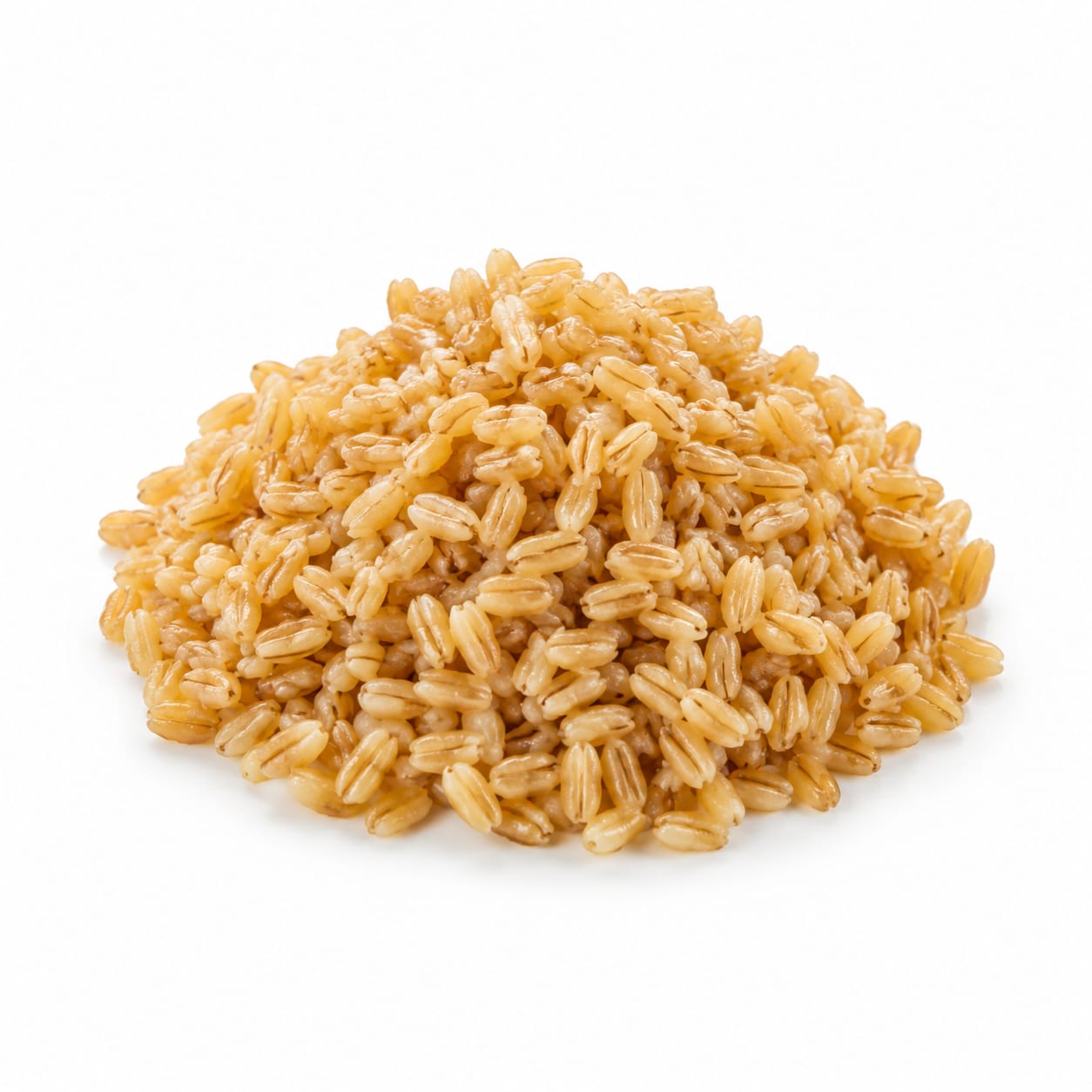
Kamut
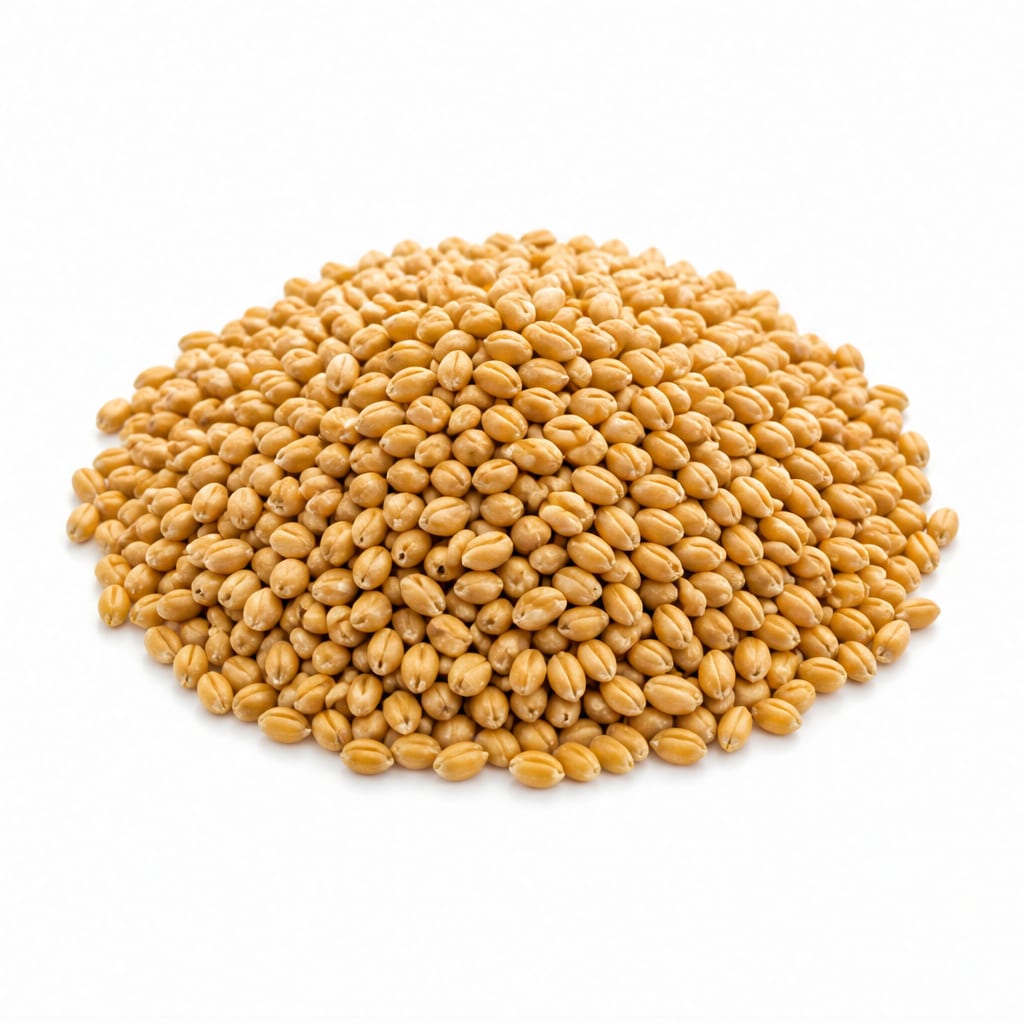
Wheat Berries
Kamut delivers a sweeter, buttery flavor and slightly more protein, while Wheat Berries offer a cheaper, fiber-rich everyday staple.
Kamut edges ahead slightly in protein and antioxidant content, but Wheat Berries are nutritionally comparable and far more practical, making them nearly tied for everyday use.
Premium nutrition and unique taste versus everyday affordability and accessibility.
At a glance
Executive summary
Overall
It depends
Healthier
Kamut
More practical
Wheat Berries
Daily use
Wheat Berries
Key comparison lenses
Ancient grain vs modern grain nutrition
Kamut is an ancient wheat variety often praised for superior nutrient density, while Wheat Berries represent standard modern whole wheat.
Digestive tolerance and gluten sensitivity
Many consumers choose Kamut believing it is easier to digest than modern wheat, making this a key decision factor.
Culinary experience and flavor
Kamut is known for a sweeter, buttery flavor and larger berry size, while Wheat Berries are earthier and chewier.
Budget and accessibility
Kamut is a premium specialty product, whereas Wheat Berries are an affordable pantry staple.
Best choice for
Kamut
- Those seeking higher protein and selenium from grains
- People looking for a sweeter, milder whole grain flavor
- Individuals with mild wheat sensitivities seeking a more digestible option
Wheat Berries
- Budget-conscious meal preppers
- Those prioritizing maximum daily fiber intake
- Shoppers needing an easy-to-find whole grain staple
Least suitable for
Kamut
- Anyone with celiac disease or severe gluten intolerance
- Households on a strict grocery budget
Wheat Berries
- Those bored with standard wheat flavors
- People specifically seeking the highest protein grain options
Deep comparison
Dimension by dimension
Each lens scores both foods and breaks down who each option suits.
- Dimension 1 · Priority 95Kamut
Nutritional Density
Kamut · 88Wheat Berries · 82Kamut packs more protein, selenium, and zinc per serving, while Wheat Berries offer slightly more fiber.
Tradeoff
You get a stronger micronutrient and protein profile with Kamut, but Wheat Berries keep you slightly more regular with their fiber edge.
Why it matters
Higher protein and selenium support muscle maintenance and immune function more effectively.
Real-world impact
A bowl of Kamut gives you a bit more sustained energy and recovery support, making it feel more like a complete meal base.
Kamut
- Athletes needing grain-based protein
- Immune support through higher selenium
Better for
- Maximizing roughage intake
Worse for
Wheat Berries
- Improving daily digestion regularity
- Feeling fuller on fewer calories
Better for
- Boosting trace mineral intake
Worse for
- Dimension 2 · Priority 85It depends
Digestive Tolerance
Kamut · 80Wheat Berries · 70Kamut is often reported as easier to digest for people with mild wheat sensitivities, though both contain gluten.
Tradeoff
Kamut might be gentler on a sensitive stomach, but it is still completely off-limits for celiacs, just like Wheat Berries.
Why it matters
Bloating and fatigue after eating standard wheat can make whole grains uncomfortable for some people.
Real-world impact
If modern wheat leaves you feeling sluggish or puffy, Kamut might sit lighter and feel more comfortable after meals.
Kamut
- People with non-celiac wheat sensitivity
- Those who experience bloating from standard wheat
Better for
- Celiacs or those with severe gluten allergies
Worse for
Wheat Berries
- People with no wheat sensitivity who tolerate it perfectly
Better for
- Those with mild wheat sensitivities
Worse for
- Dimension 3 · Priority 80It depends
Blood Sugar Stability
Kamut · 84Wheat Berries · 85Both are excellent whole grains that digest slowly and keep blood sugar steady, with Wheat Berries holding a negligible fiber advantage.
Tradeoff
Wheat Berries have slightly more fiber to slow glucose absorption, but Kamut's higher protein also helps stabilize energy.
Why it matters
Steady blood sugar means no afternoon energy crash or sudden cravings.
Real-world impact
Both grains will keep you fueled and focused for hours, avoiding the spike and crash of refined grains.
Kamut
- Sustained energy from protein-fat synergy
Better for
- Those relying purely on fiber for glycemic control
Worse for
Wheat Berries
- Maximum glucose buffering from extra fiber
Better for
- Those needing higher protein to balance meals
Worse for
- Dimension 4 · Priority 75Wheat Berries
Practicality and Cost
Kamut · 60Wheat Berries · 90Wheat Berries are widely available and budget-friendly, while Kamut is a premium specialty product.
Tradeoff
Choosing Kamut means paying a premium and hunting for it in specialty aisles, whereas Wheat Berries are cheap and easy to find.
Why it matters
A grain you can easily afford and locate is one you will actually eat consistently.
Real-world impact
Wheat Berries make weekly meal prep affordable, while Kamut is better saved for special recipes or occasional variety.
Kamut
- Specialty dishes where flavor is the star
Better for
- Affordable daily sustenance
Worse for
Wheat Berries
- Weekly bulk meal prep
- Family grocery budgets
Better for
- Creating a gourmet culinary experience
Worse for
Timeline
Health impact over time
Short-term
Hours to days
Kamut
- Provides steady, long-lasting energy
- May feel lighter in the stomach than standard wheat for sensitive individuals
Wheat Berries
- Highly satiating and filling
- Promotes immediate digestive regularity
Long-term
Months to years
Kamut
- Higher selenium intake supports long-term thyroid and immune health
- Consistent whole grain consumption supports heart health
Wheat Berries
- Reliable fiber intake supports long-term gut microbiome diversity
- Helps maintain healthy cholesterol levels over time
Risk profile
Safety & processing
Both Kamut and Wheat Berries are intact whole grains with nothing added or removed, making them equally natural and clean.
Kamut
Gluten exposure
highContains gluten and is unsafe for anyone with celiac disease, despite being an ancient grain.
Misleading gluten-free assumptions
mediumMarketing as an ancient grain sometimes falsely implies it is safe for celiacs, leading to accidental exposure.
Wheat Berries
Gluten exposure
highStandard wheat contains gluten and is strictly unsafe for those with celiac disease or severe gluten intolerance.
Pesticide residue
lowConventionally grown modern wheat may carry more pesticide residue compared to organic ancient grains.
Who wins for whom
Audience fit
Same foods, different winners depending on your goal.
children
KamutKamut has a sweeter, milder, and butterier flavor that is usually more appealing to kids' palates.
daily consumption
Wheat BerriesThe low cost and wide availability of Wheat Berries make them a much more sustainable daily staple.
diabetes
Wheat BerriesThe marginally higher fiber content in Wheat Berries helps slow down sugar absorption just a bit more effectively.
elderly
Wheat BerriesWheat Berries are easier to find and more affordable for fixed incomes, and their fiber supports aging digestive systems.
muscle gain
KamutKamut provides more protein per serving, offering better support for muscle repair and growth.
weight loss
Wheat BerriesWheat Berries are slightly more filling per calorie due to their fiber content, making it easier to control portions.
Your move
Decision guide
Choose Kamut
- You want a sweeter, larger grain with a buttery flavor
- You are looking to maximize protein and selenium in your diet
- Standard wheat leaves you feeling slightly bloated or sluggish
Choose Wheat Berries
- You need an affordable, reliable whole grain for weekly meal prep
- Maximum fiber intake is your top priority
- You want something easy to find at any grocery store
Either works if
- You just need a hearty, chewy whole grain base for salads and bowls
- You want steady energy without blood sugar crashes
Avoid both if
- You have celiac disease or a severe gluten intolerance
- You are following a strict low-carb or grain-free diet
Final recommendation
Make Wheat Berries your everyday workhorse for cheap, filling meals, but keep Kamut on hand for when you want a sweeter, richer grain experience or a digestive upgrade from standard wheat.
Practical
Consumer tips
- 1
Soak both grains overnight to cut cooking time in half and make them easier to digest.
- 2
Cook a large batch on Sunday and freeze portions for quick weeknight grain bowls.
- 3
If trying Kamut for the first time, look for the brand name Khorasan wheat to compare prices.
- 4
Toast either grain in a dry pan before boiling to bring out a deeper, nuttier flavor.