
Nutrition comparison
Kamut vs Farro: Which Ancient Grain Is Better for You?
Kamut packs more protein and selenium, but Farro cooks faster and is easier to find. Compare nutrition, taste, cooking time, and health benefits to pick the right ancient grain for your diet.
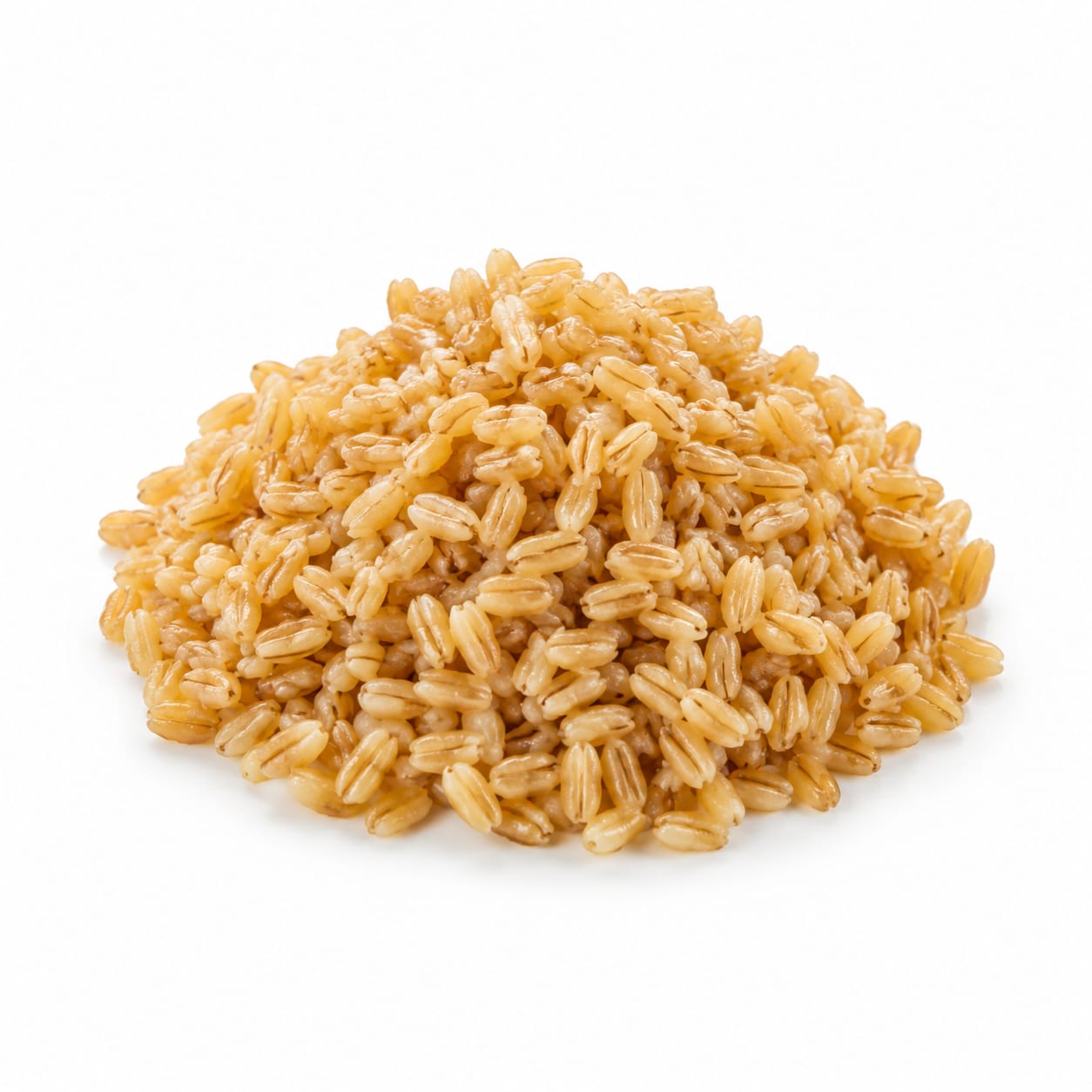
Kamut
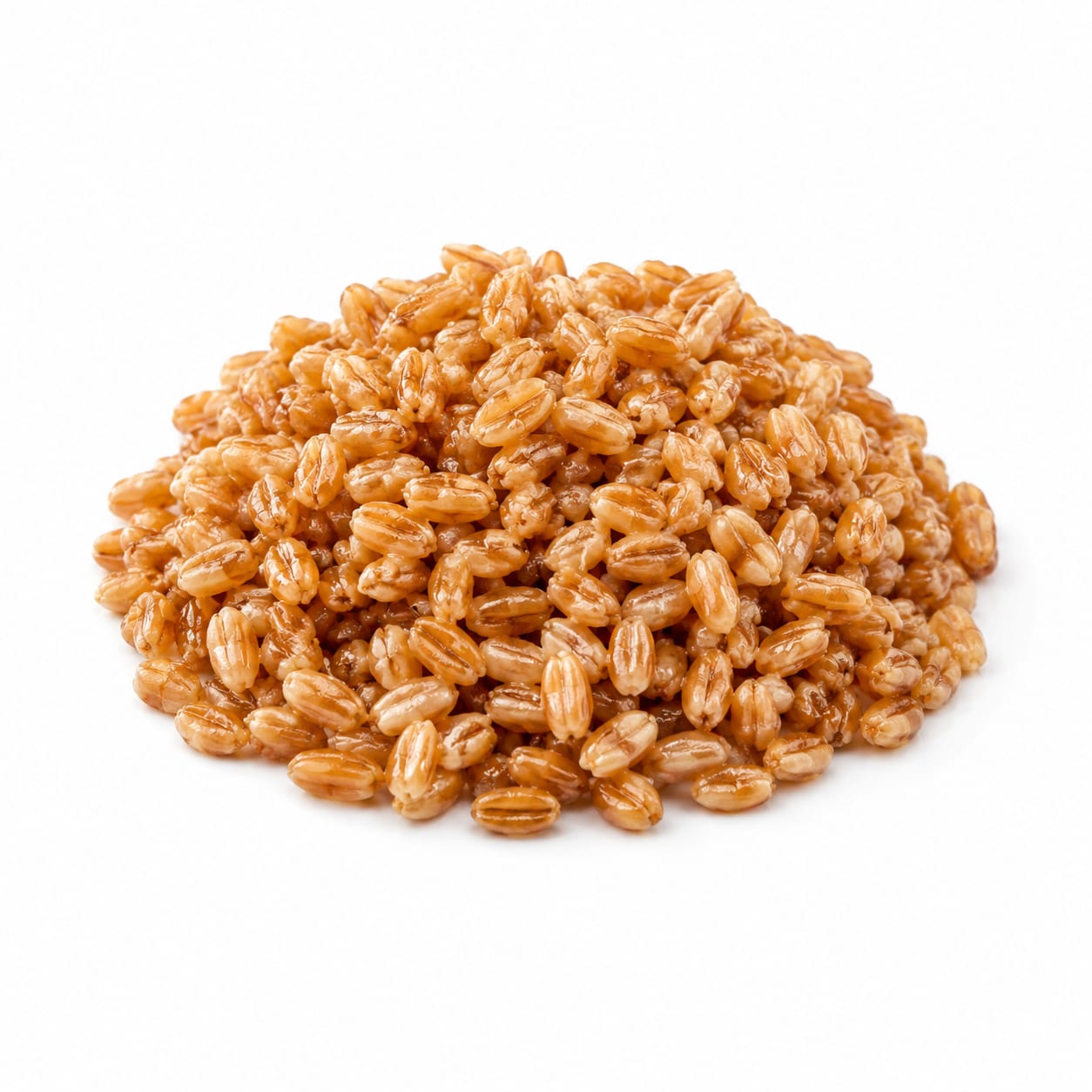
Farro
Kamut edges ahead nutritionally with more protein and selenium, but Farro wins on convenience and availability. The real decision comes down to what you value more: peak nutrient density or everyday practicality.
Kamut scores slightly higher for nutritional density, particularly protein and selenium. Farro scores nearly even thanks to better practicality and wider availability. The 2-point gap reflects a real but modest nutritional advantage that may not matter for everyone.
Kamut offers slightly more protein, antioxidants, and selenium per serving, while Farro cooks faster, is easier to find, and works in more recipes without special shopping.
At a glance
Executive summary
Overall
It depends
Healthier
Kamut
More practical
Farro
Daily use
Farro
Key comparison lenses
ancient grain nutritional superiority
Both are ancient wheats prized for nutrient density; users want to know which delivers more per bite
digestive tolerance and gluten sensitivity
Many people choose ancient grains hoping for better digestion than modern wheat
cooking convenience and weeknight practicality
Both require longer cook times than rice or pasta, so ease of preparation matters
culinary versatility and recipe fit
Users want to know which grain works better across salads, soups, bowls, and side dishes
blood sugar stability and satiety
Ancient grain buyers often prioritize steady energy and fullness over refined grains
Best choice for
Kamut
- Maximizing protein and mineral intake from grains
- People seeking higher selenium for thyroid and immune support
- Those who want the most nutrient-dense ancient wheat available
- Slow-cooked soups and stews where texture holds beautifully
Farro
- Busy weeknights when you need a grain ready in 20-30 minutes
- Building a versatile grain staple for salads, bowls, and risottos
- People who want ancient grain benefits without specialty shopping
- Anyone new to ancient grains wanting an easy entry point
Least suitable for
Kamut
- Celiacs or anyone with gluten sensitivity — Kamut contains gluten
- Last-minute meals requiring fast cooking
- Budget-conscious shoppers watching every penny
Farro
- Celiacs or anyone with gluten sensitivity — Farro contains gluten
- Those specifically seeking the highest selenium content from grains
- People wanting the absolute most protein per serving from their grain
Deep comparison
Dimension by dimension
Each lens scores both foods and breaks down who each option suits.
- Dimension 1 · Priority 90Kamut
Protein Content and Quality
Kamut · 82Farro · 72Kamut delivers noticeably more protein per serving than Farro, making it the better choice when grains are a significant protein source in your meal.
Tradeoff
The protein gap is meaningful for plant-forward eaters but negligible if you're pairing either grain with chicken, fish, or legumes.
Why it matters
For vegetarians and vegans, every gram of protein from grains counts. Kamut's higher protein makes it easier to hit daily targets without adding another protein source.
Real-world impact
A cup of cooked Kamut gives you roughly 2-3 more grams of protein than Farro — not huge, but enough to notice over a week of grain bowls.
Kamut
- Plant-based eaters relying on grains for protein
- Athletes wanting more protein from carb sources
Better for
- No real downside — more protein is universally beneficial here
Worse for
Farro
- Omnivores who get protein elsewhere and don't need grain to carry that load
Better for
- Slightly less protein means you may need larger portions or supplemental protein
Worse for
- Dimension 2 · Priority 88Kamut
Mineral Density (Selenium, Zinc, Magnesium)
Kamut · 85Farro · 68Kamut is notably rich in selenium — often providing 40-60% of daily needs per serving — while Farro offers moderate mineral content without a standout nutrient.
Tradeoff
Selenium is critical for thyroid function and antioxidant defense, but most people get enough from a varied diet. Kamut's advantage matters most if you eat limited seafood or Brazil nuts.
Why it matters
Selenium deficiency is uncommon but not rare, especially in regions with low-soil selenium. Kamut acts as a reliable daily selenium booster.
Real-world impact
If you don't eat fish regularly, Kamut can meaningfully close your selenium gap. If you eat tuna or salmon weekly, the difference between these grains matters less.
Kamut
- People who eat little seafood or Brazil nuts
- Those concerned about thyroid health
- Anyone wanting an antioxidant edge from their grain choice
Better for
- Excess selenium is possible if you also supplement — be aware of total intake
Worse for
Farro
- People who already get plenty of selenium from other foods
Better for
- You miss the easy selenium insurance that Kamut provides
Worse for
- Dimension 3 · Priority 82Farro
Cooking Convenience and Speed
Kamut · 45Farro · 72Whole Farro cooks in 25-40 minutes; semi-pearled Farro in 15-25 minutes. Whole Kamut typically needs 60-90 minutes of simmering, requiring advance planning.
Tradeoff
Kamut's longer cook time reflects its intact bran layer, which preserves nutrients. But that same layer makes it impractical for spontaneous weeknight cooking.
Why it matters
The difference between a 20-minute grain and a 75-minute grain determines whether you actually cook it or let it sit in your pantry.
Real-world impact
Farro can be a Tuesday night side dish. Kamut is more of a Sunday meal-prep grain — cook a big batch and use it throughout the week.
Kamut
- Meal preppers who cook grains in bulk once a week
- Slow cooker and pressure cooker users who can set it and forget it
Better for
- Anyone without a pressure cooker or 90 minutes of stovetop patience
Worse for
Farro
- Weeknight cooks needing a grain in under 30 minutes
- People who decide dinner at 6pm, not 3pm
Better for
- Semi-pearled varieties sacrifice some bran and nutrients for speed
Worse for
- Dimension 4 · Priority 78Farro
Availability and Cost
Kamut · 50Farro · 78Farro is widely stocked in mainstream grocery stores. Kamut often requires health food stores, specialty shops, or online ordering, and typically costs more per pound.
Tradeoff
Kamut's rarity reflects its boutique status and trademarked production. Farro's broader availability makes it a more realistic staple grain.
Why it matters
The healthiest grain in the world does nothing if you can't find it or won't repurchase it. Consistency beats perfection.
Real-world impact
Farro is at most grocery stores next to rice and quinoa. Kamut might require a trip to Whole Foods or an Amazon order — adding friction to your routine.
Kamut
- People with access to specialty stores or who already buy grains online
- Those willing to stock up in bulk to reduce shopping trips
Better for
- Rural shoppers with limited specialty store access
- Those who impulse-buy grains based on what's on the shelf
Worse for
Farro
- Anyone who shops at regular grocery stores
- Budget-conscious eaters who want ancient grain value
Better for
- No real downside — Farro's availability is a pure advantage
Worse for
- Dimension 5 · Priority 75Farro
Culinary Versatility and Texture
Kamut · 65Farro · 80Farro's chewy-but-tender texture works in salads, soups, risottos, and bowls. Kamut has a distinctively large, plump berry with a buttery chew that shines in some dishes but feels heavy in others.
Tradeoff
Kamut's unique size and texture make it memorable but less adaptable. Farro plays well in almost any grain recipe without dominating the dish.
Why it matters
A grain you can use five ways gets eaten. A grain that only works in two recipes gathers dust.
Real-world impact
Farro substitutes seamlessly for rice, barley, or quinoa in most recipes. Kamut works best as the star — think grain bowls or hearty soups where its size is a feature, not a bug.
Kamut
- Showcase dishes where the grain itself is the centerpiece
- Hearty winter soups and stews where large berries hold their shape
Better for
- Delicate salads or light dishes where large berries feel clunky
- Recipes requiring a uniform, small grain texture
Worse for
Farro
- Grain salads where you want even, mixable texture
- Farrotto (farro risotto) — a specific Italian technique Farro excels at
- Any recipe where the grain should complement, not dominate
Better for
- Dishes where you want a dramatic, distinctive grain presence
Worse for
- Dimension 6 · Priority 72Kamut
Blood Sugar Stability and Satiety
Kamut · 76Farro · 70Both grains have lower glycemic impacts than modern wheat, but Kamut's higher protein and fiber content provides slightly steadier energy and longer-lasting fullness.
Tradeoff
The difference is modest. Both are excellent choices compared to white rice or regular pasta. Kamut just keeps you satisfied a bit longer.
Why it matters
Steadier blood sugar means fewer energy crashes and less temptation to snack between meals.
Real-world impact
After a Kamut bowl, you might comfortably go 4-5 hours before feeling hungry again. With Farro, maybe 3.5-4 hours. Both beat white rice at 2 hours.
Kamut
- People managing blood sugar who want every edge
- Those prone to afternoon energy crashes
- Anyone trying to reduce between-meal snacking
Better for
- Very small eaters who might feel uncomfortably full
Worse for
Farro
- People who eat frequent small meals and don't need long satiety
- Lighter eaters who find Kamut too filling
Better for
- Those who need maximum satiety from their grain portion
Worse for
- Dimension 7 · Priority 70Kamut
Antioxidant and Anti-inflammatory Potential
Kamut · 80Farro · 65Kamut has been specifically studied for its anti-inflammatory properties, showing measurable reductions in inflammatory markers compared to modern wheat. Farro has antioxidants too, but less research backing specific benefits.
Tradeoff
Kamut's antioxidant advantage is real but emerging — more studies confirm it, but the practical health impact over a lifetime is still being understood.
Why it matters
Chronic inflammation underlies many diseases. Choosing foods with proven anti-inflammatory effects is a small daily investment with potential long-term payoff.
Real-world impact
Eating Kamut regularly instead of modern wheat may meaningfully lower inflammatory markers over months. Farro likely helps too, but the evidence is thinner.
Kamut
- People with inflammatory conditions seeking dietary support
- Those interested in the most researched ancient wheat for health benefits
Better for
- No real downside — more antioxidants are beneficial
Worse for
Farro
- Healthy eaters who don't have specific inflammation concerns
Better for
- Less research backing means less confidence in specific anti-inflammatory claims
Worse for
Timeline
Health impact over time
Short-term
Hours to days
Kamut
- Provides sustained energy with minimal blood sugar spike due to high protein and fiber
- Very filling — smaller portions feel satisfying, which can help with portion control
- May cause bloating in gluten-sensitive individuals, similar to other wheat products
Farro
- Delivers steady energy, though slightly less sustained than Kamut due to lower protein
- Comforting, chewy texture makes meals feel substantial and satisfying
- Semi-pearled varieties digest faster, which can mean quicker hunger return
Long-term
Months to years
Kamut
- Regular consumption may reduce inflammatory markers based on clinical studies
- High selenium intake supports thyroid function and immune resilience over time
- Consistent fiber intake promotes gut health and regular digestion
- Gluten exposure remains a concern for those with undiagnosed celiac or sensitivity
Farro
- Supports heart health through fiber and B vitamins when eaten regularly
- Easier daily adoption means more consistent whole grain intake long-term
- Lower selenium means less thyroid-specific benefit than Kamut
- Gluten exposure identical to Kamut — not suitable for celiacs
Risk profile
Safety & processing
Both Kamut and Farro are whole ancient grains with minimal processing. However, Farro is commonly sold in semi-pearled or pearled forms, which remove some bran and nutrients for faster cooking. Whole Farro is the most natural option but harder to find. Kamut is almost always sold whole, preserving its full nutrient profile. If you buy whole Farro, both grains are equally natural.
Kamut
Gluten exposure
highKamut contains gluten and is unsafe for anyone with celiac disease. Some with mild wheat sensitivity report better tolerance, but this is not medically established and should not be relied upon.
Selenium excess with supplementation
lowKamut's high selenium is beneficial for most, but if you also take selenium supplements or eat selenium-rich foods daily, you could approach upper intake limits over time.
Farro
Gluten exposure
highFarro contains gluten and is unsafe for anyone with celiac disease. No ancient wheat is safe for those with diagnosed gluten disorders.
Nutrient loss in pearled forms
mediumSemi-pearled and pearled Farro have bran partially or fully removed, reducing fiber, minerals, and antioxidants. Always check packaging to confirm you're getting whole Farro.
Who wins for whom
Audience fit
Same foods, different winners depending on your goal.
children
FarroFarro's faster cooking and more familiar texture make it easier to incorporate into family meals. Kids are more likely to accept Farro's moderate chew than Kamut's large, dense berries.
daily consumption
FarroFarro's availability, faster cooking, and recipe versatility make it far more realistic as a daily staple. Kamut is excellent but better as a rotating specialty grain.
diabetes
KamutKamut's higher protein and fiber result in a slightly lower glycemic impact, providing steadier blood sugar. Both are far superior to refined grains.
elderly
FarroFarro's softer texture when cooked is easier to chew and digest. Kamut's large berries can be challenging for those with dental issues or sensitive digestion.
muscle gain
KamutMore protein per serving makes Kamut a better carb-protein combo for active people, though both should be paired with dedicated protein sources for real muscle building.
weight loss
KamutKamut's higher protein and fiber create stronger satiety signals, helping you eat less overall. The longer cook time also discourages mindless second helpings.
Your move
Decision guide
Choose Kamut
- You want maximum nutrition per grain serving and don't mind planning ahead
- You're plant-based and need every gram of protein you can get from grains
- You have a pressure cooker or meal-prep on Sundays
- You're specifically interested in selenium and anti-inflammatory benefits
- You enjoy hearty, substantial grain bowls where the grain is the star
Choose Farro
- You need a weeknight-friendly grain that cooks in under 30 minutes
- You want something easy to find at any grocery store
- You cook a variety of recipes and need a versatile grain that adapts
- You're new to ancient grains and want an approachable starting point
- You prefer a grain that blends into dishes rather than dominating them
Either works if
- You're simply replacing white rice or pasta with a healthier whole grain
- You don't have gluten sensitivity or celiac disease
- You want better blood sugar control than modern wheat provides
- You enjoy nutty, chewy grains and want variety in your rotation
Avoid both if
- You have celiac disease — both contain gluten and are unsafe
- You have diagnosed wheat allergy — ancient wheats trigger the same reactions
- You need a quick-cooking grain for frequent meals and don't own a pressure cooker
Final recommendation
Start with Farro as your everyday ancient grain — it's practical, available, and versatile enough to become a true staple. Add Kamut as a weekly or biweekly upgrade when you have time for slower cooking and want the nutritional edge. Rotating both gives you Farro's convenience and Kamut's superior mineral density without having to choose.
Practical
Consumer tips
- 1
Buy whole Farro, not pearled — the fiber and mineral difference is significant, and it only adds 10-15 minutes of cook time
- 2
Soak Kamut overnight to cut cooking time from 90 minutes to about 45-50 minutes
- 3
A pressure cooker reduces Kamut cook time to 20-25 minutes — worth the investment if you eat ancient grains regularly
- 4
Both grains freeze beautifully after cooking — make a large batch and portion for quick weeknight use
- 5
Check bulk bins at health food stores for better prices on both grains compared to packaged versions
- 6
If buying Farro, look for 'whole farro' or 'farro integrale' on the label — semi-pearled and pearled versions sacrifice too much nutrition
- 7
Kamut is a trademarked grain, so all products bearing the name meet specific organic and quality standards — this is one case where brand protection works in your favor
- 8
Both grains pair exceptionally well with olive oil, lemon, and herbs — keep dressings simple to let the nutty flavor shine