
Nutrition comparison
Kamut vs Bulgur: Nutritional Comparison & Health Benefits
Kamut vs Bulgur: Which ancient grain is healthier? Compare protein, fiber, cook time, and glycemic index to find the best whole grain for your diet.
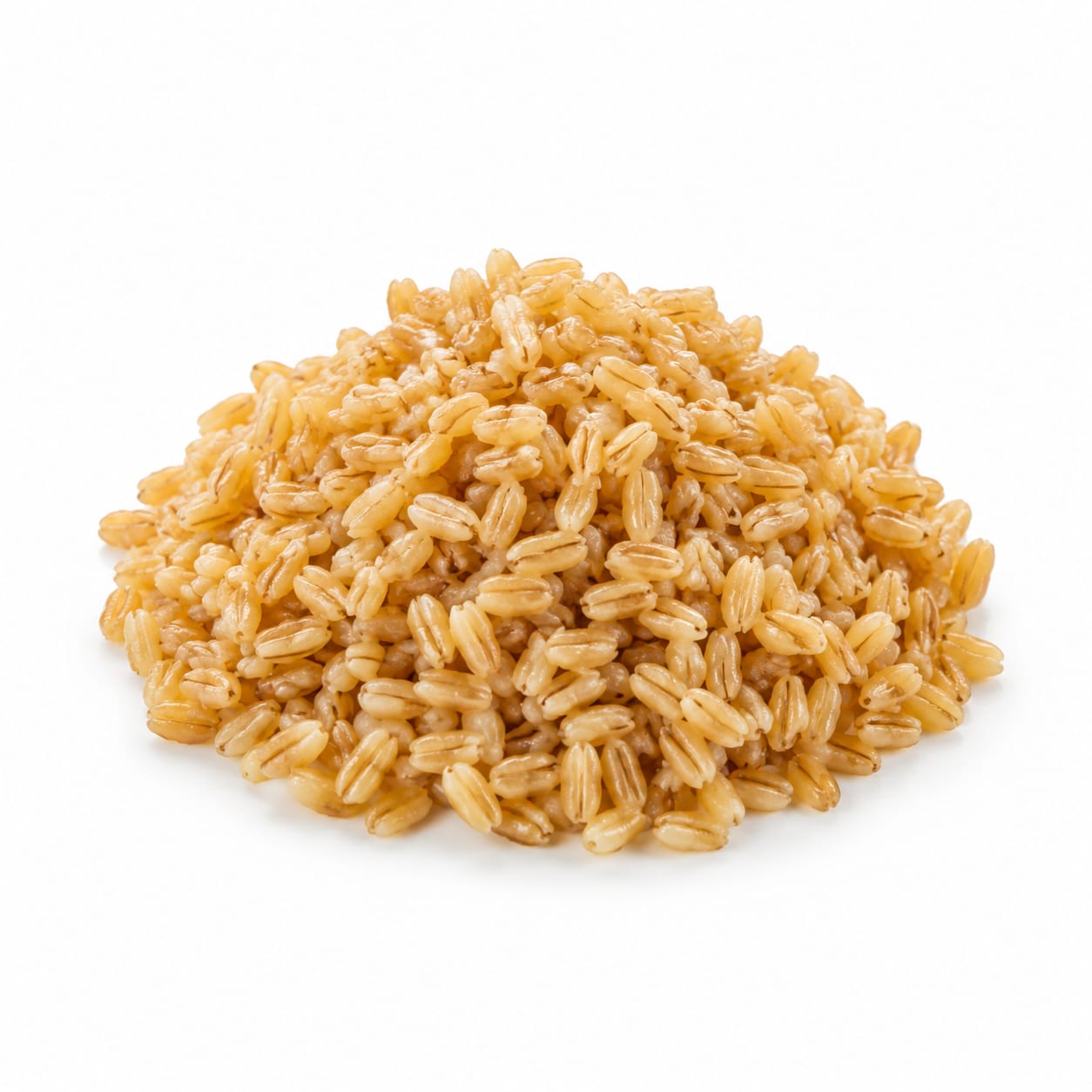
Kamut
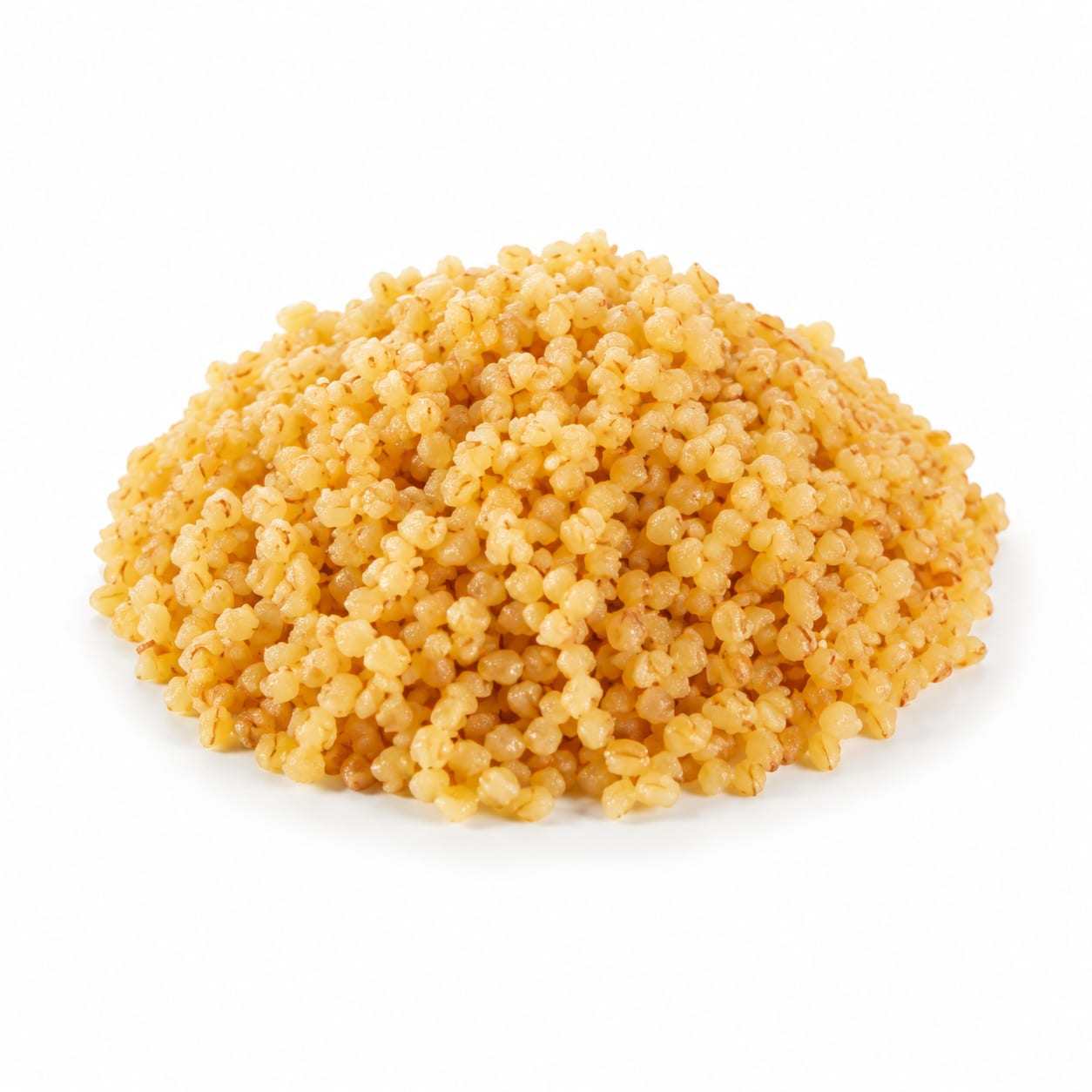
Bulgur
Kamut delivers more protein and minerals per bite, but Bulgur wins on convenience and blood sugar stability.
Bulgur edges out Kamut slightly due to its superior convenience and lower glycemic impact, making it easier to incorporate into a daily routine, though Kamut remains a nutritional heavyweight.
Nutritional powerhouse versus quick-cooking practicality.
At a glance
Executive summary
Overall
It depends
Healthier
It depends
More practical
Bulgur
Daily use
Bulgur
Key comparison lenses
Cooking convenience and weeknight practicality
Bulgur is parboiled and cooks in minutes, whereas Kamut requires long simmering, heavily influencing daily use.
Nutrient density and mineral profile
Kamut is renowned for its high protein and selenium content compared to standard wheat products.
Blood sugar management
The parboiling process of Bulgur gives it a lower glycemic index, a critical factor for many health-conscious users.
Satiety and sustained energy
Comparing how these grains keep you full and energized throughout the day.
Best choice for
Kamut
- Athletes needing extra plant-based protein
- People looking to boost selenium and zinc intake
- Weekend meal preppers with time to simmer grains
Bulgur
- Busy professionals needing fast whole grains
- Those managing blood sugar spikes
- Anyone wanting an easy everyday rice substitute
Least suitable for
Kamut
- Rushed weeknight dinners
- People with severe gluten intolerance
Bulgur
- Those seeking maximum protein from their grains
- Recipes requiring a chewy, distinct berry texture
Deep comparison
Dimension by dimension
Each lens scores both foods and breaks down who each option suits.
- Dimension 1 · Priority 90Kamut
Nutrient Density
Kamut · 92Bulgur · 78Kamut packs more protein, selenium, and zinc into each serving compared to Bulgur.
Tradeoff
You get a superior nutritional payload with Kamut, but it requires significantly more cooking time.
Why it matters
Higher mineral intake supports immune function and energy metabolism.
Real-world impact
Eating Kamut feels like a more substantial, nutrient-dense meal, whereas Bulgur feels lighter.
Kamut
- Boosting daily mineral intake
- Adding robust plant-based protein to a meal
Better for
- Quick side dishes on busy weeknights
Worse for
Bulgur
- Lighter meals where you don't want to feel overly full
Better for
- Recovery meals where maximizing protein is the goal
Worse for
- Dimension 2 · Priority 95Bulgur
Convenience and Cook Time
Kamut · 40Bulgur · 95Bulgur cooks in about 12 minutes, while whole Kamut berries can take over an hour.
Tradeoff
Bulgur sacrifices a bit of raw nutrient density for massive time savings.
Why it matters
Convenience is the biggest predictor of whether you will actually eat whole grains regularly.
Real-world impact
Bulgur is a realistic Tuesday night option; Kamut usually requires weekend meal prep or overnight soaking.
Kamut
- Weekend meal prep sessions
- Slow-cooked stews and soups
Better for
- Impromptu meals after a long workday
Worse for
Bulgur
- Last-minute dinner sides
- Quick lunch grain bowls
Better for
- Recipes specifically calling for a chewy, hearty berry texture
Worse for
- Dimension 3 · Priority 85Bulgur
Blood Sugar Stability
Kamut · 72Bulgur · 88The parboiling process Bulgur undergoes lowers its glycemic index compared to Kamut.
Tradeoff
Even though Kamut has more protein, Bulgur's pre-cooking treatment makes it gentler on blood sugar.
Why it matters
Steadier blood sugar means fewer afternoon energy crashes and reduced cravings.
Real-world impact
A Bulgur lunch keeps you on an even keel until dinner, while Kamut might cause a slightly steeper energy dip if eaten in large portions.
Kamut
- Sustained energy for active individuals burning through carbs
Better for
- Sedentary evenings where a heavy carb load isn't needed
Worse for
Bulgur
- Managing insulin resistance
- Preventing the afternoon slump
Better for
- Endurance athletes needing dense, slow-burning fuel
Worse for
Timeline
Health impact over time
Short-term
Hours to days
Kamut
- Provides long-lasting energy but requires planning ahead to cook
- Very filling, which reduces snacking urges between meals
Bulgur
- Quick energy without a sharp blood sugar spike
- Light enough to eat before a workout without feeling heavy
Long-term
Months to years
Kamut
- Higher mineral intake supports immune function and thyroid health
- Sustained protein intake aids muscle maintenance over time
Bulgur
- Consistent low-GI meals support metabolic health and diabetes prevention
- Easy daily incorporation builds sustainable whole-grain habits
Risk profile
Safety & processing
Both are whole grains with minimal processing. Bulgur undergoes parboiling and cracking, which is a traditional mechanical process without additives, while Kamut is typically sold as whole berries or flour.
Kamut
Gluten content
highContains gluten and is not safe for those with celiac disease or severe gluten intolerance.
Bulgur
Gluten content
highMade from wheat and contains gluten, making it unsafe for celiacs.
Who wins for whom
Audience fit
Same foods, different winners depending on your goal.
children
BulgurBulgur's softer texture and milder flavor are usually more appealing and easier for kids to chew.
daily consumption
BulgurThe quick cook time makes Bulgur a realistic everyday staple for busy lifestyles.
diabetes
BulgurThe parboiling process gives Bulgur a lower glycemic index, preventing sharp blood sugar spikes.
elderly
BulgurEasier to digest and chew, with a lower GI to help manage age-related blood sugar concerns.
muscle gain
KamutKamut offers significantly more protein per serving to support muscle repair and growth.
weight loss
BulgurBulgur's lower glycemic index and faster cooking make it easier to consistently choose whole grains over refined carbs.
Your move
Decision guide
Choose Kamut
- You want to maximize protein and mineral intake from your grains
- You meal-prep on weekends and don't mind long cook times
- You find ancient grains more digestible than modern wheat
Choose Bulgur
- You need a healthy grain ready in under 15 minutes
- You are focused on keeping blood sugar steady
- You want a versatile base for grain bowls and tabbouleh
Either works if
- You need a satisfying whole grain alternative to white rice
- You are looking to increase your daily fiber intake
Avoid both if
- You have celiac disease or a severe gluten intolerance
Final recommendation
Keep Bulgur in your pantry for fast, everyday meals that keep your blood sugar happy. Save Kamut for weekends or meal-prep days when you have the time to unlock its rich, nutrient-dense potential.
Practical
Consumer tips
- 1
Soak Kamut overnight to dramatically reduce its cooking time.
- 2
Use Bulgur as a direct substitute for rice in pilafs for a faster, fiber-rich meal.
- 3
Toast Kamut in a dry pan before boiling to enhance its naturally buttery, nutty flavor.