
Nutrition comparison
Kamut vs Couscous: Nutrition, Blood Sugar, and Convenience Compared
Comparing Kamut and Couscous? Discover which grain offers better nutrition, blood sugar control, and convenience for your meals.
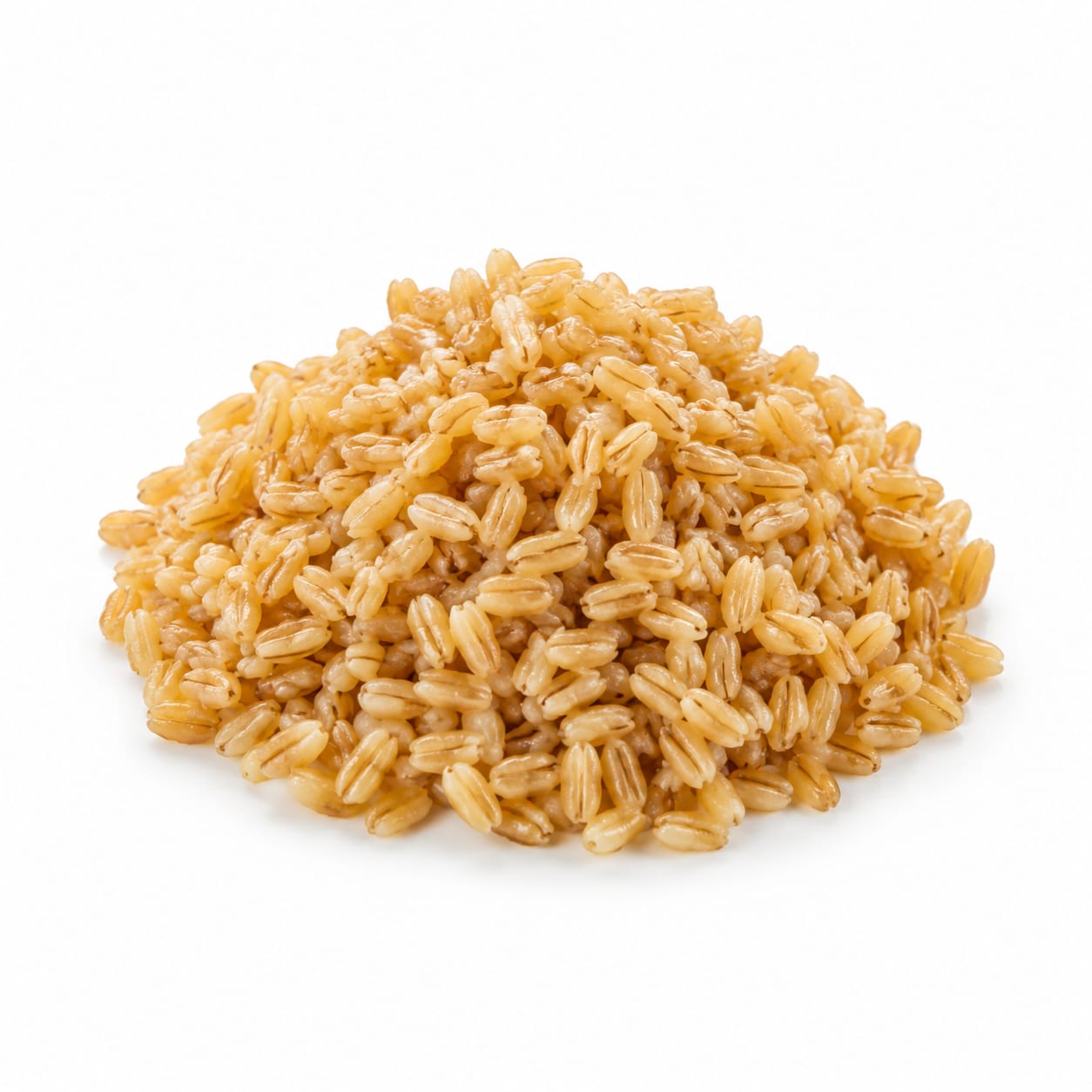
Kamut
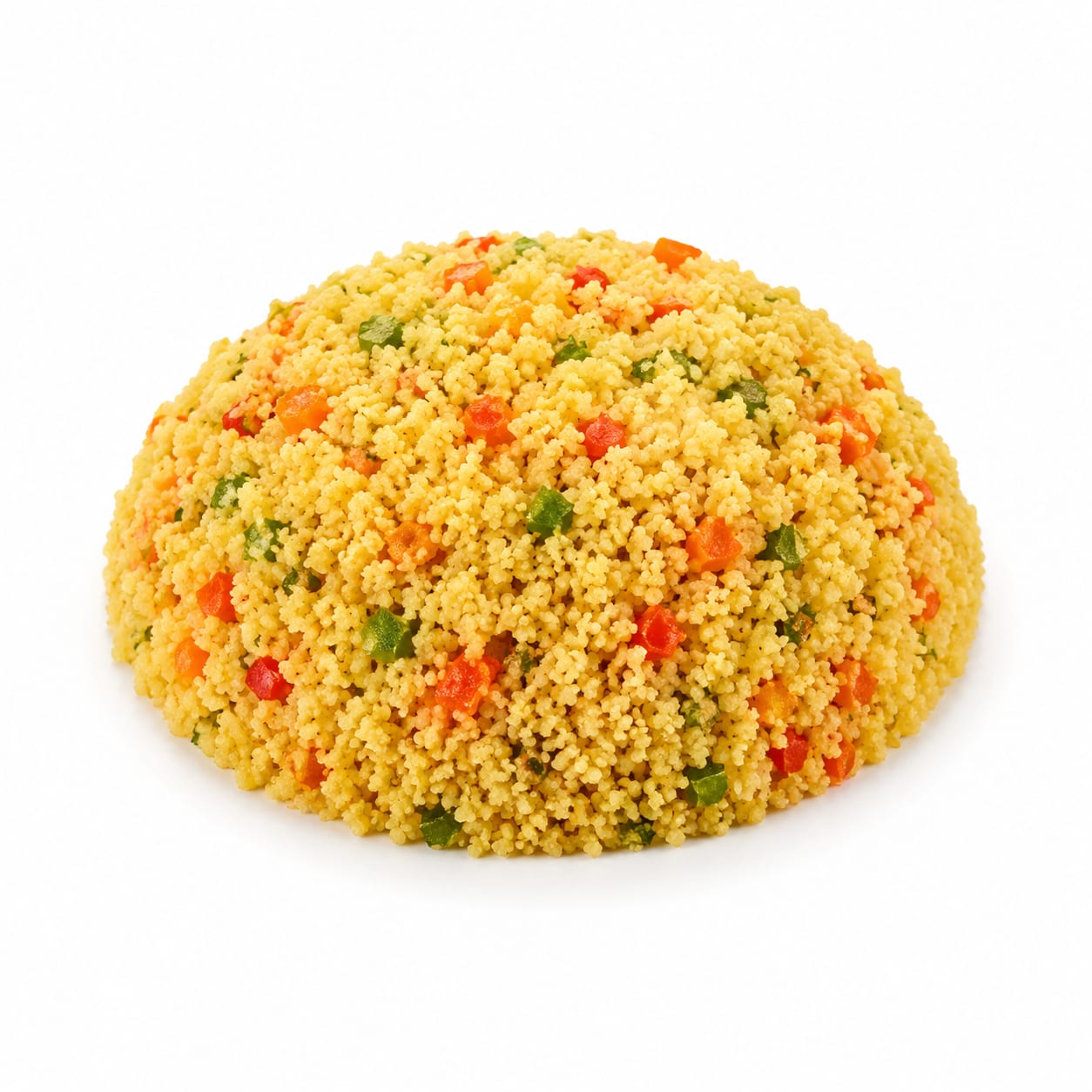
Couscous
Kamut is the nutritional champion, but Couscous wins on speed and convenience.
Kamut scores significantly higher due to its superior fiber, protein, and micronutrient profile. Couscous loses points for being a refined carbohydrate with a high glycemic impact, though it retains some score for convenience and palatability.
You trade nutrient density and steady energy for cooking convenience.
At a glance
Executive summary
Overall
It depends
Healthier
Kamut
More practical
Couscous
Daily use
Kamut
Key comparison lenses
Whole grain vs refined grain nutrition
Kamut is an ancient whole grain, while standard couscous is essentially tiny pasta made from refined wheat flour.
Blood sugar management
The fiber difference between these two creates a massive gap in how they affect blood sugar and energy levels.
Meal prep convenience
Couscous cooks in 5 minutes, whereas Kamut requires a long simmer, making convenience a major deciding factor.
Best choice for
Kamut
- People managing blood sugar
- High-protein plant-based eaters
- Those seeking sustained energy
Couscous
- Busy weeknight dinners
- Quick meal prep
- Picky eaters who prefer softer textures
Least suitable for
Kamut
- Those severely short on time
- People who dislike chewy grains
Couscous
- People avoiding refined carbs
- Those needing high fiber intake
Deep comparison
Dimension by dimension
Each lens scores both foods and breaks down who each option suits.
- Dimension 1 · Priority 95Kamut
Nutrient Density
Kamut · 92Couscous · 40Kamut is packed with protein, fiber, and minerals like zinc and selenium. Couscous is mostly empty starch.
Tradeoff
You get far more vitamins and minerals per calorie with Kamut, but you have to cook it much longer.
Why it matters
Nutrient-dense foods keep your body functioning optimally without needing supplements or extra snacks.
Real-world impact
Eating Kamut means you are actually fueling your body, while Couscous is mostly just quick calories.
Kamut
- Meeting daily mineral needs
- Boosting protein intake on a plant-based diet
Better for
- Instant gratification
Worse for
Couscous
- Quick calorie replenishment after intense exercise
Better for
- Preventing nutrient gaps
- Feeling truly nourished
Worse for
- Dimension 2 · Priority 90Kamut
Blood Sugar Stability
Kamut · 88Couscous · 35Kamut provides slow, steady energy. Couscous digests rapidly, causing spikes and crashes.
Tradeoff
Choosing Couscous for speed means risking an afternoon energy slump and increased cravings.
Why it matters
Stable blood sugar prevents mood swings, fatigue, and overeating later in the day.
Real-world impact
A Kamut lunch keeps you full and focused until dinner. A Couscous lunch often leaves you reaching for a snack by 3 PM.
Kamut
- Avoiding the afternoon crash
- Managing diabetes or insulin resistance
Better for
- Needing immediate energy right after cooking
Worse for
Couscous
- Quick carb-loading before a short workout
Better for
- Sustained focus during long workdays
- Controlling sugar cravings
Worse for
- Dimension 3 · Priority 85Couscous
Cooking Speed and Convenience
Kamut · 30Couscous · 95Couscous is ready in 5 minutes with just boiling water. Kamut takes up to an hour to cook.
Tradeoff
Couscous saves you 50 minutes of cooking time but costs you the nutritional benefits of a whole grain.
Why it matters
When you are hungry and tired, a 5-minute side dish is often the difference between cooking and ordering takeout.
Real-world impact
Couscous is a weeknight dinner hero. Kamut requires planning ahead or weekend meal prep.
Kamut
- Batch cooking for the week
Better for
- Hasty weeknight cooking
Worse for
Couscous
- Last-minute dinners
- Meals in a time crunch
Better for
- Slow, mindful cooking experiences
Worse for
- Dimension 4 · Priority 80Kamut
Satiety and Fullness
Kamut · 90Couscous · 45Kamut's high fiber and protein make it incredibly filling. Couscous digests quickly, leaving you hungry sooner.
Tradeoff
Kamut keeps you satisfied for hours but requires chewing effort. Couscous is easy to eat but not very filling.
Why it matters
Foods that keep you full help you naturally eat less throughout the day without feeling deprived.
Real-world impact
A bowl of Kamut feels like a substantial meal. A bowl of Couscous feels like a light side that leaves you wanting more.
Kamut
- Staying full between meals
- Reducing overall calorie intake effortlessly
Better for
- Eating when you have no appetite
Worse for
Couscous
- Eating light before a run
- Appetizers
Better for
- Controlling portion sizes naturally
Worse for
Timeline
Health impact over time
Short-term
Hours to days
Kamut
- Steady, lasting energy for hours
- Comfortable fullness without bloating
Couscous
- Quick energy spike
- Likely hunger return within an hour or two
Long-term
Months to years
Kamut
- Better metabolic health and blood sugar control
- Improved digestion and regularity
- Lower risk of chronic disease due to high antioxidant intake
Couscous
- Potential blood sugar dysregulation if eaten frequently
- Increased risk of weight gain from overeating due to low satiety
Risk profile
Safety & processing
Kamut is a whole ancient grain with its bran and germ intact. Standard Couscous is made from refined semolina flour that has been stripped of its nutritious outer layers, essentially making it a tiny pasta.
Kamut
Gluten content
highKamut contains gluten and is unsafe for those with celiac disease or severe gluten intolerance.
Couscous
Gluten content
highCouscous is wheat-based and completely off-limits for anyone with celiac disease or a wheat allergy.
Who wins for whom
Audience fit
Same foods, different winners depending on your goal.
children
CouscousCouscous has a mild flavor and soft, easy-to-eat texture that kids usually prefer over chewy whole grains.
daily consumption
KamutKamut provides a much stronger nutritional foundation for everyday eating without the blood sugar rollercoaster.
diabetes
KamutKamut's complex carbs and fiber prevent sharp blood sugar spikes, unlike refined Couscous.
elderly
CouscousCouscous is softer and requires less chewing, making it easier to eat for those with dental issues or sensitive digestion.
muscle gain
KamutKamut offers significantly more protein per serving to support muscle repair and growth.
weight loss
KamutKamut's high fiber and protein keep you satisfied longer, naturally reducing overall calorie intake.
Your move
Decision guide
Choose Kamut
- You meal-prep on Sundays
- You want to stay full until dinner
- You are watching your blood sugar
- You need a nutrient-dense base for grain bowls
Choose Couscous
- Dinner needs to be ready in 10 minutes
- You want a neutral base for a saucy stew
- You prefer softer textures
- You are cooking for kids who reject chewy grains
Either works if
- You need a wheat-based side dish
- You are cooking a Mediterranean-inspired meal
Avoid both if
- You have celiac disease or a severe gluten intolerance
Final recommendation
Keep Kamut in your rotation for nutritional power and sustained energy, but stock Couscous for those nights when cooking feels like too much. If you choose Couscous, pair it with protein and healthy fats to slow down digestion.
Practical
Consumer tips
- 1
Soak Kamut overnight to cut its cooking time in half.
- 2
Opt for whole-wheat Couscous to close the fiber gap slightly.
- 3
Toast either grain in a dry pan before cooking for a richer, nuttier flavor.
- 4
Always rinse Kamut before cooking to remove any debris.