
Nutrition comparison
Kamut vs Quinoa: Which Ancient Grain Is Better for You?
Compare Kamut and quinoa on protein quality, gluten content, mineral density, and satiety. Find out which grain fits your diet, cooking style, and health goals best.
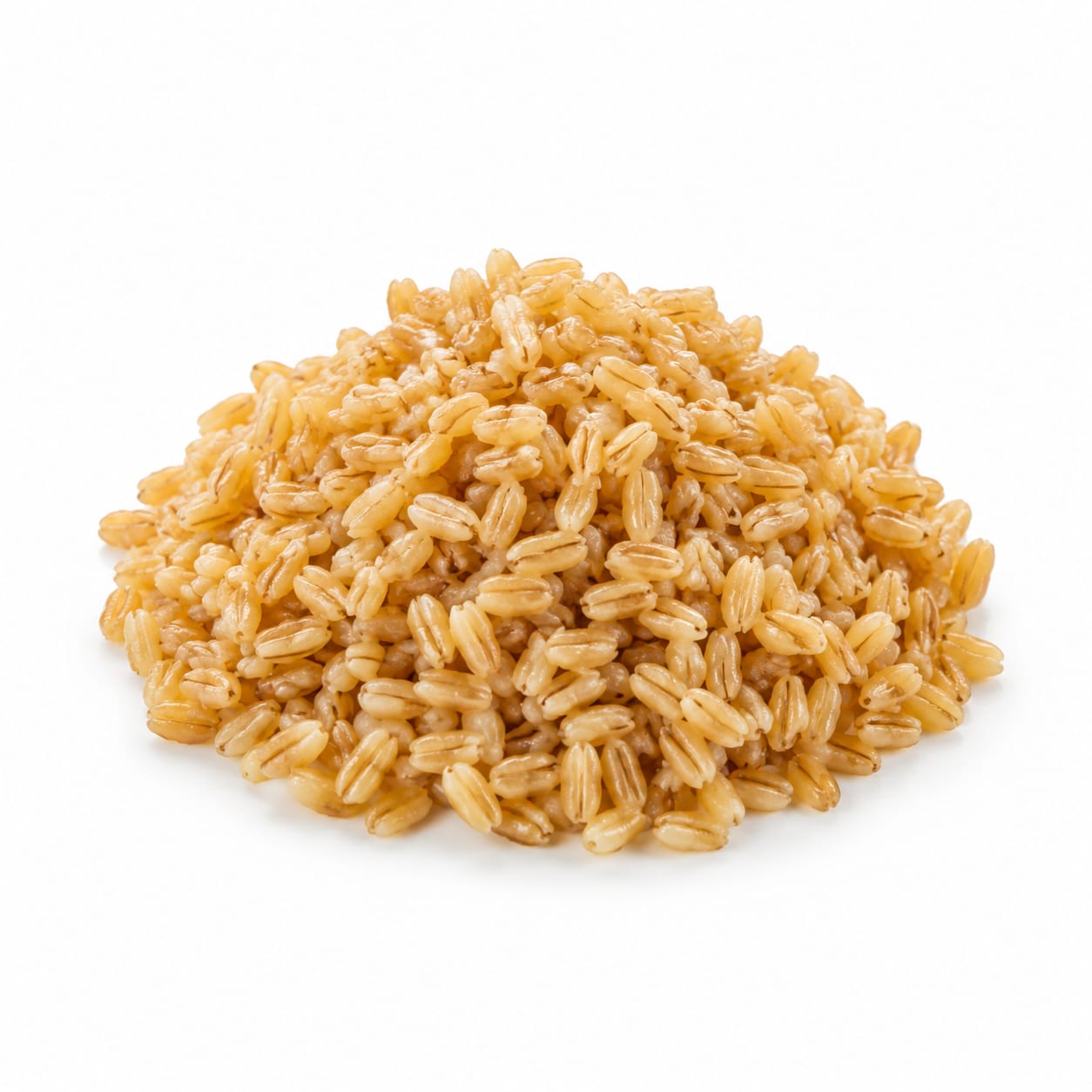
Kamut
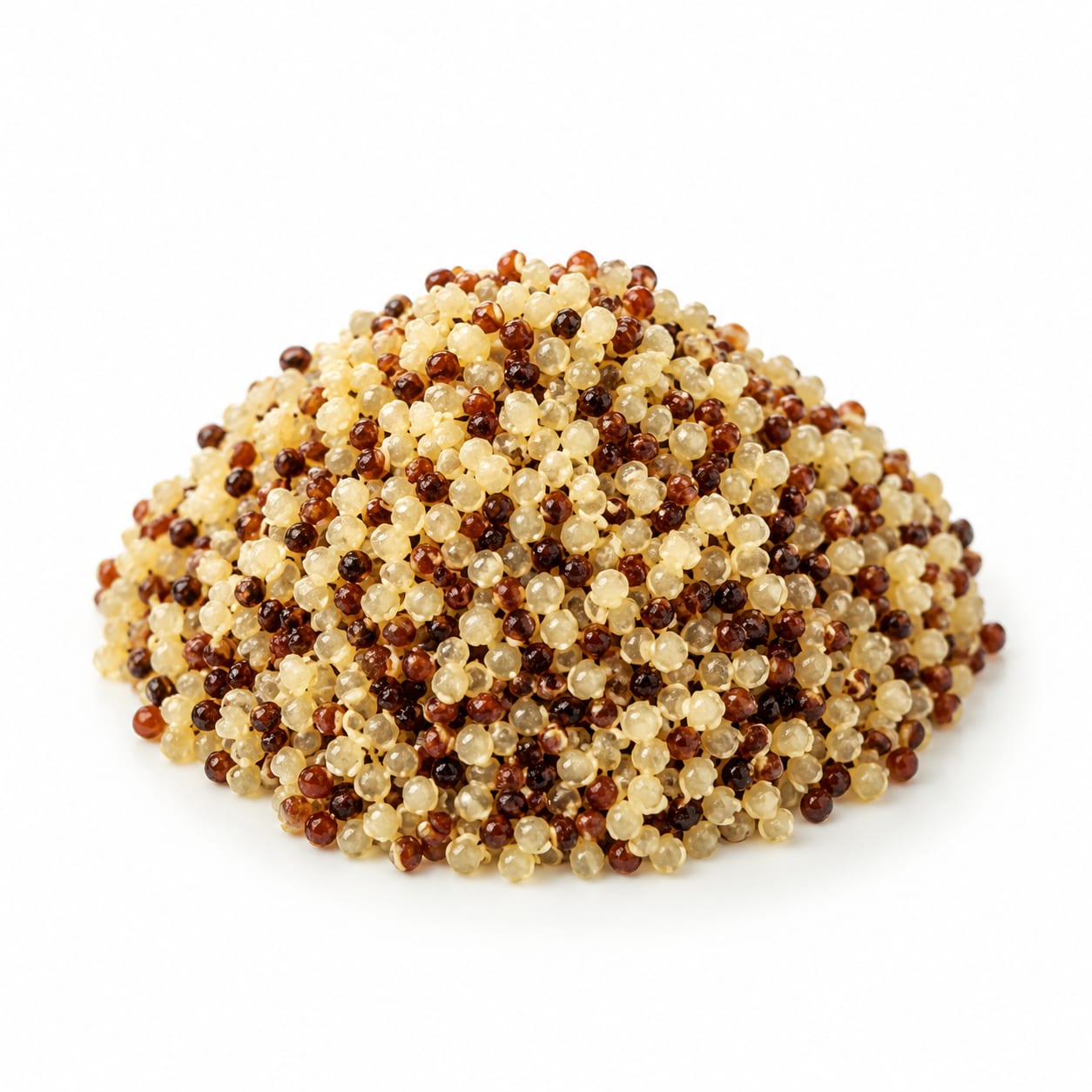
Quinoa
Quinoa wins on protein completeness and gluten-free versatility, while Kamut offers richer selenium, a heartier texture, and a buttery flavor that many find more satisfying.
Quinoa scores higher overall due to its complete protein profile, gluten-free status, and faster cooking time. Kamut remains competitive with superior selenium, zinc, and a more satisfying eating experience, but its gluten content excludes a significant portion of potential users.
Complete protein and gluten-free access versus higher mineral density and a more filling, flavorful eating experience.
At a glance
Executive summary
Overall
It depends
Healthier
Quinoa
More practical
Quinoa
Daily use
It depends
Key comparison lenses
ancient grain vs pseudocereal nutrition
Users comparing these two are typically seeking the most nutrient-dense grain alternative for daily meals
gluten tolerance and digestive compatibility
Kamut contains gluten while quinoa is naturally gluten-free, a decisive factor for many consumers
protein quality for plant based diets
Both are prized for protein content, but completeness and amino acid profiles differ significantly
meal versatility and cooking convenience
Practical everyday use depends on cook time, flavor adaptability, and recipe flexibility
blood sugar management
Both are popular among people seeking steadier energy from whole grains
Best choice for
Kamut
- People who tolerate gluten and want a more filling, flavorful grain
- Those seeking higher selenium and zinc intake
- Anyone wanting a heartier, chewier texture in grain bowls
- Home cooks who prefer a rich, buttery taste without added fat
Quinoa
- Anyone with celiac disease or gluten sensitivity
- Vegans needing complete protein from a single source
- Meal preppers wanting faster cook times
- People managing blood sugar who want slightly lower glycemic impact
Least suitable for
Kamut
- Anyone with celiac disease or gluten intolerance
- People who need quick-cooking weeknight staples
- Those avoiding wheat family grains entirely
Quinoa
- People sensitive to saponins or who skip rinsing
- Anyone bored by milder flavors who wants a more robust grain
- Those seeking maximum satiety per calorie
Deep comparison
Dimension by dimension
Each lens scores both foods and breaks down who each option suits.
- Dimension 1 · Priority 95Quinoa
Protein Quality and Completeness
Kamut · 68Quinoa · 92Quinoa provides all nine essential amino acids in adequate ratios, making it a rare complete plant protein. Kamut has solid protein quantity but lacks sufficient lysine.
Tradeoff
Kamut offers slightly more total protein per serving, but quinoa delivers it in a more usable form your body can actually build with.
Why it matters
For plant-based eaters, getting complete protein from a single food simplifies meal planning and reduces the need to combine sources.
Real-world impact
A quinoa bowl after a workout gives your muscles usable building blocks without needing to add beans or nuts to complete the amino acid profile.
Kamut
- Heavy training days where total protein grams matter more than profile
Better for
- Solo meals where no other protein source is available
Worse for
Quinoa
- Vegans and vegetarians relying on grains as a primary protein source
- Anyone eating grain-only meals who needs complete amino acids
- Post-workout recovery when combining foods is inconvenient
Better for
- Dimension 2 · Priority 90Quinoa
Gluten and Digestive Tolerance
Kamut · 35Quinoa · 95Quinoa is naturally gluten-free and well-tolerated by most people. Kamut contains gluten, though some with mild wheat sensitivity report better tolerance than with modern wheat.
Tradeoff
Kamut may be gentler than regular wheat for some, but it still contains gluten and is unsafe for anyone with celiac disease.
Why it matters
Roughly 6-7% of the population has non-celiac gluten sensitivity, and celiac disease affects about 1%. For them, this is a dealbreaker dimension.
Real-world impact
If you serve Kamut at a dinner party, you need to check with guests about gluten issues. Quinoa works for everyone at the table.
Kamut
- People who tolerate gluten fine and prefer wheat-family grains
Better for
- Celiac individuals and those with diagnosed gluten intolerance
- Anyone following an anti-inflammatory gluten-free protocol
Worse for
Quinoa
- Anyone with celiac disease or gluten sensitivity
- Households with mixed dietary needs
- Potluck or shared-meal situations where allergies are unknown
Better for
- People who find quinoa causes bloating when unrinsed
Worse for
- Dimension 3 · Priority 85Kamut
Mineral Density and Micronutrients
Kamut · 86Quinoa · 78Kamut delivers notably more selenium, zinc, and phosphorus per serving. Quinoa counters with more manganese, magnesium, and folate.
Tradeoff
Kamut is a selenium powerhouse, supporting thyroid and immune function. Quinoa edges ahead on magnesium, which matters for sleep and muscle recovery.
Why it matters
Selenium deficiency is surprisingly common and affects thyroid health. If you eat limited seafood and Brazil nuts, Kamut is a meaningful source.
Real-world impact
Regular Kamut consumption can move the needle on selenium intake in a way few other plant foods can. That translates to better immune resilience over time.
Kamut
- Anyone with low selenium intake, especially those who eat little seafood
- People wanting immune and thyroid support from food
- Older adults who need more zinc for immune function
Better for
Quinoa
- Those prioritizing magnesium for sleep, cramps, or recovery
- Pregnant women needing extra folate
Better for
- Dimension 4 · Priority 80Kamut
Satiety and Eating Satisfaction
Kamut · 84Quinoa · 72Kamut's chewy, dense texture and higher calorie density per cooked cup make it more filling. Quinoa is lighter and fluffier, which some find less satisfying on its own.
Tradeoff
Kamut keeps you fuller for longer but takes more chewing and feels heavier. Quinoa is lighter and easier to eat in larger portions without feeling stuffed.
Why it matters
If a grain does not satisfy you, you end up eating more of something else. Satiety per calorie matters for weight management.
Real-world impact
A Kamut grain bowl at lunch is more likely to carry you to dinner without a snack break. A quinoa bowl might leave you hunting for something crunchy by 3pm.
Kamut
- Big eaters who find light grains unsatisfying
- Anyone trying to reduce snacking between meals
- Active people needing sustained energy from a single dish
Better for
- People who dislike heavy, chewy textures
Worse for
Quinoa
- Light eaters who prefer not feeling heavy after meals
- Hot weather eating when dense foods feel unappealing
Better for
- Anyone prone to afternoon hunger after grain-based lunches
Worse for
- Dimension 5 · Priority 75Quinoa
Cooking Convenience and Speed
Kamut · 55Quinoa · 82Quinoa cooks in 15-20 minutes. Whole grain Kamut typically requires 40-60 minutes, sometimes longer if not pre-soaked.
Tradeoff
Quinoa fits into weeknight cooking without planning. Kamut rewards patience and pre-soaking but demands more foresight.
Why it matters
The best grain for you is the one you actually cook. If Kamut sits in your pantry because it takes too long, its nutritional advantages are irrelevant.
Real-world impact
You can start quinoa after work and eat in 20 minutes. Kamut requires thinking ahead or using a pressure cooker to be practical on busy days.
Kamut
- Weekend meal prep when time is not a factor
- Pressure cooker owners who can cut cook time significantly
Better for
- Anyone cooking in a time crunch
- People unwilling to pre-soak grains overnight
Worse for
Quinoa
- Weeknight dinners when time is tight
- Beginner cooks who want foolproof, fast results
- Meal preppers making large batches quickly
Better for
- Dimension 6 · Priority 70Quinoa
Blood Sugar Stability
Kamut · 65Quinoa · 74Both are moderate glycemic choices, but quinoa has a slightly lower glycemic index and more fiber per calorie, leading to steadier blood sugar responses.
Tradeoff
The difference is modest. Both are far better than white rice or bread. Quinoa has a slight edge that matters most for people actively managing diabetes.
Why it matters
Steadier blood sugar means fewer energy crashes, less cravings, and better metabolic health over years of daily eating.
Real-world impact
After a quinoa meal, you are less likely to hit that 2pm energy dip. With Kamut, the difference is small but noticeable for sensitive individuals.
Kamut
- Highly insulin-resistant individuals who need the lowest GI options
Worse for
Quinoa
- People with diabetes or prediabetes
- Anyone prone to energy crashes after carb-heavy meals
- Those pairing grains with fat and protein for blood sugar control
Better for
- Dimension 7 · Priority 65It depends
Antioxidant and Anti-inflammatory Profile
Kamut · 76Quinoa · 78Kamut is rich in selenium and unique wheat antioxidants like carotenoids. Quinoa offers quercetin, kaempferol, and saponins with documented anti-inflammatory effects.
Tradeoff
They shine in different antioxidant categories. Kamut's selenium supports glutathione production, while quinoa's flavonoids directly combat oxidative stress.
Why it matters
Diverse antioxidant intake matters more than high doses of one type. Rotating both gives broader protection than picking just one.
Real-world impact
Eating Kamut supports your body's own antioxidant enzyme systems. Eating quinoa delivers plant compounds that directly neutralize free radicals. Both strategies are valuable.
Kamut
- People with low selenium intake wanting immune support
- Anyone eating limited antioxidant-rich seafood
Better for
Quinoa
- Those seeking direct anti-inflammatory compounds from flavonoids
- People with inflammatory conditions who benefit from quercetin
Better for
Timeline
Health impact over time
Short-term
Hours to days
Kamut
- Provides sustained, heavy energy that carries through long stretches between meals
- May cause bloating or discomfort in gluten-sensitive individuals within hours
- The dense, chewy texture promotes thorough chewing, which aids digestion
Quinoa
- Delivers lighter, steadier energy without a heavy feeling in the stomach
- Can cause mild bloating if saponins are not rinsed off before cooking
- Quick digestion makes it suitable before or after exercise without sluggishness
Long-term
Months to years
Kamut
- Consistent selenium intake supports thyroid function and immune resilience over years
- Regular gluten consumption is fine for most people but risky for undiagnosed celiac disease
- The high satiety factor may help with portion control and weight maintenance long-term
Quinoa
- Complete protein intake supports muscle maintenance, especially important for aging adults
- Gluten-free nature reduces chronic low-grade inflammation risk for sensitive individuals
- Flavonoid intake from regular consumption may reduce long-term cardiovascular risk
Risk profile
Safety & processing
Both Kamut and quinoa are whole foods with minimal processing. Kamut is an ancient wheat variety that has not been heavily hybridized. Quinoa is a seed harvested with minimal intervention. Neither typically contains additives in their whole form. The only processing concern is that some quinoa brands pre-rinse saponins, which is actually beneficial. Both are about as close to natural as grain-like foods get.
Kamut
Gluten exposure for sensitive individuals
highKamut contains gluten and is unsafe for anyone with celiac disease. Some with mild wheat sensitivity report better tolerance, but this is unreliable and risky to test without medical supervision.
Contamination with modern wheat
lowBecause Kamut is less commonly grown, cross-contamination with conventional wheat during processing is possible. Certified organic Kamut reduces this risk.
Quinoa
Saponin-related digestive irritation
mediumUnrinsed quinoa retains bitter saponins that can cause stomach upset and reduce nutrient absorption. Most commercial quinoa is pre-rinsed, but an extra rinse is always wise.
Oxalate content
lowQuinoa contains moderate oxalates, which may be a concern for people prone to kidney stones. This is rarely a practical issue at normal serving sizes.
Who wins for whom
Audience fit
Same foods, different winners depending on your goal.
children
QuinoaQuinoa's softer texture, milder flavor, and gluten-free status make it more kid-friendly and safer for children with undiagnosed sensitivities.
daily consumption
It dependsIf you tolerate gluten, rotating both gives the broadest nutrient coverage. If gluten is any concern, quinoa is the clear daily staple.
diabetes
QuinoaQuinoa's slightly lower glycemic index and higher fiber-to-carb ratio provide steadier blood sugar responses, which matters for daily glucose management.
elderly
QuinoaComplete protein supports muscle preservation in aging, and the gluten-free nature avoids triggering late-onset sensitivities. Easier chewing is also a plus.
muscle gain
QuinoaQuinoa's complete protein profile provides all essential amino acids needed for muscle repair, making it more efficient for recovery when paired with training.
weight loss
KamutKamut's higher satiety per calorie helps control portions naturally. You feel fuller with less, reducing the urge to snack between meals.
Your move
Decision guide
Choose Kamut
- You tolerate gluten well and want a more satisfying, filling grain
- Selenium and zinc intake are priorities for your thyroid and immune health
- You enjoy chewy, hearty textures and find light grains unsatisfying
- You cook in batches on weekends and do not mind longer cook times
Choose Quinoa
- You have any gluten sensitivity or cook for people who might
- You are plant-based and need complete protein from efficient sources
- You want a quick-cooking grain for busy weeknights
- You are managing blood sugar and want the lowest glycemic option
Either works if
- You tolerate gluten and want variety in your grain rotation
- You are generally healthy and just want a nutritious whole grain
- You pair grains with vegetables, legumes, and healthy fats anyway
Avoid both if
- You are on a strict low-carb or ketogenic diet
- You have severe grain or seed allergies that include both
Final recommendation
If gluten is not a concern, eat both. Rotate Kamut for its selenium density and satisfying heft, and quinoa for its complete protein and quick cooking. If you must pick one, quinoa is the safer all-around choice with broader compatibility, while Kamut is the more rewarding experience for those who can eat it.
Practical
Consumer tips
- 1
Always rinse quinoa under cold water for 30 seconds before cooking to remove bitter saponins, even if the package says pre-rinsed
- 2
Soak Kamut overnight to cut cooking time from 60 minutes down to about 30 and improve digestibility
- 3
Use a pressure cooker for Kamut to make it practical for weeknight meals without pre-soaking
- 4
Toast either grain in a dry pan for 2-3 minutes before adding liquid to deepen flavor significantly
- 5
Cook a large batch of Kamut on Sunday and refrigerate portions for quick use throughout the week
- 6
Pair Kamut with a lysine-rich food like beans or lentils to compensate for its incomplete amino acid profile
- 7
If new to Kamut, start with a small portion to test gluten tolerance before making it a regular staple