
Nutrition comparison
Kamut vs Barley: Which Ancient Grain Is Healthier for You?
Compare Kamut and Barley nutrition, fiber, protein, and health benefits. Discover which grain is better for heart health, blood sugar, and daily eating.
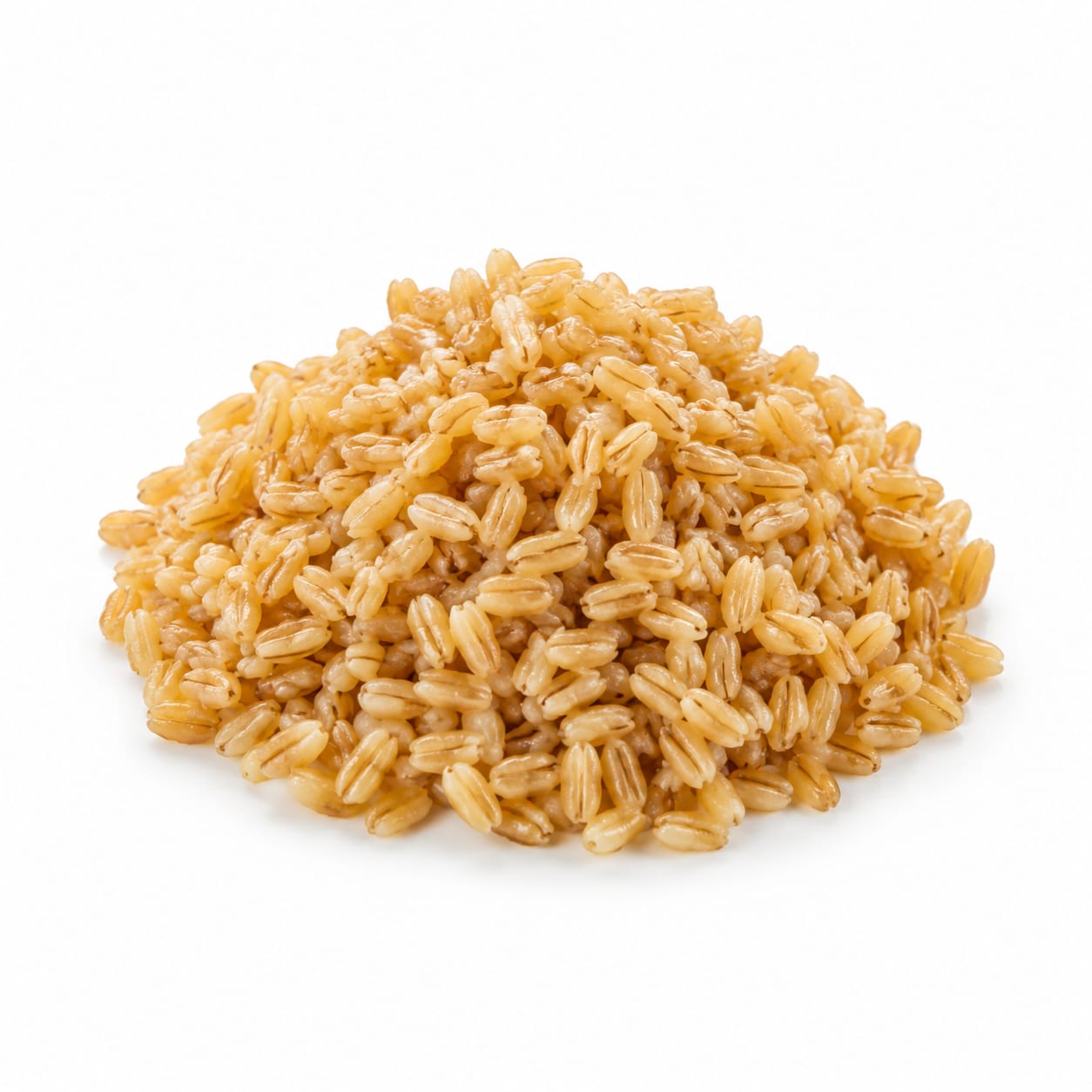
Kamut
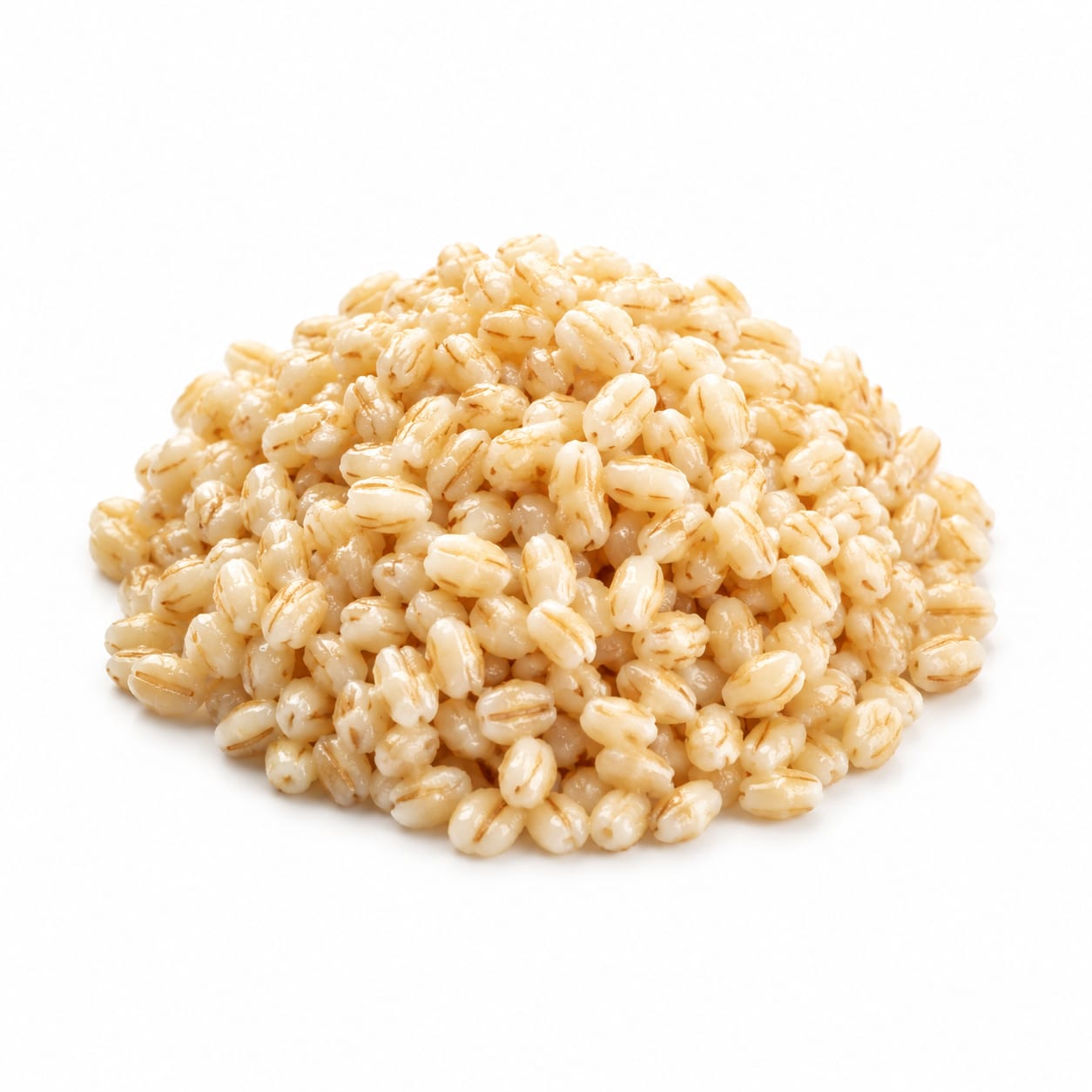
Barley
Kamut delivers more protein and minerals per bite, while Barley dominates fiber and heart health benefits. Your priority determines the winner.
Barley edges ahead due to its clinically proven heart health benefits and superior fiber content, which benefits more people more consistently. Kamut wins on nutrient density and protein but serves a narrower audience.
Kamut offers richer nutrient density and a buttery, satisfying chew, but Barley's soluble fiber makes it the smarter choice for cholesterol and blood sugar management.
At a glance
Executive summary
Overall
It depends
Healthier
Barley
More practical
Barley
Daily use
Barley
Key comparison lenses
Ancient grain vs traditional grain for daily nutrition
Users comparing these two are usually deciding which whole grain to adopt as a staple
Heart health and cholesterol management
Barley's beta-glucan is clinically proven for cholesterol lowering, making this a key differentiator
Blood sugar control and diabetes prevention
Both grains affect blood sugar differently, a critical factor for many consumers
Protein quality and mineral density
Kamut's superior protein and selenium content matters for those seeking nutrient density
Digestive tolerance and gluten sensitivity
Some wheat-sensitive individuals report better tolerance with Kamut, though neither is safe for celiacs
Best choice for
Kamut
- Athletes needing higher protein from grains
- People seeking selenium and zinc support
- Those wanting a richer, more satisfying grain experience
- Anyone bored with standard whole grains
Barley
- People managing high cholesterol
- Anyone monitoring blood sugar closely
- Those wanting maximum fiber per serving
- Budget-conscious shoppers seeking health value
Least suitable for
Kamut
- People with celiac disease or gluten intolerance
- Those prioritizing cholesterol reduction quickly
- Budget-limited households
Barley
- People with celiac disease or gluten intolerance
- Anyone wanting higher protein from their grain base
- Those who find high-fiber meals cause bloating initially
Deep comparison
Dimension by dimension
Each lens scores both foods and breaks down who each option suits.
- Dimension 1 · Priority 95Barley
Fiber & Digestive Health
Kamut · 62Barley · 91Barley is a fiber powerhouse, especially beta-glucan, which feeds gut bacteria and lowers cholesterol. Kamut provides decent fiber but cannot compete here.
Tradeoff
Choosing Kamut means settling for good fiber instead of exceptional fiber. The digestive and cardiovascular payoff of Barley's beta-glucan is hard to replicate.
Why it matters
Beta-glucan is one of the most well-researched fibers for heart health. You would need to eat significantly more Kamut to approach Barley's soluble fiber intake.
Real-world impact
A bowl of Barley at lunch keeps you fuller longer and supports healthier cholesterol numbers over months. Kamut fills you up but misses the targeted heart health boost.
Kamut
- Lighter digestive load for sensitive stomachs
Better for
- Less cholesterol-lowering potential
- Slower digestive transit compared to high-fiber alternatives
Worse for
Barley
- Lowering LDL cholesterol
- Feeding beneficial gut bacteria
- Staying full between meals
- Improving bowel regularity
Better for
- Can cause bloating when first increasing fiber intake
- Requires gradual introduction for sensitive digestive systems
Worse for
- Dimension 2 · Priority 86Kamut
Protein & Nutrient Density
Kamut · 88Barley · 64Kamut contains notably more protein per serving and delivers higher selenium, zinc, and magnesium. It is the more nutrient-dense grain spoon for spoon.
Tradeoff
Kamut gives you more building blocks for muscle and immunity per calorie, but you sacrifice the soluble fiber advantage that Barley provides.
Why it matters
For active people or those not getting enough minerals from other sources, Kamut acts like a multivitamin in grain form. Selenium alone supports thyroid and immune function.
Real-world impact
Replacing your regular grain with Kamut at dinner adds meaningful protein and minerals without changing portion sizes. It is an easy upgrade for nutrient seekers.
Kamut
- Supporting muscle maintenance with grain-based protein
- Boosting selenium for thyroid health
- Increasing zinc intake for immune support
- Getting more nutrition per calorie consumed
Better for
- Higher calorie density per serving may not suit weight loss goals
Worse for
Barley
- Providing sustained energy through slower digestion
Better for
- Lower protein means you need to compensate elsewhere in your meal
- Less mineral variety per serving
Worse for
- Dimension 3 · Priority 88Barley
Blood Sugar Stability
Kamut · 65Barley · 84Barley's beta-glucan forms a gel in your gut that slows glucose absorption, creating steadier blood sugar. Kamut has a moderate glycemic impact, better than refined grains but not as controlled as Barley.
Tradeoff
If blood sugar management is your priority, Barley is clearly superior. Kamut still beats white rice or bread but does not offer the same glucose-buffering effect.
Why it matters
Steady blood sugar means fewer afternoon energy crashes, reduced cravings, and lower long-term diabetes risk. This is where Barley genuinely shines.
Real-world impact
A Barley-based lunch keeps your energy smooth through the afternoon. Kamut may leave you reaching for a snack sooner if you are sensitive to blood sugar swings.
Kamut
- Still a moderate glycemic choice compared to refined grains
Better for
- Less effective at buffering glucose absorption
- May cause quicker hunger return compared to Barley meals
Worse for
Barley
- Preventing post-meal blood sugar spikes
- Reducing diabetes risk with regular consumption
- Managing cravings through steadier glucose levels
- Supporting metabolic health long-term
Better for
- Requires choosing hulled or lightly pearled varieties for maximum benefit
Worse for
- Dimension 4 · Priority 90Barley
Heart Health
Kamut · 60Barley · 92Barley carries an FDA-approved heart health claim for its beta-glucan content. Kamut supports heart health indirectly through minerals and antioxidants but lacks the same clinical evidence.
Tradeoff
If cardiovascular health is your top concern, Barley is one of the best grains available. Kamut offers general wellness support but not the targeted cholesterol-lowering effect.
Why it matters
Three grams of beta-glucan daily can reduce LDL cholesterol by 5-10 percent. Barley makes this achievable in a single serving.
Real-world impact
Eating Barley regularly is like taking a gentle, food-based cholesterol medication. Kamut is healthy but will not move your cholesterol numbers the same way.
Kamut
- Antioxidants may reduce inflammation
- Selenium supports overall cardiovascular function
Better for
- No direct cholesterol-lowering mechanism comparable to beta-glucan
Worse for
Barley
- Clinically proven LDL cholesterol reduction
- Improving arterial health through soluble fiber
- Reducing heart disease risk with consistent intake
- FDA-recognized heart health benefit
Better for
- Minimal direct antioxidant advantage
Worse for
- Dimension 5 · Priority 72Kamut
Taste, Texture & Satisfaction
Kamut · 85Barley · 70Kamut has a rich, buttery flavor and a plump, chewy texture that feels more indulgent. Barley is earthy and hearty but can become mushy if overcooked.
Tradeoff
Kamut makes healthy eating feel more luxurious and satisfying, which matters for long-term adherence. Barley is comforting but less exciting on the plate.
Why it matters
People eat what they enjoy. A grain that feels like a treat is easier to eat consistently than one that feels purely functional.
Real-world impact
Kamut turns a simple grain bowl into something you actually look forward to. Barley works beautifully in soups but rarely excites anyone on its own.
Kamut
- Richer, more complex flavor profile
- Plump chewy texture that feels satisfying
- Makes healthy meals feel indulgent
- Works well as a standalone grain dish
Better for
- Longer cooking time requires planning
Worse for
Barley
- Excellent in soups and stews where texture blends
- Mild flavor absorbs seasonings well
Better for
- Can become mushy and unappealing if overcooked
- Less exciting as a standalone side dish
Worse for
- Dimension 6 · Priority 68Barley
Affordability & Accessibility
Kamut · 45Barley · 82Barley is widely available and inexpensive. Kamut is a specialty ancient grain that costs significantly more and requires specialty stores or online ordering.
Tradeoff
Choosing Kamut means paying a premium for nutrient density. Barley delivers impressive health benefits at a fraction of the cost.
Why it matters
The healthiest grain only works if you can afford to eat it regularly. Barley's low cost makes daily consumption realistic for most budgets.
Real-world impact
A bag of Barley costs less than half what you would pay for the same amount of Kamut. For families eating grains daily, this adds up fast.
Kamut
- Premium quality may justify cost for dedicated health enthusiasts
Better for
- Significantly higher price per pound
- Limited availability in conventional stores
- Often requires online ordering with shipping costs
Worse for
Barley
- Budget-friendly for daily consumption
- Available in most grocery stores
- Easy to find in bulk for savings
- No need for specialty shopping
Better for
- Less perceived premium quality
Worse for
Timeline
Health impact over time
Short-term
Hours to days
Kamut
- Steady energy with moderate blood sugar impact
- Good satiety from protein and fiber combination
- May feel heavier than Barley due to lower soluble fiber
Barley
- Strong feeling of fullness from beta-glucan fiber
- Slower digestion prevents energy crashes
- Possible bloating if your body is unaccustomed to high fiber
Long-term
Months to years
Kamut
- Better mineral status from consistent selenium and zinc intake
- Antioxidant compounds may reduce chronic inflammation
- General health maintenance without targeted cholesterol benefit
Barley
- Measurable LDL cholesterol reduction with regular consumption
- Improved gut microbiome diversity from soluble fiber
- Lower long-term diabetes and heart disease risk
Risk profile
Safety & processing
Both Kamut and Barley are whole grains with minimal processing when purchased in their hulled or whole form. However, pearled Barley has had its bran partially removed, reducing fiber and nutrients. Always choose hulled Barley for maximum health benefit.
Kamut
Gluten content
highKamut contains gluten and is unsafe for anyone with celiac disease. Some with mild wheat sensitivity report better tolerance, but this is not medically validated.
Cross-contamination in processing
lowAs a specialty grain, Kamut may be processed on shared equipment with other grains. Check labels if you have severe allergies.
Barley
Gluten content
highBarley contains gluten and is unsafe for anyone with celiac disease or gluten intolerance.
Nutrient loss in pearled varieties
mediumPearled Barley removes the bran layer, significantly reducing fiber and mineral content. Hulled Barley retains nutrients but is less commonly available.
Who wins for whom
Audience fit
Same foods, different winners depending on your goal.
children
BarleyBarley's milder flavor and softer texture when cooked are more kid-friendly, and its fiber supports healthy digestion in growing bodies.
daily consumption
BarleyBarley's affordability, availability, and broad health benefits make it more practical and sustainable as a daily staple grain.
diabetes
BarleyBarley's beta-glucan slows glucose absorption more effectively, resulting in lower post-meal blood sugar spikes and better long-term glycemic control.
elderly
BarleyBarley's heart health benefits and blood sugar stability are especially valuable for older adults, and its fiber supports regularity.
muscle gain
KamutKamut provides more protein per serving, which supports muscle maintenance when paired with adequate overall protein intake.
weight loss
BarleyBarley's exceptional fiber content keeps you fuller longer on fewer calories, making it easier to maintain a calorie deficit without feeling deprived.
Your move
Decision guide
Choose Kamut
- You want maximum protein and minerals from your grain
- Heart health is not your primary concern
- You enjoy richer, more indulgent grain textures
- Budget is not a limiting factor
- You are bored with standard whole grains and need variety
Choose Barley
- Cholesterol or heart health is a priority
- You want the best grain for blood sugar control
- Affordability and availability matter for daily use
- You want maximum fiber per serving
- You are building a heart-healthy eating pattern
Either works if
- You are simply replacing refined grains with whole grains
- You have no specific health condition driving your choice
- You enjoy rotating different grains for variety
Avoid both if
- You have celiac disease or confirmed gluten intolerance
- You are following a strict gluten-free diet for any reason
Final recommendation
For most people, Barley is the smarter daily grain thanks to its proven heart health benefits, superior fiber, and affordable price. Choose Kamut when you want a nutrient-dense treat with more protein and a luxurious texture, but do not rely on it as your primary cholesterol-fighting grain. If you can afford both, rotate them for the broadest nutritional benefit.
Practical
Consumer tips
- 1
Choose hulled Barley over pearled Barley whenever possible. Pearling removes the bran and cuts fiber content significantly.
- 2
Soak Kamut overnight to reduce cooking time from 60+ minutes to around 30 minutes. The texture improves too.
- 3
If switching to Barley for fiber, increase your intake gradually over two weeks to avoid bloating and gas.
- 4
Kamut berries make excellent grain salads with roasted vegetables and a bright vinaigrette. The buttery flavor shines here.
- 5
Barley shines in soups and stews where it absorbs broth and releases thickening starches. Try it in mushroom barley soup.
- 6
Neither grain is safe for celiacs. If you are gluten-sensitive but not celiac, test Kamut cautiously as some report better tolerance, but this is individual.
- 7
Buy Kamut in bulk online to reduce the per-serving cost. It stores well in airtight containers for months.