
Fruit
Jujube
Jujube is a sweet, edible fruit popular in Asian cuisine, available fresh or dried, known for its high vitamin C and antioxidant content.
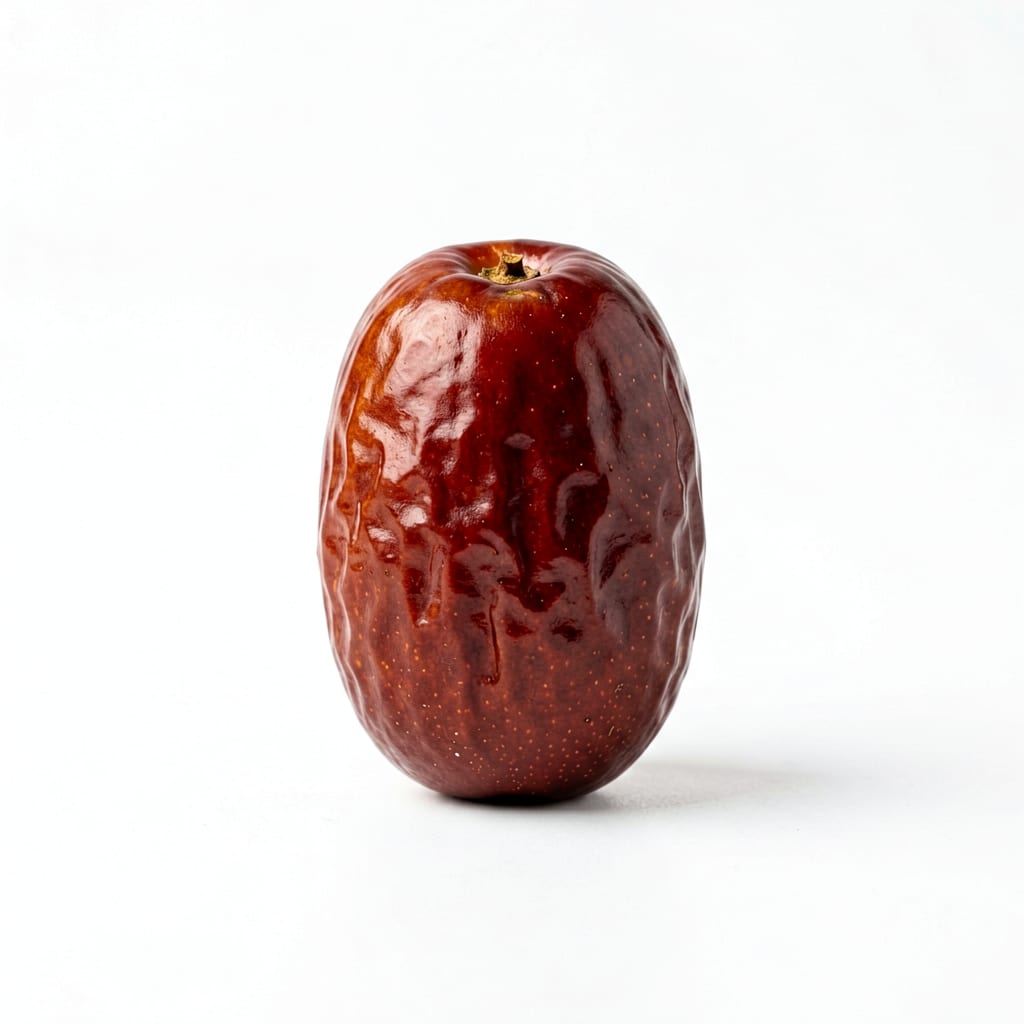
Jujube, also known as red date or Chinese date, is a small oval fruit that starts green and turns dark red or brown as it ripens and dries. It is commonly consumed fresh, dried, or used in teas and traditional recipes.
moderate-calorie antioxidant fruit
Typical serving · 100g
Common varieties · Li, Lang, Sherwood, Honey Jar, Sugar Cane +1 more
Overall context score across nutrition, safety, and diet fit
At a glance
Quick facts
Simple indicators based on nutrition, processing, and diet fit.
The story
What makes it unique
Fresh jujube is a moderate-carbohydrate fruit with significant vitamin C content and a low glycemic index. Dried jujube is energy-dense with concentrated sugars and fiber. Digestion speed is moderate for fresh fruit and slower for dried due to fiber content. Satiety is moderate, influenced by chewiness in the dried form.
Varieties: Li · Lang · Sherwood · Honey Jar · Sugar Cane · GA-866
Per 100g
Nutrition breakdown
Macro balance and key metrics at a glance.
Energy
Density 0.79 kcal/g
Protein
Carbs
Fat
Fiber
Sugar
10 g
Sodium
3 mg
Potassium
250 mg
Glycemic index
35
Glycemic load
7
Water content
75%
Standout compounds
Nutrient highlights
Vitamin C
highSupports immune function and collagen synthesis
Fiber
moderatePromotes digestive regularity and gut health
Potassium
moderateHelps regulate blood pressure and fluid balance
Flavonoids
highProvides antioxidant and anti-inflammatory effects
Wellness map
Health scores & processing
NOVA processing scale
minimally processed · Whole food
Fresh jujube is an unprocessed whole food. Dried jujube is dehydrated but remains minimally processed unless sweetened or candied.
Diet compatibility
- Weight loss
- Muscle gain
- Diabetes
- Gut health
- Low carb
- High protein
- Heart health
Relative standing
Food rankings
Qualitative ranks compared to similar whole foods.
- Satietygood
- Blood sugargood
- Nutrient densitygood
- Fitness fuelmoderate
- Processing qualityexcellent
Eat with confidence
Food safety profile
Fresh jujube is generally safe with low microbial risk. Primary concern is pesticide residue on the skin, which is mitigated by washing.
Evidence confidence 80%
- Pesticidesmoderate
- Antibioticslow
- Heavy metalslow
- Contaminationlow
Watch for
- Pesticide residues
- Dust and debris from drying process
Safer choices
Organic jujubes to avoid pesticide exposure
Prep tips
Rinse fresh jujubes thoroughly under cool running water and gently rub the skin. Soak dried jujubes in warm water to rehydrate and remove processing dust before eating or cooking.
Conventional cultivation may involve pesticide applications that leave residues on the skin.
Deep dive
Health analysis
How this food may fit different goals and preparation choices.
Weight loss
Fresh jujube offers high volume and low energy density, making it excellent for weight loss. Dried jujube is calorie-dense and should be portion-controlled.
Blood sugar
Fresh jujube has a low glycemic index, causing a slow rise in blood sugar. Dried jujube has concentrated sugars and a higher glycemic impact.
Fitness & energy
Provides quick-digesting natural sugars for short-term energy, best consumed fresh before a workout.
Gut health
Contains dietary fiber and antioxidant compounds that support a healthy gut microbiome and regular digestion.
Processing quality
Fresh jujube is an unprocessed whole food. Dried versions are minimally processed unless coated in syrup.
Food safety
Low risk of microbial contamination. Primary concern is pesticide residue on the skin, mitigated by proper washing.
Common mistakes
Overconsuming dried jujube thinking it has the same caloric profile as fresh, leading to unintended high sugar and calorie intake.
Best preparation
Eaten raw and fresh, added to salads, or steeped in hot water for tea. Dried jujubes are often used in soups and stews.
Practical guide
Best use cases
When and how this food fits real eating patterns.
Pre-workout energy
Fresh jujube provides easily digestible carbohydrates for quick energy before exercise.
Low-calorie snacking
Fresh jujube offers sweet flavor and crisp texture with minimal calories.
Immune support
High vitamin C content in fresh jujube supports immune system function.
Herbal tea base
Dried jujube adds natural sweetness and antioxidants to hot teas and infusions.
Balance sheet
Pros & cons
Upsides
- High in vitamin C when fresh
- Low glycemic index in fresh form
- Good source of antioxidants and flavonoids
- Versatile for snacking, teas, and cooking
- Naturally sweet flavor satisfies sugar cravings
Trade-offs
- Dried versions are high in sugar and calories
- Vitamin C degrades significantly when dried
- Can be difficult to find fresh outside of specialty markets
- Pits pose a choking hazard if not removed before eating
Fit check
Who is it for?
Great match
- weight loss (fresh)
- blood sugar management (fresh)
- immune support
- pre-workout fuel
Consider alternatives
- strict low-carb diets
- high-protein diets
- calorie restriction if eating dried jujube
Side by side
How it compares
Open the full head-to-head analysis for nutrition, safety, and practical tradeoffs.
This food
Jujube
VS85% alike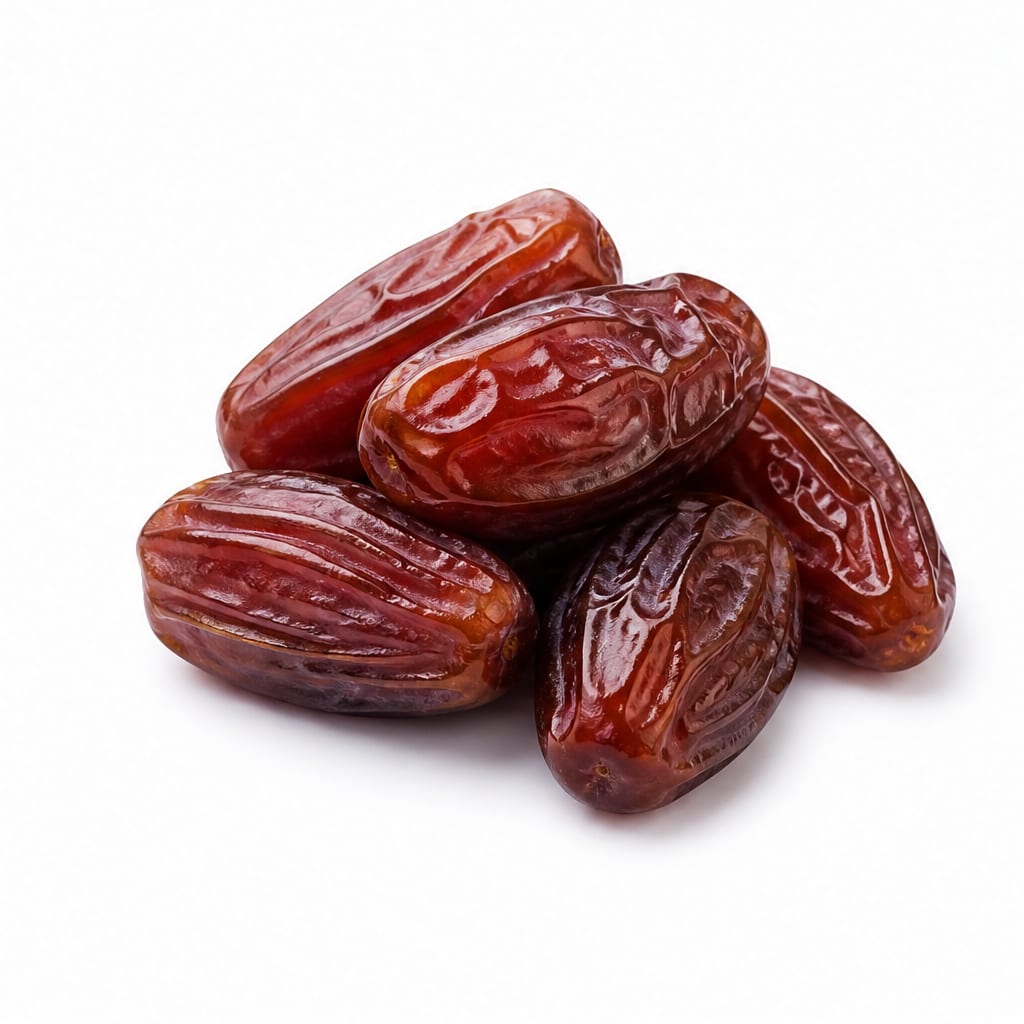
Compare with
Dates
Dates are much sweeter and higher in calories than fresh jujube, while jujube offers significantly more vitamin C.
Jujubes provide far more vitamin C and fewer calories than dates, making them better for weight loss, while dates offer more quick energy for fitness.
This food
Jujube
VS80% alike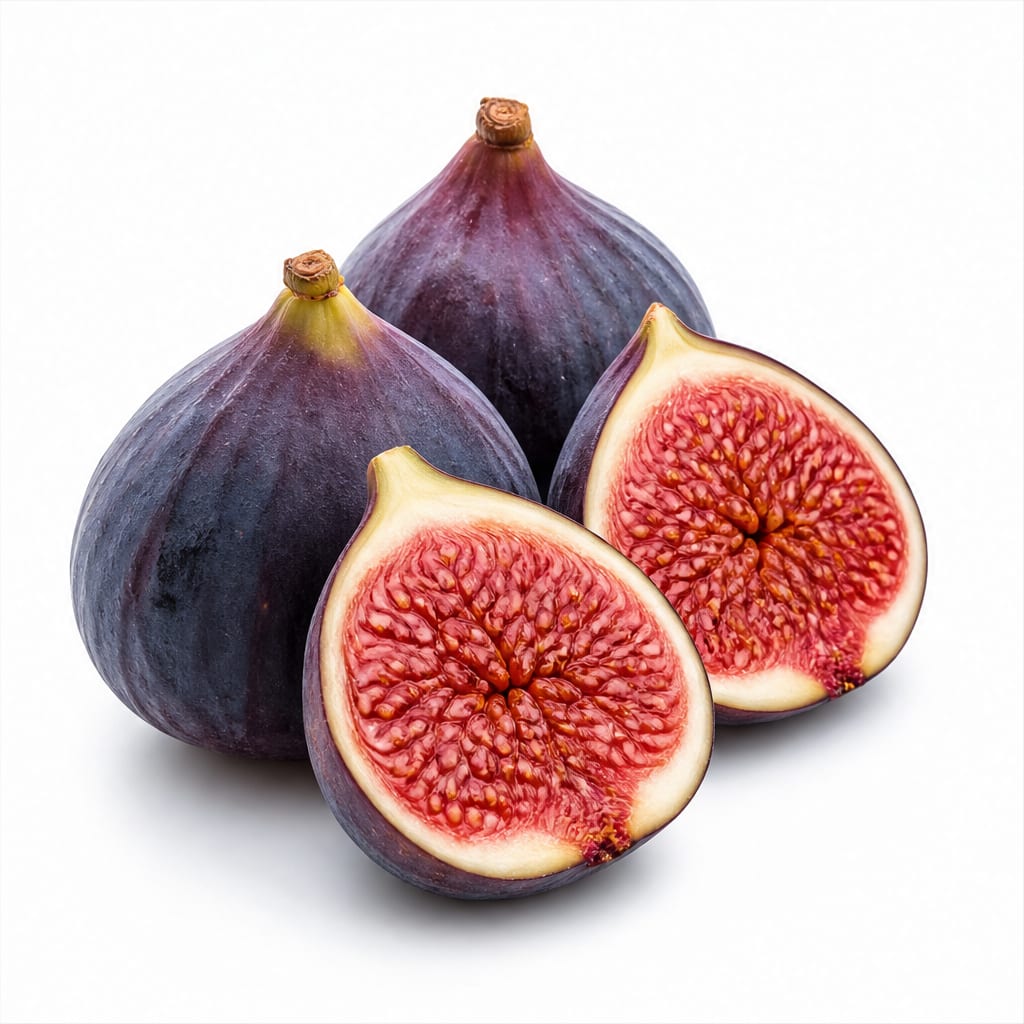
Compare with
Figs
Figs are higher in fiber and calcium, but fresh jujube is lower in calories and higher in vitamin C.
Fresh jujubes are lower in calories and better for blood sugar control than figs, while figs provide more fiber and satiety.
This food
Jujube
VS75% alike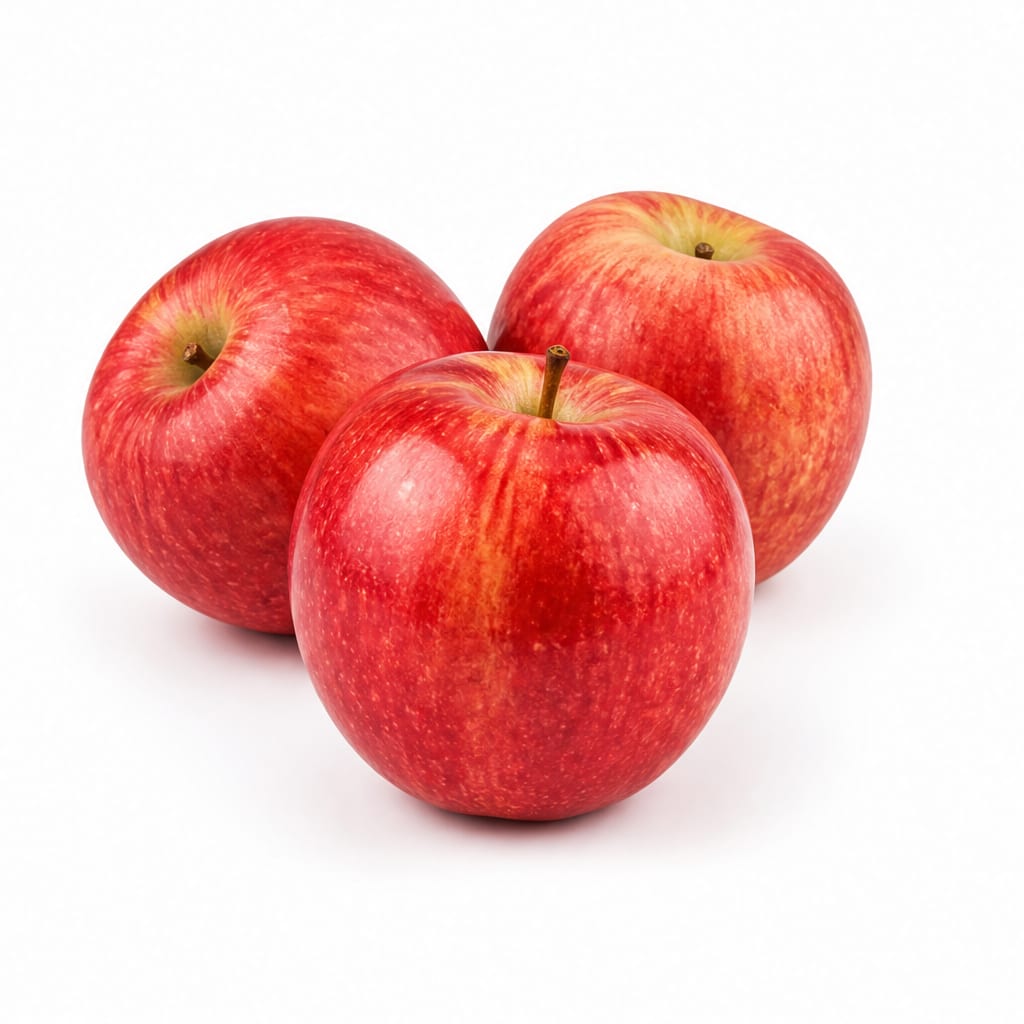
Compare with
Apples
Apples and fresh jujubes have similar calorie profiles, but jujube provides vastly more vitamin C.
Jujubes and apples are similar in calories, but jujubes are much richer in vitamin C and slightly better for blood sugar control.
This food
Jujube
VS70% alike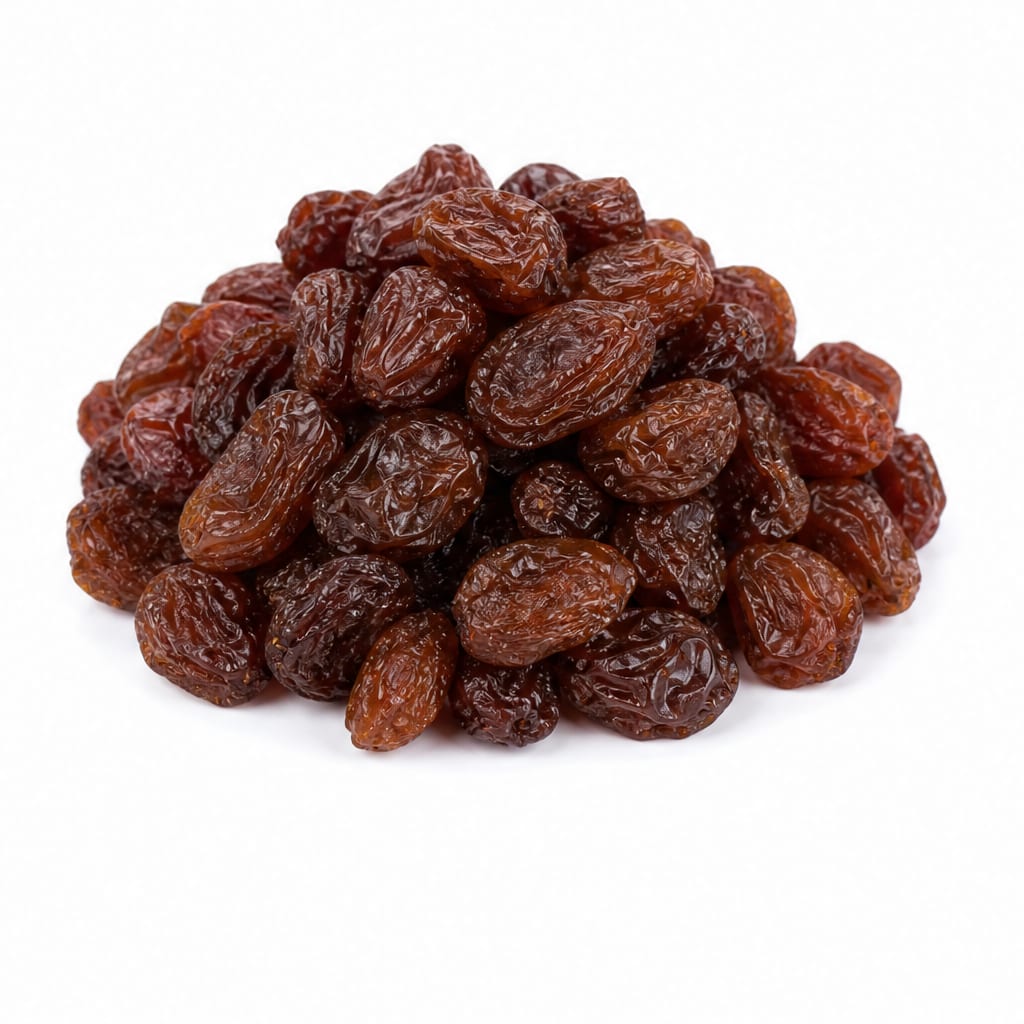
Compare with
Raisins
Raisins are more calorie-dense and higher in sugar than fresh jujube, with less vitamin C.
Fresh jujubes are far lower in calories and sugar than raisins, making them a better choice for weight loss and blood sugar management.
This food
Jujube
VS75% alike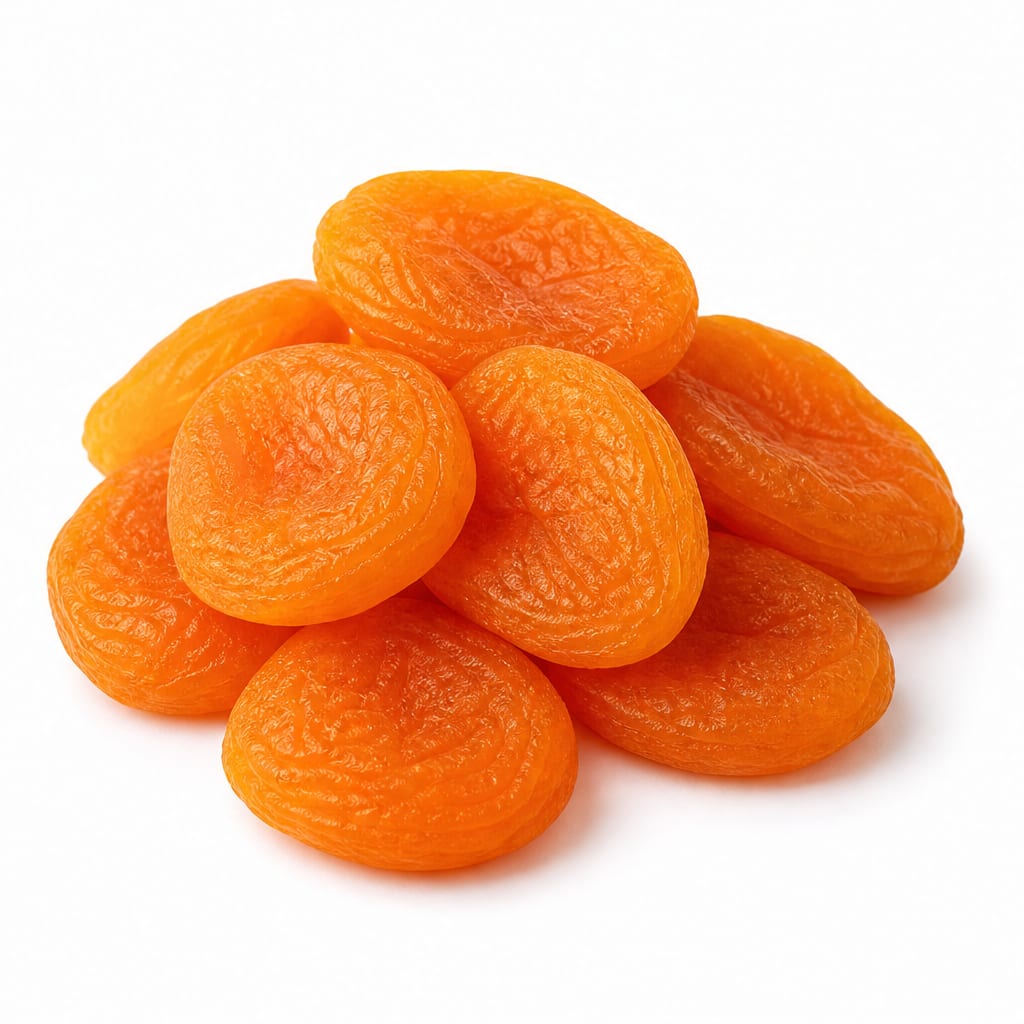
Compare with
Dried Apricots
Dried apricots offer more vitamin A and potassium, while fresh jujube is far lower in calories and sugar.
Fresh jujubes are significantly lower in calories and sugar compared to dried apricots, which offer more potassium and vitamin A.
This food
Jujube
VS70% alike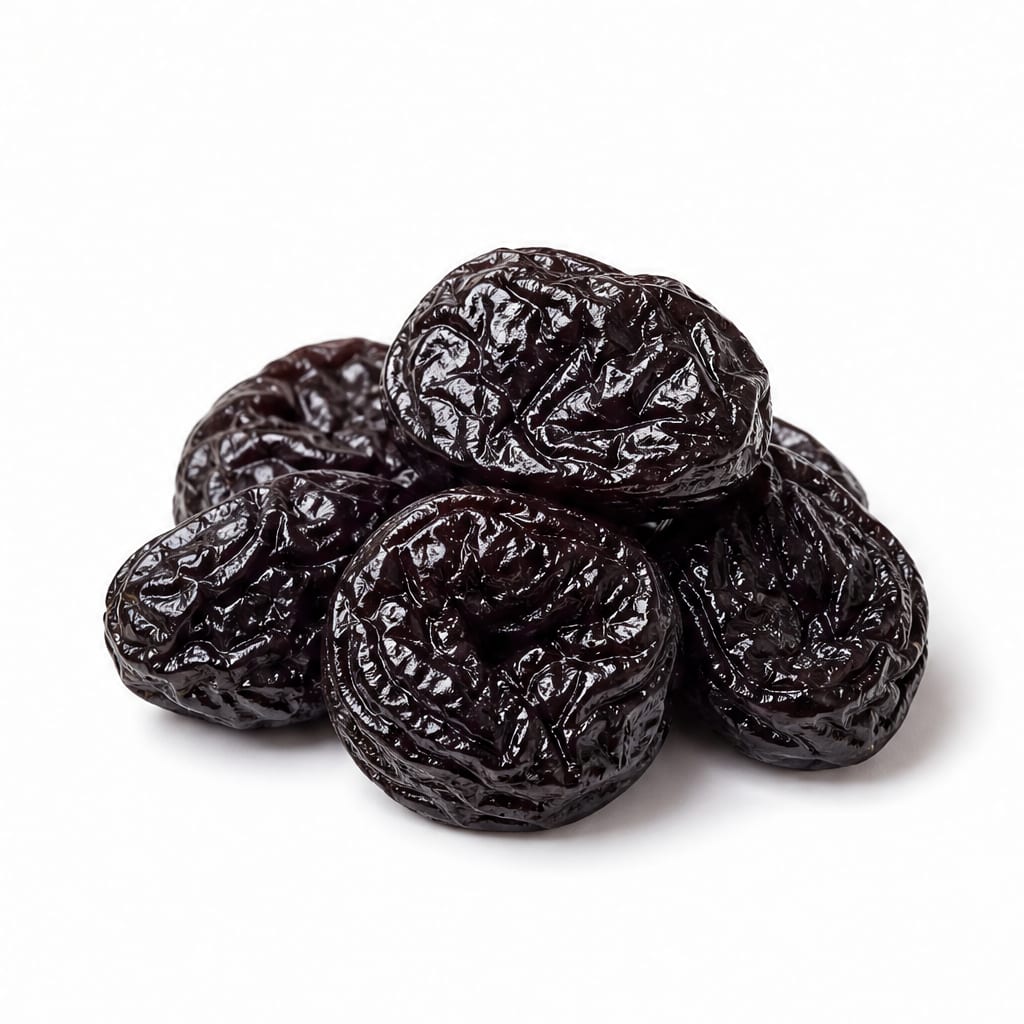
Compare with
Prunes
Prunes are higher in fiber and better for digestion, but fresh jujube is much lower in calories and sugar.
Prunes are superior for digestion and satiety, but fresh jujubes are much better for weight loss and blood sugar control due to lower calories.
This food
Jujube
VS80% alike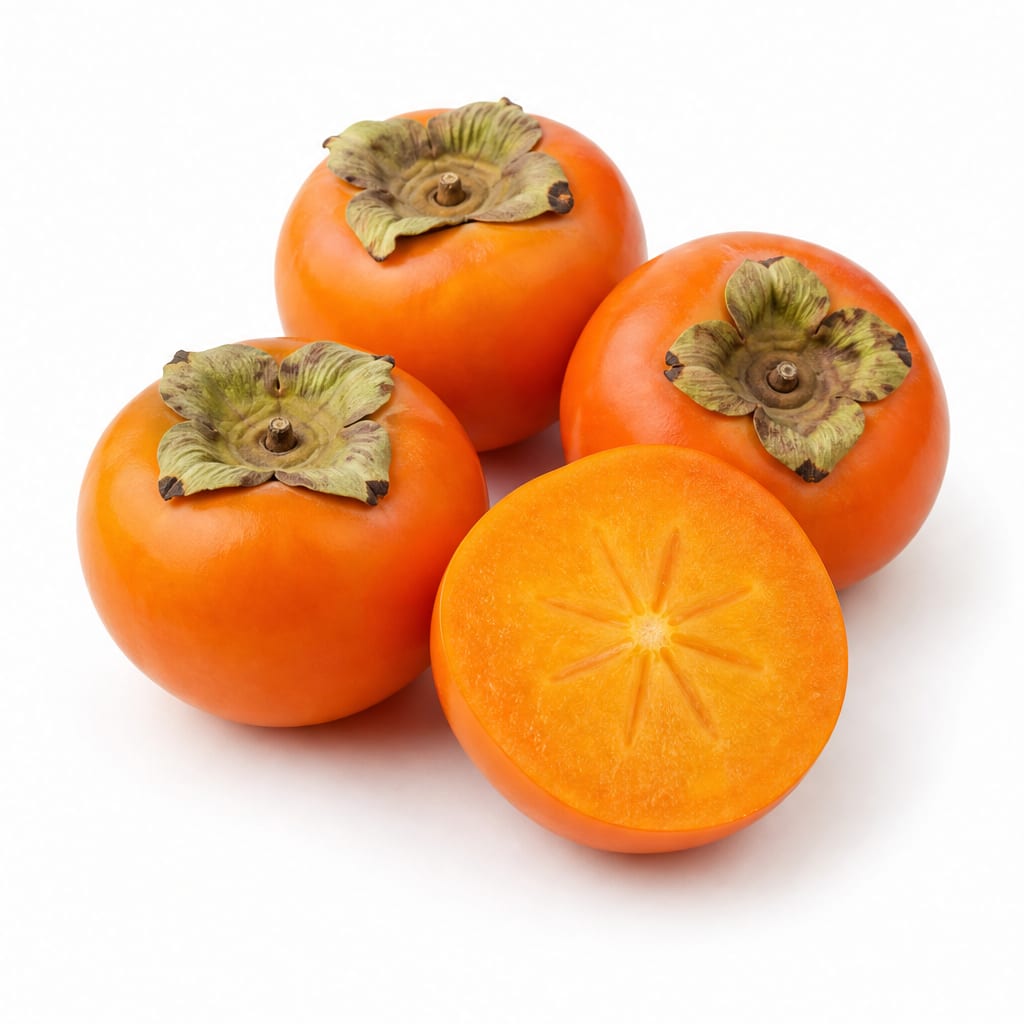
Compare with
Persimmons
Persimmons are higher in vitamin A and sugar, while fresh jujube is lower in calories and higher in vitamin C.
Jujubes are lower in calories and higher in vitamin C than persimmons, which provide more vitamin A and a creamier texture.
This food
Jujube
VS75% alike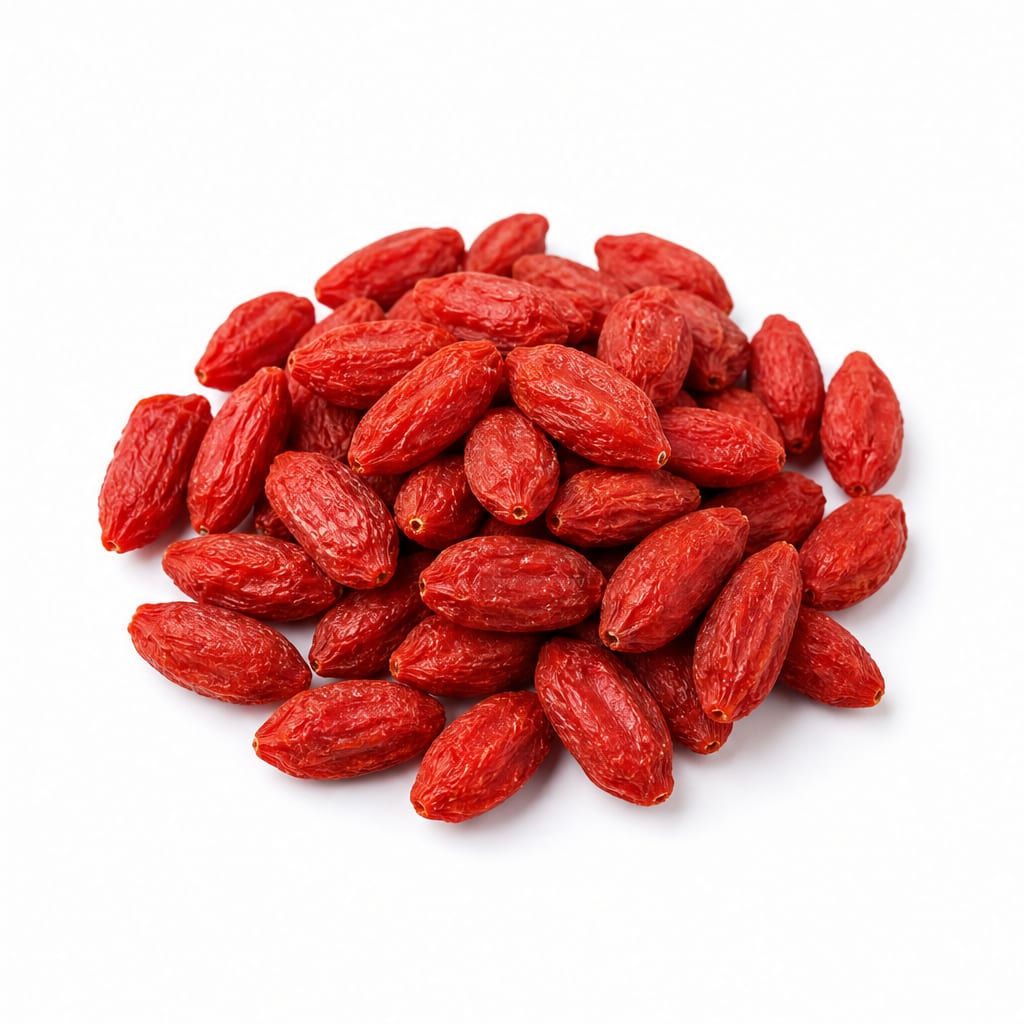
Compare with
Goji Berries
Goji berries are usually dried and higher in vitamin A, while fresh jujube is lower in calories and higher in vitamin C.
Fresh jujubes are lower in calories and sugar compared to dried goji berries, while goji berries offer more protein and vitamin A.
This food
Jujube
VS65% alike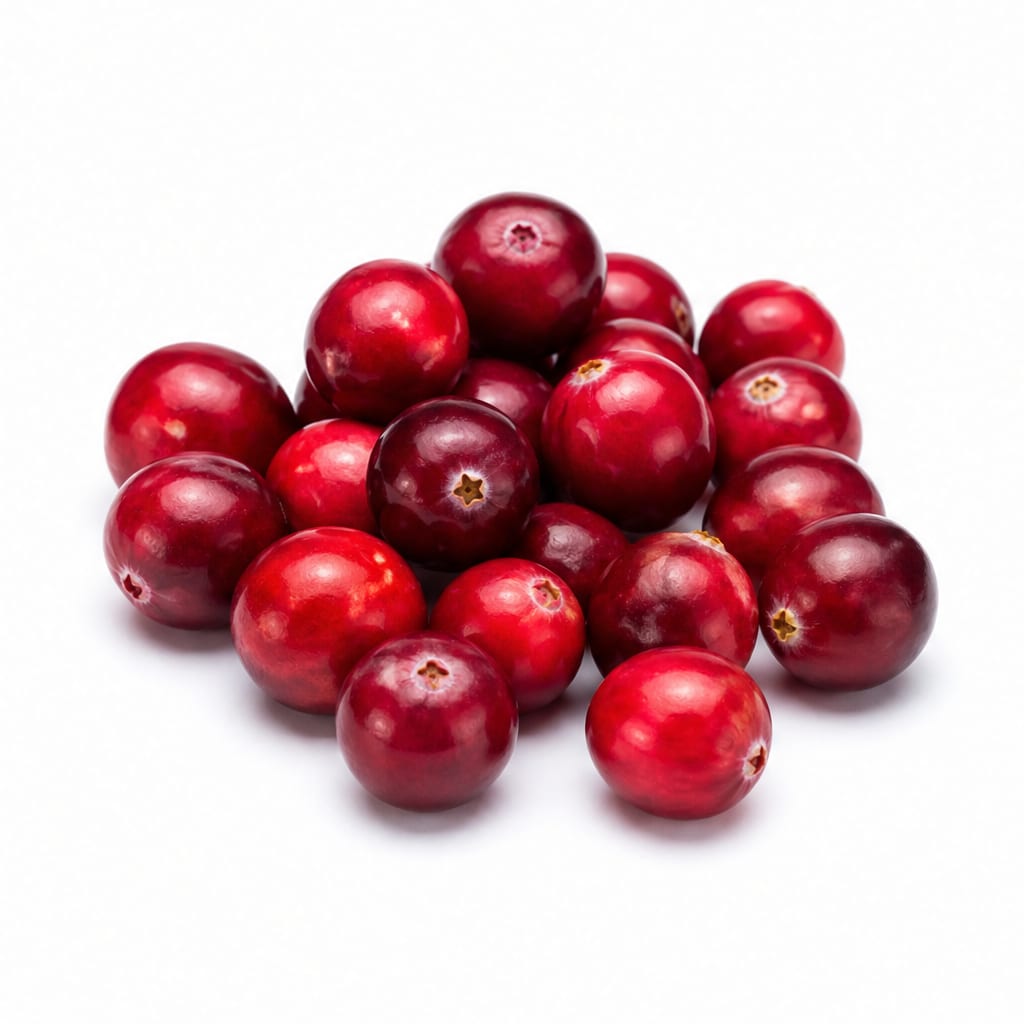
Compare with
Cranberries
Fresh cranberries are much lower in sugar and calories but very tart, whereas jujube is naturally sweet and palatable raw.
Fresh cranberries are lower in sugar and calories, but fresh jujubes are naturally sweet and much more palatable for raw snacking.
This food
Jujube
VS70% alike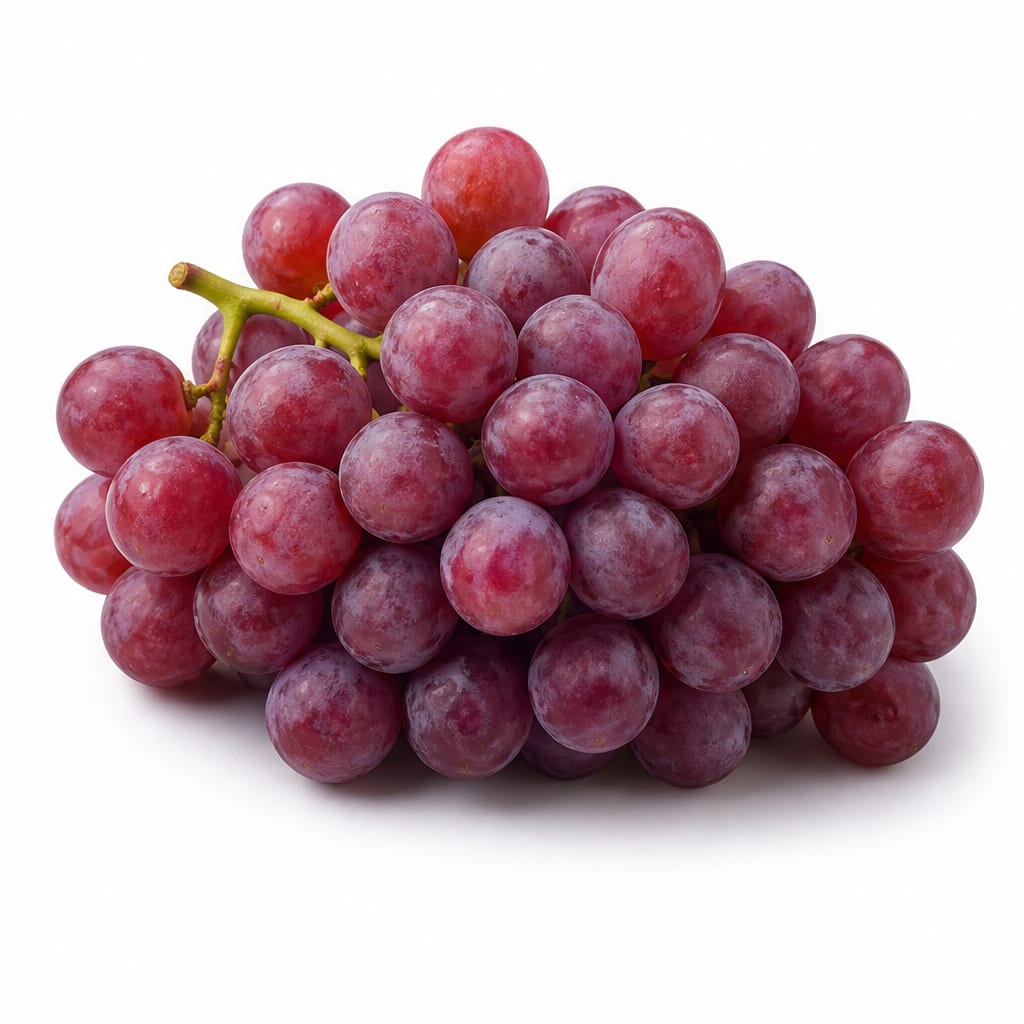
Compare with
Grapes
Grapes and fresh jujubes are similar in calories, but jujube provides more vitamin C and fiber.
Jujubes and grapes have similar calorie counts, but jujubes offer more fiber and vitamin C, making them slightly better for satiety and blood sugar.
Common questions
FAQ
Answers aligned with how people search for this food.
Are jujubes good for weight loss?
Fresh jujubes are excellent for weight loss due to their low calorie count and high water content. Dried jujubes are calorie-dense and should be eaten in moderation.
Is jujube high in sugar?
Fresh jujube contains moderate natural sugars, while dried jujube has highly concentrated sugars similar to dates.
Can diabetics eat jujube?
Diabetics can safely eat fresh jujube in moderation due to its low glycemic index. Dried jujube should be limited as it can cause a sharper rise in blood sugar.
What is the difference between jujube and dates?
Jujubes are lower in calories and much higher in vitamin C than dates. Dates are sweeter, stickier, and significantly higher in calories and carbohydrates.
How should I eat jujube?
Fresh jujube can be eaten whole like an apple, skin and all. Dried jujube is commonly steeped in hot water for tea, added to soups, or eaten as a sweet snack.
Does jujube have vitamin C?
Yes, fresh jujube is exceptionally high in vitamin C, often containing several times more than oranges. However, much of this vitamin C is lost during the drying process.
Is jujube good for sleep?
In traditional medicine, jujube seed is used to promote sleep and reduce anxiety. The fruit itself contains some flavonoids that may have calming properties, but it is not a proven sleep aid.
What does fresh jujube taste like?
Fresh jujube tastes like a crisp, sweet apple with a slightly floral note. As it dries, the texture becomes chewy and the flavor intensifies into a rich, date-like sweetness.
Transparency
Data confidence
Estimated confidence for nutrition data, interpretation, safety notes, and comparisons.
Nutrition data
Health analysis
Food safety
Comparisons