
Nutrition comparison
Jujube vs Prunes: Which Dried Fruit is Healthier?
Compare jujube and prunes for digestion, blood sugar, and bone health. Find out which dried fruit is better for your specific goals.
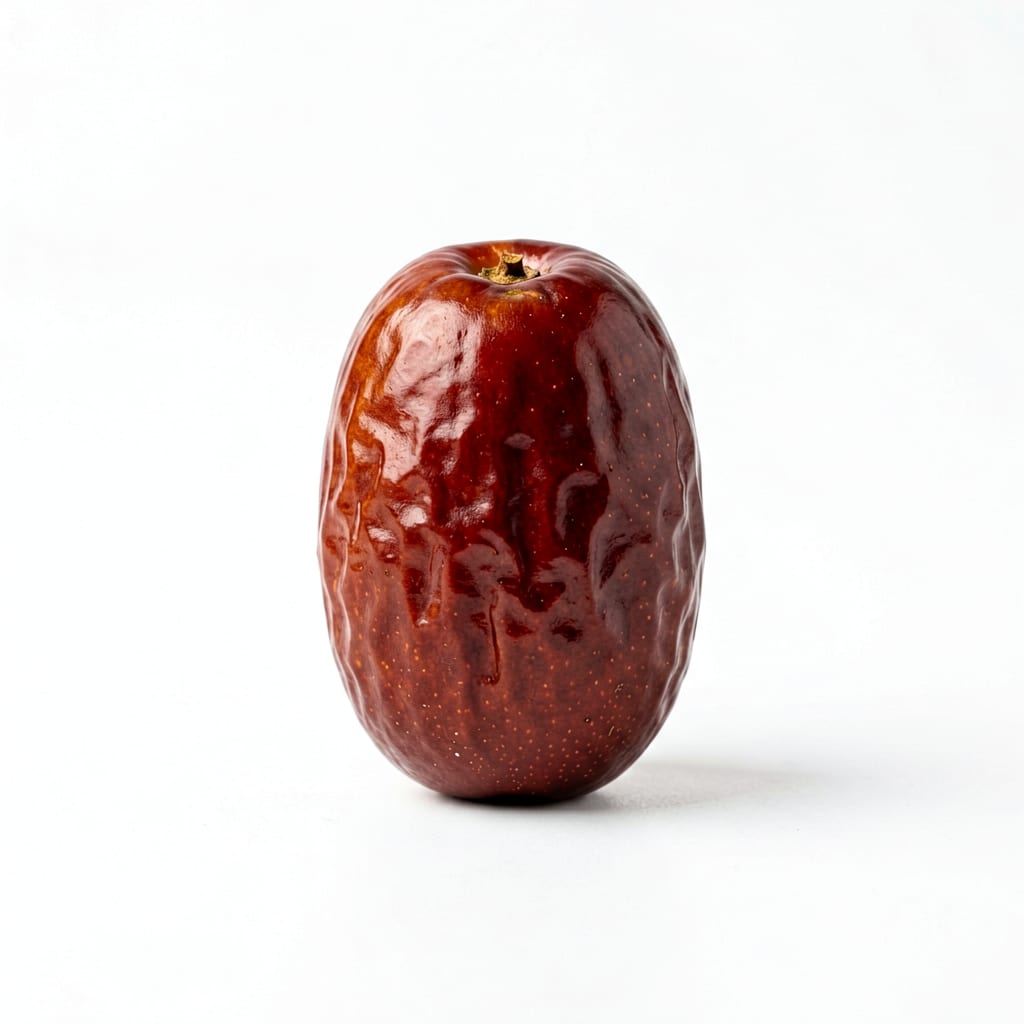
Jujube
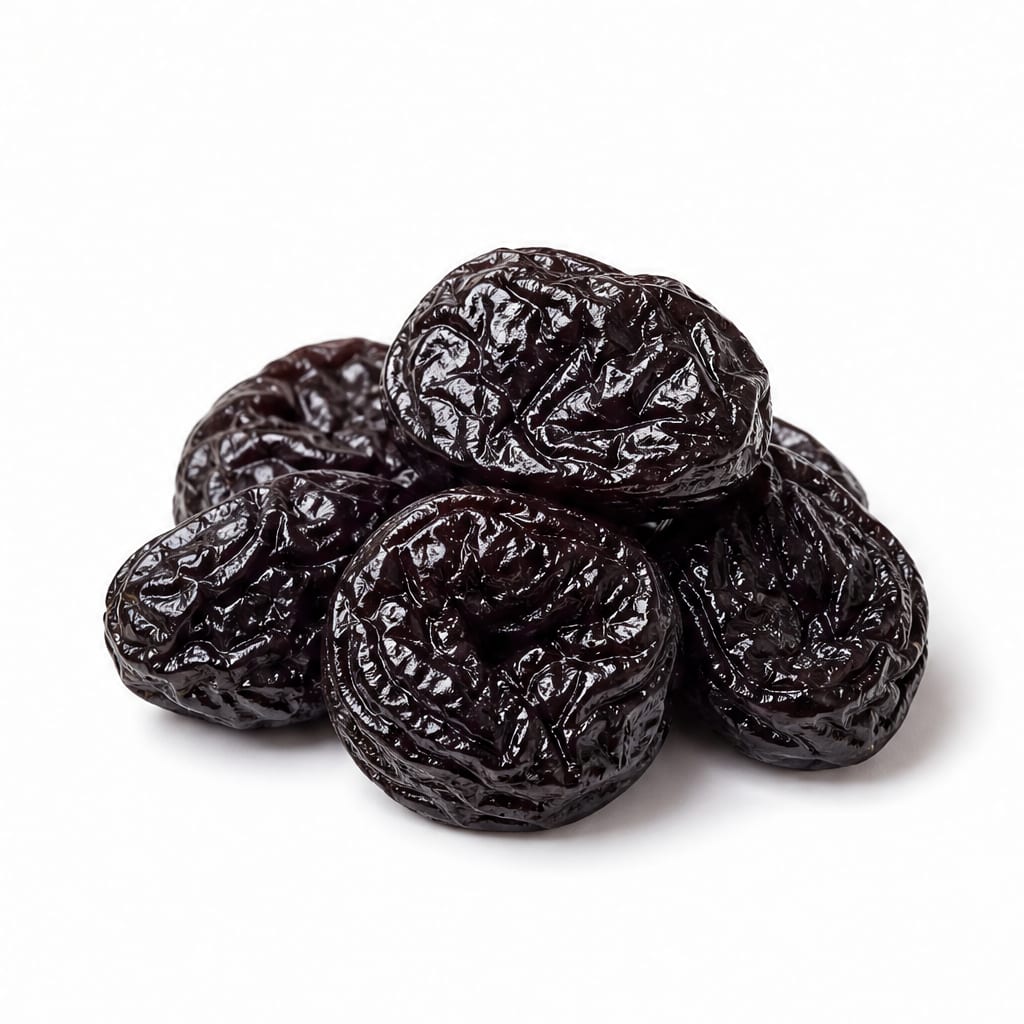
Prunes
Prunes dominate for digestion and bone health, while jujubes offer a milder, less sticky snack with unique calming properties.
Prunes score higher due to proven clinical benefits for digestion and bone health, plus a lower glycemic index, whereas jujubes are nutritious but have less targeted evidence and a higher sugar impact when dried.
Prunes give you stronger digestive relief and bone-supporting nutrients, but jujubes are less messy and have a lighter, more versatile flavor.
At a glance
Executive summary
Overall
It depends
Healthier
Prunes
More practical
Jujube
Daily use
It depends
Key comparison lenses
Digestive health and constipation relief
Prunes are famously used for digestion, making this the most likely reason a user is comparing these two dried fruits.
Blood sugar impact of dried fruits
Both are sugar-dense, but their glycemic responses differ significantly due to sorbitol content.
Bone health and aging
Prunes have strong clinical backing for bone density, a unique trait among dried fruits.
Snack convenience and culinary use
Texture and stickiness vary greatly, affecting how people actually eat them daily.
Best choice for
Jujube
- People wanting a mild, non-sticky dried fruit
- Those sensitive to sorbitol or prone to diarrhea
- Traditional remedy users seeking calming effects
Prunes
- People needing reliable constipation relief
- Postmenopausal women seeking bone support
- Those wanting a sweeter, richer snack without a sugar spike
Least suitable for
Jujube
- People actively seeking constipation relief
- Those watching sugar closely who eat large portions
Prunes
- People with IBS-D or sorbitol intolerance
- Those who dislike sticky, soft textures
Deep comparison
Dimension by dimension
Each lens scores both foods and breaks down who each option suits.
- Dimension 1 · Priority 95Prunes
Digestive Regularity
Jujube · 50Prunes · 98Prunes are the gold standard for constipation relief due to their unique mix of fiber, sorbitol, and natural laxative compounds.
Tradeoff
Jujubes provide gentle fiber but lack the sorbitol that makes prunes so effective for digestion.
Why it matters
If staying regular is your main goal, prunes work reliably; jujubes won't move the needle the same way.
Real-world impact
A serving of prunes can resolve mild constipation overnight; jujubes act more like standard fruit fiber.
Jujube
- Maintaining mild, regular fiber intake without laxative effects
Better for
- Situations requiring strong digestive motility
Worse for
Prunes
- Resolving constipation quickly
- Supporting daily bowel regularity
Better for
- People prone to diarrhea or loose stools
Worse for
- Dimension 2 · Priority 85Prunes
Blood Sugar Stability
Jujube · 55Prunes · 70Prunes have a surprisingly low glycemic index because their sugar is partly sorbitol, which absorbs slowly.
Tradeoff
Dried jujubes are very high in simple sugars and can cause a quicker blood sugar spike.
Why it matters
For sustained energy without the crash, prunes are steadier.
Real-world impact
Eating a few prunes as an afternoon snack won't cause the same energy rollercoaster as a handful of dried jujubes.
Jujube
- Quick energy replenishment after intense activity
Better for
- Sedentary snacking where blood sugar spikes are undesirable
Worse for
Prunes
- Steady afternoon energy
- Managing sugar cravings without spiking blood glucose
Better for
- Situations requiring rapid carbohydrate absorption
Worse for
- Dimension 3 · Priority 75Prunes
Bone Health and Micronutrients
Jujube · 60Prunes · 85Prunes are rich in vitamin K, potassium, and boron, all linked to preventing bone loss.
Tradeoff
Jujubes offer more vitamin C and iron, but lack the specific bone-protective profile of prunes.
Why it matters
Postmenopausal women and older adults benefit greatly from the bone-preserving nutrients in prunes.
Real-world impact
Regular prune consumption is clinically shown to support bone density, while jujubes are better for immune support.
Jujube
- Boosting iron levels
- Supporting immune function with vitamin C
Better for
- Those specifically needing bone-density support
Worse for
Prunes
- Preventing age-related bone loss
- Increasing potassium intake
Better for
- Those needing a vitamin C or iron boost
Worse for
- Dimension 4 · Priority 60Jujube
Snackability and Culinary Use
Jujube · 85Prunes · 70Jujubes have a firm, non-sticky texture and a mild date-like flavor, making them easier to cook with and eat on the go.
Tradeoff
Prunes are softer, stickier, and have a very distinct flavor that doesn't blend as seamlessly into all dishes.
Why it matters
A snack you find pleasant and easy to eat is one you'll actually stick with.
Real-world impact
You can toss jujubes into a bag without them clumping, and they simmer beautifully in teas and soups without disintegrating.
Jujube
- On-the-go snacking without messy hands
- Simmering in teas and savory soups
Better for
- Recipes requiring a smooth, spreadable fruit paste
Worse for
Prunes
- Blending into smoothies
- Making purees and baked goods
Better for
- Warm weather snacking where stickiness is a nuisance
Worse for
Timeline
Health impact over time
Short-term
Hours to days
Jujube
- Quick energy boost
- Mild calming effect traditionally used for sleep
- Potential blood sugar spike if overeaten
Prunes
- Reliable constipation relief within hours
- Steady energy without a crash
- Possible bloating or gas if sensitive to sorbitol
Long-term
Months to years
Jujube
- Better iron and vitamin C status
- Antioxidant benefits from flavonoids
- Risk of weight gain if consumed in large amounts due to sugar density
Prunes
- Stronger bones and reduced risk of osteoporosis
- Excellent digestive regularity
- Lower risk of blood sugar issues compared to other dried fruits
Risk profile
Safety & processing
Both jujubes and prunes are simply dried fruits with minimal processing, though always check prune labels for added preservatives like potassium sorbate.
Jujube
Added sulfites
mediumSome commercially dried jujubes are treated with sulfites to preserve color, which can trigger asthma in sensitive individuals.
Sugar concentration
lowThe high sugar density can easily lead to overconsumption and unintended calorie surplus.
Prunes
Sorbitol intolerance
highThe high sorbitol content can cause severe bloating, gas, and diarrhea in people with IBS or sorbitol malabsorption.
Preservatives
lowSome brands add potassium sorbate to extend shelf life, which is generally safe but undesirable for clean-eating preferences.
Who wins for whom
Audience fit
Same foods, different winners depending on your goal.
children
JujubeJujubes are milder on the digestive system and less likely to cause diarrhea or stomach upset in kids.
daily consumption
PrunesPrunes offer more targeted daily health benefits for digestion and bones, provided you tolerate sorbitol well.
diabetes
PrunesPrunes have a lower glycemic index due to sorbitol, causing a slower rise in blood sugar compared to dried jujubes.
elderly
PrunesPrunes directly address two major elderly concerns: constipation and bone density loss.
muscle gain
It dependsNeither is a significant protein source, though both offer easily digestible carbs for post-workout energy.
weight loss
PrunesPrunes are more filling and have a lower glycemic index, helping control cravings better than the sugar-dense dried jujubes.
Your move
Decision guide
Choose Jujube
- You want a non-sticky, portable snack
- You have a sensitive stomach or IBS-D
- You want a traditional remedy for calm and sleep
- You prefer a milder, less sweet flavor
Choose Prunes
- You need reliable constipation relief
- You want to support bone density
- You prefer a sweeter, richer flavor without a sugar spike
- You want a fruit that blends easily into smoothies
Either works if
- You just want a natural, whole-food sweet treat
- You need a quick carb source before a workout
Avoid both if
- You are on a strict low-carb or keto diet
- You are closely monitoring your overall sugar intake
Final recommendation
Make prunes your go-to if digestion or bone health is a priority; keep jujubes around for a lighter, more versatile snack or tea ingredient.
Practical
Consumer tips
- 1
Always check prune ingredients for added potassium sorbate or oils; choose unsulfured jujubes when possible.
- 2
Limit both to a small handful (about 3-4 pieces) to avoid excess sugar or GI upset.
- 3
Soak prunes or jujubes in warm water overnight to soften them and make their nutrients easier to digest.
- 4
If prunes cause gas or bloating, try jujubes for a gentler fiber source that won't upset your stomach.