
Nutrition comparison
Jujube vs Cranberries: Nutrition, Sugar, and Health Benefits Compared
Compare jujube vs cranberries for sleep, UTI prevention, sugar content, and weight loss. Discover which fruit is better for your health goals.
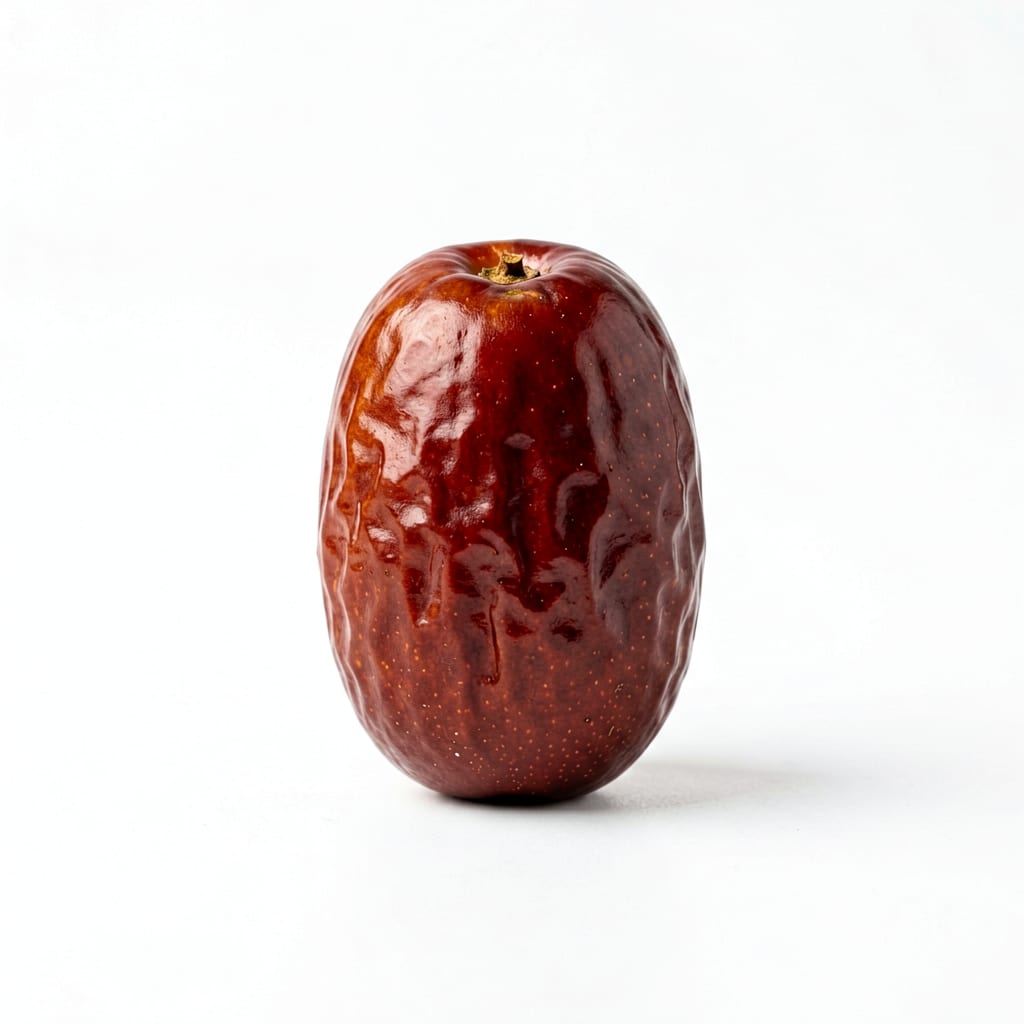
Jujube
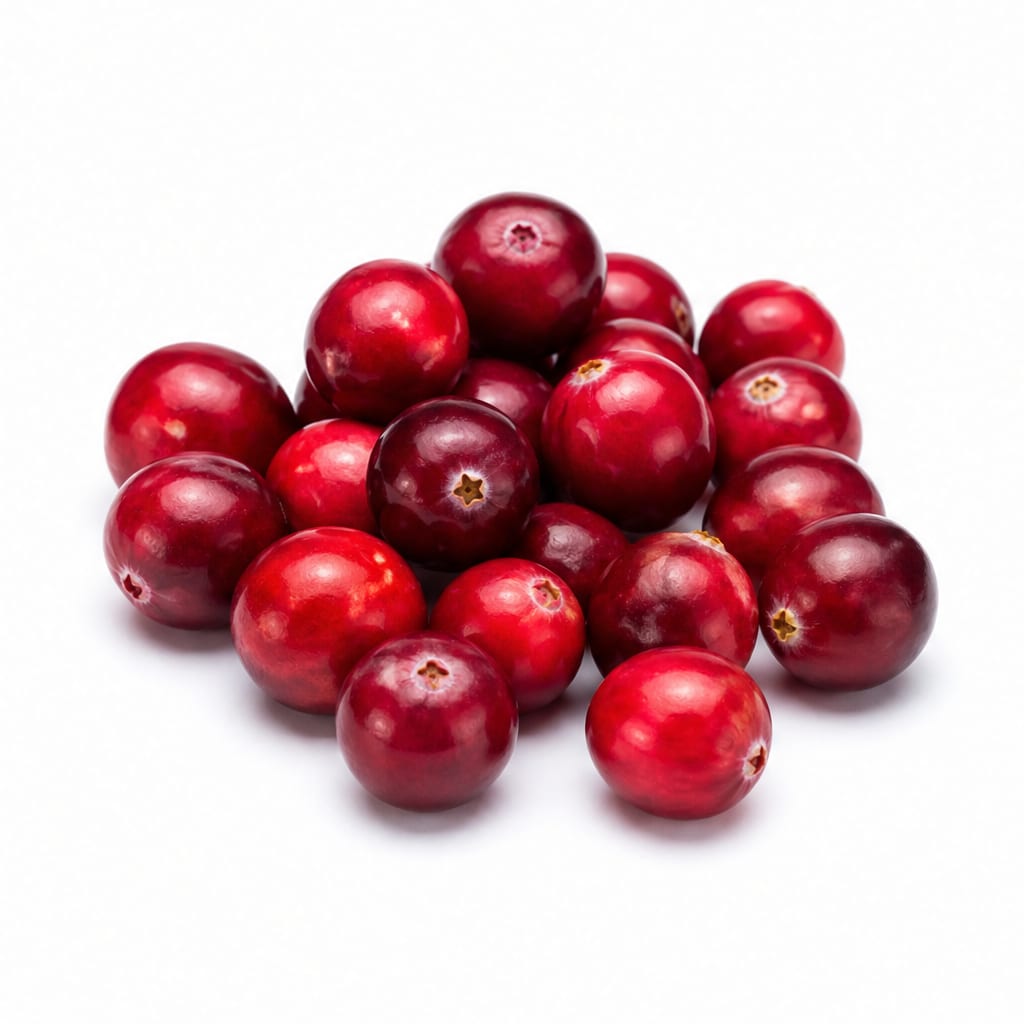
Cranberries
Cranberries win for low-sugar snacking and urinary health, while jujubes win for natural sweetness, vitamin C, and better sleep.
Cranberries score higher primarily due to their low sugar content and potent urinary tract benefits, making them more universally applicable for modern metabolic health. Jujubes score well for nutrient density and unique calming properties but are held back by higher natural sugar and calorie density.
You are choosing between cranberries' tart, low-sugar metabolic profile and jujubes' sweet, calming, carb-dense energy.
At a glance
Executive summary
Overall
It depends
Healthier
Cranberries
More practical
Jujube
Daily use
Cranberries
Key comparison lenses
Sugar content and blood sugar impact
Jujubes are naturally very sweet and carb-dense, while fresh cranberries are extremely tart and low in sugar, creating a massive contrast for metabolic health.
Targeted therapeutic benefits
Cranberries are famous for urinary tract health, while jujubes are renowned in traditional medicine for sleep and calming effects, making their functional uses entirely different.
Fresh versus dried form tradeoffs
Both foods are frequently consumed dried, but dried cranberries are almost always sweetened with added sugar, whereas dried jujubes are naturally sweet, drastically altering the comparison.
Best choice for
Jujube
- People seeking a natural sleep aid
- Those needing a sweet, energizing whole-food snack
- Anyone looking to boost vitamin C with a pleasant taste
Cranberries
- People managing blood sugar or insulin resistance
- Women prone to urinary tract infections
- Anyone tracking calories or seeking a tart flavor
Least suitable for
Jujube
- People on strict low-carb or keto diets
- Those trying to limit natural sugar intake
- Diabetics who need to tightly control carbohydrate portions
Cranberries
- People who dislike tart flavors and only have access to fresh berries
- Those buying dried cranberries without checking for added sugars
- Individuals prone to kidney stones from high oxalate intake
Deep comparison
Dimension by dimension
Each lens scores both foods and breaks down who each option suits.
- Dimension 1 · Priority 95Cranberries
Sugar and Blood Sugar Impact
Jujube · 45Cranberries · 90Fresh cranberries are extremely low in sugar, while jujubes are naturally high in carbohydrates and sugars, especially when dried.
Tradeoff
Choosing jujubes gives you satisfying sweetness but causes a sharper blood sugar rise, whereas cranberries offer metabolic safety but taste very tart.
Why it matters
Steady blood sugar prevents afternoon energy crashes and reduces cravings, making cranberries much easier on your metabolism.
Real-world impact
Eating a handful of dried jujubes can spike your blood sugar similarly to dates, while fresh cranberries have almost no glycemic impact.
Jujube
- Pre-workout quick energy
- Satisfying a sweet tooth with whole food
Better for
- Fasting periods
- Late-night snacking
Worse for
Cranberries
- Diabetes management
- Low-carb snacking
- Steady afternoon energy
Better for
- Recovering from hypoglycemia
- Providing quick physical energy
Worse for
- Dimension 2 · Priority 90It depends
Targeted Health Benefits
Jujube · 85Cranberries · 88Cranberries excel at urinary and gut health, while jujubes shine for sleep, anxiety, and immune support.
Tradeoff
You must choose between cranberries' antibacterial properties for the urinary tract and jujubes' calming compounds for the nervous system.
Why it matters
Functional foods work best when matched to your specific health vulnerabilities, rather than treating them as generic snacks.
Real-world impact
Eating cranberries regularly can significantly reduce UTI recurrence, while snacking on jujubes before bed can help you fall asleep faster.
Jujube
- Improving sleep quality
- Reducing anxiety and stress
- Boosting vitamin C intake pleasantly
Better for
- Acute UTI treatment
Worse for
Cranberries
- Preventing urinary tract infections
- Supporting gut microbiome diversity
- Reducing H. pylori stomach infections
Better for
- Insomnia and sleep support
Worse for
- Dimension 3 · Priority 82Cranberries
Calorie Density and Weight Management
Jujube · 50Cranberries · 88Fresh cranberries are very low in calories, while jujubes are calorie-dense, especially in their dried form.
Tradeoff
Jujubes provide more satiety per piece but pack many more calories, whereas cranberries allow volume eating without calorie overload.
Why it matters
If you snack mindlessly, cranberries keep the calorie damage low, but a few jujubes can easily become a high-calorie habit.
Real-world impact
A cup of fresh cranberries is under 50 calories, but a cup of dried jujubes is over 300 calories.
Jujube
- Hiking or endurance fuel
- Getting calories in easily
Better for
- Calorie-restricted diets
- Portion control struggles
Worse for
Cranberries
- Weight loss diets
- Volume eating
- Mindless TV snacking (if fresh/frozen)
Better for
- Situations requiring high energy density
Worse for
- Dimension 4 · Priority 78Jujube
Vitamin and Antioxidant Profile
Jujube · 85Cranberries · 80Jujubes are surprisingly rich in vitamin C and unique calming antioxidants, while cranberries offer potent polyphenols focused on bacterial defense.
Tradeoff
Jujubes provide more immune-boosting vitamin C, while cranberries offer specialized antioxidants that protect against chronic infections.
Why it matters
Vitamin C supports daily immune resilience, but cranberry polyphenols offer targeted protection against recurrent infections.
Real-world impact
Eating fresh jujubes can cover a massive chunk of your daily vitamin C needs, while cranberries act more like a daily shield against bacteria.
Jujube
- Immune system support
- Skin health and collagen synthesis
Better for
- Targeting gut pathogens
Worse for
Cranberries
- Chronic infection prevention
- Cardiovascular antioxidant protection
Better for
- High vitamin C replenishment
Worse for
Timeline
Health impact over time
Short-term
Hours to days
Jujube
- Provides a quick burst of natural energy
- Can satisfy sugar cravings without reaching for candy
- May promote feelings of calmness and drowsiness if eaten in the evening
Cranberries
- Offers a tart, refreshing flavor that cleanses the palate
- Causes almost no blood sugar disruption when eaten fresh
- Can irritate the mouth if eaten in large quantities due to high acidity
Long-term
Months to years
Jujube
- Regular consumption may improve chronic insomnia and sleep quality
- High natural sugar intake could contribute to insulin resistance if portions are not controlled
- Consistent vitamin C intake supports long-term skin elasticity
Cranberries
- Significantly lowers the frequency of urinary tract infections
- Supports a healthy gut microbiome by fending off harmful bacteria
- High oxalate content could contribute to kidney stone formation in susceptible individuals
Risk profile
Safety & processing
While both foods are whole and minimally processed in their fresh state, the commercial dried cranberry market relies heavily on added sugars and oils, making dried cranberries a highly processed snack. Dried jujubes are typically just dehydrated fruit with no additives needed due to their natural sweetness.
Jujube
Sulfite sensitivity
mediumSome commercially dried jujubes are treated with sulfites to preserve color, which can trigger asthma or allergic reactions in sensitive individuals.
Cranberries
Added sugar in dried forms
highOver 80% of dried cranberries sold are sweetened with refined sugar or syrup, turning a healthy berry into a candy-like product that spikes blood sugar.
Kidney stones
mediumCranberries are high in oxalates, which can bind with calcium and form kidney stones in people with a history of them.
Who wins for whom
Audience fit
Same foods, different winners depending on your goal.
children
JujubeChildren are much more likely to enjoy the sweet, apple-like taste of jujubes compared to the mouth-puckering tartness of fresh cranberries.
daily consumption
CranberriesA small daily portion of unsweetened cranberries provides consistent urinary and gut benefits without the sugar load of daily jujubes.
diabetes
CranberriesFresh cranberries have a minimal impact on blood sugar, whereas jujubes are too carbohydrate-dense for easy glucose management.
elderly
CranberriesCranberries offer crucial protection against UTIs, which are common and dangerous in older populations, while being gentle on aging metabolisms.
muscle gain
JujubeJujubes provide easily digestible carbohydrates that can fuel workouts and aid glycogen replenishment post-exercise.
weight loss
CranberriesFresh or frozen cranberries are extremely low in calories and sugar, allowing for guilt-free flavor and volume eating.
Your move
Decision guide
Choose Jujube
- You struggle with sleep or anxiety and want a natural evening snack
- You need a healthy whole-food alternative to candy or dates
- You want a potent dose of vitamin C in a sweet package
Choose Cranberries
- You are prone to urinary tract infections
- You want a low-sugar, low-calorie flavor addition to meals and smoothies
- You are managing diabetes or insulin resistance and need fruit that won't spike glucose
Either works if
- You want to boost your antioxidant intake from whole fruits
- You are looking for natural ways to support your immune system
Avoid both if
- You are on a very strict zero-fruit or zero-carb diet
- You have severe fructose malabsorption
Final recommendation
Let your primary health goal decide: choose cranberries for metabolic balance and urinary health, but keep jujubes on hand for better sleep and a naturally sweet treat. If buying dried cranberries, always check the label for added sugar, as this completely ruins their metabolic advantage.
Practical
Consumer tips
- 1
Always buy unsweetened dried cranberries or use fresh/frozen ones to avoid the massive added sugar trap.
- 2
Snack on 2-3 dried jujubes about an hour before bed to leverage their natural calming compounds for better sleep.
- 3
Freeze fresh cranberries to extend their shelf life; they blend perfectly into smoothies without defrosting.
- 4
If fresh cranberries are too tart, mix a small handful into oatmeal with cinnamon instead of reaching for the sweetened dried version.
- 5
Look for sulfur-free dried jujubes to avoid potential sulfite reactions, especially if you have asthma.