
Nutrition comparison
Jujube vs Figs: Which Dried Fruit Is Healthier for You?
Compare jujube and figs on sugar, fiber, minerals, and blood sugar impact. Find out which dried fruit fits your health goals better with this expert breakdown.
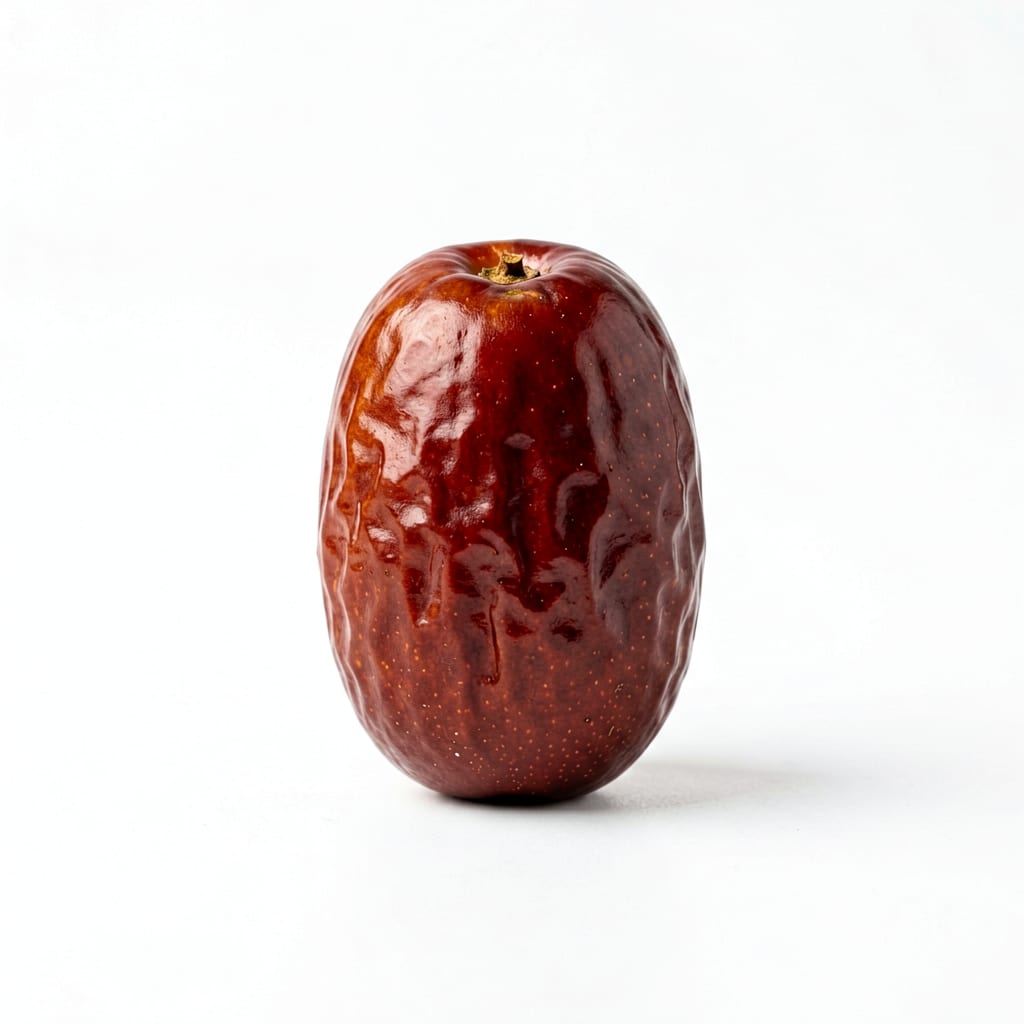
Jujube
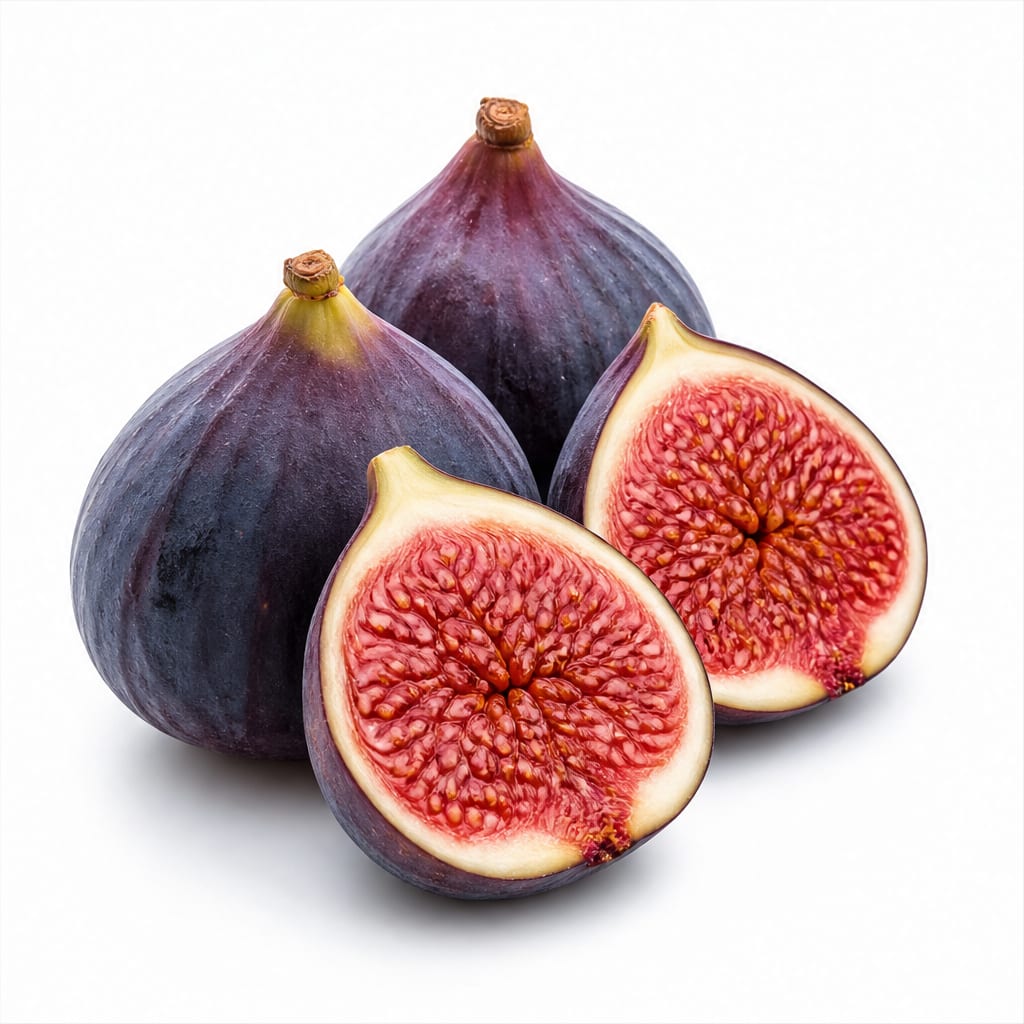
Figs
Jujube wins for lower sugar and unique calming benefits; figs win for fiber, minerals, and digestive regularity.
Jujube edges ahead due to lower sugar and unique calming compounds, but figs' superior fiber and mineral content keep them competitive. The close scores reflect that neither is universally better.
Jujube gives you steadier energy and less sugar spike, but figs deliver far more fiber and bone-supporting minerals.
At a glance
Executive summary
Overall
It depends
Healthier
It depends
More practical
Figs
Daily use
Jujube
Key comparison lenses
sugar content and blood sugar management
Both are naturally sweet dried fruits with significantly different sugar loads, making blood sugar impact the top concern for most users
fiber and digestive health
Figs are renowned for their fiber content and laxative effect, while jujube offers gentler digestive support
calorie density for weight management
Dried versions of both fruits are calorie-dense, but the difference between them matters for portion control
antioxidant and immune benefits
Jujube is prized in traditional medicine for immune and sleep benefits, while figs offer different phytonutrients
mineral intake and bone health
Figs are notably rich in calcium and potassium, giving them a clear mineral advantage
Best choice for
Jujube
- People watching their sugar intake
- Those seeking better sleep and stress relief
- Anyone wanting a lighter, less calorie-dense snack
- People with sensitive blood sugar
Figs
- People needing digestive regularity
- Those looking to boost calcium and potassium intake
- Athletes needing quick energy replenishment
- Anyone wanting a more filling, satisfying fruit snack
Least suitable for
Jujube
- People needing high fiber intake
- Those looking for significant mineral supplementation
- Anyone unfamiliar with the taste or texture
Figs
- People strictly limiting sugar
- Those prone to overeating dried fruit
- Diabetics who need tight glycemic control
Deep comparison
Dimension by dimension
Each lens scores both foods and breaks down who each option suits.
- Dimension 1 · Priority 92Jujube
sugar_and_blood_sugar_impact
Jujube · 78Figs · 52Jujube has significantly less sugar per serving, making it gentler on blood sugar.
Tradeoff
Figs taste sweeter and more indulgent but carry a heavier glycemic load, especially when dried.
Why it matters
Sugar spikes from dried fruit can trigger cravings and energy crashes, especially in the afternoon.
Real-world impact
A handful of jujube won't leave you reaching for more snacks an hour later. Dried figs easily can.
Jujube
- Steady energy without the crash
- Less likely to trigger sugar cravings
- More forgiving for prediabetics
Better for
- Less satisfying if you crave intense sweetness
Worse for
Figs
- Quick energy after intense exercise
- More satisfying sweet tooth fix
Better for
- Easy to overeat due to high sugar
- Bigger blood sugar rollercoaster
Worse for
- Dimension 2 · Priority 88Figs
fiber_and_digestive_health
Jujube · 58Figs · 90Figs are a fiber powerhouse, delivering nearly double the fiber of jujube per serving.
Tradeoff
Jujube is gentler on digestion for sensitive stomachs, while figs actively promote bowel regularity.
Why it matters
Most people fall short on daily fiber, and figs are one of the easiest ways to close that gap.
Real-world impact
Three dried figs can help resolve sluggish digestion by the next morning. Jujube won't have that effect.
Jujube
- Gentler for sensitive stomachs
- Less likely to cause bloating
Better for
- Won't move the needle much on daily fiber goals
Worse for
Figs
- Reliable help for constipation
- Keeps you full longer between meals
- Supports gut microbiome diversity
Better for
- Too much too fast can cause gas and bloating
Worse for
- Dimension 3 · Priority 80Jujube
vitamin_and_antioxidant_profile
Jujube · 82Figs · 65Jujube offers exceptional vitamin C and unique calming antioxidants like jujubosides. Figs provide different polyphenols but less vitamin C.
Tradeoff
Jujube's antioxidants target stress and sleep, while figs' antioxidants are more about general cellular protection.
Why it matters
If you're stressed or sleep-deprived, jujube's compounds directly support those concerns.
Real-world impact
Eating jujube in the evening may help you wind down. Figs won't give you that calming effect.
Jujube
- Noticeable vitamin C boost
- Traditional use for insomnia and anxiety
- Unique compounds not found in most fruits
Better for
- Less researched in Western nutrition science
Worse for
Figs
- Good polyphenol variety
- Well-studied antioxidant benefits
Better for
- Minimal vitamin C content
Worse for
- Dimension 4 · Priority 75Figs
mineral_density
Jujube · 50Figs · 85Figs are notably rich in calcium, potassium, and magnesium. Jujube's mineral profile is modest by comparison.
Tradeoff
If you don't consume dairy, figs are one of the best plant calcium sources available.
Why it matters
Mineral gaps—especially calcium and potassium—are common and quietly affect bone and heart health.
Real-world impact
Five dried figs provide about as much calcium as a quarter cup of milk. Jujube can't compete there.
Jujube
- Some iron content
Better for
- Not a meaningful mineral source
Worse for
Figs
- Excellent plant-based calcium source
- High potassium for blood pressure support
- Magnesium for muscle recovery and sleep
Better for
- Minerals come with a higher sugar payload
Worse for
- Dimension 5 · Priority 85Jujube
calorie_density_and_portion_control
Jujube · 76Figs · 58Jujube is less calorie-dense, making it easier to enjoy without overshooting your daily intake.
Tradeoff
Figs are more filling per piece but pack more calories per serving, so portion awareness matters more.
Why it matters
Dried fruit calories add up fast. A small bowl of either can rival a full meal in calories.
Real-world impact
You can eat ten jujubes for roughly the same calories as five dried figs. That difference adds up over a week.
Jujube
- More pieces per reasonable calorie budget
- Easier to snack on mindfully
Better for
- Less filling, so you may eat more pieces
Worse for
Figs
- More satiating per individual piece
Better for
- Calories climb quickly with just a few extra figs
Worse for
- Dimension 6 · Priority 70Figs
availability_and_everyday_practicality
Jujube · 55Figs · 82Figs are widely available in most grocery stores year-round. Jujube requires specialty shops or online ordering in many regions.
Tradeoff
Jujube's limited availability means more effort to source, but it's shelf-stable once you find it.
Why it matters
The healthiest food is the one you can actually buy and eat consistently.
Real-world impact
You can grab figs at nearly any supermarket. Jujube might mean a trip to an Asian market or an online order.
Jujube
- Long shelf life once purchased
- Compact and portable
Better for
- Hard to find in many areas
- Less culinary familiarity
Worse for
Figs
- Available everywhere
- Multiple forms: fresh, dried, jammed
- More recipes and culinary tradition in Western cooking
Better for
- Fresh figs are seasonal and fragile
Worse for
Timeline
Health impact over time
Short-term
Hours to days
Jujube
- Provides steady energy without a sugar rush
- Mild calming effect within an hour of eating
- Gentle on digestion, unlikely to cause bloating
Figs
- Noticeable fullness and satiety after eating
- Can stimulate bowel movement within hours
- Quick energy boost from natural sugars
Long-term
Months to years
Jujube
- May support better sleep quality with regular evening consumption
- Lower cumulative sugar exposure supports metabolic health
- Vitamin C and antioxidants contribute to immune resilience
Figs
- Consistent fiber intake improves long-term digestive regularity
- Calcium and potassium support bone density over time
- High sugar load from frequent dried fig consumption may affect metabolic markers if portions aren't controlled
Risk profile
Safety & processing
Both fruits are typically sold with minimal processing—just dried. Check labels for added sugars or sulfites, especially in commercially packaged figs.
Jujube
Sulfite preservatives in some commercial brands
mediumSome dried jujube is treated with sulfur dioxide for color retention. Check packaging if you're sensitive to sulfites.
Pesticide residue
lowConventional jujube may carry pesticide residue since the skin is eaten. Organic options are preferable when available.
Figs
Mold and mycotoxins in dried figs
mediumDried figs are prone to mold if stored in humid conditions. Inspect before eating and store in a cool, dry place.
Sulfite preservatives
mediumMany commercially dried figs contain sulfites. Unsulfured options are widely available and preferable.
Oxalate content
lowFigs contain moderate oxalates, which may be a concern for people prone to kidney stones.
Who wins for whom
Audience fit
Same foods, different winners depending on your goal.
children
FigsFigs are sweeter, more familiar, and their fiber helps with common childhood constipation. Most kids accept them more readily.
daily consumption
JujubeLower sugar and calorie density make jujube more sustainable as a daily habit without metabolic downsides.
diabetes
JujubeSignificantly less sugar per serving and a gentler blood sugar response make jujube the safer choice, though both require portion control.
elderly
FigsFigs' calcium supports bone health, potassium helps blood pressure, and fiber addresses the constipation common in older adults.
muscle gain
FigsFigs provide more potassium for muscle recovery and quicker glycogen replenishment from their natural sugars.
weight loss
JujubeLower calorie density and less sugar make jujube easier to fit into a calorie-controlled plan without triggering cravings.
Your move
Decision guide
Choose Jujube
- You're watching your sugar intake or managing prediabetes
- You want a calming evening snack that won't keep you up
- You prefer a lighter, less indulgent dried fruit
- You're calorie-counting and want more volume per serving
Choose Figs
- You need help with digestive regularity
- You want to boost calcium and potassium naturally
- You're an athlete needing post-workout carbs
- You crave something sweet and satisfying that actually fills you up
Either works if
- You just want a whole-food snack instead of processed options
- You're rotating different fruits for nutrient variety
- You enjoy both and don't have specific health concerns
Avoid both if
- You're on a strict very-low-carb or ketogenic diet
- You have difficulty controlling portions with sweet foods
- You're sensitive to sulfites and can't find unsulfured versions
Final recommendation
Keep both in your pantry but assign them different jobs: jujube for daily light snacking and evening wind-down, figs for digestive support and post-exercise recovery. If you must pick one, jujube's lower sugar gives it the edge for everyday use—but figs earn their place when fiber and minerals are the priority.
Practical
Consumer tips
- 1
Always check for added sugars on dried fruit packaging—some brands coat figs in syrup
- 2
Choose unsulfured versions of both fruits to avoid sulfite sensitivity reactions
- 3
Store both in airtight containers away from heat and moisture to prevent mold
- 4
Soak dried figs in warm water for 30 minutes if you find them too chewy or want faster digestive relief
- 5
Try jujube tea by simmering 5-6 dried jujubes in water for 10 minutes—a traditional remedy for sleep and stress
- 6
Limit dried fruit portions to a small handful (about 30-40g) to keep sugar intake reasonable
- 7
If buying fresh figs, eat within 2 days—they spoil fast
- 8
Freeze dried jujube for a refreshing summer snack that's naturally portion-controlled