
Nutrition comparison
Jujube vs Dates: Nutrition, Sugar, and Health Benefits Compared
Compare Jujube vs Dates to see which dried fruit is better for your health goals. Learn about sugar content, vitamins, and the best uses for each.
Overall winner · Jujube
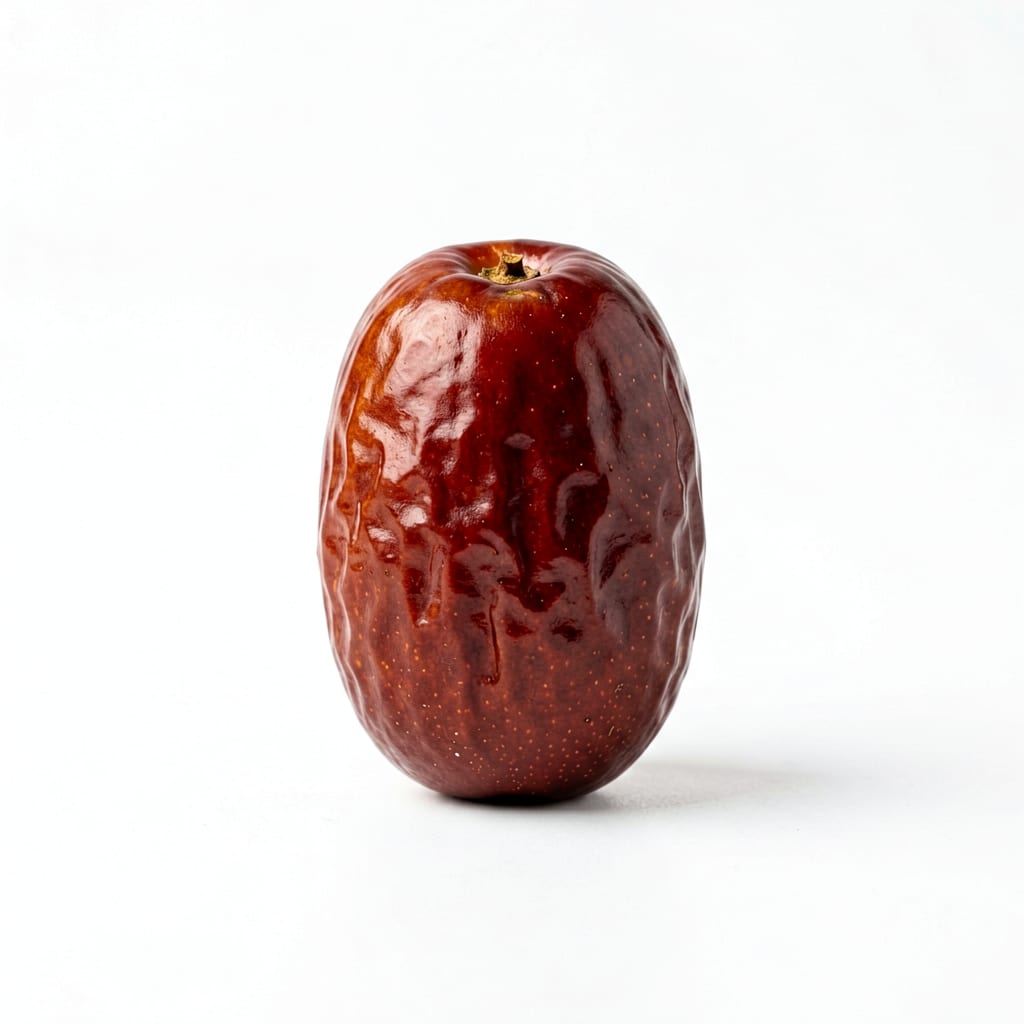
Jujube
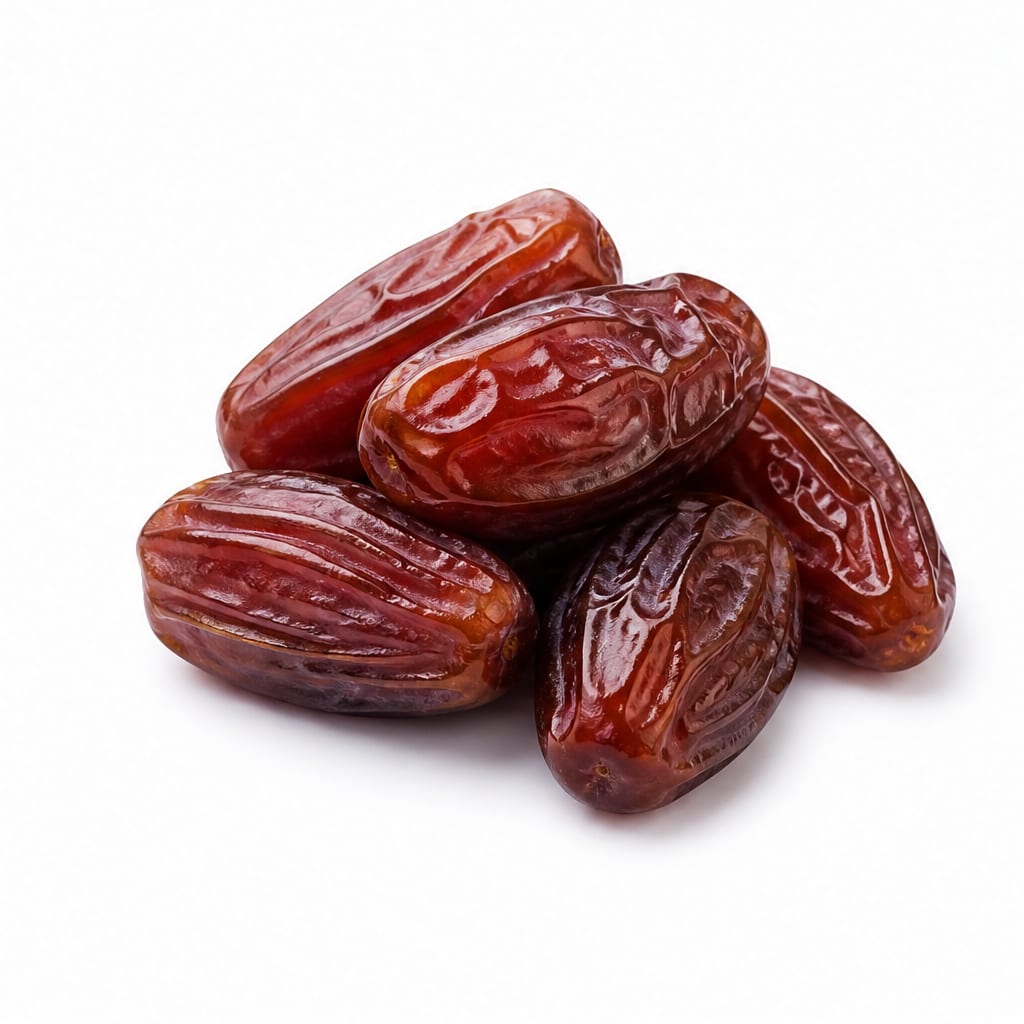
Dates
Jujube offers a lighter, lower-sugar snack with a unique vitamin C boost, while Dates are a dense, high-energy natural sweetener.
Jujube scores higher overall due to its lower sugar content and broader micronutrient profile for casual snacking. Dates score lower mainly because their high sugar density makes them easy to overconsume, though they excel in specific energy and culinary contexts.
You trade the intense sweetness and quick energy of Dates for the lower sugar and higher vitamin C of Jujube.
At a glance
Executive summary
Overall
Jujube
Healthier
Jujube
More practical
Dates
Daily use
Jujube
Key comparison lenses
Sugar content and glycemic impact
Dates are extremely high in natural sugars compared to Jujube, making blood sugar response the primary concern for most users.
Caloric density and weight management
Dates are significantly more calorie-dense, which drastically affects portion control and weight goals.
Micronutrient profile and antioxidants
Jujube offers unique vitamin C and flavonoids, while Dates provide substantial potassium and magnesium.
Culinary use as a natural sweetener
Dates are heavily used as a whole-food sweetener in baking, whereas Jujube is typically eaten alone or in teas.
Best choice for
Jujube
- Managing blood sugar levels
- Light snacking without the sugar crash
- Boosting immune support with vitamin C
Dates
- Quick pre-workout energy
- Natural sweetening in smoothies and baking
- Improving digestion with high fiber
Least suitable for
Jujube
- Those needing dense calories for weight gain
- High-intensity endurance fueling during a race
Dates
- Strict low-carb or keto diets
- Those struggling with blood sugar spikes
Deep comparison
Dimension by dimension
Each lens scores both foods and breaks down who each option suits.
- Dimension 1 · Priority 95Jujube
Sugar and Blood Sugar Impact
Jujube · 85Dates · 40Jujube has significantly less sugar and a gentler impact on blood sugar, making it far easier to manage as a daily snack.
Tradeoff
You sacrifice the intense, caramel-like sweetness of Dates, but you avoid the rapid blood sugar spike and subsequent crash.
Why it matters
Frequent high blood sugar spikes lead to cravings, fatigue, and long-term metabolic issues.
Real-world impact
Eating a few Dates can feel like eating candy—easy to overdo. Jujube feels more like a light fruit, leaving you steadier.
Jujube
- Steady afternoon energy
- Diabetics or insulin-resistant individuals
- Avoiding sugar cravings
Better for
- Satisfying a strong sweet tooth
Worse for
Dates
- Quick carb-loading before a run
- Recovering from a hypoglycemic episode
Better for
- Late-night snacking without blood sugar consequences
- Managing daily calorie intake
Worse for
- Dimension 2 · Priority 80Jujube
Micronutrient Density
Jujube · 88Dates · 75Jujube is unusually rich in vitamin C and unique antioxidants, while Dates shine more with potassium and magnesium.
Tradeoff
Dates are better for electrolyte replenishment, but Jujube provides immune and skin benefits that Dates completely lack.
Why it matters
Vitamin C is essential for immunity and collagen, while potassium supports hydration and muscle function.
Real-world impact
Snacking on Jujube subtly supports your immune system during cold season, whereas Dates help with muscle cramps or post-workout hydration.
Jujube
- Immune support
- Skin health and collagen production
- Stress reduction via adaptogenic properties
Better for
- Replenishing electrolytes after heavy sweating
Worse for
Dates
- Post-workout electrolyte recovery
- Meeting daily potassium needs
Better for
- Preventing oxidative stress without high sugar
Worse for
- Dimension 3 · Priority 85Dates
Energy and Caloric Density
Jujube · 65Dates · 90Dates are a compact, high-calorie energy source, while Jujube provides a much lighter bite.
Tradeoff
Dates deliver immediate, dense fuel but are easy to overeat; Jujube is more waistline-friendly but won't fuel a long workout.
Why it matters
Matching your energy source to your activity level prevents unintended weight gain or energy crashes.
Real-world impact
Three Dates can replace a small meal in calories, whereas three Jujubes are just a light, guilt-free nibble.
Jujube
- Weight management
- Mindless snacking without heavy calories
Better for
- Sustaining energy for a marathon
Worse for
Dates
- Hiking or endurance sports fuel
- Getting calories in for weight gain
Better for
- Keeping daily calories in check
Worse for
- Dimension 4 · Priority 70Dates
Digestive Health
Jujube · 70Dates · 85Dates are famously high in fiber and known for promoting bowel regularity, while Jujube offers a more moderate fiber boost.
Tradeoff
Dates are more effective for immediate digestive relief, but their high sugar can cause bloating in sensitive individuals.
Why it matters
Consistent fiber intake keeps digestion smooth, but the source of that fiber matters for gut comfort.
Real-world impact
A couple of Dates can reliably get things moving by morning, whereas Jujube is gentler and less likely to cause gas.
Jujube
- Sensitive stomachs prone to sugar fermentation
Better for
- Acute constipation relief
Worse for
Dates
- Relieving occasional constipation
- Meeting high daily fiber goals
Better for
- Irritable bowel syndrome triggered by high sugar
Worse for
Timeline
Health impact over time
Short-term
Hours to days
Jujube
- Provides a mild, steady energy lift without a crash
- Satisfies the urge to chew with a lighter sugar load
Dates
- Delivers a rapid energy surge suitable for physical exertion
- Quickly alleviates hunger pangs due to high caloric density
Long-term
Months to years
Jujube
- Supports immune resilience and skin health via vitamin C
- Easier to maintain healthy blood sugar levels over time
Dates
- Promotes excellent bowel regularity due to high fiber
- Risk of unintended weight gain if consumed frequently as a snack rather than a fuel source
Risk profile
Safety & processing
Both are naturally dried whole fruits, but commercially dried Jujube often contains sulfites or added sugar to enhance color and sweetness, whereas Dates are typically dried without additives.
Jujube
Sulfite sensitivity
mediumMany packaged dried Jujubes are treated with sulfur dioxide to preserve their red color, which can trigger asthma or headaches in sensitive people.
Dates
Dental cavities
mediumDates are extremely sticky and high in sugar, making them prone to adhering to teeth and promoting decay if dental hygiene is poor.
Mold and yeast
lowImproperly stored Dates can harbor mold or yeast due to their high moisture and sugar content.
Who wins for whom
Audience fit
Same foods, different winners depending on your goal.
children
DatesChildren generally prefer the sweet, caramel-like taste of Dates, and the potassium supports their active growth.
daily consumption
JujubeThe lower sugar and calorie density of Jujube makes it a more sustainable daily snack without metabolic drawbacks.
diabetes
JujubeJujube has a significantly lower glycemic load, making it a safer choice for managing blood glucose levels.
elderly
JujubeJujube is gentler on blood sugar and offers vitamin C for aging immune systems, plus it is traditionally used to support sleep.
muscle gain
DatesDates offer dense, fast-digesting carbs ideal for pre or post-workout glycogen replenishment.
weight loss
JujubeJujube provides the experience of a sweet dried fruit with far fewer calories and less sugar, making portion control much easier.
Your move
Decision guide
Choose Jujube
- You want a daily snack that will not spike your blood sugar
- You are watching your calorie intake but crave something sweet
- You want to boost your vitamin C and antioxidant intake
Choose Dates
- You need quick, dense energy before or after a workout
- You are looking for a natural, whole-food sweetener for baking or smoothies
- You need help with occasional constipation
Either works if
- You want a whole-food alternative to processed candy
- You are looking for a shelf-stable, travel-friendly fruit snack
Avoid both if
- You are on a strict very-low-carb or ketogenic diet
- You have severe fructose intolerance
Final recommendation
Keep both in your pantry but use them differently. Reach for Dates when you need serious fuel or a natural sweetener, and rely on Jujube for a lighter, lower-sugar daily snack that will not derail your energy or waistline.
Practical
Consumer tips
- 1
Always check the ingredient list on dried Jujube to avoid added sugars and sulfites, especially if you have asthma.
- 2
Store Dates in the refrigerator to prevent them from drying out or fermenting in warm climates.
- 3
Use Dates to blend into homemade energy bars or smoothies as a replacement for refined syrups.
- 4
If fresh Jujube is available, try it for an incredibly crisp, apple-like texture with even less sugar than the dried version.