
Nutrition comparison
Jujube vs Apples: Which Fruit Is Healthier for You?
Compare jujube and apples on vitamin C, sugar, satiety, and daily practicality. Learn which fruit fits your health goals and when to choose each one.
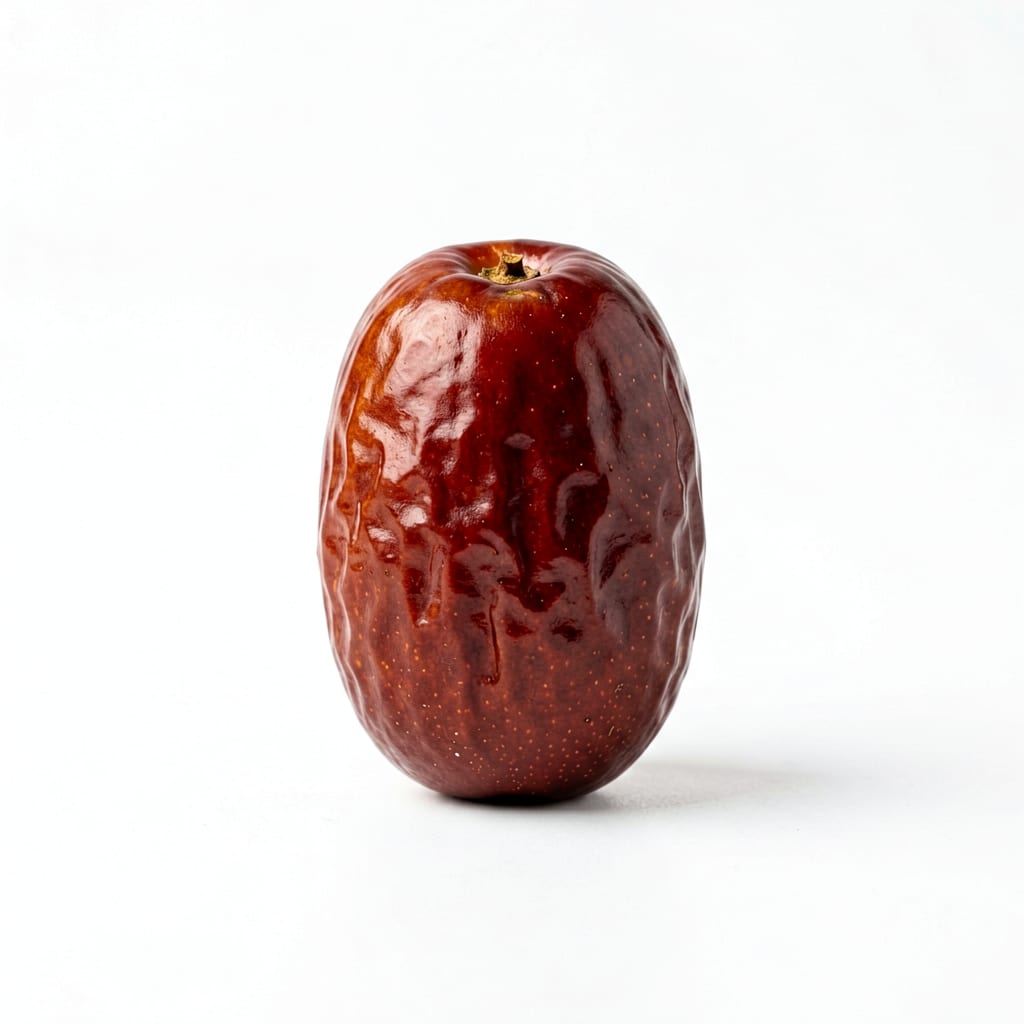
Jujube
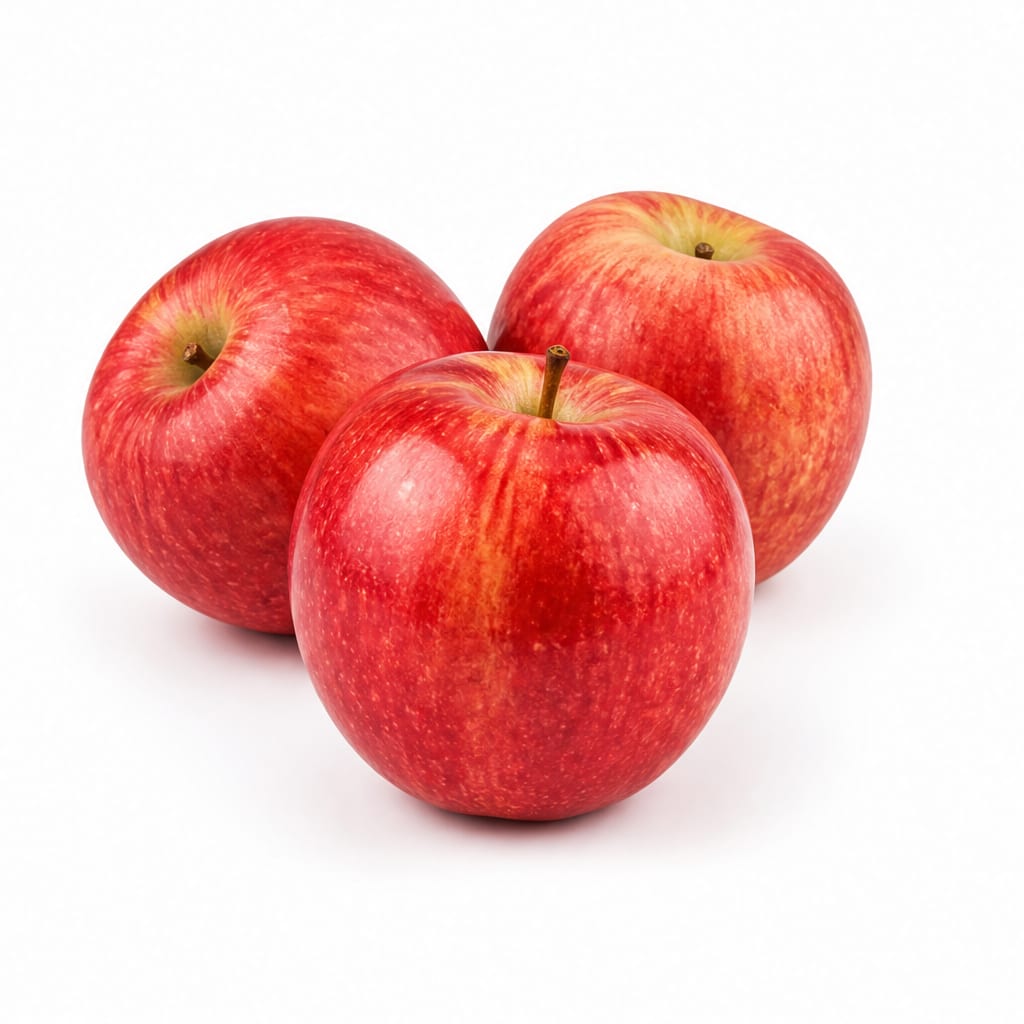
Apples
Jujube delivers far more vitamin C and unique calming compounds, while apples offer steadier energy, better satiety, and easier daily access.
Apples score slightly higher due to superior satiety, broader availability, and lower sugar density making them easier to eat daily without downsides. Jujube's exceptional vitamin C and unique bioactive compounds keep it competitive, but its higher sugar content and limited availability narrow its everyday appeal.
Jujube gives you concentrated nutrition in a small package but with more sugar and less filling power; apples give you a hydrating, satisfying snack that's easier to eat mindlessly without overdoing calories.
At a glance
Executive summary
Overall
It depends
Healthier
It depends
More practical
Apples
Daily use
Apples
Key comparison lenses
Vitamin C and antioxidant density comparison
Jujube is exceptionally high in vitamin C, often 10x more than apples, making this the most dramatic nutritional difference
Sugar content and blood sugar impact
Dried jujube is significantly sweeter and more sugar-dense than apples, which matters for diabetes and weight management
Everyday practicality and availability
Apples are universally available year-round while jujube is seasonal and harder to find in many regions
Traditional and functional health benefits
Jujube has centuries of use in traditional medicine for sleep and calming, which apples lack
Satiety and weight management
Apples provide more volume and water content per calorie, making them more filling for weight-conscious eaters
Best choice for
Jujube
- People wanting a natural vitamin C boost without supplements
- Those dealing with stress or sleep issues who want traditional calming remedies
- Anyone seeking iron-supportive nutrition, especially women
- People looking for concentrated antioxidants in a small serving
- Fans of traditional Asian remedies and functional foods
Apples
- People managing blood sugar or watching their weight
- Anyone wanting a filling, hydrating everyday snack
- Families needing an affordable, universally available fruit
- Those who struggle with portion control and need low-calorie-density foods
- People prioritizing heart health and cholesterol management
Least suitable for
Jujube
- People strictly limiting sugar intake, especially dried jujube
- Those who find it hard to stop eating sweet foods once they start
- Anyone without access to Asian markets or specialty grocers
- People on very low-carb diets
Apples
- People with severe oral allergy syndrome to birch pollen
- Those wanting maximum vitamin C from a single fruit serving
- Anyone looking for traditional sedative or calming food properties
Deep comparison
Dimension by dimension
Each lens scores both foods and breaks down who each option suits.
- Dimension 1 · Priority 92Jujube
Vitamin C and Antioxidant Density
Jujube · 95Apples · 45Jujube dominates with up to 10 times more vitamin C than apples, plus unique jujubosides and flavonoids not found in apples.
Tradeoff
That vitamin C advantage shrinks if jujube is dried, since heat and storage degrade vitamin C significantly.
Why it matters
A single serving of fresh jujube can cover most of your daily vitamin C needs, while you'd need several apples to get the same amount.
Real-world impact
If you're relying on fruit as your main vitamin C source, fresh jujube gets you there faster. Apples alone won't cut it for vitamin C.
Jujube
- Immune support during cold season
- Collagen production and skin health
- Getting vitamin C from whole food instead of supplements
Better for
- Dried jujube loses much of its vitamin C advantage
- High sugar alongside antioxidants may offset some benefits
Worse for
Apples
- Steady, low-dose antioxidant intake without sugar spikes
- People who get vitamin C from other sources already
Better for
- Relatively weak vitamin C source compared to most fruits
Worse for
- Dimension 2 · Priority 88Apples
Sugar Content and Blood Sugar Impact
Jujube · 45Apples · 78Apples have moderate sugar with high water content that slows absorption. Dried jujube is sugar-dense and can spike blood sugar faster.
Tradeoff
Fresh jujube is closer to apples in sugar impact, but most jujube sold outside Asia is dried, making it more like candy nutritionally.
Why it matters
If you're watching blood sugar or trying to lose weight, the form of jujube matters enormously. Dried jujube can pack 30-70g of sugar per 100g.
Real-world impact
A handful of dried jujube can hit you with as much sugar as a candy bar. An apple gives you sweetness with built-in portion control from its size and water content.
Jujube
- Quick energy before or after intense exercise
- People who need concentrated calories and don't mind the sugar
Better for
- Late-night snacking that disrupts blood sugar before bed
- Mindless eating — dried jujube is easy to overconsume
Worse for
Apples
- Steady energy without the crash
- Diabetics and prediabetics managing glucose
- Weight loss diets where calorie density matters
Better for
- Situations where you need concentrated quick energy in small volume
Worse for
- Dimension 3 · Priority 82Apples
Satiety and Fullness
Jujube · 40Apples · 85Apples are one of the most filling fruits per calorie thanks to high water content and firm texture. Dried jujube is calorie-dense but not very filling.
Tradeoff
Fresh jujube has more water and is more satisfying than dried, but still less filling than a crisp apple bite for bite.
Why it matters
Feeling full matters more than most people think for weight management. Foods that satisfy you quickly prevent overeating later.
Real-world impact
One medium apple at 95 calories can keep you satisfied for an hour. The same calories in dried jujube is just a few small pieces that vanish in seconds.
Jujube
- Situations where you need lightweight, portable calories like hiking
Better for
- Portion control — dried jujube is very easy to overeat
- People who eat when bored and need volume to feel satisfied
Worse for
Apples
- Between-meal snacking to prevent overeating at meals
- Emotional eaters who benefit from a satisfying crunch and slow eating
Better for
- Situations requiring calorie density in a small package
Worse for
- Dimension 4 · Priority 75Jujube
Mineral Content and Micronutrients
Jujube · 80Apples · 55Jujube provides more iron, potassium, and phosphorus per serving than apples, making it a better mineral source overall.
Tradeoff
The mineral advantage is most notable with dried jujube, which concentrates everything including sugar. Fresh jujube's mineral edge is smaller.
Why it matters
Iron is a common deficiency, especially for women. Getting it from food is generally better tolerated than supplements.
Real-world impact
For women prone to iron deficiency, jujube offers a small but meaningful dietary source. Apples contribute minerals too but at lower concentrations.
Jujube
- Women with low iron who want food-based sources
- Potassium intake for blood pressure management
- Small daily mineral top-ups in a compact serving
Better for
- The iron in jujube is non-heme iron, which is less absorbable than animal sources
- Dried jujube's sugar may offset mineral benefits for diabetics
Worse for
Apples
- Consistent baseline mineral intake without sugar load
- Hydration from high water content supporting mineral absorption
Better for
- Not a significant iron source
- Lower overall mineral density per serving
Worse for
- Dimension 5 · Priority 78Jujube
Calming and Sleep Benefits
Jujube · 88Apples · 30Jujube contains jujubosides and flavonoids with documented calming and sleep-promoting effects. Apples have no meaningful calming properties.
Tradeoff
The calming effect is real but modest — jujube is not a replacement for proper sleep hygiene or medical treatment for insomnia.
Why it matters
Many people struggle with stress and poor sleep. A food-based approach with real tradition behind it can be a gentle first step.
Real-world impact
Eating a few jujube before bed may help you relax and fall asleep more easily, similar to how chamomile tea works for some people. Apples won't do this.
Jujube
- People with mild sleep difficulties wanting a natural approach
- Stressful periods where calming foods complement other habits
- Traditional medicine practitioners and users
Better for
- Anyone expecting pharmaceutical-level sleep effects
- Late-night eating that might cause reflux or blood sugar disruption
Worse for
Apples
- Not applicable — apples lack calming compounds
Better for
- People specifically seeking food-based sleep support
Worse for
- Dimension 6 · Priority 80Apples
Availability and Practical Convenience
Jujube · 35Apples · 95Apples are available everywhere, year-round, at every price point. Jujube is seasonal, often requires specialty stores, and is unfamiliar to many shoppers.
Tradeoff
If you live near Asian markets, fresh jujube may be easy to find in season. Outside those areas, you're stuck with dried or imported options.
Why it matters
The healthiest food is the one you can actually buy and eat consistently. Exotic superfoods that you can't find don't help you.
Real-world impact
You can grab an apple at any grocery store, gas station, or cafeteria. Finding jujube requires planning, specialty trips, or online ordering.
Jujube
- People with access to Asian markets or online specialty retailers
- Cooking traditional Chinese or Korean recipes where jujube is standard
Better for
- Rural areas with limited specialty food access
- People unwilling to shop at multiple stores
Worse for
Apples
- Busy people who need grab-and-go fruit options
- Families shopping at regular grocery stores
- Travel and on-the-road snacking
Better for
- Situations where you specifically want jujube's unique properties
Worse for
- Dimension 7 · Priority 72Apples
Digestive Health and Fiber
Jujube · 60Apples · 80Apples provide reliable fiber with high water content that supports healthy digestion. Dried jujube has fiber too but with concentrated sugar that can cause bloating in some.
Tradeoff
Fresh jujube offers decent fiber with water, but dried jujube's fiber comes alongside sugar that may ferment and cause gas if you eat too many.
Why it matters
Good digestion is foundational to how you feel every day. The wrong fruit at the wrong time can mean bloating or discomfort.
Real-world impact
An apple a day genuinely supports regularity for most people. A large handful of dried jujube might leave you bloated from the sugar and fiber combo.
Jujube
- Traditional remedy for digestive comfort in TCM practice
- Small amounts of dried jujube for mild constipation relief
Better for
- Overeating dried jujube causing gas and bloating
- Sugar feeding undesirable gut bacteria in large amounts
Worse for
Apples
- Daily regularity without bloating risk
- Pectin content feeding beneficial gut bacteria
- Gentle fiber that most people tolerate well
Better for
- People with fructose malabsorption who may get gassy from apples
Worse for
Timeline
Health impact over time
Short-term
Hours to days
Jujube
- Quick energy from natural sugars, especially dried jujube
- Mild calming effect within an hour of consumption
- Possible bloating if eating large amounts of dried jujube
- Vitamin C boost supporting immediate immune function
Apples
- Sustained energy without sharp blood sugar spikes
- Feeling full and satisfied for 1-2 hours after eating
- Hydration boost from high water content
- Mild cholesterol-lowering effect from soluble fiber
Long-term
Months to years
Jujube
- Consistent vitamin C intake supporting immune resilience and skin health
- Iron contribution helping prevent deficiency with regular consumption
- Calming compounds potentially improving sleep quality over time
- Risk of excess sugar intake if dried jujube is consumed frequently in large amounts
Apples
- Reduced cardiovascular risk from regular pectin and flavonoid intake
- Better weight management from high-satiety, low-calorie-density snacking
- Improved gut microbiome diversity from consistent fiber intake
- Lower lifetime pesticide exposure if choosing organic options
Risk profile
Safety & processing
Both are whole foods in their natural state. However, most jujube available outside Asia is dried, which concentrates sugar and reduces vitamin C. Fresh jujube and fresh apples are equally natural, but the dried form of jujube is more processed by definition. Watch for sulfites in some commercially dried jujube — check labels if you're sensitive.
Jujube
Sulfite residues in commercially dried jujube
mediumSome producers use sulfur dioxide as a preservative for dried jujube, which can trigger reactions in sensitive individuals, especially asthmatics.
Pesticide residues on conventionally grown jujube
mediumLimited pesticide data exists for jujube in Western databases, but Asian agricultural practices vary widely. Washing thoroughly is advisable.
Added sugar in some processed jujube products
lowCertain candied or sweetened jujube products exist. Read ingredient lists to avoid unintentional added sugar on top of already concentrated natural sugar.
Apples
High pesticide residue on conventional apples
highApples consistently rank in the top 5 of the EWG Dirty Dozen list. Non-organic apples frequently carry multiple pesticide residues on their skin.
Wax coatings on conventional apples
lowMany commercially sold apples have shellac or carnauba wax applied for appearance and shelf life. While generally recognized as safe, some consumers prefer to avoid it.
Oral allergy syndrome in birch pollen allergy sufferers
mediumPeople with birch pollen allergies may experience itching and swelling in the mouth when eating raw apples. Cooking denatures the allergen protein.
Who wins for whom
Audience fit
Same foods, different winners depending on your goal.
children
ApplesApples are kid-friendly, widely accepted, and their firm texture encourages slow eating. Dried jujube's sticky sweetness can promote cavities and sugar habits in young children.
daily consumption
ApplesApples are easier to find, easier to portion, and harder to overeat. Their consistent nutritional profile and low downside risk make them a safer daily habit for most people.
diabetes
ApplesApples have a lower glycemic load and more water content that slows sugar absorption. Dried jujube can cause sharper blood sugar spikes, though fresh jujube is more moderate.
elderly
It dependsJujube's calming and sleep-promoting properties benefit older adults with sleep issues. Apples' fiber supports regularity. Those with dental issues may prefer softer jujube, but dried jujube can be too sticky and hard.
muscle gain
It dependsNeither fruit is a muscle-building food. Jujube offers slightly more carbs for post-workout glycogen replenishment, but the difference is marginal. Both should be paired with protein.
weight loss
ApplesApples provide more volume and satiety per calorie, making it easier to stay in a calorie deficit without feeling deprived. Dried jujube's calorie density works against portion control.
Your move
Decision guide
Choose Jujube
- You want a natural vitamin C powerhouse and don't eat many other vitamin C-rich foods
- Stress or mild insomnia is a daily struggle and you're open to traditional food remedies
- You have access to fresh jujube or high-quality dried jujube without sulfites
- You're an active person who can handle the sugar content without blood sugar concerns
- You enjoy traditional Chinese or Korean cooking where jujube is a staple ingredient
Choose Apples
- You want a reliable, filling everyday snack that supports weight management
- Blood sugar control is a priority for you
- You value convenience and need fruit that's available at any store
- You tend to overeat sweet foods and need built-in portion control
- You're concerned about pesticide exposure and want an organic option that's easy to find
Either works if
- You simply want more whole fruit variety in your diet
- You're generally healthy and enjoy both flavors
- You rotate fruits seasonally and eat a wide mix anyway
Avoid both if
- You have severe fructose intolerance or malabsorption
- You're on a strict very-low-carb or ketogenic diet
- You have birch pollen allergy with confirmed reactions to apples and similar fruits
Final recommendation
Keep apples as your daily go-to fruit for their consistency, satiety, and availability. Add jujube strategically when you want its vitamin C boost, calming properties, or cultural connection. Think of jujube as a functional supplement in fruit form, not a replacement for your apple-a-day habit. If you try jujube, seek out fresh when possible and watch portions with dried — it's deceptively easy to eat a sugar bomb disguised as a healthy snack.
Practical
Consumer tips
- 1
If buying dried jujube, check the ingredient list for sulfites or added sugar — the only ingredient should be jujube
- 2
Wash apples thoroughly or buy organic to reduce pesticide exposure, since apples rank high on the Dirty Dozen list
- 3
Fresh jujube has far more vitamin C than dried — if nutrition is your goal, seek out fresh when in season
- 4
Limit dried jujube to 3-5 pieces per sitting to avoid sugar overload — they're smaller and sweeter than you expect
- 5
If you have birch pollen allergy, try cooking apples before eating — heat denatures the problematic protein
- 6
Store dried jujube in an airtight container away from moisture to prevent mold and preserve quality
- 7
Pair either fruit with a protein or fat source like nuts or cheese for steadier energy and better satiety