
Nutrition comparison
Jujube vs Dried Apricots: Which Dried Fruit Is Healthier?
Compare jujube and dried apricots on sugar, minerals, preservatives, and health benefits. Find out which dried fruit fits your diet, and when to choose each one.
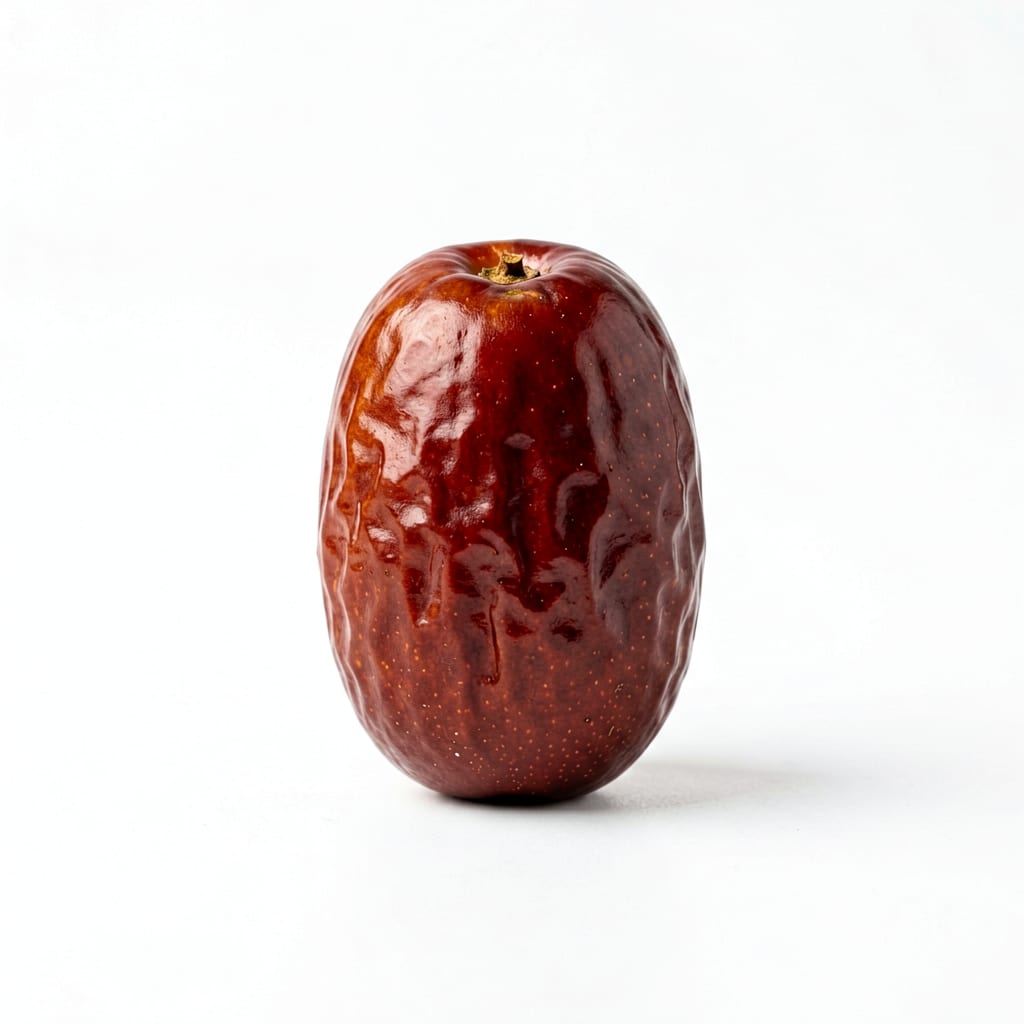
Jujube
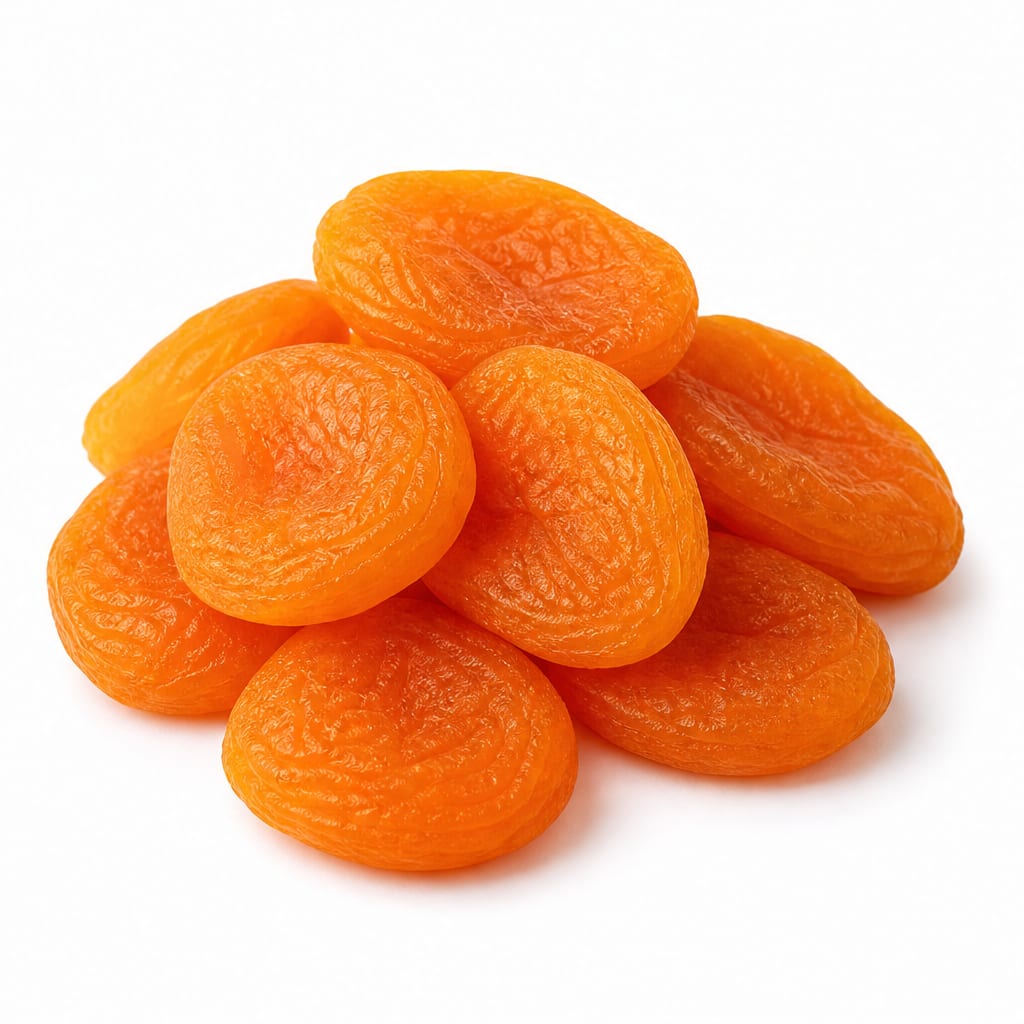
Dried Apricots
Dried apricots win on minerals and vitamin A; jujube wins on lower additive risk and unique calming properties. Both are sugar-dense dried fruits that require portion control.
Dried apricots score higher due to superior mineral and vitamin A content, but jujube stays competitive thanks to cleaner processing and unique bioactive compounds. The gap reflects dried apricots' broader nutritional utility for most people.
Dried apricots deliver far more potassium, iron, and beta-carotene, but often carry sulfite preservatives. Jujube offers a cleaner ingredient list and traditional calming benefits, but lacks the mineral punch.
At a glance
Executive summary
Overall
It depends
Healthier
It depends
More practical
Dried Apricots
Daily use
Dried Apricots
Key comparison lenses
sugar and blood stability
Both are dried fruits with concentrated sugar, making glycemic impact the top concern for most users
nutrient density tradeoffs
Each offers distinctly different micronutrient profiles—vitamin A vs calming compounds—so users need clarity on what they actually gain
preservative and processing safety
Dried apricots frequently contain sulfites; jujube is often sold without additives, making this a real purchasing decision factor
mineral boost for deficiencies
Iron and potassium content differ significantly, which matters for anemia-prone or active individuals
traditional medicinal vs mainstream nutrition
Jujube carries centuries of traditional medicine reputation for sleep and calm, while dried apricots are a conventional Western health snack
Best choice for
Jujube
- People avoiding sulfites and preservatives
- Those seeking better sleep and stress relief
- Anyone wanting a lower-potassium dried fruit option
- Traditional medicine enthusiasts
Dried Apricots
- Anemia-prone individuals needing iron
- Active people needing potassium replenishment
- Anyone seeking vitamin A for eye and skin health
- Those who want easy supermarket availability
Least suitable for
Jujube
- People needing high iron intake
- Those who want maximum mineral density per calorie
- Anyone unfamiliar with the taste or texture
- Budget-conscious shoppers in Western markets where jujube is expensive
Dried Apricots
- People with sulfite sensitivity or asthma
- Those strictly limiting sugar intake
- Anyone avoiding preservatives entirely
- People on low-potassium diets for kidney conditions
Deep comparison
Dimension by dimension
Each lens scores both foods and breaks down who each option suits.
- Dimension 1 · Priority 92Jujube
sugar_and_blood_stability
Jujube · 55Dried Apricots · 48Both are sugar-concentrated dried fruits, but jujube has slightly lower sugar density and contains jujubosides that may moderate blood sugar response.
Tradeoff
Neither is a low-sugar food. Jujube's modest glycemic advantage disappears if you eat large portions.
Why it matters
Dried fruit sugar spikes are a real concern for prediabetics and anyone tracking metabolic health.
Real-world impact
A handful of either will raise blood sugar noticeably. Jujube may cause a slightly gentler rise, but portion size matters far more than which fruit you pick.
Jujube
- Prediabetics wanting the gentler glycemic option
- People who snack slowly and eat small portions
Better for
- Anyone assuming jujube is low-sugar—it is not
Worse for
Dried Apricots
- Post-workout when faster sugar uptake is actually helpful
Better for
- Late-night snacking where blood sugar stability matters for sleep
Worse for
- Dimension 2 · Priority 88Dried Apricots
mineral_density
Jujube · 45Dried Apricots · 82Dried apricots deliver roughly double the potassium and significantly more iron than jujube, making them a far better mineral source.
Tradeoff
Jujube's lower potassium could actually benefit people with kidney issues, but most people need more potassium, not less.
Why it matters
Potassium supports blood pressure and muscle function; iron prevents fatigue and anemia. These are common deficiencies.
Real-world impact
A serving of dried apricots covers about 20% of daily potassium needs. Jujube covers roughly half that.
Jujube
- People on low-potassium renal diets
Better for
- Anyone relying on dried fruit as a meaningful iron source
Worse for
Dried Apricots
- Anemic individuals needing iron
- Athletes losing potassium through sweat
- Anyone on blood pressure medication who needs potassium support
Better for
- Kidney disease patients who must limit potassium
Worse for
- Dimension 3 · Priority 80Dried Apricots
vitamin_and_antioxidant_profile
Jujube · 58Dried Apricots · 76Dried apricots are rich in beta-carotene (vitamin A precursor), while jujube offers unique flavonoids and saponins with calming properties.
Tradeoff
Vitamin A from dried apricots has broad, well-documented benefits for eyes and skin. Jujube's bioactives are promising but less clinically established.
Why it matters
Beta-carotene is a proven antioxidant. Jujube's jujubosides are intriguing for stress and sleep but the evidence is still emerging.
Real-world impact
Dried apricots visibly support eye health and immune function. Jujube may help you feel calmer, but results vary person to person.
Jujube
- People seeking natural calming or sleep-supportive compounds
- Those already getting enough vitamin A from other sources
Better for
- Those expecting strong conventional vitamin content
Worse for
Dried Apricots
- Anyone wanting proven vitamin A for eye and skin health
- People with low fruit and vegetable intake who need beta-carotene
Better for
- People taking vitamin A supplements who risk excess intake
Worse for
- Dimension 4 · Priority 80Jujube
preservative_and_additive_safety
Jujube · 85Dried Apricots · 50Jujube is typically sold without sulfites or added preservatives. Most commercial dried apricots contain sulfur dioxide to preserve color.
Tradeoff
Unsulfured dried apricots exist but are darker, less visually appealing, and harder to find. Jujube naturally maintains its color without treatment.
Why it matters
Sulfites trigger asthma reactions in sensitive individuals and cause digestive discomfort for some people.
Real-world impact
If you have asthma or sulfite sensitivity, jujube is the safer snacking choice. For everyone else, sulfites in dried apricots are generally tolerable in moderation.
Jujube
- People with sulfite sensitivity or asthma
- Anyone avoiding all food additives
Better for
- People who assume all dried fruit is equally processed
Worse for
Dried Apricots
- Those unaffected by sulfites who prioritize appearance and shelf stability
Better for
- Asthmatics who may experience reactions from sulfur dioxide
Worse for
- Dimension 5 · Priority 72Dried Apricots
digestive_tolerance_and_fiber
Jujube · 60Dried Apricots · 70Dried apricots provide slightly more fiber per serving and are well-known for promoting regularity. Jujube is gentler but less effective as a digestive aid.
Tradeoff
Dried apricots can cause loose stools if overeaten. Jujube is milder on digestion but less likely to move things along when you are constipated.
Why it matters
Many people eat dried fruit specifically for digestive regularity, making fiber content a practical decision factor.
Real-world impact
Three or four dried apricots can help with constipation by morning. Jujube is less dramatic and more of a gentle snack.
Jujube
- People with sensitive digestion who want a milder option
- Those prone to diarrhea from high-fiber foods
Better for
- Those relying on dried fruit as a fiber supplement
Worse for
Dried Apricots
- Anyone eating dried fruit specifically for constipation relief
- People wanting more fiber per calorie
Better for
- People with irritable bowel who react to concentrated fruit fiber
Worse for
- Dimension 6 · Priority 65Dried Apricots
availability_and_value
Jujube · 40Dried Apricots · 85Dried apricots are available in virtually every grocery store at consistent prices. Jujube requires specialty stores or online ordering in most Western countries.
Tradeoff
Jujube's scarcity outside Asian markets means higher prices and less freshness certainty. Dried apricots are a reliable staple.
Why it matters
The healthiest food is the one you can actually buy and eat consistently.
Real-world impact
You can grab dried apricots at any supermarket. Finding quality jujube may require a trip to an Asian market or waiting for an online delivery.
Jujube
- People living near Asian grocery stores with fresh supply
- Those willing to order online in bulk
Better for
- Rural dwellers without access to specialty stores
Worse for
Dried Apricots
- Anyone who values convenience and consistent availability
- Budget-conscious shoppers comparing price per serving
Better for
- Those in regions where apricots are imported and expensive
Worse for
Timeline
Health impact over time
Short-term
Hours to days
Jujube
- Mild calming effect within an hour of eating due to jujubosides
- Blood sugar rise comparable to other dried fruits
- Gentle on the stomach with low risk of digestive upset
Dried Apricots
- Noticeable energy boost from natural sugars and iron
- Possible sulfite-related headache or breathing discomfort in sensitive people
- Promotes bowel movement within hours due to fiber and sorbitol content
Long-term
Months to years
Jujube
- Potential improvement in sleep quality with regular consumption
- Antioxidant support from flavonoids may reduce oxidative stress
- Risk of weight gain if portions are not controlled due to sugar density
Dried Apricots
- Improved iron status and reduced anemia risk over time
- Better blood pressure management from high potassium intake
- Vitamin A accumulation supporting eye health and immune resilience
- Possible sulfite sensitivity development with heavy long-term consumption
Risk profile
Safety & processing
Jujube is typically sun-dried without additives, retaining a clean ingredient list. Most commercial dried apricots are treated with sulfur dioxide to preserve their bright orange color and extend shelf life. Unsulfured options exist but are less common and visually browner.
Jujube
Mold and mycotoxins from improper drying or storage
mediumJujube dried in humid conditions without proper ventilation can develop mold. Buy from reputable sources and store in airtight containers.
Pesticide residue on conventionally grown jujube
mediumJujube cultivation in some regions uses significant pesticides. Organic options reduce this concern but are harder to find.
Dried Apricots
Sulfite-induced asthma reactions
highSulfur dioxide is a common preservative in dried apricots and is a known trigger for asthma attacks in sensitive individuals. Unsulfured varieties eliminate this risk.
Added sugar in some commercial brands
mediumCertain dried apricot products coat the fruit in additional sugar or syrup. Always check ingredient lists to avoid unnecessary added sweeteners.
Sulfite-related digestive discomfort
lowEven without asthma, some people experience bloating or stomach upset from sulfite-preserved dried apricots.
Who wins for whom
Audience fit
Same foods, different winners depending on your goal.
children
Dried ApricotsDried apricots offer more iron and vitamin A for growing bodies, and their familiar sweet-tart flavor is usually better received by kids. Choose unsulfured brands when possible.
daily consumption
Dried ApricotsDried apricots provide broader nutritional coverage for daily use, especially potassium and vitamin A. Just rotate with unsulfured options to minimize sulfite exposure.
diabetes
It dependsNeither is ideal for diabetics due to concentrated sugar. Jujube has a slight glycemic edge, but the difference is small enough that portion size matters more than fruit choice.
elderly
Dried ApricotsDried apricots support bone density with potassium and help prevent anemia with iron. Their digestive regularity benefits are also valuable for older adults.
muscle gain
Dried ApricotsDried apricots provide more potassium for muscle cramp prevention and more iron for oxygen delivery to working muscles, making them more useful around training.
weight loss
JujubeJujube has slightly fewer calories per serving and a marginally gentler blood sugar impact, making it the marginally better choice for weight management—though both require strict portion control.
Your move
Decision guide
Choose Jujube
- You have asthma or sulfite sensitivity and want a worry-free dried fruit
- You are looking for a calming evening snack that may support better sleep
- You want a dried fruit with minimal processing and no preservatives
- You are on a low-potassium diet for kidney health
Choose Dried Apricots
- You need more iron in your diet, especially as a vegetarian or woman
- You want potassium support for blood pressure or muscle recovery
- You value convenience and want something available at any grocery store
- You are looking for a proven vitamin A source for eye and skin health
Either works if
- You just want a sweet dried fruit snack and have no specific health concerns
- You are rotating between different dried fruits for variety
- You eat small portions and control sugar intake from other sources
Avoid both if
- You are strictly limiting sugar intake for diabetes or keto diets
- You are prone to overeating dried fruit and cannot control portions
- You have fructose intolerance or malabsorption issues
Final recommendation
For most people, dried apricots are the more practical and nutrient-dense daily choice—especially if you find unsulfured brands. Choose jujube when you want a cleaner-label snack with calming properties, or if sulfites are a concern for you. Either way, keep portions to a small handful to manage sugar intake.
Practical
Consumer tips
- 1
Look for unsulfured dried apricots—they are brownish but free of preservatives and often taste richer
- 2
Store both fruits in airtight containers away from heat and moisture to prevent mold
- 3
Soak dried apricots in water overnight for a gentler digestive experience and plumper texture
- 4
If buying jujube online, check reviews for freshness—stale jujube becomes hard and chalky
- 5
Limit dried fruit to roughly 30 grams per sitting to keep sugar intake reasonable
- 6
Pair either fruit with a handful of nuts to slow sugar absorption and stay full longer
- 7
Freeze dried jujube for a chewy, date-like texture that lasts months