
Nutrition comparison
Jujube vs Grapes: Which Fruit Is Better for Blood Sugar, Sleep, and Snacking?
Compare jujubes and grapes on sugar content, glycemic impact, sleep benefits, and overeating risk. Find out which fruit fits your health goals better.
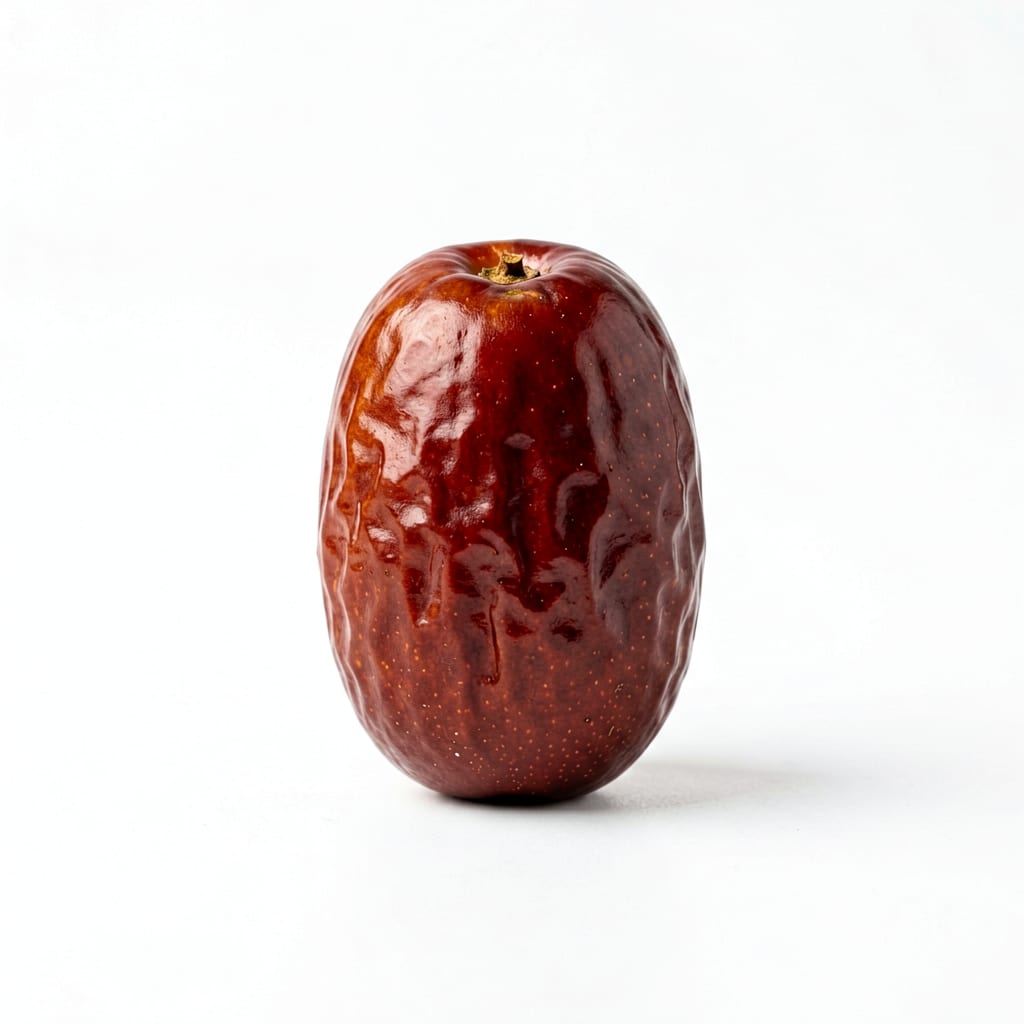
Jujube
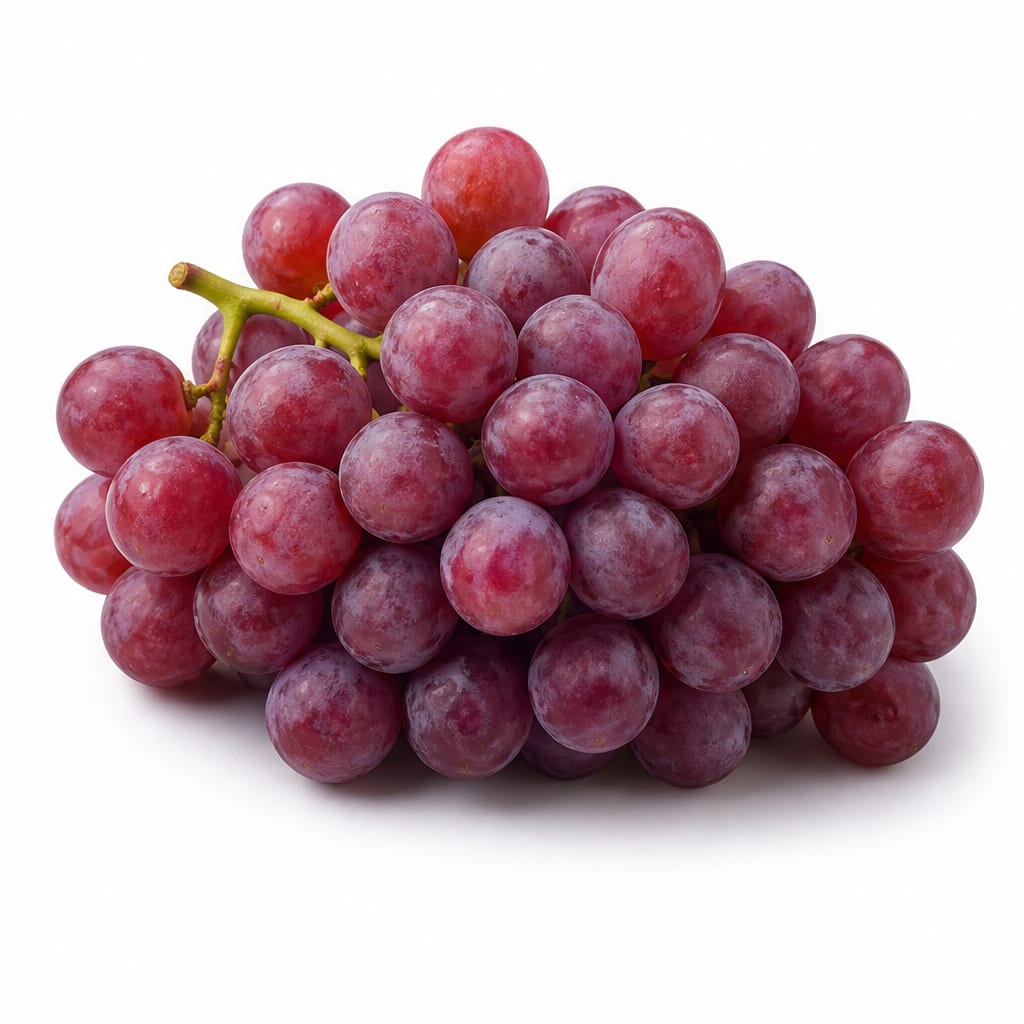
Grapes
Jujubes offer steadier energy, more fiber, and unique calming benefits, while grapes are more convenient, hydrating, and packed with resveratrol.
Jujubes score higher due to superior blood sugar stability, higher fiber, and unique calming compounds. Grapes remain strong for convenience and resveratrol but lose points for higher sugar and easier overconsumption.
Jujubes give you better blood sugar control and sleep support, but grapes win on convenience, availability, and heart-healthy antioxidants.
At a glance
Executive summary
Overall
It depends
Healthier
Jujube
More practical
Grapes
Daily use
It depends
Key comparison lenses
blood sugar management
Both are sweet fruits with notably different glycemic impacts, making this the top concern for most users
snack choice for weight management
Both are popular snack fruits but differ significantly in calorie density and overeating potential
sleep and stress support
Jujube has unique calming compounds that grapes lack, a distinctive differentiator
antioxidant and longevity benefits
Grapes offer resveratrol while jujubes provide different flavonoids, creating a meaningful tradeoff
everyday convenience and availability
Grapes are universally available; jujubes require more effort to find and store
Best choice for
Jujube
- People managing blood sugar or prediabetes
- Those seeking natural sleep or anxiety support
- Anyone wanting a more filling, less sugary fruit snack
- People trying to reduce overeating triggers
Grapes
- Athletes needing quick energy after workouts
- People prioritizing heart health and longevity
- Anyone wanting an easy, hydrating everyday fruit
- Families needing affordable, kid-friendly fruit
Least suitable for
Jujube
- People who cannot find fresh or dried jujubes locally
- Those wanting a quick-hit energy source before exercise
- Anyone sensitive to dried fruit texture or concentrated flavors
Grapes
- People with diabetes or insulin resistance
- Those prone to mindless snacking and overeating
- Anyone strictly limiting sugar intake
Deep comparison
Dimension by dimension
Each lens scores both foods and breaks down who each option suits.
- Dimension 1 · Priority 95Jujube
blood sugar stability
Jujube · 82Grapes · 48Jujubes cause a much gentler blood sugar rise than grapes, making them safer for glucose-sensitive individuals.
Tradeoff
You gain metabolic steadiness with jujubes but lose the quick energy burst grapes provide after exercise.
Why it matters
Stable blood sugar means fewer energy crashes, less cravings, and better long-term metabolic health.
Real-world impact
Eating grapes can leave you reaching for more food 30 minutes later. Jujubes keep you feeling steadier for longer.
Jujube
- Prediabetics
- Intermittent fasters breaking a fast
- Afternoon desk workers avoiding crashes
Better for
- Pre-workout energy needs
- Situations requiring fast glycogen replenishment
Worse for
Grapes
- Endurance athletes mid-run
- Post-workout recovery
- Anyone needing rapid carbohydrate refueling
Better for
- Late-night snacking
- Managing insulin resistance
- Controlling sugar cravings
Worse for
- Dimension 2 · Priority 88Jujube
satiety and fullness
Jujube · 78Grapes · 52Jujubes are more filling per calorie thanks to higher fiber and denser texture that slows eating pace.
Tradeoff
Grapes are lighter and more refreshing but far easier to overeat without noticing.
Why it matters
Foods that fill you up naturally help with portion control without requiring willpower.
Real-world impact
A handful of jujubes feels satisfying. A bowl of grapes can disappear before your brain registers fullness.
Jujube
- Weight management
- Mindful eaters
- Between-meal hunger control
Better for
- When you want something light and juicy
- Hot weather snacking
Worse for
Grapes
- Hot summer hydration
- Light pre-meal appetizer
- Refreshing palate cleanser
Better for
- Controlling calorie intake
- Emotional eating situations
Worse for
- Dimension 3 · Priority 82Jujube
sleep and stress support
Jujube · 88Grapes · 35Jujubes contain jujubosides and flavonoids that promote relaxation and improve sleep quality. Grapes offer no comparable benefit.
Tradeoff
This is a uniquely lopsided category. If sleep matters to you, jujubes are clearly superior.
Why it matters
Poor sleep drives cravings, weight gain, and mood instability. Food-based sleep support is underrated.
Real-world impact
Eating a few dried jujubes before bed can help you fall asleep faster. Grapes before bed may do the opposite due to sugar.
Jujube
- Insomniacs
- Anxiety-prone individuals
- Night shift workers adjusting schedules
- Older adults with sleep difficulties
Better for
- Situations requiring alertness
Worse for
Grapes
- No meaningful sleep or stress advantage
Better for
- Evening snacking
- Stress eating patterns
Worse for
- Dimension 4 · Priority 78It depends
antioxidant diversity
Jujube · 72Grapes · 76Grapes deliver resveratrol for heart and longevity benefits. Jujubes offer different flavonoids and vitamin C. Both are valuable but target different systems.
Tradeoff
Grapes better support cardiovascular health. Jujubes better support immune function and calming pathways.
Why it matters
Different antioxidants protect different parts of your body. Variety matters more than quantity.
Real-world impact
Regular grape consumption supports heart health long-term. Regular jujube consumption supports immunity and calm.
Jujube
- Immune support during cold season
- Chronic stress management
- Inflammation reduction
Better for
- Targeted cardiovascular protection
Worse for
Grapes
- Heart disease prevention
- Longevity-focused diets
- Mediterranean diet followers
Better for
- Vitamin C replenishment
- Acute immune challenges
Worse for
- Dimension 5 · Priority 72Grapes
convenience and availability
Jujube · 40Grapes · 90Grapes are available everywhere, easy to wash and eat. Fresh jujubes are seasonal and regional; dried jujubes require specialty stores.
Tradeoff
Grapes fit seamlessly into any grocery run. Jujubes require planning, sourcing, and often online ordering.
Why it matters
The healthiest food is the one you actually eat regularly. Convenience drives consistency.
Real-world impact
You can grab grapes at any supermarket. Finding quality jujubes often means visiting Asian markets or ordering online.
Jujube
- People with access to Asian grocery stores
- Online shoppers who plan ahead
Better for
- Rural areas with limited specialty stores
- Spontaneous grocery trips
Worse for
Grapes
- Busy families
- Travelers
- Anyone shopping at conventional grocery stores
- Office snack rotations
Better for
- No significant convenience downside
Worse for
- Dimension 6 · Priority 85Jujube
overeating risk
Jujube · 80Grapes · 42Grapes are notoriously easy to overeat due to high palatability, small size, and low fiber. Jujubes naturally limit intake through denser texture and quicker satiety.
Tradeoff
Jujubes have built-in portion control. Grapes require conscious effort to stop eating.
Why it matters
Overeating healthy foods still leads to excess sugar and calorie intake, undermining health goals.
Real-world impact
It is easy to accidentally eat 300+ calories of grapes in one sitting. Jujubes stop you naturally around 100-150 calories.
Jujube
- Portion control seekers
- Recovering binge eaters
- Mindful eating practitioners
Better for
- Those needing to eat more calories
Worse for
Grapes
- Active children needing calories
- Athletes with high energy demands
Better for
- Weight loss diets
- Late-night fridge raids
- Stress eating episodes
Worse for
Timeline
Health impact over time
Short-term
Hours to days
Jujube
- Steadier energy without the sugar spike and crash cycle
- Mild calming effect within 30-60 minutes of eating
- Better immediate satiety, reducing subsequent snacking
Grapes
- Quick energy boost from readily available sugars
- Refreshing hydration from high water content
- Possible sugar craving trigger 20-40 minutes after eating
Long-term
Months to years
Jujube
- Improved sleep quality with regular evening consumption
- Better blood sugar regulation over months
- Stronger immune resilience from consistent vitamin C intake
Grapes
- Cardiovascular benefits from regular resveratrol intake, especially with red grapes
- Potential weight gain if portion control is not managed
- Antioxidant protection supporting healthy aging
Risk profile
Safety & processing
Both fruits are whole foods when fresh. Dried jujubes sometimes contain added sugar or sulfur dioxide, so check labels. Fresh grapes are typically sold without additives.
Jujube
Added sulfites in dried versions
mediumSome commercially dried jujubes use sulfur dioxide as a preservative, which can trigger reactions in sensitive individuals.
Added sugar in dried forms
mediumCertain dried jujube products coat the fruit in sugar syrup, significantly increasing calorie and sugar content.
Grapes
Pesticide residue
highGrapes consistently rank among the top fruits for pesticide residue. Thin skin and growing conditions make them vulnerable. Washing helps but does not remove all residues.
Mold and mycotoxin exposure
mediumDamaged or overripe grapes can harbor mold. Inspect bunches carefully and discard any soft or broken skins.
Who wins for whom
Audience fit
Same foods, different winners depending on your goal.
children
GrapesGrapes are sweeter, more familiar, and easier for kids to enjoy. Always slice them for children under 5 to prevent choking.
daily consumption
It dependsGrapes are easier to eat daily due to availability. Jujubes offer better daily metabolic benefits if you can source them consistently.
diabetes
JujubeLower glycemic impact and more fiber make jujubes significantly safer for blood sugar management.
elderly
JujubeJujubes support sleep quality, immune function, and blood sugar stability, all of which become more important with age.
muscle gain
GrapesGrapes provide faster-digesting carbs that support glycogen replenishment after training.
weight loss
JujubeHigher fiber and natural portion control make jujubes easier to fit into a calorie deficit without feeling deprived.
Your move
Decision guide
Choose Jujube
- You want steadier energy without sugar crashes
- Sleep quality is a priority for you
- You are managing blood sugar, prediabetes, or insulin resistance
- You tend to overeat sweet fruits and need built-in portion control
- You have access to a good source of fresh or unsweetened dried jujubes
Choose Grapes
- You need quick pre- or post-workout energy
- Heart health and longevity are your top antioxidant priorities
- Convenience and availability matter more than metabolic optimization
- You want a hydrating, refreshing fruit for hot weather
- You are feeding kids who prefer familiar flavors
Either works if
- You simply want a whole-food fruit snack instead of processed options
- You are rotating fruits for antioxidant diversity throughout the week
- Neither fruit is a dietary staple for you, just occasional variety
Avoid both if
- You are on a strict very-low-carb or ketogenic diet
- You have a fructose intolerance or malabsorption issue
- You are allergic to either fruit specifically
Final recommendation
Keep both in rotation if possible. Eat jujubes in the evening for their calming, sleep-supporting benefits and as a blood sugar-friendly snack. Enjoy grapes earlier in the day when their quick energy and hydration serve you well, especially around exercise. If you must pick one for daily use, jujubes offer more metabolic and sleep advantages, but only if you can reliably find them.
Practical
Consumer tips
- 1
Buy organic grapes when possible to reduce pesticide exposure, as conventionally grown grapes are heavily sprayed.
- 2
Check dried jujube ingredient lists for added sugar or sulfites. Unsweetened varieties are far superior.
- 3
Fresh jujubes taste like crisp, mild apples. Dried jujubes are chewier and sweeter. Try both before deciding which you prefer.
- 4
Freeze grapes for a refreshing summer treat that also slows down eating pace.
- 5
Store dried jujubes in an airtight container away from moisture to preserve texture and prevent mold.
- 6
If new to jujubes, start with 3-4 dried fruits as an evening snack to test their calming effect on your sleep.