
Nutrition comparison
Jujube vs Persimmons: Which Sweet Fruit Is Better for You?
Compare jujube and persimmons on blood sugar impact, vitamins, digestion safety, and convenience. Find out which fruit fits your health goals and lifestyle.
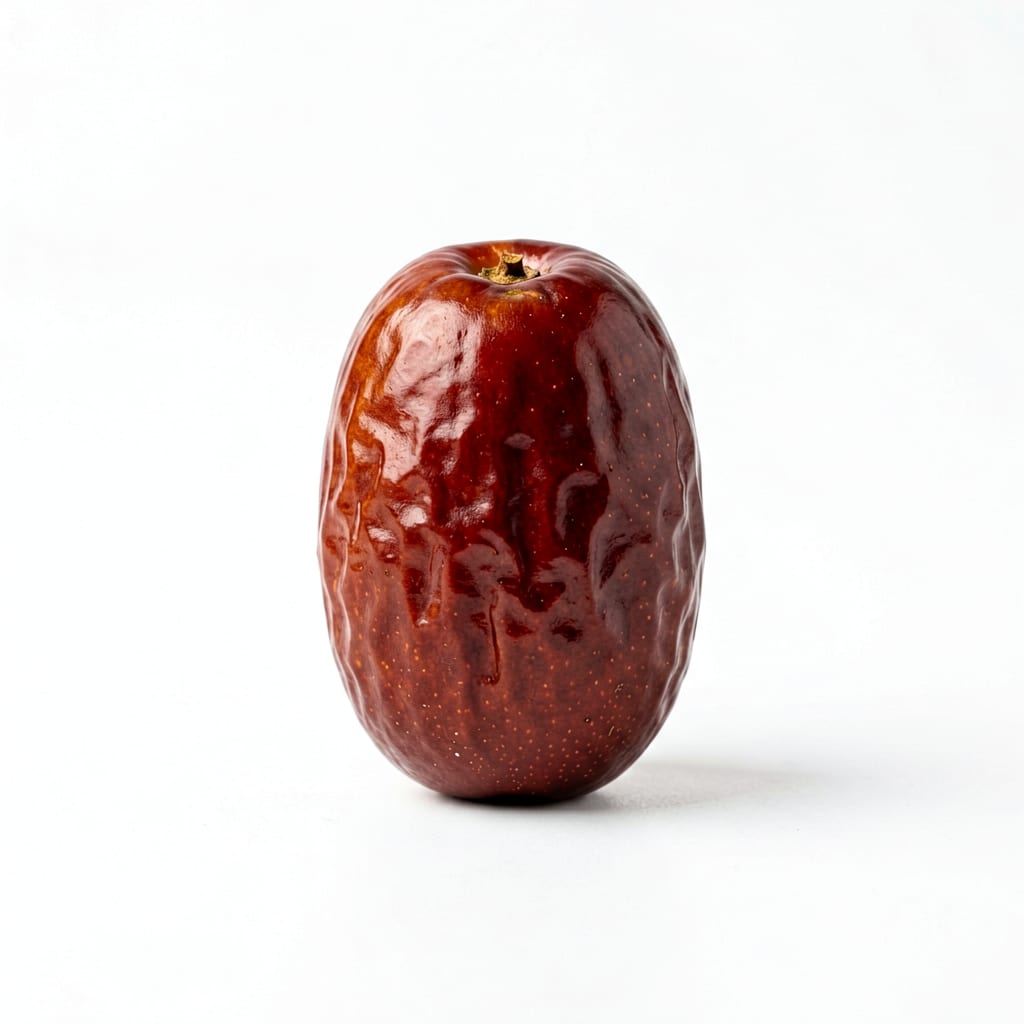
Jujube
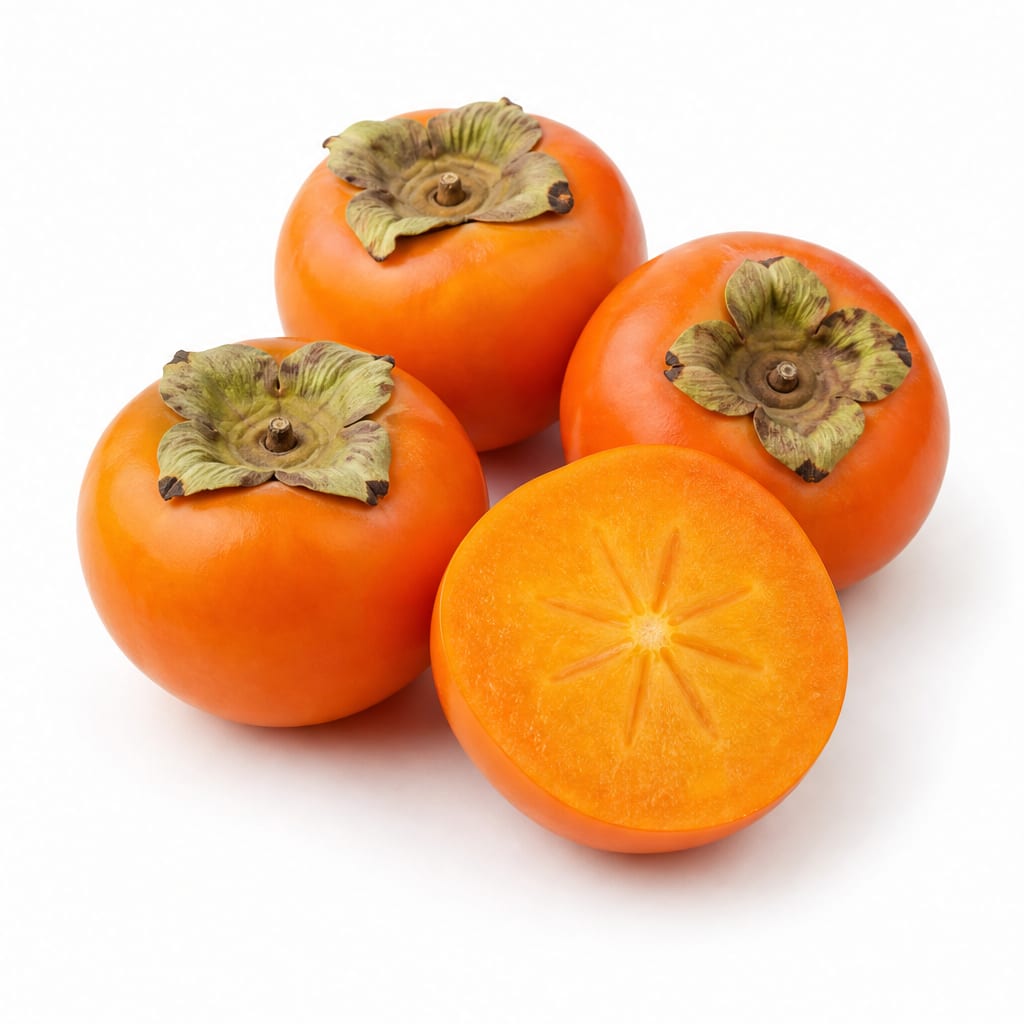
Persimmons
Jujube offers steadier energy and portability, while persimmons deliver stronger vitamin A and a more filling fresh fruit experience.
Jujube edges ahead on practicality and blood sugar stability, but persimmons offer superior micronutrients. The close scores reflect that neither is universally better—your priorities determine the winner.
Convenient, blood-sugar-friendlier snacking versus richer micronutrients and more satisfying fresh fruit texture.
At a glance
Executive summary
Overall
It depends
Healthier
It depends
More practical
Jujube
Daily use
Jujube
Key comparison lenses
blood sugar management
Both fruits are naturally sweet with different glycemic impacts, a key concern for many users
antioxidant and immune support
Jujube and persimmons have distinct antioxidant profiles that serve different health needs
digestive tolerance and safety
Persimmons carry unique tannin-related digestive risks that users must understand
snacking convenience and portability
Dried jujube is far more portable than fresh persimmons, affecting daily use decisions
traditional and medicinal use
Jujube has deep roots in traditional medicine that may influence user preference
Best choice for
Jujube
- People managing blood sugar who want a sweet snack
- Busy individuals needing portable, non-messy fruit
- Those seeking traditional calming and sleep-supporting foods
- Anyone wanting a shelf-stable fruit option
Persimmons
- People prioritizing eye health and vitamin A intake
- Those wanting a more filling, hydrating fresh fruit
- Anyone seeking heart-protective antioxidants
- People looking for a seasonal autumn treat with rich flavor
Least suitable for
Jujube
- People watching calorie intake who eat dried fruit mindlessly
- Those seeking high water content for hydration
- Anyone wanting a low-sugar fruit option
Persimmons
- People with sensitive digestion or history of bowel obstruction
- Those wanting a convenient on-the-go snack
- Anyone unfamiliar with ripeness indicators who might eat unripe fruit
Deep comparison
Dimension by dimension
Each lens scores both foods and breaks down who each option suits.
- Dimension 1 · Priority 92Jujube
blood sugar stability
Jujube · 78Persimmons · 62Jujube causes a slower, gentler blood sugar rise than persimmons, especially when dried.
Tradeoff
Dried jujube is more calorie-dense per piece, so portion control still matters.
Why it matters
Steadier blood sugar means fewer energy crashes and less craving cycles throughout the day.
Real-world impact
A handful of dried jujube won't give you the afternoon slump that a very ripe persimmon might.
Jujube
- Diabetics seeking safer sweet options
- People prone to energy crashes after sweet snacks
Better for
- Those who overeat dried fruit and consume excess calories
Worse for
Persimmons
- Active individuals who need quick energy after exercise
Better for
- Insulin-resistant individuals sensitive to sugar spikes
Worse for
- Dimension 2 · Priority 88Persimmons
vitamin and mineral density
Jujube · 65Persimmons · 84Persimmons are dramatically richer in vitamin A and also provide more manganese and copper.
Tradeoff
Jujube provides more vitamin C when fresh, but most people eat it dried, reducing this advantage.
Why it matters
Vitamin A supports vision, immunity, and skin health—areas where persimmons genuinely shine.
Real-world impact
Eating one persimmon covers over half your daily vitamin A needs, something jujube cannot match.
Jujube
- Those relying on jujube for vitamin C in regions where fresh jujube is available
Better for
- People counting on dried jujube for vitamin C—it's mostly lost in drying
Worse for
Persimmons
- People wanting to boost eye health naturally
- Anyone needing immune support through vitamin A
- Those seeking trace minerals like manganese for bone health
Better for
- Those taking vitamin A supplements who need to avoid excess intake
Worse for
- Dimension 3 · Priority 85It depends
antioxidant profile
Jujube · 76Persimmons · 78Both are antioxidant powerhouses but through different compounds—jujube via flavonoids and polysaccharides, persimmons via tannins and carotenoids.
Tradeoff
Persimmon tannins are double-edged: powerful antioxidants but potentially irritating to digestion.
Why it matters
Different antioxidants protect different systems, so variety matters more than one being 'better.'
Real-world impact
Rotating both fruits gives broader antioxidant coverage than eating only one.
Jujube
- People seeking calming, anti-inflammatory compounds linked to better sleep
- Those wanting antioxidants without digestive irritation
Better for
- Those wanting the specific heart-health benefits tannins provide
Worse for
Persimmons
- People prioritizing heart-protective tannins
- Those wanting carotenoid antioxidants that also support vision
Better for
- People with sensitive stomachs who react to tannins
Worse for
- Dimension 4 · Priority 85Jujube
digestive tolerance and safety
Jujube · 82Persimmons · 58Jujube is gentler on digestion, while persimmons carry real risks from tannins, especially when unripe.
Tradeoff
Persimmons' tannins are health-protective in moderate amounts but dangerous in excess or with certain medications.
Why it matters
Persimmon-induced bezoars (intestinal blockages) are rare but serious and well-documented in medical literature.
Real-world impact
Eating unripe astringent persimmons on an empty stomach can land you in the hospital; jujube has no such risk.
Jujube
- People with sensitive digestion
- Anyone with history of bowel obstruction
- Elderly individuals with slower digestion
Better for
- Those who want the constipation-relieving effect of persimmon fiber
Worse for
Persimmons
- People with healthy digestion who eat persimmons fully ripe
- Those who benefit from tannins' gut-protective properties in moderation
Better for
- People who eat fruit before meals on an empty stomach
- Anyone taking medications that slow gut motility
- Children who might eat unripe persimmons
Worse for
- Dimension 5 · Priority 78Jujube
convenience and portability
Jujube · 90Persimmons · 48Dried jujube is a grab-and-go super-snack; fresh persimmons are delicate, seasonal, and messy.
Tradeoff
Convenience comes with higher calorie density—dried jujube is easy to overeat.
Why it matters
The best healthy food is the one you actually eat consistently, and convenience drives consistency.
Real-world impact
You can keep dried jujube in your desk, gym bag, or car; persimmons need refrigeration and careful handling.
Jujube
- Commuters and travelers needing non-perishable snacks
- Office workers wanting a desk-friendly fruit option
- Hikers and outdoor enthusiasts
Better for
- Those who struggle with portion control on dried fruit
Worse for
Persimmons
- Home cooks incorporating fruit into meals and desserts
- People who enjoy the ritual of eating fresh seasonal fruit
Better for
- Anyone needing on-the-go nutrition
- People without reliable refrigeration
Worse for
- Dimension 6 · Priority 75Persimmons
satiety and fullness
Jujube · 55Persimmons · 78Fresh persimmons are more filling due to high water content and volume, while dried jujube is calorie-dense but less satiating.
Tradeoff
More filling means persimmons are better between meals, but they're less convenient to carry.
Why it matters
Feeling full prevents overeating later, making persimmons a smarter afternoon snack for weight management.
Real-world impact
One medium persimmon satisfies like a small meal; five dried jujubes leave you wanting more.
Jujube
- Those wanting a light pre-workout energy boost without feeling heavy
Better for
- Mindless snackers who may eat too many pieces
Worse for
Persimmons
- People using fruit to bridge long gaps between meals
- Anyone trying to reduce overall calorie intake through high-volume eating
Better for
- Those wanting something light before exercise
Worse for
- Dimension 7 · Priority 72Jujube
traditional and medicinal value
Jujube · 88Persimmons · 55Jujube has centuries of use in traditional Chinese medicine for calming, sleep support, and stress relief.
Tradeoff
Traditional use doesn't guarantee efficacy, but jujube's calming reputation is supported by emerging research on its polysaccharides.
Why it matters
For people who value food-as-medicine approaches, jujube offers a culturally validated option.
Real-world impact
A warm tea made from jujube and goji berries is a time-tested evening ritual for better sleep.
Jujube
- People with anxiety or sleep difficulties seeking natural support
- Those who incorporate traditional Chinese medicine principles
- Anyone wanting a calming evening snack
Better for
- Those skeptical of traditional medicine claims
Worse for
Persimmons
- People focused purely on nutritional metrics rather than traditional use
Better for
- People seeking foods with documented calming properties
Worse for
Timeline
Health impact over time
Short-term
Hours to days
Jujube
- Quick natural energy from easily digestible carbohydrates
- Mild calming effect that may reduce stress within hours
- Satisfies sweet cravings without refined sugar
Persimmons
- Noticeable fullness from water and fiber content
- Possible mouth-puckering astringency if eaten before fully ripe
- Rapid energy from natural sugars in very ripe fruit
Long-term
Months to years
Jujube
- Consistent antioxidant intake supporting immune resilience
- Potential improvement in sleep quality with regular evening consumption
- Risk of excess calorie intake if dried portions aren't managed
Persimmons
- Significant vitamin A accumulation supporting eye health over time
- Tannin exposure may offer cardiovascular protection with regular consumption
- Rare but possible digestive complications from habitual consumption of firm varieties
Risk profile
Safety & processing
Both are whole foods in their natural state. Dried jujube undergoes minimal processing (drying), and some commercial versions add sulfites for preservation—check labels if sensitive.
Jujube
Sulfite sensitivity from commercially dried jujube
lowSome producers use sulfur dioxide to preserve color. People with asthma or sulfite sensitivity should choose unsulfured varieties.
Pesticide residue on conventionally grown jujube
mediumDried jujube concentrates any pesticides present on the fresh fruit. Organic options are worth considering for frequent consumers.
Persimmons
Bezoar formation from tannins in unripe or astringent persimmons
highEating firm, unripe astringent persimmons (especially Hachiya variety) on an empty stomach can cause diospyrobezoars—hard masses that may require surgical removal. Always eat persimmons fully soft and ripe.
Interaction with medications slowing gut motility
mediumPeople on anticholinergics, opioids, or other gut-slowing medications face higher bezoar risk and should limit persimmon intake.
Who wins for whom
Audience fit
Same foods, different winners depending on your goal.
children
JujubeJujube is safer for children—no bezoar risk, easier to chew, and naturally sweet without being messy.
daily consumption
JujubeJujube's convenience, safety profile, and shelf stability make it more practical for consistent daily use year-round.
diabetes
JujubeDried jujube has a gentler glycemic impact and is easier to portion precisely, though both require moderation.
elderly
JujubeOlder adults face higher bezoar risk from persimmons due to slower digestion, making jujube the safer choice.
muscle gain
It dependsNeither fruit is notable for muscle gain. Jujube offers slightly more carbohydrate energy for training, while persimmons provide more manganese for bone support.
weight loss
PersimmonsFresh persimmons provide more volume and satiety per calorie, making it easier to stay within calorie targets without feeling deprived.
Your move
Decision guide
Choose Jujube
- You want a blood-sugar-friendly sweet snack you can take anywhere
- You struggle with sleep or stress and want a calming evening food
- You need a shelf-stable fruit for travel, work, or emergency kits
- You have sensitive digestion and want to avoid tannin-related risks
- You're feeding children or elderly family members
Choose Persimmons
- You want to boost vitamin A and support eye health naturally
- You enjoy eating fresh, seasonal fruit and have reliable access to ripe persimmons
- You're looking for a filling between-meal snack that satisfies like a small meal
- You have healthy digestion and want heart-protective tannins
- You're an active person who burns through natural sugars easily
Either works if
- You want natural sweetness without refined sugar
- You're building an antioxidant-rich diet with diverse fruit sources
- You enjoy exploring traditional foods from different cultures
Avoid both if
- You're on a strict very-low-carb or ketogenic diet
- You have fructose intolerance or malabsorption issues
- You're counting every gram of sugar strictly for metabolic reasons
Final recommendation
Keep both in rotation. Dried jujube is your everyday portable ally for steady energy and calm. Fresh persimmons are your seasonal nutrient powerhouse when you can get them ripe and have time to enjoy them properly. The real danger is only with unripe persimmons—respect that, and both fruits serve you well.
Practical
Consumer tips
- 1
If buying dried jujube, look for unsulfured varieties to avoid sulfite exposure—check the ingredient list for just 'jujube' or 'red dates.'
- 2
Never eat a firm Hachiya persimmon—wait until it feels like a water balloon. Fuyu persimmons can be eaten while still firm but are sweeter when slightly soft.
- 3
Limit dried jujube to 5-6 pieces per sitting to avoid calorie creep—they're small but energy-dense.
- 4
If you have digestive issues, avoid persimmons on an empty stomach and always pair with other foods.
- 5
Make a calming evening tea by simmering 3-4 dried jujubes with goji berries for 10 minutes—it's a traditional sleep aid that actually tastes good.
- 6
Freeze ripe persimmons for a later use—they blend beautifully into smoothies or thaw for a pudding-like dessert.