
Nutrition comparison
Jujube vs Goji Berries: Which Superfruit Is Better for You?
Compare jujube and goji berries on nutrition, eye health, sleep support, safety, and price. Learn which traditional Chinese superfruit fits your health goals best.
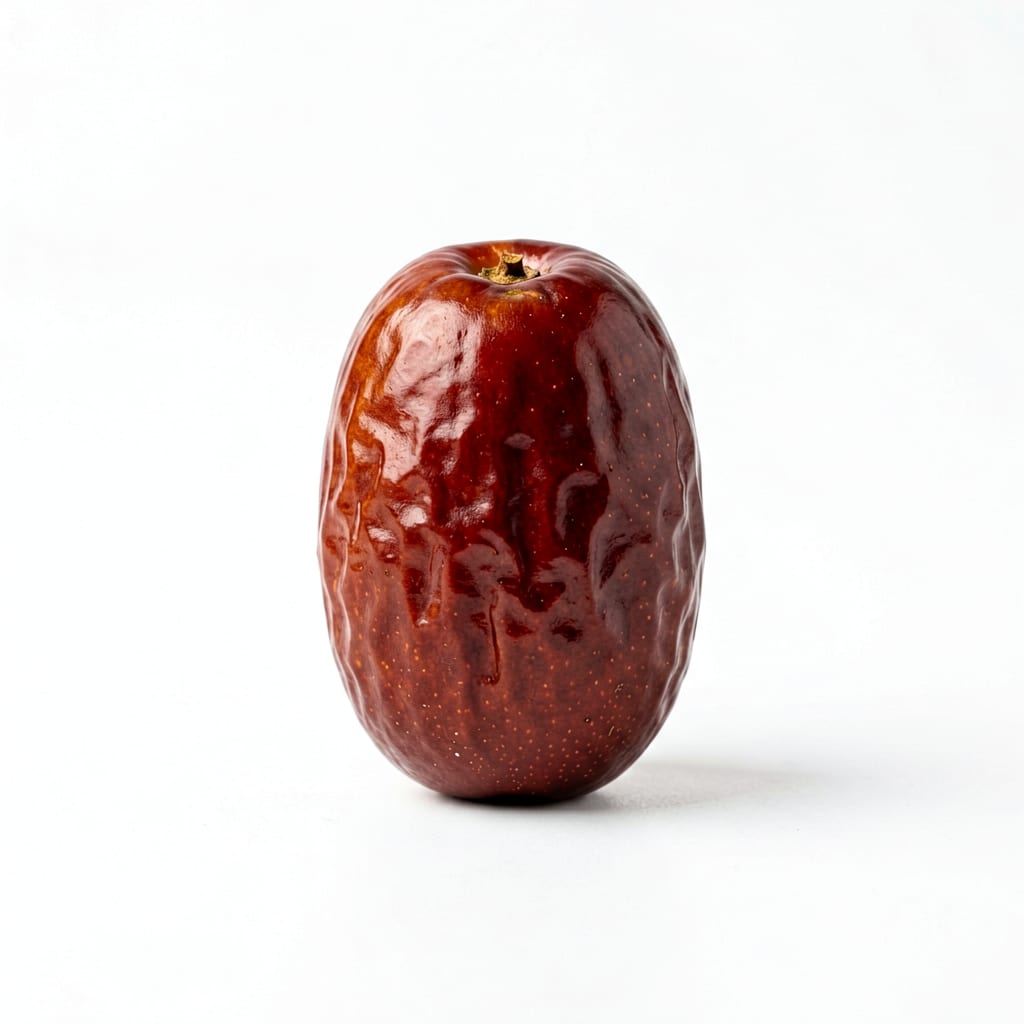
Jujube
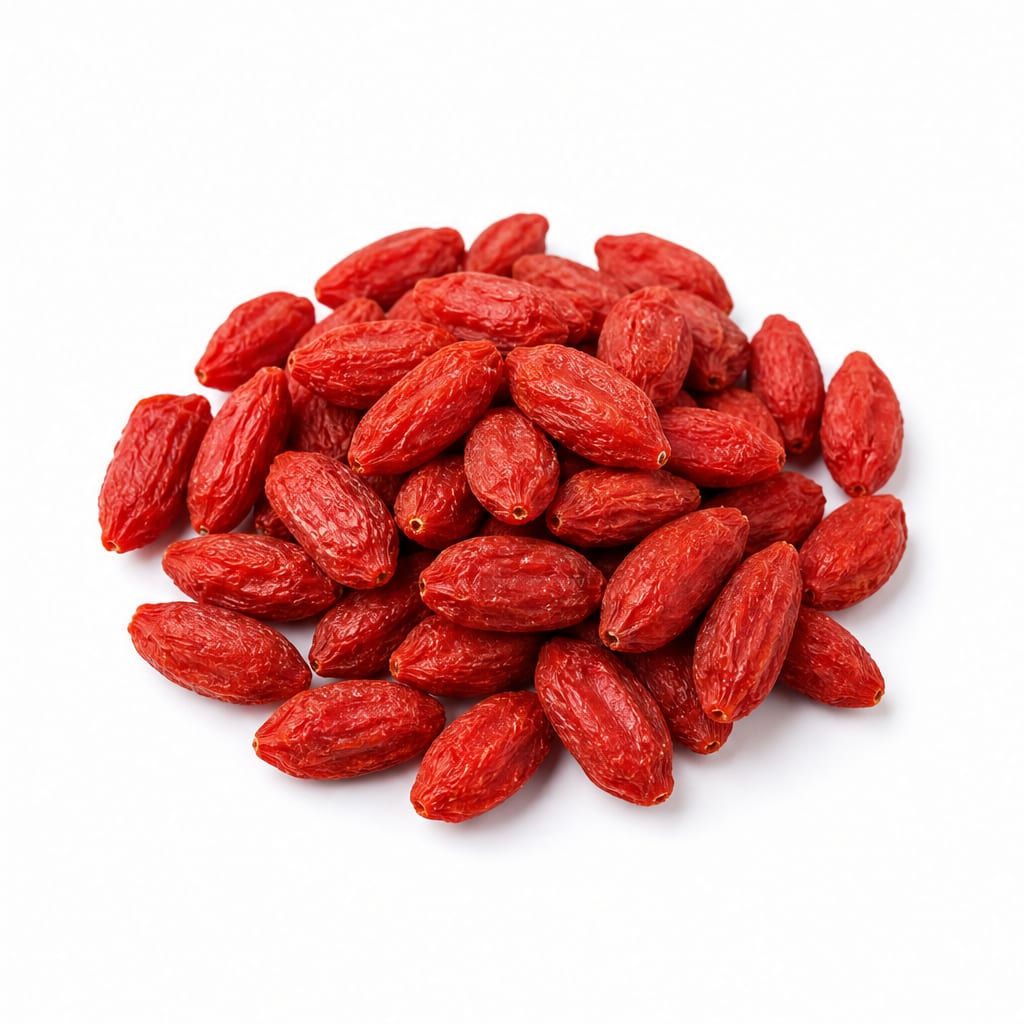
Goji Berries
Goji berries edge ahead for broad nutrient density and eye health, while jujube wins for calm, sleep, and lower sugar when eaten fresh.
Goji berries score higher due to complete protein, superior zeaxanthin content, and broader micronutrient range. Jujube remains competitive thanks to unique calming compounds, lower sugar in fresh form, and better affordability. The gap is modest because both foods excel in different contexts.
Goji delivers more protein, zeaxanthin, and immune compounds but costs more and carries higher pesticide risk; jujube offers unique sedative compounds and a fresher low-sugar option but lacks the protein and carotenoid punch.
At a glance
Executive summary
Overall
It depends
Healthier
Goji Berries
More practical
Jujube
Daily use
It depends
Key comparison lenses
superfruit selection
Both are traditional Chinese medicinal fruits marketed as superfoods, so users are likely choosing between them for health optimization
antioxidant and antiaging benefits
Both are prized for longevity and antioxidant content, making this a core decision driver
sleep and stress support
Jujube is renowned for calming properties while goji is not, creating a meaningful differentiator
eye health and vision
Goji berries are exceptionally rich in zeaxanthin, making vision support a key comparison point
safety and contamination concerns
Both are primarily sourced from China, raising legitimate pesticide and heavy metal questions
Best choice for
Jujube
- People struggling with insomnia or anxiety
- Those wanting a lower-sugar fresh fruit snack
- Anyone seeking a calming evening treat
- Budget-conscious shoppers looking for superfruit benefits
- People with sensitive digestion who tolerate mild sweet fruits
Goji Berries
- People focused on eye health and macular protection
- Anyone wanting plant-based complete protein from fruit
- Those seeking immune system support
- Older adults prioritizing zeaxanthin intake
- People comfortable paying premium for nutrient density
Least suitable for
Jujube
- People specifically targeting eye health nutrients
- Those needing high protein intake from snacks
- Anyone seeking maximum carotenoid content
Goji Berries
- People on blood thinners like warfarin
- Those sensitive to pesticide exposure concerns
- Budget-limited households
- People wanting a calming or sedative food before bed
Deep comparison
Dimension by dimension
Each lens scores both foods and breaks down who each option suits.
- Dimension 1 · Priority 92Goji Berries
antioxidant_diversity_and_eye_health
Jujube · 65Goji Berries · 91Goji berries are one of the richest natural sources of zeaxanthin, a carotenoid critical for macular health. Jujube offers antioxidants but lacks this specific vision-protective compound.
Tradeoff
Choosing jujube means missing out on the most concentrated food source of zeaxanthin available, while choosing goji gives you a major eye health advantage at a higher price.
Why it matters
Age-related macular degeneration is a leading cause of vision loss, and dietary zeaxanthin is one of the few nutrients shown to help protect against it.
Real-world impact
Regular goji consumption could meaningfully support long-term vision, especially for people over 50 or those with extensive screen time.
Jujube
- General antioxidant support without specific eye focus
- Vitamin C from fresh jujube for skin and immunity
Better for
- Anyone with family history of macular degeneration
- People specifically supplementing for eye health
Worse for
Goji Berries
- Macular degeneration prevention
- Screen-heavy lifestyles needing vision support
- Long-term eye health maintenance
Better for
- Those who assume all antioxidants are equal across fruits
Worse for
- Dimension 2 · Priority 88Jujube
calmness_sleep_and_stress
Jujube · 90Goji Berries · 45Jujube contains jujubosides and flavonoids with documented sedative and anxiolytic effects. Goji berries have no meaningful calming properties.
Tradeoff
If better sleep is your goal, jujube is clearly superior. Goji cannot replicate this benefit regardless of dose.
Why it matters
Sleep quality affects everything from weight management to immune function. A food that actively promotes calm is rare and valuable.
Real-world impact
Eating a few dried jujubes before bed may help you fall asleep faster and feel more rested, similar to a mild herbal sleep aid.
Jujube
- Insomniacs and light sleepers
- People with anxiety or racing thoughts at night
- Anyone replacing melatonin with food-based approaches
Better for
- People who want energizing morning snacks might find jujube too calming
Worse for
Goji Berries
- No relevant advantage in this dimension
Better for
- Anyone expecting goji to help with sleep or stress
Worse for
- Dimension 3 · Priority 82Goji Berries
protein_and_amino_acid_profile
Jujube · 30Goji Berries · 82Goji berries contain all essential amino acids, making them one of the few fruits with complete protein. Jujube provides minimal protein.
Tradeoff
Goji adds meaningful protein to snacks and smoothies, while jujube contributes almost nothing toward daily protein targets.
Why it matters
Most fruits are protein-poor, so a dried fruit that delivers complete protein is genuinely unusual and useful for plant-based diets.
Real-world impact
A quarter cup of goji berries adds about 4-5 grams of complete protein to a snack, making it more satiating than jujube alone.
Jujube
- No relevant advantage in this dimension
Better for
- People relying on snacks for protein contribution
Worse for
Goji Berries
- Vegans and vegetarians seeking protein from diverse sources
- Athletes wanting recovery snacks with amino acid diversity
- Anyone trying to make fruit-based snacks more filling
Better for
- Those who assume the protein amount is large — it is helpful but not a primary protein source
Worse for
- Dimension 4 · Priority 80Jujube
sugar_content_and_blood_stability
Jujube · 75Goji Berries · 58Fresh jujube is relatively low in sugar with a moderate glycemic impact. Dried jujube and goji berries are both concentrated in sugar, but goji tends to be consumed exclusively in dried form.
Tradeoff
Fresh jujube offers a low-sugar option that goji cannot match, since goji is virtually never sold fresh outside specialty Asian markets.
Why it matters
Blood sugar spikes from dried fruit can trigger cravings and energy crashes, especially when eaten alone.
Real-world impact
Snacking on fresh jujube gives you sweet satisfaction without the sugar rollercoaster. Dried goji in trail mix can spike blood sugar if portions are not controlled.
Jujube
- Diabetics or pre-diabetics seeking lower-sugar fruit options
- Anyone monitoring glycemic load closely
- People who prefer fresh fruit texture over dried
Better for
- Dried jujube is still sugar-dense and loses this advantage
Worse for
Goji Berries
- No relevant advantage in this dimension
Better for
- Those who snack on goji without measuring portions
- People assuming all dried fruit is equally blood-sugar-friendly
Worse for
- Dimension 5 · Priority 78Jujube
safety_and_contamination_risk
Jujube · 68Goji Berries · 52Both foods are primarily grown in China, but goji berries have more documented pesticide residue issues and have faced import alerts in multiple countries.
Tradeoff
Goji's superior nutrition comes with higher contamination risk, requiring more careful sourcing. Jujube tends to have fewer documented safety incidents.
Why it matters
Pesticide exposure undermines the health benefits you are paying a premium for, and heavy metal contamination is a real concern with Chinese agricultural exports.
Real-world impact
Buying organic goji berries from reputable brands is almost essential. Conventional goji carries measurable risk that offsets its nutritional advantages.
Jujube
- Those concerned about pesticide residues
- People who want safer conventional options
- Anyone buying from Asian grocery stores without organic certification
Better for
- Still requires sourcing awareness since both originate from similar regions
Worse for
Goji Berries
- No relevant advantage in this dimension
Better for
- People buying cheap bulk goji without checking origin or certification
- Anyone on blood thinners — goji can interact with warfarin
Worse for
- Dimension 6 · Priority 72Jujube
price_and_accessibility
Jujube · 80Goji Berries · 50Jujube is generally more affordable, especially in Asian markets. Goji berries carry a superfood premium that can be 2-3 times the price per ounce.
Tradeoff
Goji's nutrient density costs significantly more. Jujube delivers solid benefits at a friendlier price point.
Why it matters
A superfood you cannot afford to eat regularly provides less benefit than a good food you eat daily.
Real-world impact
Daily goji consumption can cost $15-30 per month depending on quality, while jujube might cost $5-15 for similar frequency.
Jujube
- Budget-conscious households
- People who want daily superfruit without premium pricing
- Anyone buying in bulk for family consumption
Better for
- Fresh jujube can be hard to find outside Asian markets
Worse for
Goji Berries
- No relevant advantage in this dimension
Better for
- Those on tight budgets who cannot sustain premium pricing long-term
Worse for
- Dimension 7 · Priority 75Goji Berries
immune_system_support
Jujube · 68Goji Berries · 83Goji berries contain higher levels of vitamin A, vitamin C, zinc, and unique polysaccharides (Lycium barbarum polysaccharides) studied for immune modulation. Jujube supports immunity mainly through vitamin C.
Tradeoff
Goji offers a more multi-pathway immune boost, while jujube provides simpler vitamin C-based support that is still effective but less comprehensive.
Why it matters
Frequent illness, seasonal immune challenges, and recovery from workouts all benefit from diverse immune-supporting compounds.
Real-world impact
Regular goji intake during cold season may provide broader immune coverage, though neither food replaces foundational habits like sleep and handwashing.
Jujube
- Those who primarily want vitamin C for immune support
- People seeking immune help without the goji price tag
Better for
- People wanting the most comprehensive immune support from a single fruit
Worse for
Goji Berries
- People with frequent colds or immune challenges
- Older adults with declining immune function
- Anyone wanting polysaccharide-based immune modulation
Better for
- Those who overestimate goji as an immune cure-all
Worse for
Timeline
Health impact over time
Short-term
Hours to days
Jujube
- Fresh jujube provides quick vitamin C and hydration with gentle energy
- Dried jujube eaten before bed may promote drowsiness within 30-60 minutes
- High fiber content supports regular digestion when consumed with adequate water
Goji Berries
- Goji berries provide a quick nutrient-dense energy boost, especially in smoothies or oatmeal
- May cause mild digestive discomfort if eaten in large quantities due to fiber concentration
- Can interact with blood thinners within hours of consumption, increasing bleeding risk
Long-term
Months to years
Jujube
- Consistent consumption may improve sleep quality and reduce anxiety over weeks
- Vitamin C and antioxidant intake supports skin health and collagen maintenance
- Traditional use suggests liver-protective effects, though human evidence remains limited
Goji Berries
- Regular zeaxanthin intake may slow macular degeneration progression over years
- Immune polysaccharides could reduce frequency and severity of infections with consistent use
- Long-term blood thinner interaction risk requires ongoing medical supervision for affected patients
Risk profile
Safety & processing
Both foods are typically sold dried without additives, though some commercial goji brands add sulfur dioxide as a preservative. Fresh jujube is the least processed form of either option. Always check ingredient labels — the only ingredient should be the fruit itself.
Jujube
Pesticide residue
mediumJujube grown in China may carry pesticide residues, though testing shows fewer incidents than goji. Organic options significantly reduce this concern.
Sulfur dioxide preservative
lowSome commercially dried jujube is treated with sulfur dioxide for color retention. Unsulfured varieties are widely available and preferable.
Goji Berries
Pesticide residue
highGoji berries have been flagged in multiple import testing programs for pesticide levels exceeding safety standards. Organic certification is strongly recommended.
Blood thinner interaction
highGoji berries can significantly increase the effect of warfarin and other anticoagulants, potentially causing dangerous bleeding. Anyone on blood thinners should consult their doctor.
Heavy metal contamination
mediumSome goji samples from certain Chinese regions have shown elevated lead and cadmium levels. Reputable brands test for this, but cheap bulk options may not.
Who wins for whom
Audience fit
Same foods, different winners depending on your goal.
children
JujubeFresh jujube is a kid-friendly sweet snack with lower contamination risk and no blood thinner interaction concerns. Its mild apple-like flavor is more approachable for young palates.
daily consumption
It dependsJujube is better for daily calming and sleep support, while goji is better for daily eye and immune support. The right choice depends on which daily benefit matters more to you.
diabetes
JujubeFresh jujube has a lower glycemic impact and sugar content. Dried forms of both should be limited, but fresh jujube gives diabetics a safer fruit option.
elderly
Goji BerriesGoji's zeaxanthin supports aging eyes, and its immune polysaccharides help counter age-related immune decline. The key caveat is avoiding goji if on blood thinners, which many elderly people take.
muscle gain
Goji BerriesGoji berries provide complete protein with all essential amino acids, offering a small but meaningful contribution to muscle recovery that jujube cannot match.
weight loss
JujubeFresh jujube is lower in calories and sugar than dried goji, making portion control easier and overconsumption less likely.
Your move
Decision guide
Choose Jujube
- You struggle with sleep, anxiety, or nighttime restlessness
- You want a lower-sugar fresh fruit option
- You are on blood thinners and cannot safely consume goji
- You are budget-conscious and want the best value superfruit
- You prefer a milder, apple-like flavor over tart-sweet intensity
Choose Goji Berries
- Eye health and macular protection are top priorities
- You want complete protein from a fruit source
- You are building immune resilience during cold season
- You are not on blood thinners and can source organic goji
- You enjoy tart-sweet flavors and want a smoothie or oatmeal booster
Either works if
- You want general antioxidant support without a specific health target
- You are rotating superfoods for dietary diversity
- You enjoy traditional Chinese medicinal foods as part of your wellness routine
Avoid both if
- You have severe fructose intolerance or fruit sugar sensitivity
- You cannot verify sourcing and are concerned about Chinese agricultural contamination
- You expect either food to produce dramatic health changes on its own
Final recommendation
For most people, the best approach is using both strategically: goji berries in morning smoothies or oatmeal for eye health and protein, and jujube in the evening for calm and sleep support. If you must choose one, goji berries win on nutrient density while jujube wins on practicality, safety, and unique calming benefits. Your specific health priorities should make the decision clear.
Practical
Consumer tips
- 1
Always buy organic goji berries — the pesticide risk with conventional goji is well-documented and not worth the savings
- 2
Look for unsulfured dried jujube to avoid unnecessary preservative exposure
- 3
Fresh jujube can be found at Asian grocery stores and is worth seeking out for the dramatically lower sugar content compared to dried forms
- 4
Soak dried goji berries for 10 minutes before eating to improve digestibility and reduce the sugar concentration per bite
- 5
If you are on warfarin or any blood thinner, avoid goji berries entirely and choose jujube instead — this interaction is medically significant
- 6
Store both foods in airtight containers away from light and heat to preserve antioxidant content over months
- 7
A quarter cup is a reasonable daily portion for either fruit — more is not better and increases sugar load
- 8
Freeze-dried goji retains more nutrients than sun-dried but costs significantly more — choose based on your budget