
Nutrition comparison
Jujube vs Raisins: Which Dried Fruit Is Healthier for You?
Compare jujube and raisins on sugar content, vitamins, minerals, and health benefits. Discover which dried fruit is better for weight loss, diabetes, sleep, and daily snacking.
Overall winner · Jujube
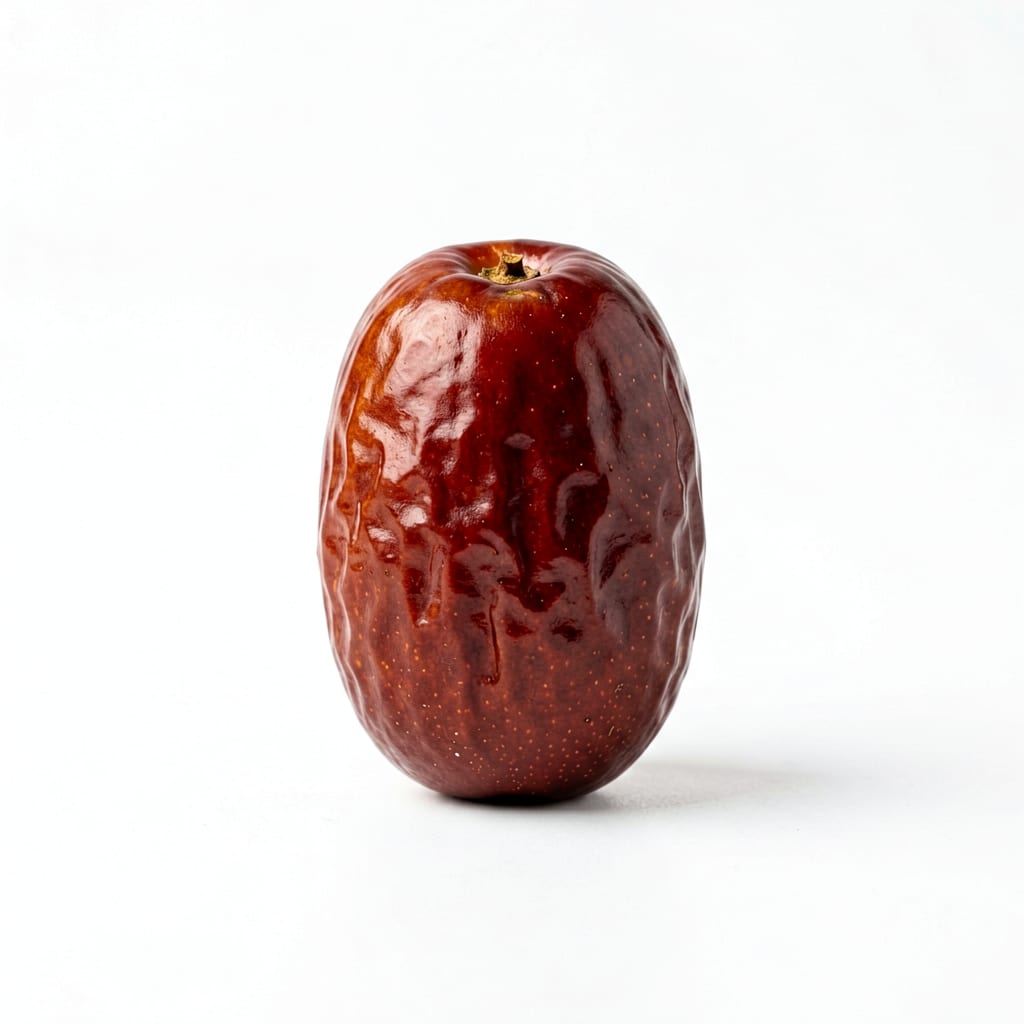
Jujube
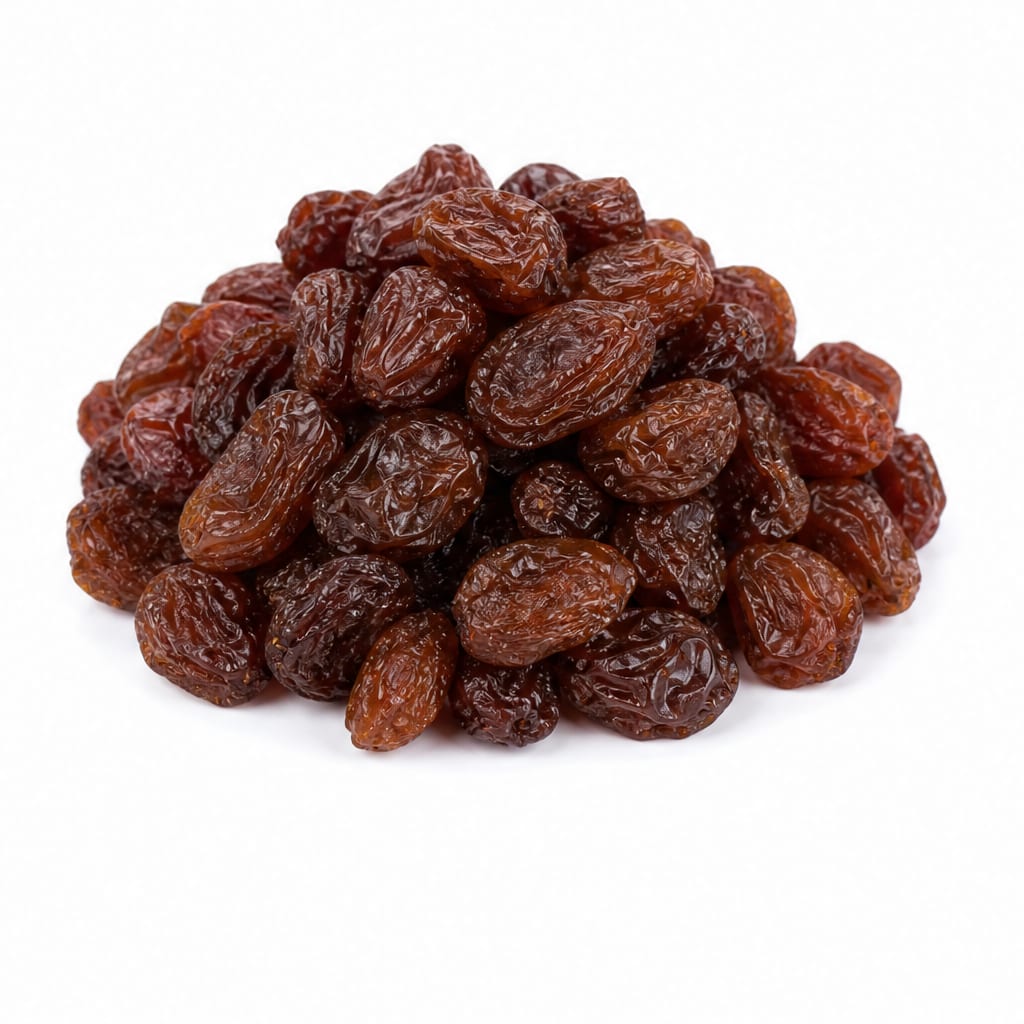
Raisins
Jujube delivers sweeter flavor with less sugar, more vitamin C, and calming properties, but raisins win on iron, potassium, and easy availability.
Jujube scores higher due to its lower sugar content, unique vitamin C presence, and calming properties. Raisins remain strong for minerals and convenience but lose ground on sugar density and glycemic impact.
Jujube offers a lower-sugar, vitamin-rich alternative with traditional calming benefits, while raisins provide superior mineral content and unmatched convenience.
At a glance
Executive summary
Overall
Jujube
Healthier
Jujube
More practical
Raisins
Daily use
Jujube
Key comparison lenses
sugar content and glycemic impact
Both are naturally sweet dried fruits with very different sugar densities and blood sugar effects
snack selection for weight management
Users comparing these are likely choosing a healthier sweet snack option
nutrient density per calorie
Jujube offers unique vitamins at lower calorie cost while raisins provide more minerals
traditional medicinal benefits
Jujube has deep roots in traditional medicine for sleep and anxiety that raisins lack
everyday convenience and availability
Raisins are ubiquitous in stores while jujube requires specialty shopping
Best choice for
Jujube
- People watching their sugar intake
- Those seeking better sleep and stress relief
- Anyone wanting vitamin C from a dried fruit
- People prone to blood sugar spikes
- Those who find raisins too sweet
Raisins
- Athletes needing quick energy
- People with iron deficiency concerns
- Those who want affordable, widely available snacks
- Bakers and cooks needing versatile dried fruit
- Anyone needing a potassium boost
Least suitable for
Jujube
- People who need immediate accessible energy
- Those without access to Asian or specialty markets
- Budget-conscious shoppers needing bulk dried fruit
Raisins
- People managing diabetes or insulin resistance
- Those strictly limiting sugar intake
- People who struggle with portion control around sweet foods
Deep comparison
Dimension by dimension
Each lens scores both foods and breaks down who each option suits.
- Dimension 1 · Priority 95Jujube
sugar_and_glycemic_impact
Jujube · 78Raisins · 42Jujube contains significantly less sugar per serving and has a gentler effect on blood sugar compared to the concentrated sweetness of raisins.
Tradeoff
Raisins provide faster energy for athletes but at the cost of a sharper blood sugar spike that can lead to crashes.
Why it matters
For anyone watching their sugar intake or managing energy levels, this difference is the most important factor between these two fruits.
Real-world impact
A handful of raisins can cause an afternoon energy crash for sensitive people, while jujube provides steadier, more sustained energy.
Jujube
- Steady energy without crashes
- Lower daily sugar intake
- Better blood sugar management
Better for
- Less effective for urgent energy needs
Worse for
Raisins
- Quick pre-workout fuel
- Fast carbohydrate replenishment
Better for
- Sugar spikes followed by crashes
- Easy to overconsume sugar without realizing
Worse for
- Dimension 2 · Priority 82It depends
vitamin_and_mineral_profile
Jujube · 70Raisins · 72Jujube uniquely provides vitamin C and has calming compounds, while raisins deliver substantially more iron and potassium.
Tradeoff
Choose jujube for immune support and stress relief, or raisins for blood health and electrolyte replenishment.
Why it matters
The nutrient profiles serve completely different health priorities, making this a goal-dependent choice rather than a clear win.
Real-world impact
If you are anemic or sweat heavily from exercise, raisins fill a real gap. If you are run down and stressed, jujube offers something raisins cannot.
Jujube
- Vitamin C for immune function
- Natural compounds that support relaxation
- Antioxidant variety including flavonoids
Better for
- Minimal iron content
- Lower potassium per serving
Worse for
Raisins
- Iron for blood health and energy
- Potassium for muscle and heart function
- Boron for bone strength
Better for
- No vitamin C after drying
- Lacks calming or adaptogenic compounds
Worse for
- Dimension 3 · Priority 80Jujube
calorie_density_and_satiety
Jujube · 75Raisins · 55Jujube is less calorie-dense and more filling per serving, while raisins pack more calories into a smaller volume.
Tradeoff
Raisins are more efficient for calorie needs but easier to overeat, while jujube naturally portions better.
Why it matters
For weight management, the difference between a food you can easily overeat and one that self-regulates is critical.
Real-world impact
It is very easy to eat 300 calories of raisins mindlessly. Jujube's texture and lower sweetness make natural portion control easier.
Jujube
- Lower calories per serving
- More satiating per calorie
- Natural portion control from texture
Better for
- Less efficient for calorie-dense needs
Worse for
Raisins
- Compact calorie source for hikers or athletes
- Efficient fuel when you need maximum calories
Better for
- Very easy to overconsume
- Less physical fullness per calorie
Worse for
- Dimension 4 · Priority 65Raisins
convenience_and_availability
Jujube · 40Raisins · 92Raisins are available in virtually every grocery store worldwide, while jujube requires specialty or Asian markets and often costs more.
Tradeoff
Jujube offers superior nutrition but demands more effort to source, while raisins are always accessible and affordable.
Why it matters
The healthiest food only matters if you can actually buy and eat it consistently.
Real-world impact
You can find raisins at any gas station or corner store. Finding quality dried jujube might require a trip to an Asian market or online order.
Jujube
- Long shelf life once obtained
- Lightweight for travel
Better for
- Hard to find in regular stores
- Typically more expensive
- Less recipe versatility
Worse for
Raisins
- Available everywhere
- Affordable in bulk
- Comes in convenient snack packs
- Works in countless recipes
Better for
- Can stick together in humid conditions
Worse for
- Dimension 5 · Priority 70Jujube
functional_and_medicinal_benefits
Jujube · 85Raisins · 50Jujube has centuries of use in traditional medicine for sleep, anxiety, and digestive support, while raisins are primarily a nutritional food.
Tradeoff
Jujube doubles as a functional food with calming properties, while raisins serve best as straightforward nutrition and energy.
Why it matters
If you want your snack to do more than just provide calories and nutrients, jujube offers unique therapeutic value.
Real-world impact
Eating a few jujubes before bed can genuinely help with sleep quality, something raisins simply cannot replicate.
Jujube
- Promotes better sleep quality
- Supports stress and anxiety reduction
- Traditional digestive aid
- Anti-inflammatory compounds
Better for
- Medicinal claims vary by preparation and quality
Worse for
Raisins
- Helps with constipation due to fiber and sorbitol
- Supports bone density through boron
Better for
- No meaningful calming or adaptogenic properties
Worse for
Timeline
Health impact over time
Short-term
Hours to days
Jujube
- Provides calm, steady energy without a sugar rush
- May promote relaxation and drowsiness if eaten in the evening
- Gentle on blood sugar compared to most dried fruits
Raisins
- Quick energy boost within minutes of eating
- Can cause a blood sugar spike followed by a dip in sensitive individuals
- Sorbitol content may have a mild laxative effect in larger amounts
Long-term
Months to years
Jujube
- Consistent intake may support better sleep patterns
- Lower sugar load benefits metabolic health over time
- Antioxidant compounds may reduce chronic inflammation
Raisins
- Regular iron intake supports blood health, especially for menstruating women
- Potassium contributes to long-term cardiovascular health
- High sugar content from frequent consumption may contribute to insulin resistance
Risk profile
Safety & processing
Both are simply dried fruits, but commercially produced raisins sometimes contain sulfur dioxide as a preservative and may have added oils to prevent clumping. Jujube is typically dried without additives, though some imported varieties may have sulfur dioxide as well. Always check labels for both.
Jujube
Sulfur dioxide in some commercial brands
lowSome imported jujube is treated with sulfites. People with sulfite sensitivity should seek unsulfured varieties.
Pesticide residue from conventional farming
mediumJujube grown in regions with lighter pesticide regulation may carry more residue. Organic options are preferable when available.
Raisins
Sulfur dioxide preservative
mediumGolden raisins are almost always treated with sulfites. Even dark raisins may contain them. Sulfite-sensitive individuals should choose organic unsulfured brands.
Mold and mycotoxin risk from storage
lowRaisins stored in humid conditions can develop mold. Keep them sealed and dry.
Lead contamination in some imported raisins
lowSome imported raisins have tested positive for elevated lead levels. Choosing domestic or certified organic reduces this risk.
Who wins for whom
Audience fit
Same foods, different winners depending on your goal.
children
RaisinsRaisins are kid-friendly, widely available for school snacks, and provide iron that growing children need. The sticky texture of jujube may be less appealing to some kids.
daily consumption
JujubeThe lower sugar load and functional benefits make jujube more sustainable as a daily habit without metabolic downsides.
diabetes
JujubeSignificantly less sugar and a gentler glycemic impact make jujube the safer dried fruit option for blood sugar management.
elderly
JujubeJujube's sleep-promoting and calming properties are especially valuable for older adults, and the lower sugar content aligns with the metabolic concerns common in aging.
muscle gain
RaisinsRaisins provide quick-digesting carbs ideal for pre or post-workout, plus more potassium for muscle recovery.
weight loss
JujubeLower sugar, fewer calories per serving, and better natural portion control make jujube easier to fit into a calorie deficit.
Your move
Decision guide
Choose Jujube
- You want a sweet snack that does not spike your blood sugar
- Better sleep and stress relief are priorities for you
- You are watching your overall sugar intake
- You enjoy trying traditional functional foods
- You find most dried fruits too cloyingly sweet
Choose Raisins
- You need affordable, accessible dried fruit on a regular basis
- You are an athlete or active person needing quick carbs
- You have higher iron needs, such as during menstruation
- You want a versatile ingredient for baking and cooking
- You need electrolyte replenishment after sweating heavily
Either works if
- You just want a natural whole-food sweet snack
- You are looking for fiber-rich alternatives to processed desserts
- You enjoy rotating different dried fruits for variety
Avoid both if
- You are on a strict very-low-carb or ketogenic diet
- You have severe sulfite sensitivity and cannot find unsulfured options
- You are trying to eliminate all concentrated sugar sources
Final recommendation
Keep both in your pantry for different purposes. Reach for jujube as your everyday sweet snack and evening wind-down food. Keep raisins on hand for pre-workout energy, baking, and when you need their iron and potassium. If you must choose only one for daily health, jujube wins for its lower sugar and unique calming benefits.
Practical
Consumer tips
- 1
Look for unsulfured varieties of both fruits to avoid potential reactions to sulfur dioxide
- 2
Store both in airtight containers away from heat and humidity to preserve texture and prevent mold
- 3
Try eating 3-4 jujubes about an hour before bed for their sleep-promoting effect
- 4
If raisins are too sweet for you, try mixing them with unsalted nuts to blunt the blood sugar impact
- 5
Organic jujube is worth seeking out to reduce pesticide exposure, especially since you often eat the skin
- 6
Freeze raisins for a refreshing summer snack that also slows down eating speed
- 7
When buying jujube, choose ones that are plump and slightly soft, not rock-hard or overly shriveled