
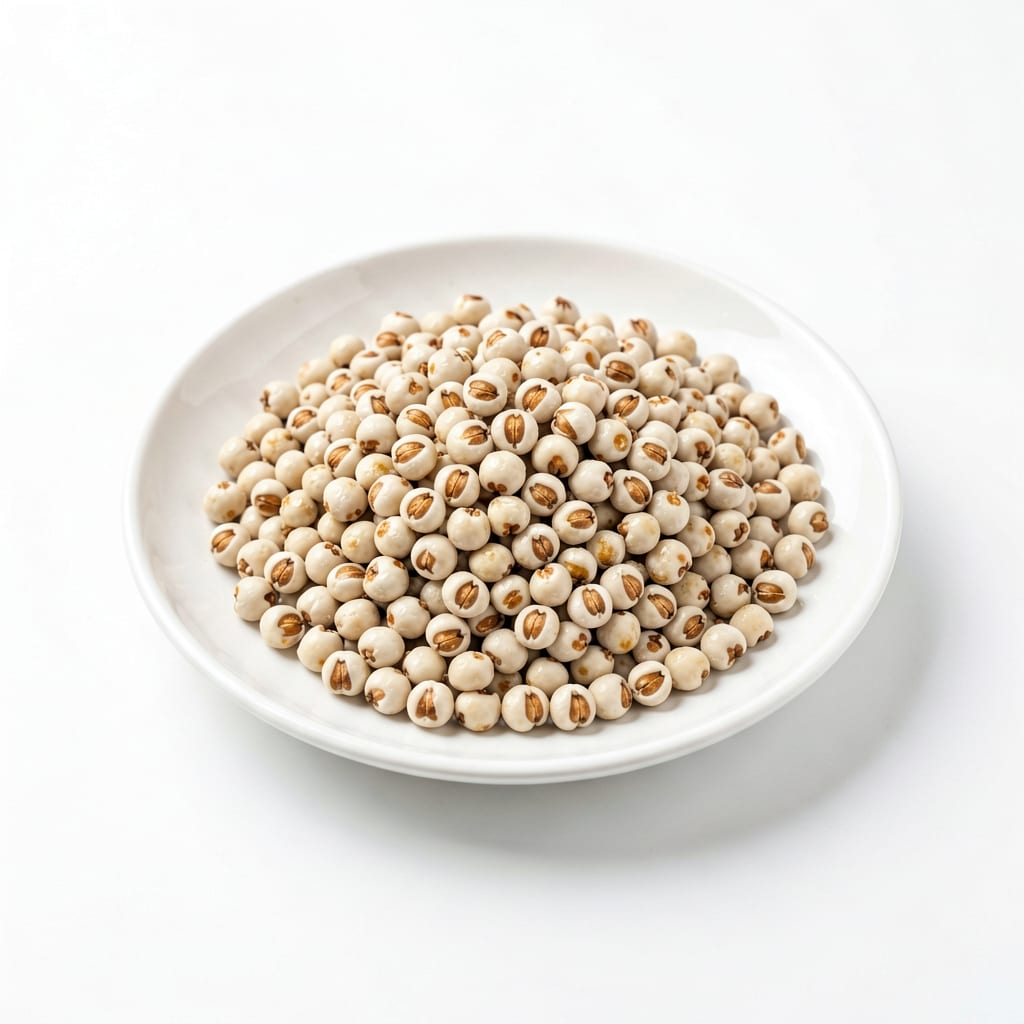
Whole Grain
Job's Tears
A gluten-free whole grain known for its chewy texture and blood sugar-friendly properties.
Job's tears, also known as adlay or adlai, is a gluten-free whole grain widely consumed in Asia for its chewy texture and medicinal properties.
high-fiber gluten-free whole grain
Typical serving · 100g
Common varieties · adlay, adlai, chinese pearl barley, hato mugi, soft-shelled +1 more
Overall context score across nutrition, safety, and diet fit
At a glance
Quick facts
Simple indicators based on nutrition, processing, and diet fit.
The story
What makes it unique
Job's tears is a gluten-free whole grain with a moderate digestion speed due to its fiber content. It provides a balanced macronutrient profile rich in complex carbohydrates and moderate protein, promoting sustained satiety. Minimal processing retains its bran and germ.
Varieties: adlay · adlai · chinese pearl barley · hato mugi · soft-shelled · hard-shelled
Per 100g
Nutrition breakdown
Macro balance and key metrics at a glance.
Energy
Density 3.56 kcal/g
Protein
Carbs
Fat
Fiber
Sugar
0.8 g
Sodium
4 mg
Potassium
215 mg
Glycemic index
40
Glycemic load
30
Water content
10%
Standout compounds
Nutrient highlights
Dietary Fiber
highPromotes satiety and supports healthy digestion
Iron
moderateSupports oxygen transport and energy production
Magnesium
moderateAids muscle relaxation and blood sugar regulation
Protein
moderateSupports muscle maintenance and increases fullness
Coixenolide
moderateBioactive compound with anti-inflammatory properties
Wellness map
Health scores & processing
NOVA processing scale
minimally_processed · Whole food
Typically sold as a hulled whole grain requiring boiling, retaining its natural fiber and nutrient structure.
Diet compatibility
- Weight loss
- Muscle gain
- Diabetes
- Gut health
- Low carb
- High protein
- Heart health
Relative standing
Food rankings
Qualitative ranks compared to similar whole foods.
- Satietygood
- Blood sugarexcellent
- Nutrient densitygood
- Fitness fuelmoderate
- Processing qualityexcellent
Eat with confidence
Food safety profile
Generally safe with low contamination risk. Conventional farming may use pesticides, so washing or choosing organic reduces exposure. Proper storage prevents mold.
Evidence confidence 85%
- Pesticidesmoderate
- Antibioticslow
- Heavy metalslow
- Contaminationlow
Watch for
- pesticide_residues
- mycotoxins
Safer choices
Organic Job's tears to minimize pesticide exposure.
Prep tips
Rinse thoroughly under cold water before cooking to remove dust and potential agricultural residues.
Standard grain agricultural regulations apply; mycotoxin risk is monitored in storage.
Deep dive
Health analysis
How this food may fit different goals and preparation choices.
Weight loss
High fiber and protein content increase satiety, reducing overall calorie intake by keeping you full longer.
Blood sugar
Low glycemic index slows carbohydrate absorption, preventing rapid blood sugar spikes and supporting insulin sensitivity.
Fitness & energy
Provides slow-releasing complex carbohydrates, suitable for sustained energy rather than quick pre-workout fuel.
Gut health
Dietary fiber supports healthy bowel movements and feeds beneficial gut bacteria, promoting a diverse microbiome.
Processing quality
A whole food with minimal processing, preserving its natural bran, germ, and endosperm integrity.
Food safety
Low risk of biological contamination; primary concerns are standard agricultural pesticide residues mitigated by washing.
Common mistakes
Confusing it with pearl barley, which contains gluten, or overcooking it into mush instead of maintaining its chewy texture.
Best preparation
Soak for a few hours, then boil or simmer in soups, stews, or as a rice substitute for optimal texture and digestibility.
Practical guide
Best use cases
When and how this food fits real eating patterns.
Rice Substitute
Use as a lower-glycemic, higher-fiber alternative to white rice in bowls and meals.
Hearty Soups and Stews
Adds chewy texture and nutritional bulk to slow-cooked soups and broths.
Gluten-Free Grain Bowls
A satisfying base for grain bowls that provides sustained energy without gluten.
Balance sheet
Pros & cons
Upsides
- Naturally gluten-free and safe for celiacs
- Low glycemic index prevents blood sugar spikes
- High fiber content promotes prolonged satiety
- Contains beneficial antioxidants and bioactive compounds
- Versatile chewy texture works well in savory and sweet dishes
Trade-offs
- Requires long cooking times unless pre-soaked
- Not a complete protein source
- Less common in mainstream grocery stores
- Carbohydrate density is too high for strict keto diets
Fit check
Who is it for?
Great match
- gluten-free diets
- blood sugar management
- high-volume eating
- digestive regularity
Consider alternatives
- strict ketogenic diets
- quick pre-workout fuel
- high-protein muscle-building diets
Side by side
How it compares
Open the full head-to-head analysis for nutrition, safety, and practical tradeoffs.
This food
Job's Tears
VS85% alike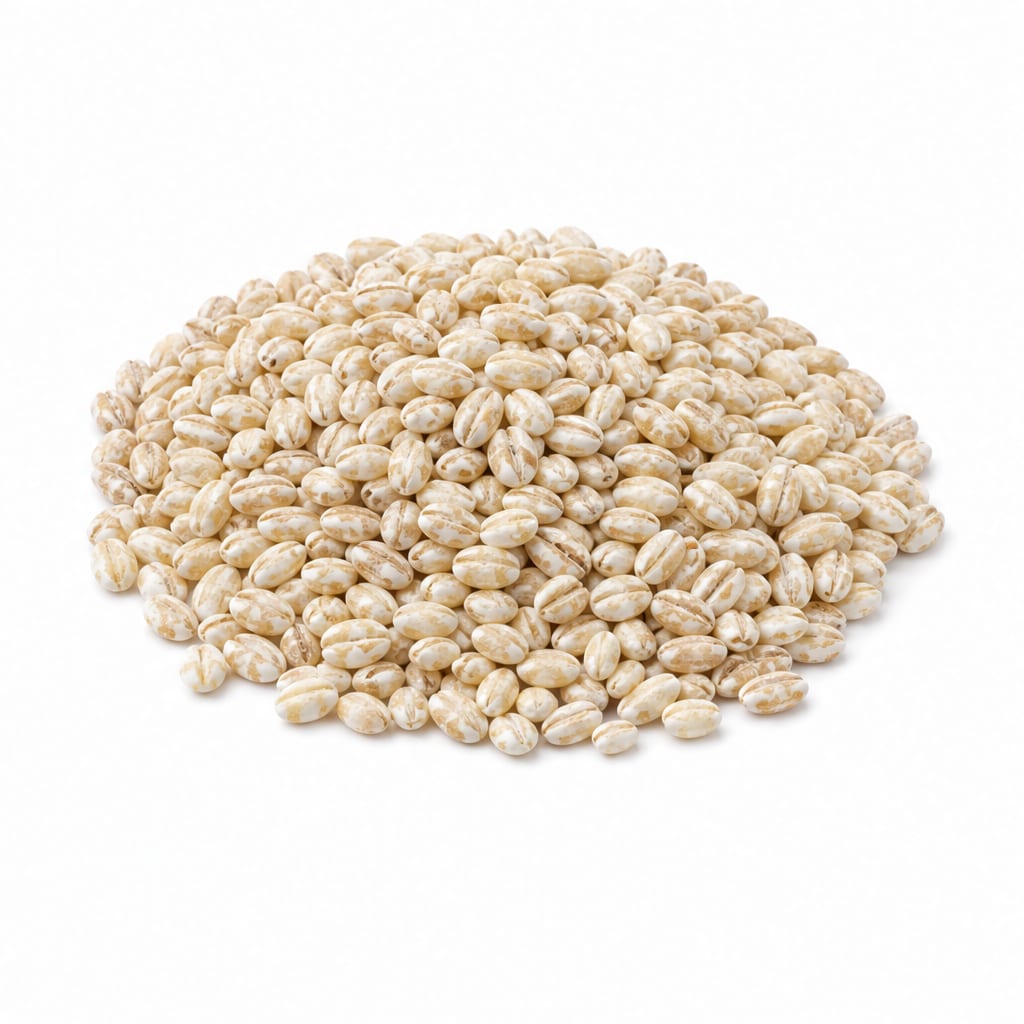
Compare with
Pearl Barley
Job's tears is gluten-free and better for blood sugar control, while pearl barley contains gluten and is more widely available.
Job's tears is gluten-free and better for blood sugar control, while pearl barley contains gluten and is more widely available.
This food
Job's Tears
VS80% alike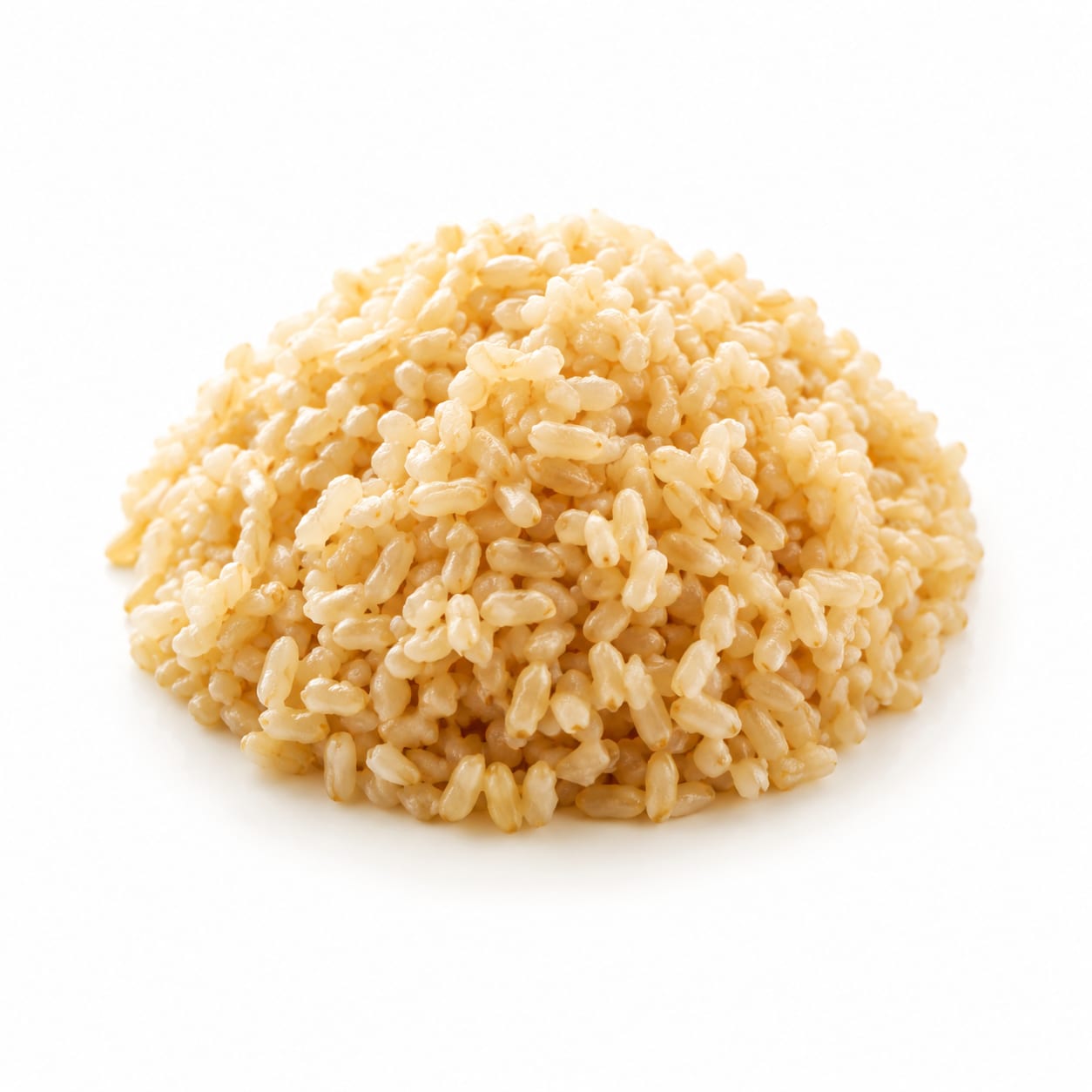
Compare with
Brown Rice
Job's tears offers more fiber and a lower glycemic impact than brown rice, making it better for blood sugar management.
Job's tears offers more fiber and a lower glycemic impact than brown rice, making it better for blood sugar management.
This food
Job's Tears
VS75% alike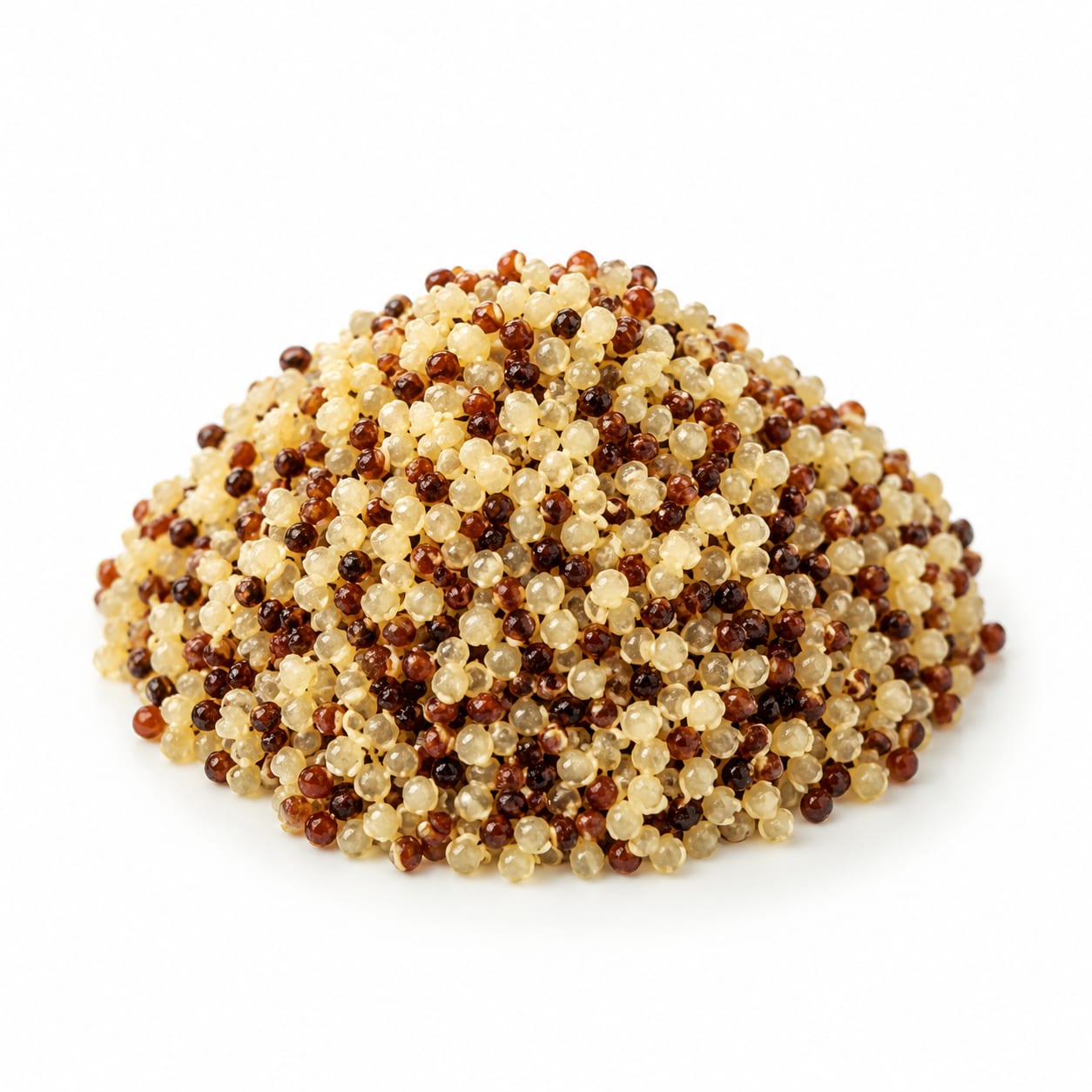
Compare with
Quinoa
Quinoa provides more protein and is better for muscle recovery, while Job's tears offers a chewier texture and is more affordable.
Quinoa provides more protein and is better for muscle recovery, while Job's tears offers a chewier texture and is more affordable.
This food
Job's Tears
VS70% alike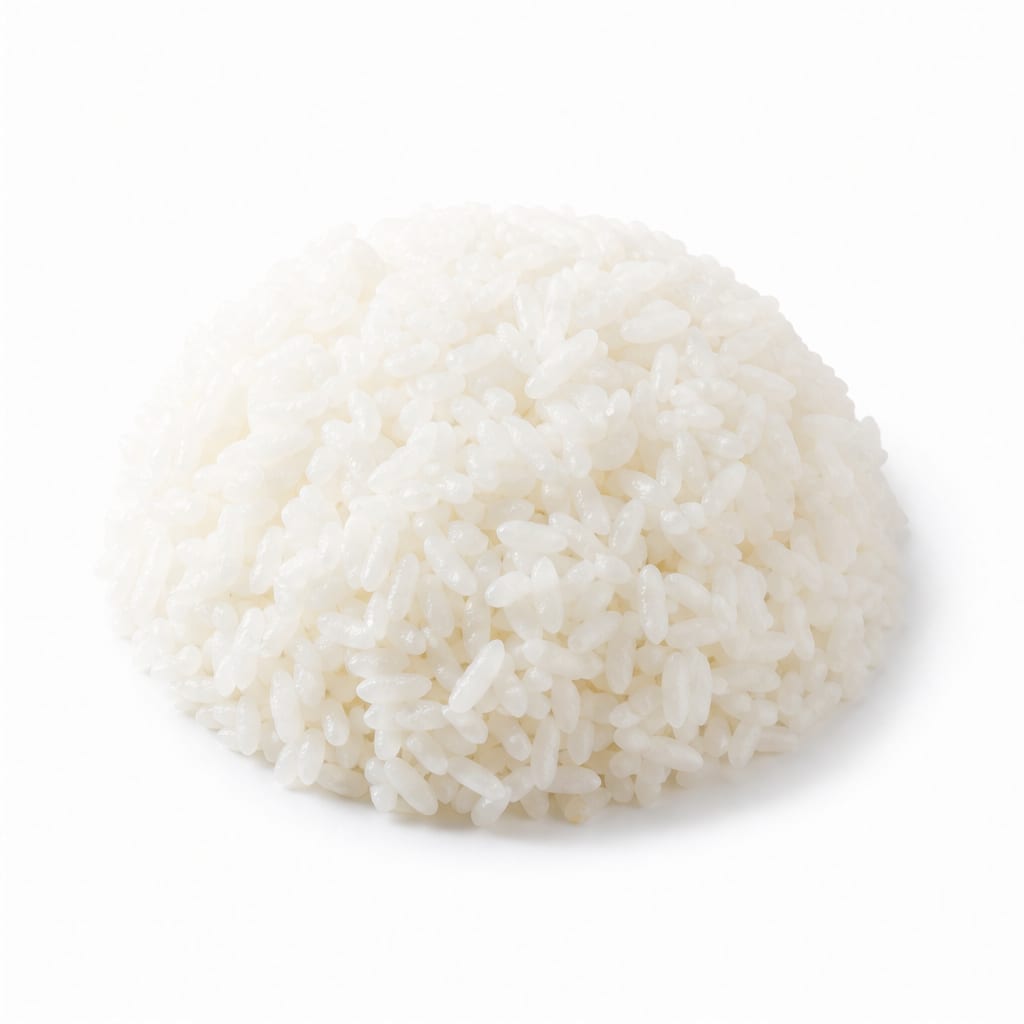
Compare with
White Rice
Job's tears is vastly superior to white rice for fiber, satiety, and blood sugar control, though white rice digests faster.
Job's tears is vastly superior to white rice for fiber, satiety, and blood sugar control, though white rice digests faster.
This food
Job's Tears
VS75% alike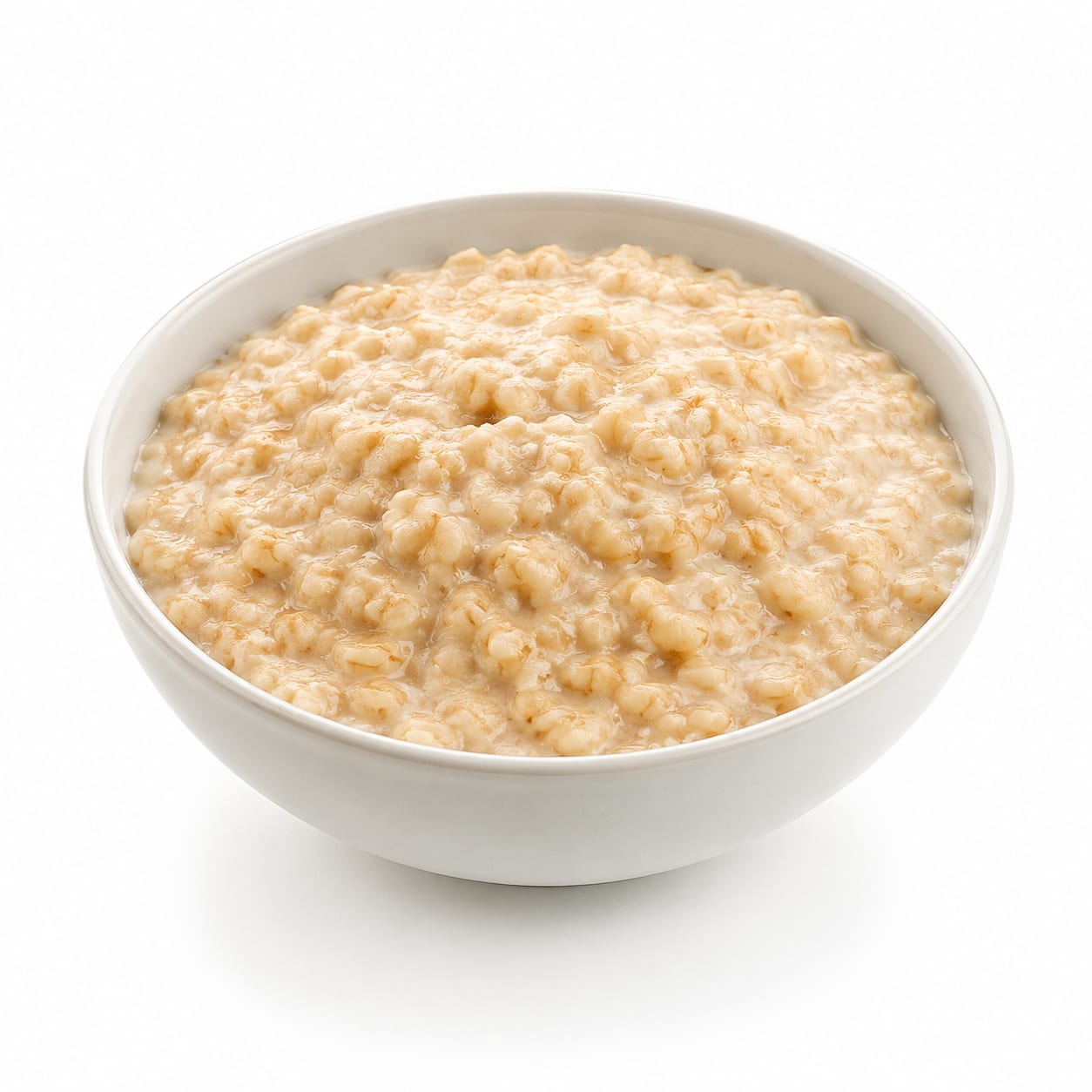
Compare with
Oats
Oats contain more soluble fiber for heart health, while Job's tears provides a versatile chewy grain for savory dishes.
Oats contain more soluble fiber for heart health, while Job's tears provides a versatile chewy grain for savory dishes.
This food
Job's Tears
VS70% alike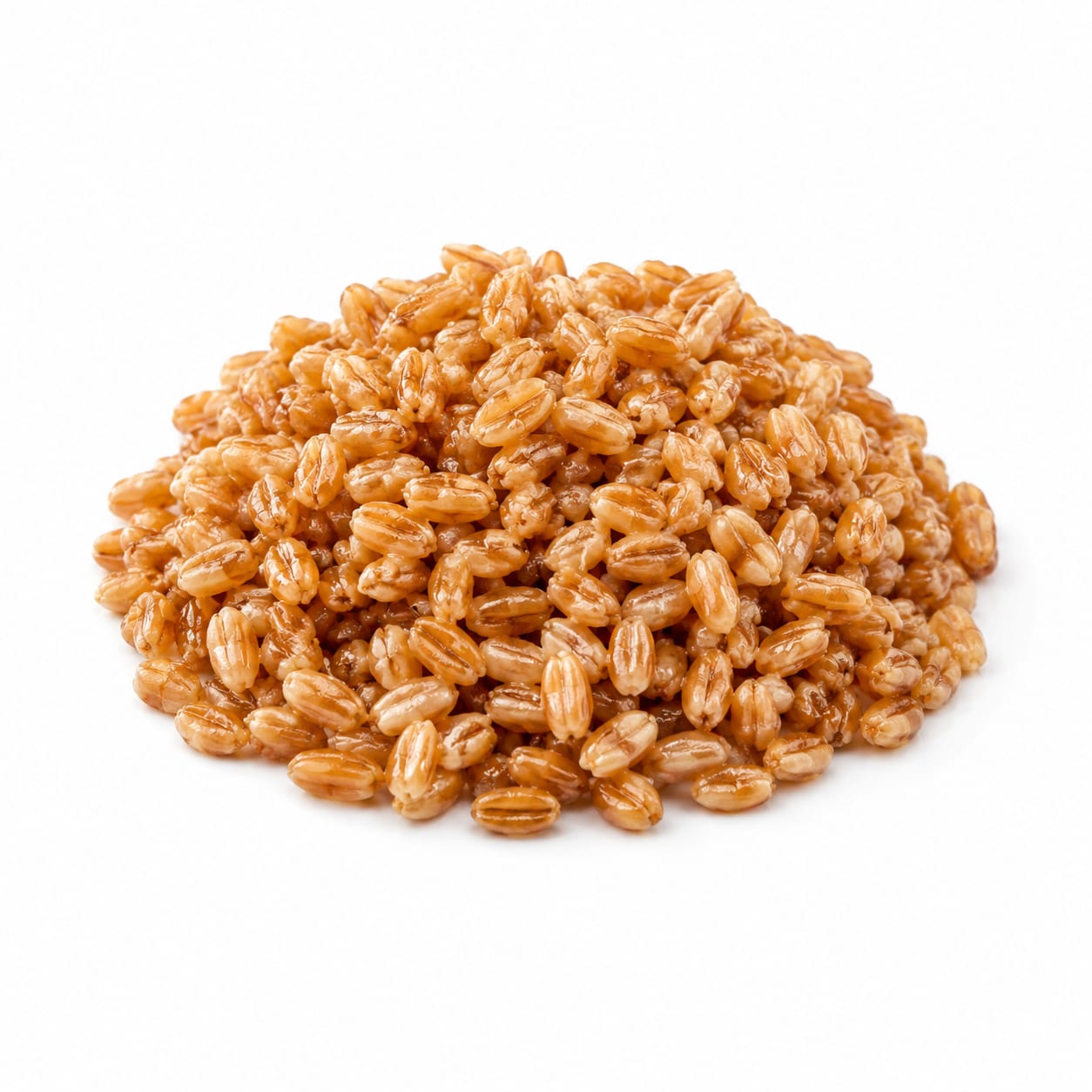
Compare with
Farro
Job's tears is gluten-free unlike farro, making it the safer choice for celiacs, while farro offers slightly more protein.
Job's tears is gluten-free unlike farro, making it the safer choice for celiacs, while farro offers slightly more protein.
This food
Job's Tears
VS80% alike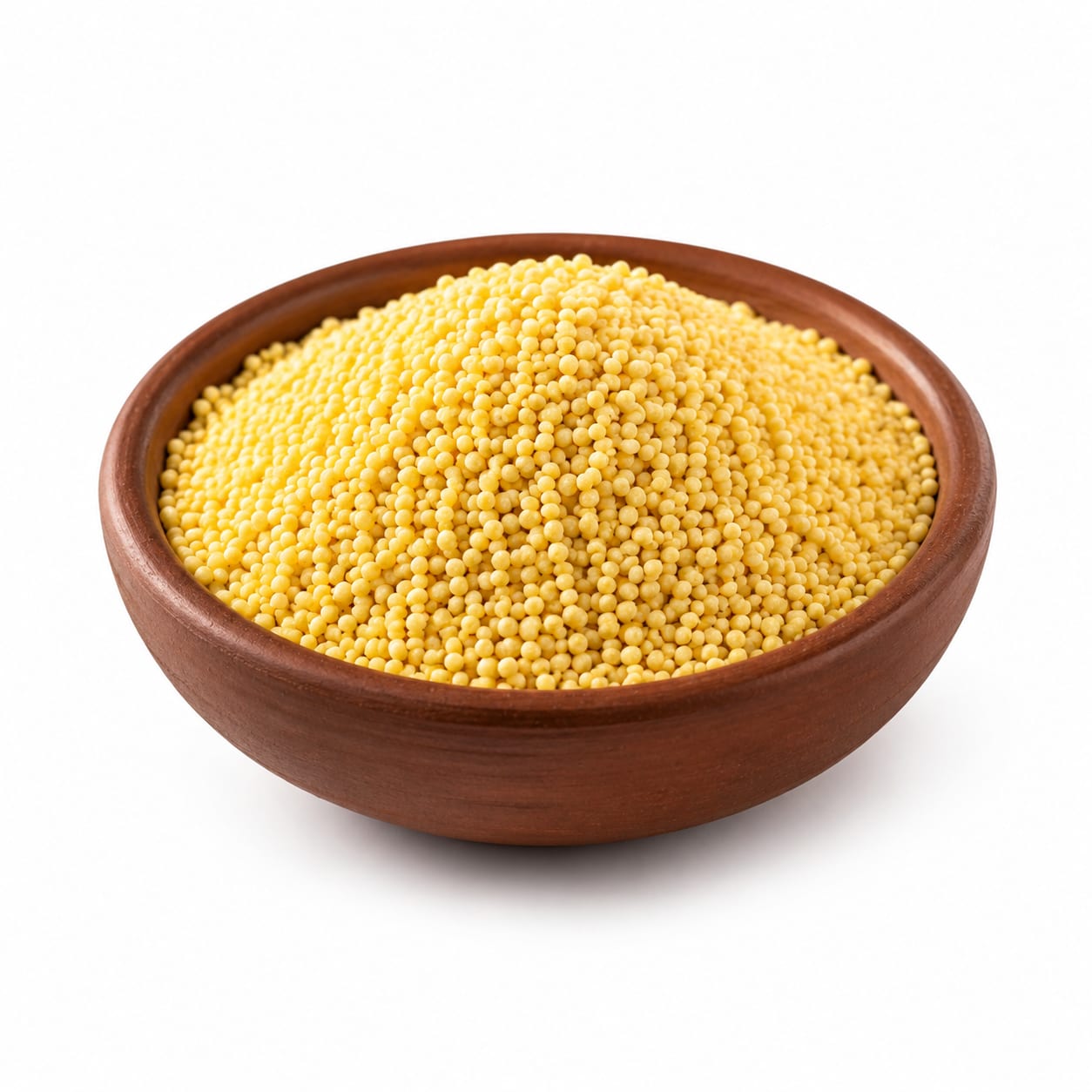
Compare with
Millet
Both are gluten-free whole grains, but Job's tears has a chewier texture and slightly better blood sugar profile than millet.
Both are gluten-free whole grains, but Job's tears has a chewier texture and slightly better blood sugar profile than millet.
This food
Job's Tears
VS70% alike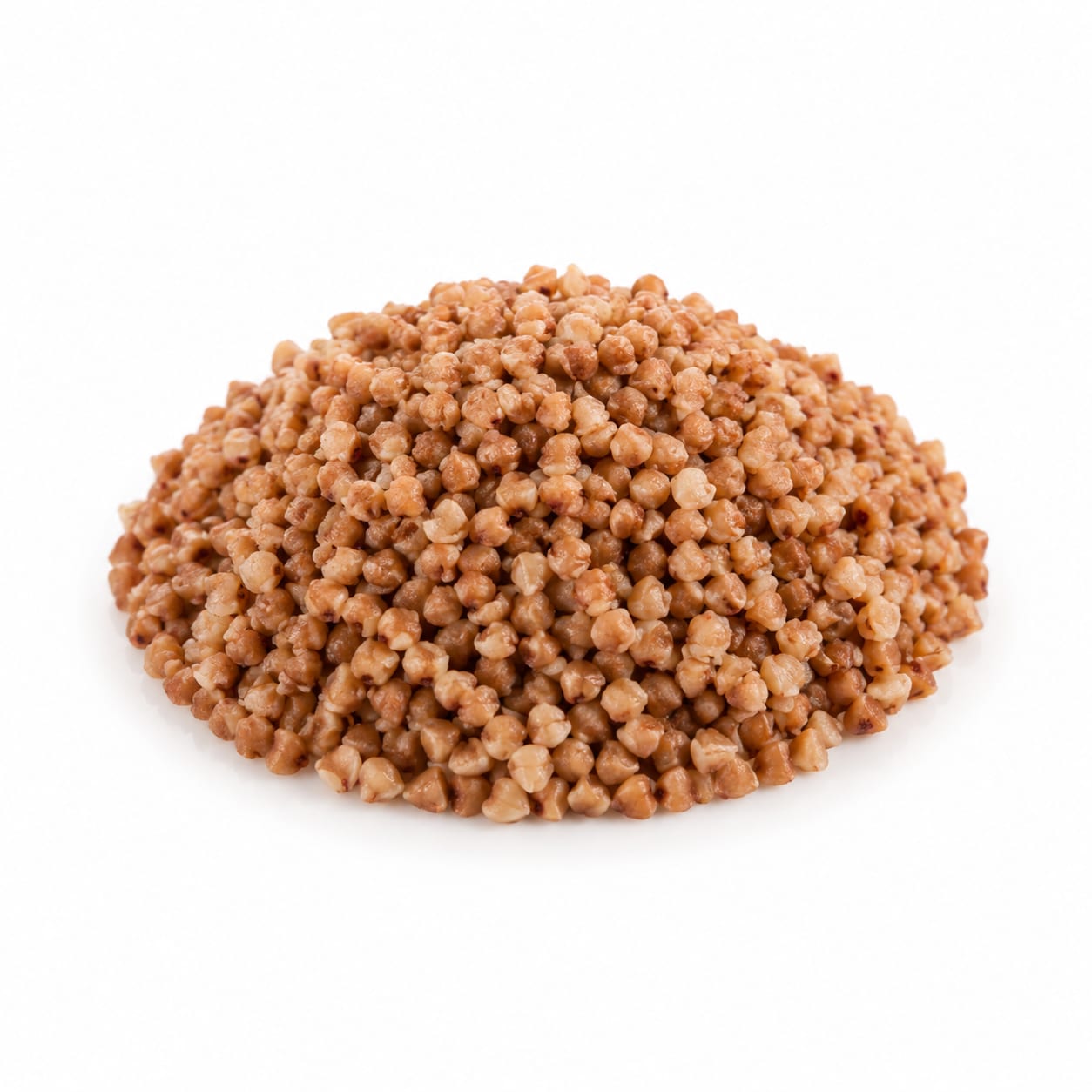
Compare with
Buckwheat
Buckwheat is richer in micronutrients like magnesium, while Job's tears provides a more rice-like chewy texture.
Buckwheat is richer in micronutrients like magnesium, while Job's tears provides a more rice-like chewy texture.
This food
Job's Tears
VS75% alike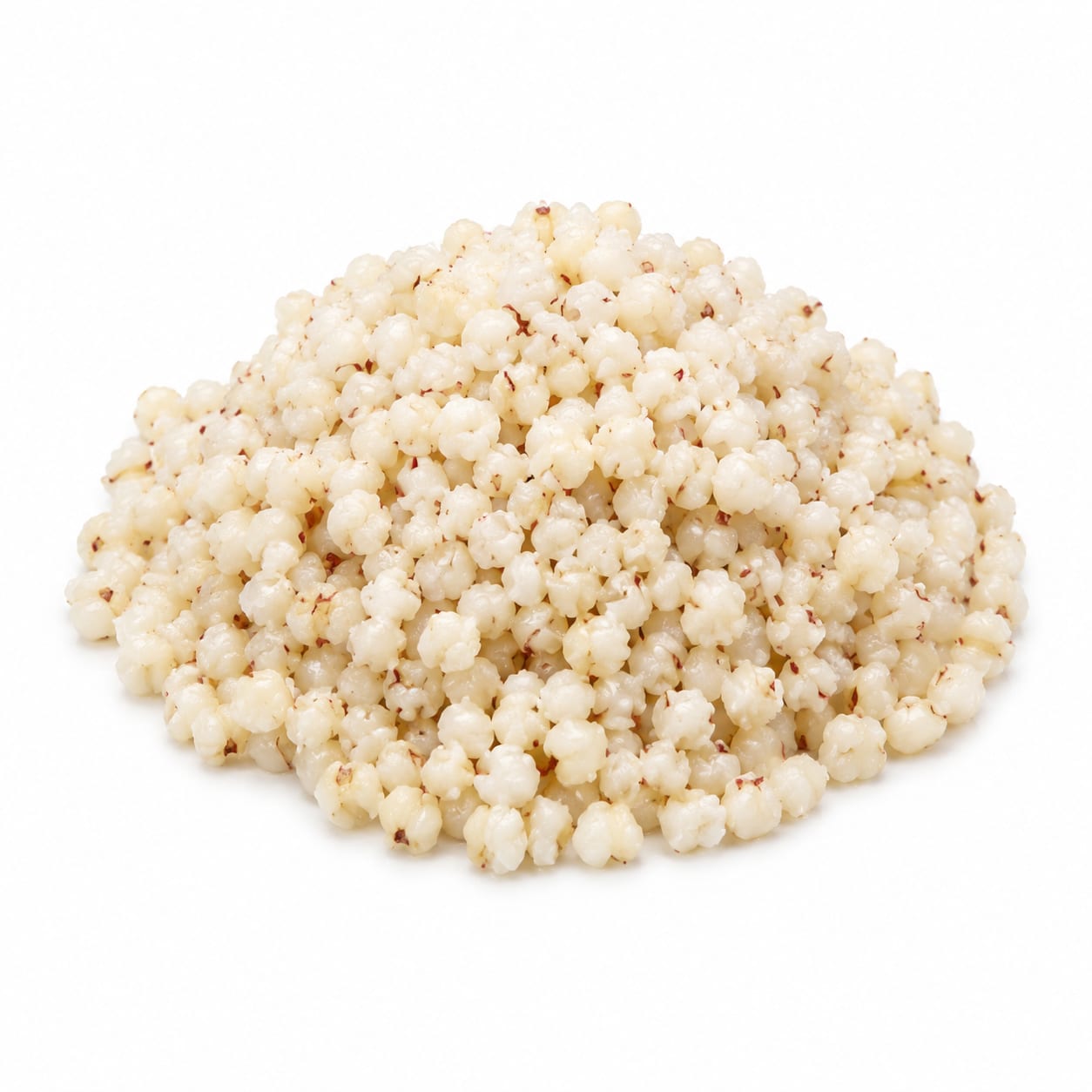
Compare with
Sorghum
Sorghum and Job's tears are both gluten-free, but Job's tears is more recognized in traditional Asian medicine for reducing inflammation.
Sorghum and Job's tears are both gluten-free, but Job's tears is more recognized in traditional Asian medicine for reducing inflammation.
This food
Job's Tears
VS65% alike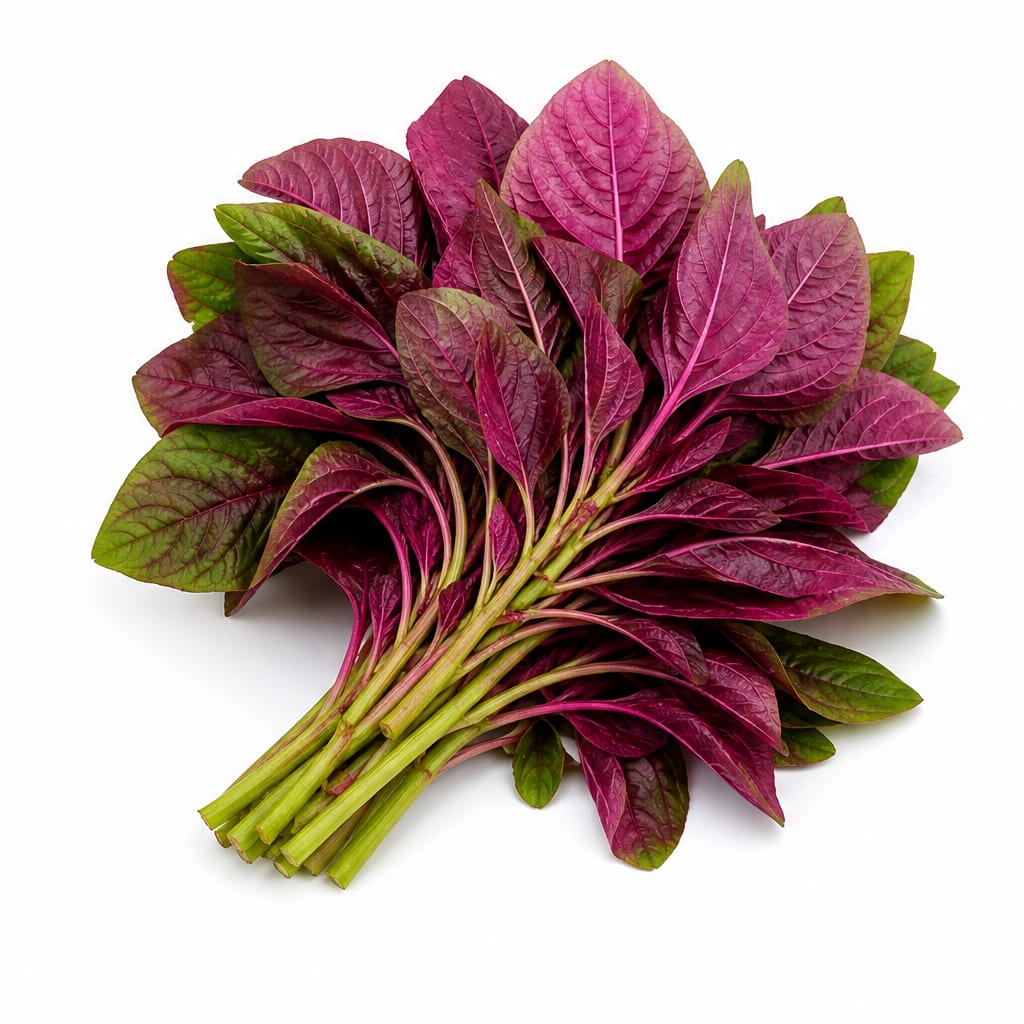
Compare with
Amaranth
Amaranth is higher in protein and calcium, whereas Job's tears has a milder flavor and less sticky texture when cooked.
Amaranth is higher in protein and calcium, whereas Job's tears has a milder flavor and less sticky texture when cooked.
Common questions
FAQ
Answers aligned with how people search for this food.
Is Job's tears gluten free?
Yes, it is naturally gluten-free and safe for those with celiac disease, unlike regular barley.
Is adlay good for diabetes?
Yes, it has a low glycemic index and high fiber, which helps stabilize blood sugar levels.
How do you cook Job's tears?
Rinse thoroughly, soak for 2-4 hours, then boil in water or broth for about 45-60 minutes until tender.
Is Job's tears the same as pearl barley?
No, they are different plants. Job's tears is gluten-free, while pearl barley contains gluten.
Can Job's tears help you lose weight?
Yes, its high fiber and protein content promote satiety, helping to reduce overall calorie intake.
What does Job's tears taste like?
It has a mild, slightly nutty flavor and a chewy, al dente texture similar to barley or farro.
What are the benefits of adlay tea?
Adlay tea is rich in antioxidants and is traditionally used to support skin health and reduce water retention.
Can you eat Job's tears everyday?
Yes, incorporating it as a daily whole grain substitute can support digestive and metabolic health.
Transparency
Data confidence
Estimated confidence for nutrition data, interpretation, safety notes, and comparisons.
Nutrition data
Health analysis
Food safety
Comparisons