
Nutrition comparison
Job's Tears vs Quinoa: Nutrition, Protein, and Digestive Benefits
Comparing Job's Tears and Quinoa? Discover which grain is better for protein, digestion, and daily use, plus the surprising benefits of Job's Tears.

Job's Tears
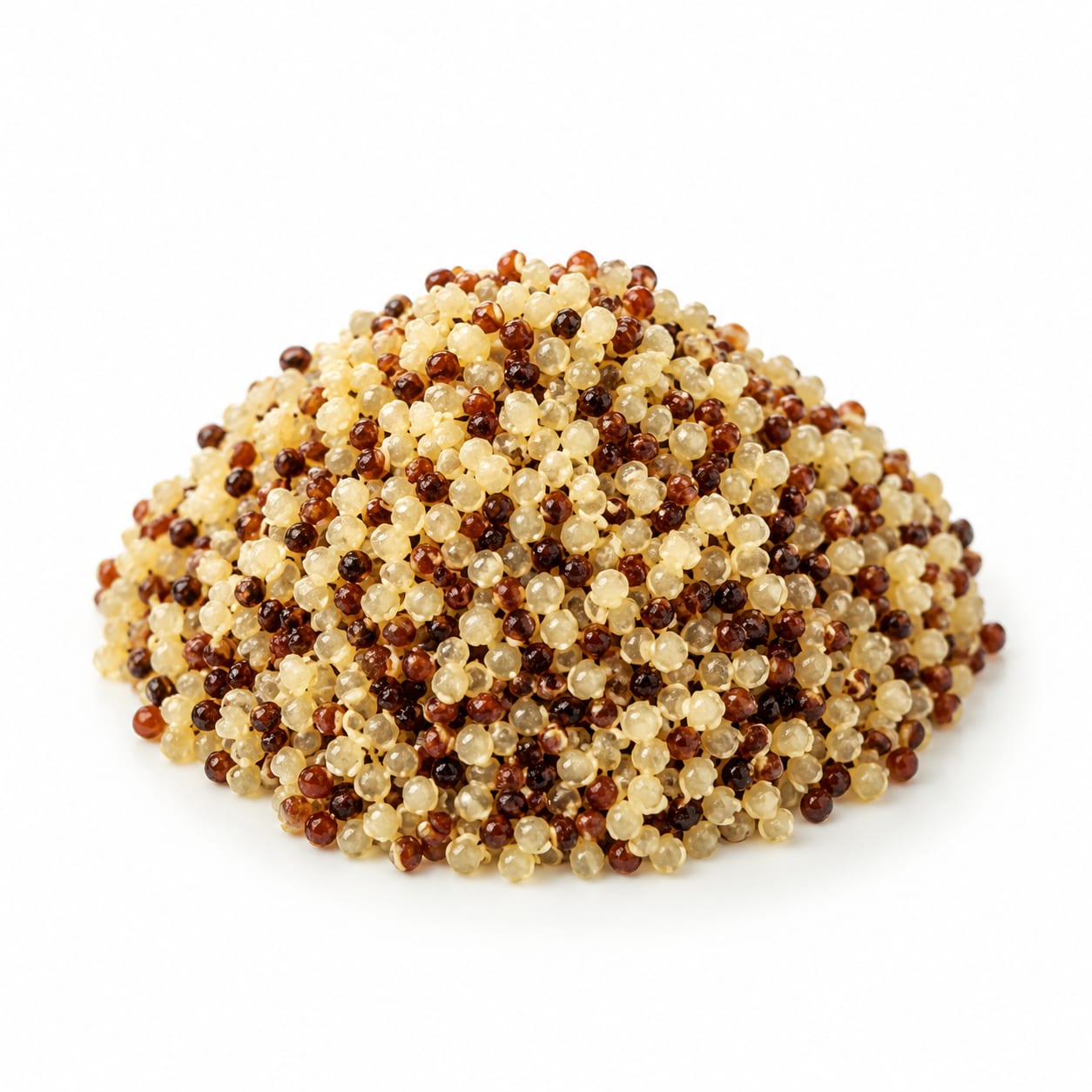
Quinoa
Quinoa wins on pure nutrition and protein, but Job's Tears offers unique digestive soothing and anti-inflammatory benefits that make it irreplaceable for gut health.
Quinoa scores higher overall due to its complete protein profile and superior micronutrient density, but Job's Tears remains highly valuable for its unique soothing and anti-inflammatory properties.
Complete protein and broad nutrient density versus gentle digestion and traditional therapeutic properties.
At a glance
Executive summary
Overall
It depends
Healthier
Quinoa
More practical
Quinoa
Daily use
Quinoa
Key comparison lenses
Protein quality and amino acid completeness
Quinoa is famous for being a complete plant protein, while Job's Tears falls short, making this a major differentiator for vegetarians and vegans.
Digestive soothing and traditional medicinal benefits
Job's Tears is widely used in Traditional Chinese Medicine for gut health and reducing inflammation, offering a unique therapeutic angle Quinoa lacks.
Convenience and culinary accessibility
Quinoa is a mainstream pantry staple that cooks quickly, whereas Job's Tears requires soaking and is harder to find, impacting daily practicality.
Blood sugar management
Both are whole grains, but their differing fiber and protein profiles affect how steadily they release energy.
Best choice for
Job's Tears
- Soothing an inflamed or upset digestive tract
- Reducing water retention and bloating
- Traditional Asian soups and healing broths
- Anti-inflammatory dietary protocols
Quinoa
- A reliable daily source of complete plant protein
- Post-workout muscle recovery meals
- Balancing blood sugar with high fiber and protein
- Quick, nutrient-dense weeknight dinners
Least suitable for
Job's Tears
- High-protein or muscle-building diets
- Last-minute meals due to long cooking times
- Those wanting a mainstream, easy-to-find pantry staple
Quinoa
- People with severe saponin sensitivities
- Those specifically seeking a diuretic grain
- Diets requiring extremely low oxalate foods
Deep comparison
Dimension by dimension
Each lens scores both foods and breaks down who each option suits.
- Dimension 1 · Priority 95Quinoa
Protein Quality & Content
Job's Tears · 40Quinoa · 92Quinoa is a complete protein containing all nine essential amino acids, while Job's Tears is significantly lower in protein and lacks sufficient lysine.
Tradeoff
You sacrifice muscle-building potential and protein density if you choose Job's Tears over Quinoa.
Why it matters
Complete proteins are crucial for tissue repair, immune function, and maintaining steady energy without crashes.
Real-world impact
A Quinoa bowl keeps you full and repaired after a workout; a Job's Tears bowl leaves you needing to add beans or meat to feel satisfied.
Job's Tears
- Low-protein dietary protocols
Better for
- Bodybuilders
- High-protein weight loss diets
Worse for
Quinoa
- Vegans and vegetarians
- Athletes and active individuals
- Older adults preventing muscle loss
Better for
- Those strictly limiting protein intake
Worse for
- Dimension 2 · Priority 88Job's Tears
Digestive Comfort & Therapeutic Benefits
Job's Tears · 90Quinoa · 60Job's Tears is renowned in Traditional Chinese Medicine for soothing the gut and reducing inflammation, whereas Quinoa's natural saponins can irritate sensitive stomachs.
Tradeoff
Quinoa offers more raw nutrition, but Job's Tears is far gentler on a compromised digestive system.
Why it matters
Gut comfort dictates how well you absorb nutrients and how you feel physically after eating.
Real-world impact
Job's Tears feels like a warm, comforting hug for an upset stomach; Quinoa might cause bloating or irritation if not rinsed perfectly.
Job's Tears
- Sensitive digestion and IBS
- Systemic inflammation and joint pain
- Water retention and edema
Better for
- Those needing dense nutrition over therapy
Worse for
Quinoa
- General gut health with no sensitivities
Better for
- Saponin sensitivity
- Severe gut inflammation flares
Worse for
- Dimension 3 · Priority 82Quinoa
Micronutrient Density
Job's Tears · 58Quinoa · 88Quinoa packs significantly more iron, magnesium, zinc, and folate per serving than Job's Tears.
Tradeoff
Choosing Job's Tears means accepting a lower overall vitamin and mineral intake compared to Quinoa.
Why it matters
Micronutrients drive energy production, bone health, and immune resilience on a daily basis.
Real-world impact
Eating Quinoa regularly helps prevent common nutrient gaps like low iron; Job's Tears requires pairing with nutrient-dense veggies to meet daily needs.
Job's Tears
- Diets requiring lower mineral intake (rare)
Better for
- Those at risk for iron or magnesium deficiency
Worse for
Quinoa
- Preventing anemia and fatigue
- Pregnancy nutrition
- Boosting daily energy levels
Better for
- People with hemochromatosis (iron overload)
Worse for
- Dimension 4 · Priority 78Quinoa
Convenience & Culinary Accessibility
Job's Tears · 40Quinoa · 85Quinoa is available in every grocery store and cooks in 15 minutes, while Job's Tears often requires soaking and longer cook times.
Tradeoff
Job's Tears demands more prep time and sourcing effort, making Quinoa the obvious weeknight choice.
Why it matters
Convenience determines how often you'll actually cook a healthy grain versus giving up and ordering takeout.
Real-world impact
You can throw Quinoa into a salad on a busy Tuesday night; Job's Tears requires planning ahead or using a pressure cooker.
Job's Tears
- Slow-cooked weekend soups
- Batch cooking and meal prep
Better for
- Last-minute meals
- Impulse cooking sessions
Worse for
Quinoa
- Quick weeknight dinners
- Accessible grocery shopping anywhere
- Meal prep beginners
Better for
- Traditional Asian dessert recipes
Worse for
Timeline
Health impact over time
Short-term
Hours to days
Job's Tears
- Noticeable reduction in bloating and water weight
- Gentle, comforting energy without heaviness
- Soothing effect on an irritated stomach
Quinoa
- Quick and sustained satiety after eating
- Steady energy without a sugar crash
- Possible mild bloating if the grain is not thoroughly rinsed
Long-term
Months to years
Job's Tears
- Reduced systemic inflammation and joint stiffness
- Better fluid balance in the body
- Potential nutrient gaps if used as a primary protein source
Quinoa
- Improved muscle tone and metabolic health
- Better blood sugar regulation over time
- Stronger bones due to high magnesium content
Risk profile
Safety & processing
Both Job's Tears and Quinoa are whole, natural grains that come straight from the farm with no artificial additives, making them excellent clean-eating choices.
Job's Tears
Aflatoxin contamination
lowLike many grains, improper storage of Job's Tears can lead to mold, but reputable commercial sources are generally safe and well-regulated.
Quinoa
Saponin-induced digestive irritation
mediumQuinoa naturally coats itself in saponins to deter pests. If not rinsed thoroughly, these compounds can cause stomach upset and a bitter soapy taste.
Who wins for whom
Audience fit
Same foods, different winners depending on your goal.
children
QuinoaQuinoa offers essential amino acids and iron crucial for growing bodies, and its softer texture is easier for kids to eat.
daily consumption
QuinoaQuinoa provides a broader, more reliable base of daily essential nutrients and is much easier to integrate into everyday meals.
diabetes
QuinoaQuinoa's superior protein and fiber combination stabilizes blood sugar more effectively after meals compared to Job's Tears.
elderly
Job's TearsJob's Tears is exceptionally gentle on aging digestive systems and helps manage joint inflammation and fluid retention common in older adults.
muscle gain
QuinoaQuinoa provides a complete protein profile with all essential amino acids necessary for muscle repair and growth.
weight loss
QuinoaQuinoa's higher protein and fiber content keeps you fuller for longer, naturally reducing the urge to overeat.
Your move
Decision guide
Choose Job's Tears
- You struggle with water retention, bloating, or edema
- You want a gentle, anti-inflammatory grain for healing soups
- You follow Traditional Chinese Medicine principles for gut health
- You have a sensitive stomach that reacts to heavier proteins
Choose Quinoa
- You need a high-quality plant protein for muscle maintenance
- You want a quick-cooking, versatile grain for busy weeknights
- You are focused on maximizing overall nutrient density
- You are vegan and need complete amino acid sources
Either works if
- You want a gluten-free alternative to wheat or rice
- You are building a diverse whole-foods diet and can rotate both
Avoid both if
- You are on a strict very-low-carb or keto diet
- You have a severe grain allergy
Final recommendation
Keep Quinoa as your daily nutritional workhorse for protein and vitamins, but stock Job's Tears for days when your digestion needs a gentle, soothing reset.
Practical
Consumer tips
- 1
Rinse Quinoa thoroughly under cold water for 30 seconds to remove bitter saponins and prevent stomach upset.
- 2
Soak Job's Tears for a few hours or overnight to reduce cooking time and achieve a softer, more pleasant texture.
- 3
Toast either grain in a dry pan before cooking to enhance their natural nutty flavors.
- 4
Add Job's Tears to bone broth or ginger tea for a powerful anti-inflammatory, gut-soothing meal.