
Nutrition comparison
Job's Tears vs Buckwheat: Which Gluten-Free Grain Is Better for You?
Compare Job's Tears and buckwheat nutrition, health benefits, and practical uses. Discover which gluten-free grain suits your health goals — from diabetes management to inflammation relief.

Job's Tears
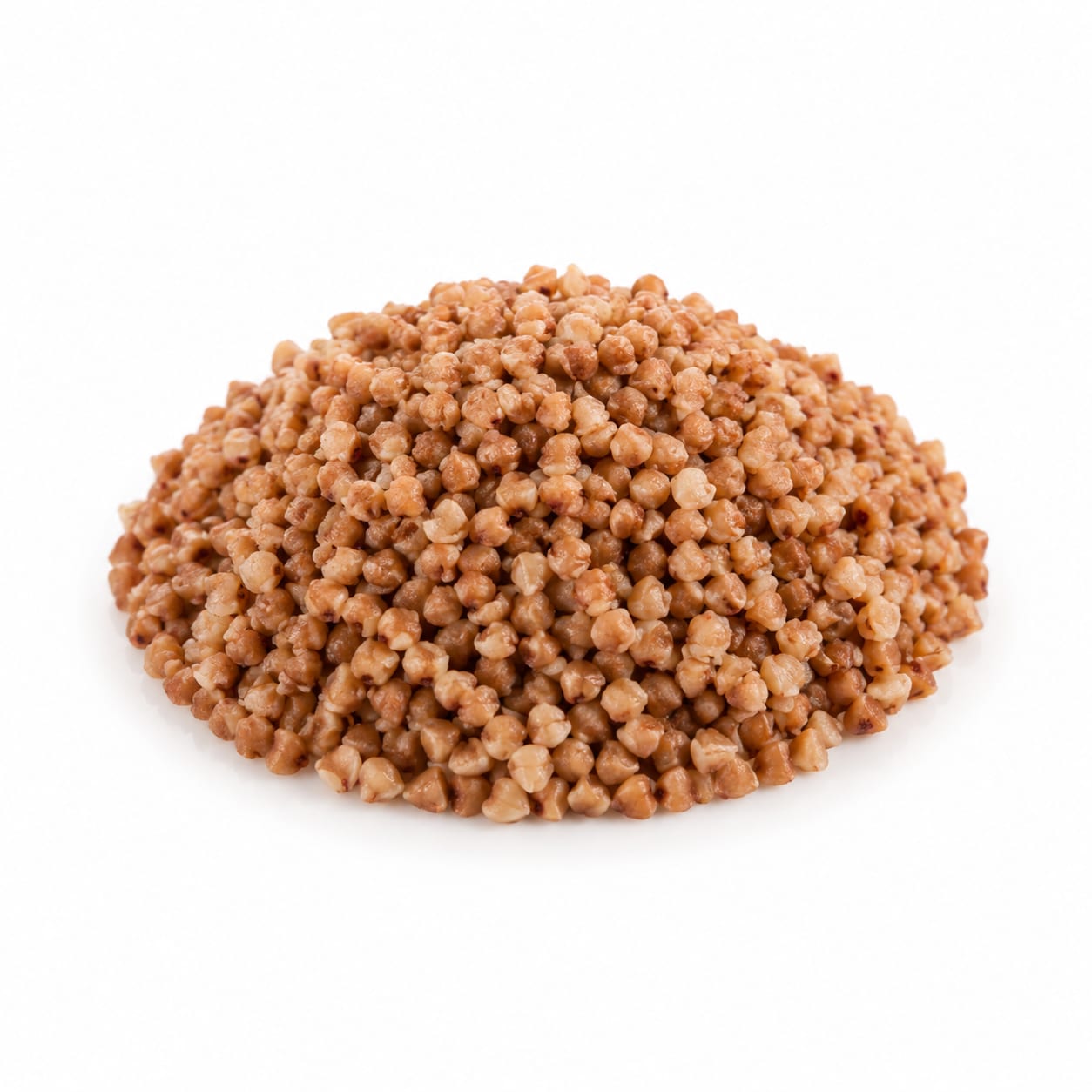
Buckwheat
Buckwheat delivers superior protein and heart-protective rutin, while Job's Tears excels at reducing inflammation and water retention — your pick depends on what your body needs most.
Buckwheat scores higher due to its complete protein, superior availability, and stronger evidence for cardiovascular benefits. Job's Tears remains valuable for specific therapeutic uses but is harder to find and less nutritionally dense.
Buckwheat gives you more complete nutrition per serving, but Job's Tears offers unique therapeutic benefits that no other grain easily replaces.
At a glance
Executive summary
Overall
It depends
Healthier
Buckwheat
More practical
Buckwheat
Daily use
Buckwheat
Key comparison lenses
blood sugar management and diabetes prevention
Both are low-glycemic gluten-free grains popular among people managing blood sugar, but they achieve this through different mechanisms
anti-inflammatory and traditional medicine benefits
Job's Tears is deeply rooted in Traditional Chinese Medicine for reducing inflammation and fluid retention, while buckwheat offers rutin for vascular health
protein quality and nutritional completeness
Buckwheat is notably one of the few plant foods with complete amino acid profile, while Job's Tears is lower in protein overall
gluten-free grain alternative selection
Both serve as gluten-free staples, so users often choose between them for celiac-safe meal planning
practical availability and cooking versatility
Buckwheat is far easier to find in Western grocery stores and has more familiar recipe applications
Best choice for
Job's Tears
- People with inflammatory conditions or joint pain
- Those struggling with water retention and bloating
- Anyone following Traditional Chinese Medicine protocols
- People wanting a gentle, cooling grain for hot weather
- Those seeking skin-clearing dietary support
Buckwheat
- People managing diabetes or insulin resistance
- Vegetarians needing complete plant protein
- Anyone focused on cardiovascular health
- Those wanting a widely available gluten-free staple
- People seeking sustained energy without crashes
Least suitable for
Job's Tears
- People who need high protein intake from grains
- Those without access to Asian grocery stores
- Anyone unfamiliar with cooking traditional grains
- People wanting quick-cooking meal options
Buckwheat
- People with buckwheat allergy (relatively rare but serious)
- Those who dislike strong earthy or nutty flavors
- Anyone on a low-oxalate diet
Deep comparison
Dimension by dimension
Each lens scores both foods and breaks down who each option suits.
- Dimension 1 · Priority 92Buckwheat
blood sugar stability
Job's Tears · 74Buckwheat · 86Both are low-glycemic, but buckwheat contains D-chiro-inositol which directly improves insulin sensitivity — a rare advantage no other common grain offers.
Tradeoff
Job's Tears still steadies blood sugar well, just without the targeted insulin-sensitizing compound that makes buckwheat special for diabetics.
Why it matters
If you are prediabetic or managing type 2 diabetes, buckwheat's D-chiro-inositol gives you a functional edge beyond just slow carbs.
Real-world impact
A buckwheat breakfast keeps your energy smoother through the afternoon compared to most grains, and you may notice less of that mid-morning crash.
Job's Tears
- General low-glycemic eating
- Gentle carbohydrate source for sensitive stomachs
Better for
- Lacks targeted insulin-sensitizing compounds
Worse for
Buckwheat
- Insulin resistance and prediabetes
- Type 2 diabetes management
- PCOS-related blood sugar issues
Better for
- Slightly higher calorie density may require portion awareness
Worse for
- Dimension 2 · Priority 88Buckwheat
protein quality and completeness
Job's Tears · 48Buckwheat · 89Buckwheat is one of the rare plant foods containing all nine essential amino acids in meaningful amounts. Job's Tears has modest protein with an incomplete profile.
Tradeoff
If you rely on grains as a protein source — especially as a vegetarian — buckwheat pulls far ahead. Job's Tears requires protein pairing.
Why it matters
Complete protein from a grain means fewer food combinations needed to meet your amino acid needs, simplifying meal planning.
Real-world impact
A bowl of buckwheat porridge actually contributes meaningfully to your daily protein target. Job's Tears porridge barely moves the needle.
Job's Tears
- Requires combining with legumes or other proteins for completeness
- Low total protein content per serving
Worse for
Buckwheat
- Vegetarian and vegan protein needs
- Athletes needing plant-based complete protein
- Anyone wanting fewer supplements and food pairings
Better for
- Dimension 3 · Priority 86Job's Tears
anti-inflammatory and therapeutic effects
Job's Tears · 88Buckwheat · 72Job's Tears has centuries of Traditional Chinese Medicine use for reducing inflammation, clearing dampness, and soothing joints. Its bioactive compound coixenolide is genuinely unique.
Tradeoff
Buckwheat fights inflammation through rutin and antioxidants, but Job's Tears targets fluid retention and inflammatory swelling more directly.
Why it matters
If you deal with joint pain, edema, or inflammatory skin conditions, Job's Tears works like food-as-medicine in a way buckwheat cannot replicate.
Real-world impact
People who eat Job's Tears regularly often report less puffiness, reduced joint stiffness, and calmer skin — effects that build over weeks of consistent use.
Job's Tears
- Chronic inflammation and joint pain
- Water retention and bloating
- Skin conditions like acne and eczema
- Post-illness recovery in TCM practice
Better for
- Effects are subtle and require consistent long-term consumption
Worse for
Buckwheat
- Vascular inflammation and blood vessel health
- Circulation-related concerns
Better for
- Less targeted for fluid retention and edema
Worse for
- Dimension 4 · Priority 83Buckwheat
heart and vascular health
Job's Tears · 65Buckwheat · 87Buckwheat's rutin strengthens capillary walls and improves circulation. Combined with its magnesium and fiber, it is one of the best grains for cardiovascular protection.
Tradeoff
Job's Tears supports heart health indirectly through anti-inflammatory pathways, but lacks the direct vascular-strengthening compounds buckwheat provides.
Why it matters
Rutin is so effective that it is extracted as a supplement for vein health. Getting it naturally from buckwheat is a genuine functional food advantage.
Real-world impact
Regular buckwheat consumption is linked to lower blood pressure and healthier cholesterol — benefits you can sometimes feel as less coldness in extremities.
Job's Tears
- General anti-inflammatory cardiovascular support
Better for
- No rutin or equivalent vascular-specific compound
Worse for
Buckwheat
- Hypertension management
- Varicose vein and hemorrhoid prevention
- Cholesterol improvement
- Peripheral circulation issues
Better for
- Dimension 5 · Priority 78Job's Tears
digestive comfort and tolerance
Job's Tears · 82Buckwheat · 70Job's Tears is considered gentle and cooling in traditional medicine, often recommended for sensitive digestion. Buckwheat can cause bloating in some people due to its fiber intensity.
Tradeoff
Job's Tears is easier on an upset stomach, but buckwheat feeds gut bacteria more effectively due to resistant starch content.
Why it matters
If your digestion is already compromised, the gentleness of Job's Tears matters more than buckwheat's prebiotic fiber.
Real-world impact
After a stomach illness or during a flare-up, Job's Tears porridge feels soothing and light. Buckwheat might feel heavy or gassy in the same situation.
Job's Tears
- Sensitive or easily upset stomachs
- Post-illness digestive recovery
- Hot weather eating when digestion feels sluggish
Better for
- Less prebiotic fiber for gut bacteria nourishment
Worse for
Buckwheat
- Building healthy gut microbiome diversity
- Constipation relief through resistant starch
Better for
- Can cause gas and bloating in sensitive individuals
- Heavier feeling after eating
Worse for
- Dimension 6 · Priority 75Buckwheat
availability and cooking practicality
Job's Tears · 42Buckwheat · 85Buckwheat is available in most grocery stores as groats, flour, noodles, and more. Job's Tears typically requires an Asian market or online order.
Tradeoff
You can cook buckwheat tonight with what most stores carry. Job's Tears takes planning and often costs more to source.
Why it matters
The healthiest grain only works if you can actually buy and cook it regularly. Accessibility determines long-term adherence.
Real-world impact
Buckwheat groats cook in 15-20 minutes and work in porridge, salads, and sides. Job's Tears often requires soaking and longer cooking times.
Job's Tears
- Those with access to Asian grocery stores
- People who enjoy exploring traditional ingredients
Better for
- Hard to find in Western supermarkets
- Requires specialty shopping
- Longer preparation time
- Fewer ready-made product options
Worse for
Buckwheat
- Quick weeknight meals
- Mainstream grocery shopping
- Multiple recipe formats including flour and noodles
Better for
- Buckwheat flour can go rancid quickly if not stored properly
Worse for
Timeline
Health impact over time
Short-term
Hours to days
Job's Tears
- Gentle diuretic effect reduces puffiness within hours
- Soothing on the digestive tract, comfortable after eating
- Light energy without heaviness or food coma
Buckwheat
- Noticeable satiety and fullness after meals
- Steadier energy without blood sugar spikes
- Possible mild bloating if you are not used to high-fiber grains
Long-term
Months to years
Job's Tears
- Reduced chronic inflammation and joint stiffness with regular consumption
- Improved skin clarity and reduced edema over weeks
- Traditional medicine suggests benefits for immune modulation over months
Buckwheat
- Improved insulin sensitivity measurable in bloodwork within months
- Stronger capillary walls and better peripheral circulation
- Lower blood pressure and improved lipid profile with consistent intake
- Enhanced gut microbiome diversity from resistant starch
Risk profile
Safety & processing
Both Job's Tears and buckwheat are whole, minimally processed grains when purchased as raw groats or seeds. Neither typically contains additives in their whole form. The main concern is that buckwheat flour products and soba noodles may contain wheat flour or salt — always check labels.
Job's Tears
Contamination with other grains during processing
mediumJob's Tears is often processed in facilities handling wheat. If you have celiac disease, verify certified gluten-free labeling.
Raw seed toxicity concerns
lowSome varieties of Job's Tears have hard seed coats that require proper cooking to ensure digestibility. Always cook thoroughly.
Buckwheat
Buckwheat allergy
highThough rare, buckwheat allergy can cause severe anaphylactic reactions. It is one of the more serious pseudocereal allergies and can be triggered by even small amounts.
Cross-contamination in soba noodles
mediumMany commercial soba noodles contain wheat flour. True buckwheat noodles (juwari soba) are 100% buckwheat but less common and more expensive.
Oxalate content
lowBuckwheat contains moderate oxalates. Those prone to kidney stones should moderate intake and ensure adequate hydration.
Who wins for whom
Audience fit
Same foods, different winners depending on your goal.
children
BuckwheatBuckwheat's complete protein supports growth, and its familiar formats like pancakes and porridge are more kid-friendly than Job's Tears.
daily consumption
BuckwheatEasier availability, more recipe options, and stronger nutritional density make buckwheat more sustainable as a daily staple.
diabetes
BuckwheatD-chiro-inositol directly improves insulin sensitivity, giving buckwheat a therapeutic edge that goes beyond simple glycemic index comparisons.
elderly
It dependsBuckwheat supports cardiovascular health and circulation which matters for aging, but Job's Tears is gentler on digestion and reduces joint inflammation — choose based on the individual's primary concern.
muscle gain
BuckwheatComplete protein with all essential amino acids makes buckwheat a genuinely useful protein source for muscle recovery, unlike most grains.
weight loss
BuckwheatBuckwheat's higher protein and resistant starch create stronger satiety signals, making it easier to eat less overall without feeling deprived.
Your move
Decision guide
Choose Job's Tears
- You struggle with water retention, puffiness, or bloating
- Joint inflammation or arthritis is a daily concern
- You follow Traditional Chinese Medicine principles
- You want a cooling, gentle grain for summer or post-illness recovery
- Skin clarity is a priority and you are patient with gradual results
Choose Buckwheat
- You are managing diabetes, prediabetes, or insulin resistance
- You need complete plant protein as a vegetarian or vegan
- Heart health and circulation are top priorities
- You want a gluten-free grain you can find at any grocery store
- You prefer a grain with more cooking versatility and recipe options
Either works if
- You simply want a nutritious gluten-free grain alternative
- You are rotating grains for dietary diversity
- Both are available and you enjoy variety in your meals
Avoid both if
- You have a confirmed buckwheat allergy
- You need high-protein grains and already eat plenty of quinoa or amaranth
- You are on a very low-carb or ketogenic diet
Final recommendation
For most people, buckwheat is the more practical and nutritionally complete daily choice. But if inflammation, fluid retention, or joint pain drives your food decisions, Job's Tears offers therapeutic value that buckwheat cannot match. The ideal approach is rotating both — use buckwheat as your everyday staple and add Job's Tears a few times weekly for its unique anti-inflammatory benefits.
Practical
Consumer tips
- 1
Soak Job's Tears for 2-4 hours before cooking to reduce preparation time and improve digestibility
- 2
Toast buckwheat groats in a dry pan before boiling to enhance the nutty flavor and reduce bitterness
- 3
Look for 'juwari soba' if you want 100% buckwheat noodles — most commercial soba contains wheat flour
- 4
Store both grains in airtight containers in a cool, dark place; buckwheat flour goes rancid quickly so refrigerate after opening
- 5
Job's Tears tea is an easy way to get anti-inflammatory benefits without cooking a full meal — steep roasted seeds in hot water for 10 minutes
- 6
Combine buckwheat with vegetables and a light dressing for a filling grain bowl that keeps you satisfied for hours
- 7
If new to Job's Tears, start with a small portion to test digestive tolerance before making it a regular part of your diet