
Nutrition comparison
Job's Tears vs Millet: Which Ancient Grain Is Better for You?
Compare Job's Tears and Millet to find out which grain is better for blood sugar, digestion, and daily cooking. Discover the nutritional tradeoffs and health benefits.
Overall winner · Millet

Job's Tears
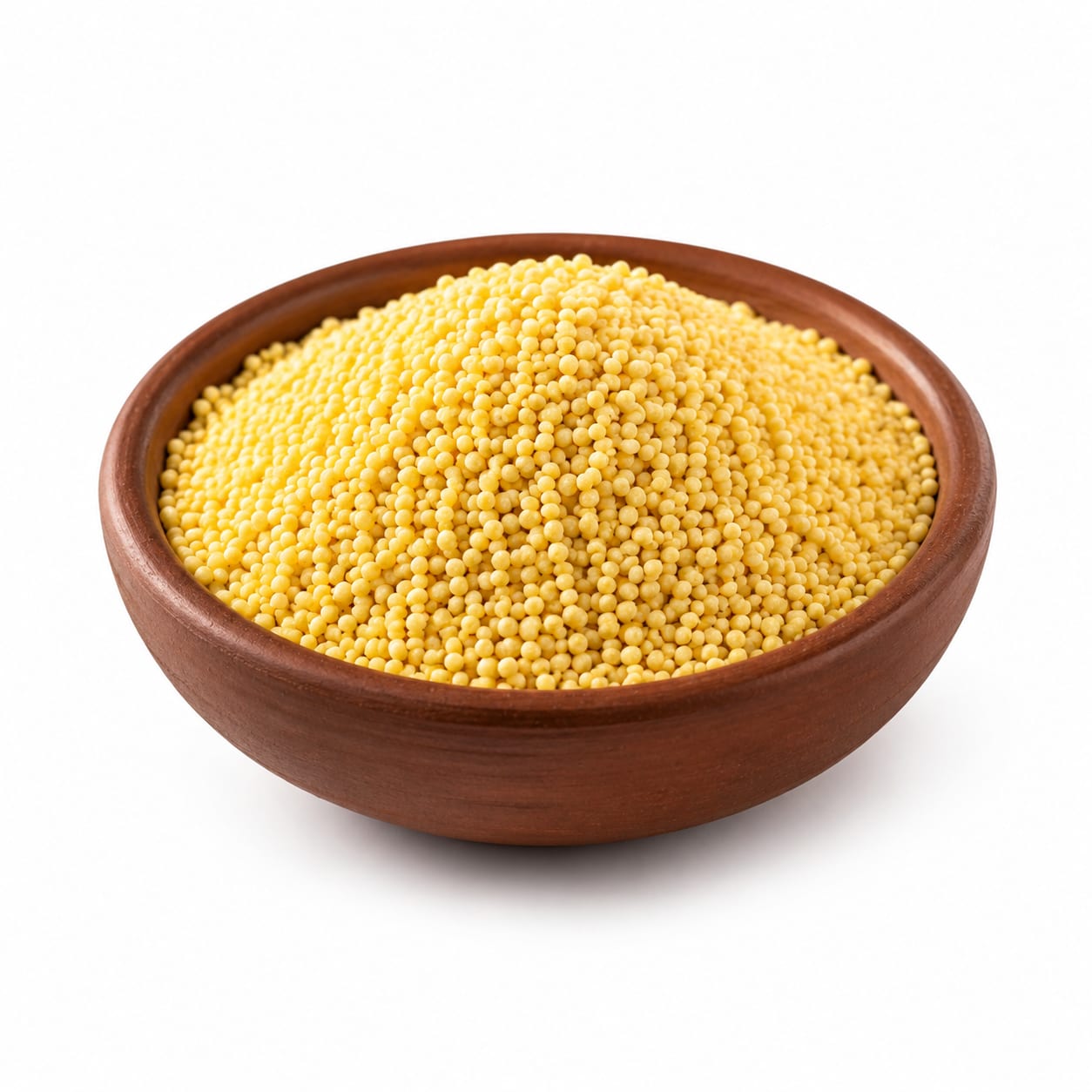
Millet
Millet edges out Job's Tears for everyday practicality and mineral content, but Job's Tears offers unique anti-inflammatory benefits and superior gut-soothing properties.
Millet scores slightly higher due to better availability, faster cooking, and a richer mineral profile, though both are excellent whole grains.
Millet brings more magnesium and easier cooking, while Job's Tears delivers stronger traditional medicinal benefits and slightly better blood sugar stability.
At a glance
Executive summary
Overall
Millet
Healthier
It depends
More practical
Millet
Daily use
Millet
Key comparison lenses
Blood sugar stability and glycemic impact
Both are whole grains often chosen as rice alternatives by people managing diabetes or metabolic syndrome.
Digestive comfort and gut health
Job's Tears is famous in Eastern medicine for soothing the gut, while Millet is prized for being light and alkalizing.
Micronutrient density and mineral profile
Millet offers robust minerals like magnesium, whereas Job's Tears provides unique phytonutrients.
Culinary practicality and accessibility
Millet is a supermarket staple that cooks fast, while Job's Tears often requires specialty shopping and longer prep.
Best choice for
Job's Tears
- People managing blood sugar spikes
- Those seeking anti-inflammatory foods
- Individuals struggling with water retention and bloating
Millet
- Busy weeknight cooking
- Boosting magnesium intake for sleep or muscle recovery
- Gluten-free baking and porridges
Least suitable for
Job's Tears
- Quick weeknight meals
- People who cannot source it locally
Millet
- Those with severe thyroid issues
- People wanting distinct medicinal effects
Deep comparison
Dimension by dimension
Each lens scores both foods and breaks down who each option suits.
- Dimension 1 · Priority 90Job's Tears
Blood Sugar Stability
Job's Tears · 85Millet · 80Job's Tears has a slightly lower glycemic index and is traditionally used to manage metabolic health, making it marginally better for steady energy.
Tradeoff
You get steadier blood sugar with Job's Tears, but Millet is still a low-GI option that is much easier to prep.
Why it matters
Avoiding afternoon energy crashes is easier with lower glycemic grains.
Real-world impact
Eating Job's Tears for breakfast keeps you full and focused longer without the mid-morning slump.
Job's Tears
- Diabetics
- People prone to energy crashes
Better for
- Those who need fast-cooking grains
Worse for
Millet
- General healthy eaters wanting quick meals
Better for
- Those extremely sensitive to blood sugar spikes
Worse for
- Dimension 2 · Priority 85Job's Tears
Digestive Comfort
Job's Tears · 88Millet · 82Job's Tears is renowned in Eastern medicine for soothing the gut and reducing water retention, while Millet is simply easy to digest.
Tradeoff
Job's Tears actively soothes inflammation and bloating, whereas Millet is just gentle on the stomach.
Why it matters
If you struggle with bloating or water retention, a diuretic and anti-inflammatory grain makes a noticeable difference.
Real-world impact
A bowl of Job's Tears porridge can feel like a reset for a sluggish, bloated digestive system.
Job's Tears
- People with IBS or bloating
- Those retaining water
Better for
- People who need a quick-cooking grain
Worse for
Millet
- Those wanting a light, alkalizing grain
Better for
- Those needing strong anti-inflammatory gut support
Worse for
- Dimension 3 · Priority 80Millet
Nutrient Density
Job's Tears · 78Millet · 85Millet packs more magnesium, phosphorus, and B vitamins, supporting bone health and energy production.
Tradeoff
Millet fuels your body with more essential minerals, while Job's Tears offers more unique phytonutrients like coixenolide.
Why it matters
Magnesium is crucial for sleep, muscle recovery, and stress management—areas where Millet shines.
Real-world impact
Regular Millet consumption can help with muscle cramps and better sleep quality.
Job's Tears
- Those targeting specific inflammatory conditions
Better for
- Those needing a mineral-dense diet for athletic recovery
Worse for
Millet
- Athletes needing magnesium
- People with muscle cramps
Better for
- Those looking for medicinal phytonutrients
Worse for
- Dimension 4 · Priority 75Millet
Practicality and Convenience
Job's Tears · 65Millet · 88Millet is widely available, cooks in 20 minutes, and works in everything from pilafs to porridge. Job's Tears is harder to find and takes longer to cook.
Tradeoff
You sacrifice unique medicinal properties for weeknight convenience and grocery store accessibility with Millet.
Why it matters
The healthiest grain is the one you actually cook regularly.
Real-world impact
Millet is a realistic swap for rice on a Tuesday night; Job's Tears requires planning and often a trip to a specialty store.
Job's Tears
- Meal preppers who cook in large batches
Better for
- Spontaneous cooking
- Budget shoppers
Worse for
Millet
- Busy professionals
- Quick weeknight dinners
Better for
- Culinary adventurers seeking unique textures
Worse for
Timeline
Health impact over time
Short-term
Hours to days
Job's Tears
- Reduces bloating and water retention
- Provides steady, crash-free energy
Millet
- Quick, light energy
- Easy on the stomach without feeling heavy
Long-term
Months to years
Job's Tears
- May reduce chronic inflammation
- Supports metabolic health over time
Millet
- Improved bone density from high phosphorus
- Better cardiovascular health from magnesium
Risk profile
Safety & processing
Both Job's Tears and Millet are whole grains typically sold in their natural state with no additives.
Job's Tears
Mold and mycotoxin contamination
lowAs with any stored grain, improper storage can lead to mold. Always rinse well and inspect before cooking.
Millet
Goitrogenic compounds
mediumMillet contains goitrogens that can interfere with thyroid function if consumed in massive quantities, especially in those with existing iodine deficiency.
Who wins for whom
Audience fit
Same foods, different winners depending on your goal.
children
MilletMillet is easier to find, cooks faster, and provides essential minerals for growing bones.
daily consumption
MilletMillet is more versatile, easier to cook, and widely available, making it a more sustainable daily staple.
diabetes
Job's TearsJob's Tears has a lower glycemic index and is traditionally used to manage blood sugar.
elderly
Job's TearsThe gut-soothing and anti-inflammatory properties of Job's Tears are highly beneficial for older digestive systems.
muscle gain
MilletMillet offers more magnesium and phosphorus, which are vital for muscle function and recovery.
weight loss
Job's TearsJob's Tears has slightly more fiber and a diuretic effect, helping shed water weight and keeping you full longer.
Your move
Decision guide
Choose Job's Tears
- You struggle with bloating or water retention
- You want steady blood sugar without crashes
- You have access to an Asian grocery store or specialty market
Choose Millet
- You need a quick-cooking grain for busy nights
- You want to boost your magnesium intake
- You need a versatile rice substitute
Either works if
- You just want a gluten-free whole grain alternative
- You are looking to diversify your grain rotation
Avoid both if
- You are on a strict low-carb or keto diet
Final recommendation
Keep Millet in your pantry for everyday meals and seek out Job's Tears when you want a therapeutic, gut-soothing bowl of porridge.
Practical
Consumer tips
- 1
Soak Job's Tears overnight to reduce cooking time and improve digestibility.
- 2
Toast Millet in a dry pan before boiling to bring out a nutty flavor and prevent mushiness.
- 3
Rinse both grains thoroughly under cold water before cooking to remove any natural bitterness or debris.