
Nutrition comparison
Job's Tears vs Farro: Which Ancient Grain Is Better for You?
Compare Job's Tears and Farro nutrition, protein, gluten content, and health benefits. Find out which grain suits your diet, digestion, and cooking needs.

Job's Tears
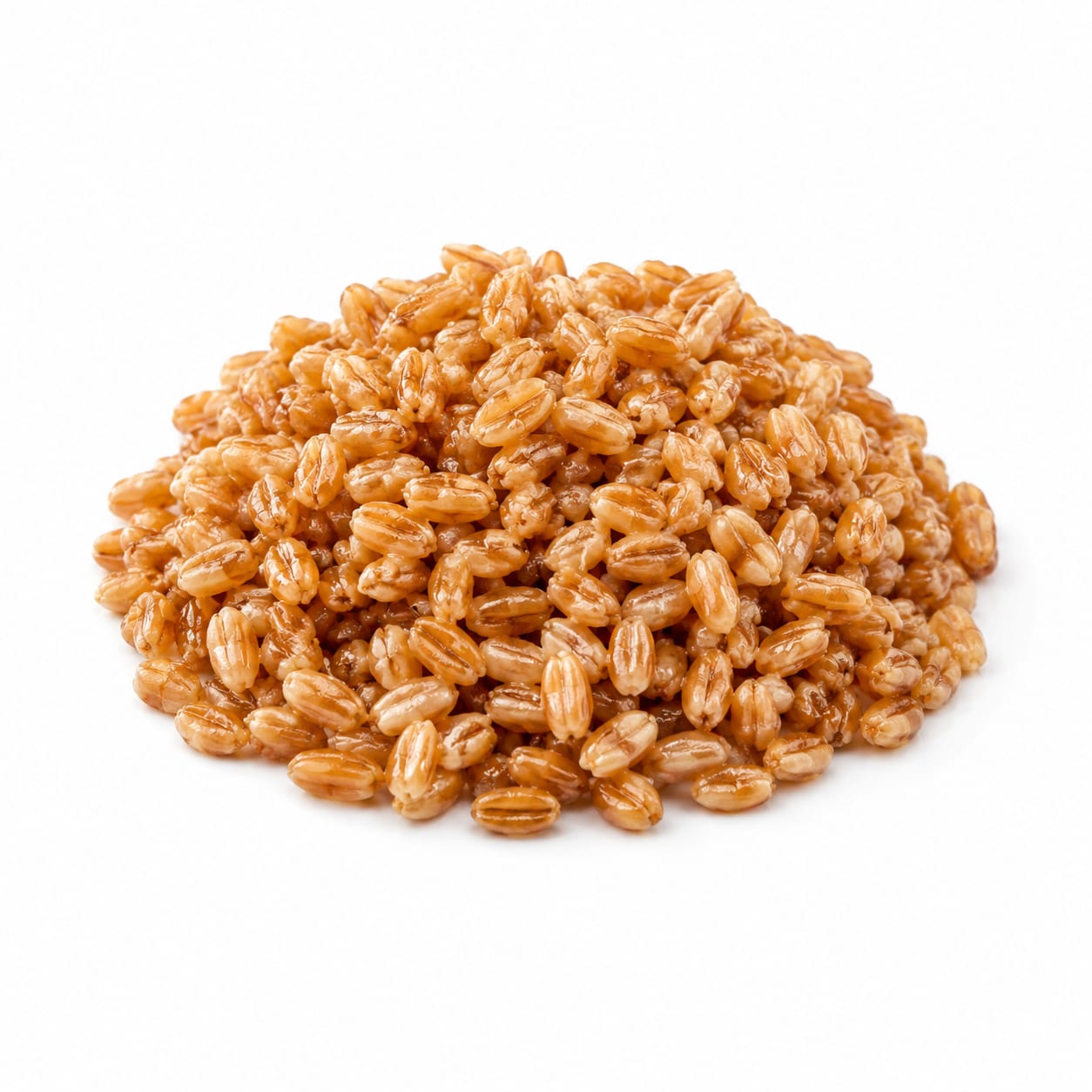
Farro
Farro delivers more protein and easier everyday eating, but Job's Tears wins for gluten-free diets and anti-inflammatory needs.
Farro scores higher overall due to superior protein, fiber, and everyday practicality. Job's Tears remains competitive because of its gluten-free status and unique anti-inflammatory properties, which matter enormously for the right person.
Protein and convenience versus gluten-free safety and traditional medicinal benefits.
At a glance
Executive summary
Overall
It depends
Healthier
It depends
More practical
Farro
Daily use
Farro
Key comparison lenses
gluten sensitivity digestive tolerance
Job's Tears is naturally gluten-free while Farro contains gluten, making this the single most decisive factor for many consumers
protein and satiety comparison
Farro is notably higher in protein, which significantly affects fullness and meal satisfaction
anti inflammatory and medicinal benefits
Job's Tears has a long history in traditional medicine for reducing inflammation and fluid retention, a unique advantage over most grains
blood sugar management
Both are whole grains but differ in glycemic impact, relevant for diabetes and energy stability
culinary versatility and accessibility
Farro is easier to find and use in Western cooking, while Job's Tears requires more effort to source and prepare
Best choice for
Job's Tears
- Anyone with celiac disease or gluten sensitivity
- People seeking anti-inflammatory or diuretic benefits
- Those following traditional Chinese medicine approaches
- Individuals with edema or fluid retention concerns
Farro
- Active people needing higher protein intake
- Mediterranean diet followers
- Anyone wanting a satisfying, easy-to-cook whole grain
- Those prioritizing muscle maintenance and satiety
Least suitable for
Job's Tears
- People wanting quick-cooking weeknight grains
- Those unfamiliar with Asian grocery shopping
- Anyone needing high protein from grain sources
Farro
- People with celiac disease or wheat allergies
- Those with non-celiac gluten sensitivity
- Anyone following a strict gluten-free diet
Deep comparison
Dimension by dimension
Each lens scores both foods and breaks down who each option suits.
- Dimension 1 · Priority 95Job's Tears
gluten_and_digestive_tolerance
Job's Tears · 95Farro · 25Job's Tears is naturally gluten-free, making it safe for celiac and gluten-sensitive individuals. Farro contains gluten and is unsuitable for those populations.
Tradeoff
You gain digestive safety with Job's Tears but lose the chewy, satisfying texture that gluten provides in Farro.
Why it matters
For roughly 7% of the population with gluten-related issues, this alone determines the choice completely.
Real-world impact
Eating Farro with gluten sensitivity means bloating, brain fog, or worse. Job's Tears lets you enjoy a hearty grain bowl without any of that worry.
Job's Tears
- Celiac disease management
- IBS triggered by gluten
- Gluten-free meal prep
- Reduced digestive discomfort after meals
Better for
- Recipes relying on gluten for structure
Worse for
Farro
- Texture satisfaction in grain dishes
- Binding in recipes like veggie burgers
Better for
- Any meal for gluten-sensitive individuals
- Shared kitchens with cross-contamination concerns
Worse for
- Dimension 2 · Priority 88Farro
protein_content_and_satiety
Job's Tears · 45Farro · 85Farro provides roughly 12g of protein per cooked cup versus about 6g for Job's Tears. That difference keeps you fuller for longer.
Tradeoff
Farro fills you up more effectively, but Job's Tears feels lighter in the stomach if you prefer not feeling heavy after meals.
Why it matters
Protein from grains contributes meaningfully to daily intake, especially in plant-forward diets where every gram counts.
Real-world impact
A Farro lunch bowl keeps you satisfied until dinner. A Job's Tears bowl may leave you reaching for a snack by 3pm.
Job's Tears
- Light meals before exercise
- Hot weather eating when heavy food feels unappealing
Better for
- Muscle-building meal plans
- Long days without snack access
Worse for
Farro
- Post-workout recovery meals
- Plant-based protein goals
- Staying full between meals without snacking
Better for
- Light dinner preferences
- Eating before intense activity
Worse for
- Dimension 3 · Priority 82Job's Tears
anti_inflammatory_and_medicinal_properties
Job's Tears · 88Farro · 55Job's Tears contains coixenolide and other compounds studied for reducing inflammation, fighting tumors, and promoting urination. Farro has general whole-grain benefits but no standout medicinal reputation.
Tradeoff
Job's Tears offers therapeutic potential beyond basic nutrition, but the evidence is largely from traditional use and lab studies rather than large human trials.
Why it matters
For people managing chronic inflammation, skin conditions, or fluid retention, Job's Tears serves as both food and functional remedy.
Real-world impact
Regular Job's Tears consumption may help with joint stiffness, skin breakouts, and puffiness over time. Farro simply nourishes without targeted effects.
Job's Tears
- Chronic inflammation management
- Traditional medicine protocols
- Edema and fluid retention
- Skin health support
Better for
- Evidence-based medicine purists wanting large clinical trials
Worse for
Farro
- General heart health through fiber
- Cholesterol management
Better for
- Targeted anti-inflammatory needs
- Traditional medicine frameworks
Worse for
- Dimension 4 · Priority 78Job's Tears
blood sugar_stability
Job's Tears · 78Farro · 72Both are whole grains with moderate glycemic impact, but Job's Tears has a slightly lower glycemic load and is traditionally used to help regulate blood sugar in East Asian medicine.
Tradeoff
The difference is modest. Farro's higher fiber helps slow absorption, but its higher carbohydrate density slightly offsets that benefit.
Why it matters
For diabetes management or avoiding afternoon energy crashes, small glycemic differences compound over time.
Real-world impact
Job's Tears may give slightly steadier energy without the post-meal dip. Farro is still far better than refined grains in this regard.
Job's Tears
- Diabetes meal planning
- Avoiding energy crashes
- Traditional blood sugar remedies
Better for
- Large portions still raise blood sugar significantly
Worse for
Farro
- Pre-workout energy with sustained release
Better for
- People very sensitive to carbohydrate loads
Worse for
- Dimension 5 · Priority 75Farro
nutrient_density_and_fiber
Job's Tears · 65Farro · 80Farro delivers more fiber, iron, magnesium, and B vitamins per serving. Job's Tears provides decent nutrition but with lower mineral density.
Tradeoff
Farro is the more nutrient-packed choice overall, though Job's Tears offers unique compounds like coixenolide that Farro cannot match.
Why it matters
Daily grain choices contribute significantly to mineral intake, especially iron and magnesium which many people lack.
Real-world impact
Choosing Farro as your staple grain helps close nutrient gaps more effectively. Job's Tears still nourishes but requires more dietary support from other foods.
Job's Tears
- Selenium intake
- Unique phytonutrients
Better for
- Reliance on a single grain for mineral needs
Worse for
Farro
- Iron deficiency prevention
- Magnesium for sleep and muscle recovery
- B vitamin intake for energy
- Fiber for digestive regularity
Better for
- Phytate content may slightly reduce mineral absorption
Worse for
- Dimension 6 · Priority 72Farro
convenience_and_accessibility
Job's Tears · 40Farro · 75Farro is widely available in grocery stores and cooks in 20-30 minutes. Job's Tears often requires Asian grocery shopping and longer preparation with soaking recommended.
Tradeoff
Farro fits easily into Western cooking routines. Job's Tears demands more effort but rewards you with a unique, comforting texture and flavor.
Why it matters
The best grain nutritionally is the one you actually cook and eat regularly. Accessibility directly impacts consistency.
Real-world impact
Farro can be a spontaneous weeknight dinner choice. Job's Tears requires planning ahead and knowing where to shop.
Job's Tears
- Exploring Asian cooking traditions
- Batch cooking on weekends
Better for
- Last-minute meal needs
- Rural areas without Asian markets
Worse for
Farro
- Quick weeknight meals
- Mainstream grocery shopping
- Restaurant and meal prep availability
Better for
- Authentic Asian recipe requirements
Worse for
Timeline
Health impact over time
Short-term
Hours to days
Job's Tears
- Gentle on digestion with no gluten-related bloating
- Mild diuretic effect may reduce puffiness within hours
- Lighter post-meal feeling compared to heavier grains
Farro
- Noticeable fullness and satisfaction after meals
- Possible bloating or discomfort if sensitive to gluten
- Steady energy release over 2-3 hours
Long-term
Months to years
Job's Tears
- Potential reduction in chronic inflammation markers with regular consumption
- Traditional use suggests benefits for skin clarity and joint comfort over months
- May support kidney function through mild diuretic action
Farro
- Improved cardiovascular markers from consistent fiber intake
- Better digestive regularity with daily consumption
- Sustained protein intake supports muscle maintenance with aging
Risk profile
Safety & processing
Both grains are whole, minimally processed foods. Job's Tears is typically sold as a dried whole grain requiring soaking. Farro is available in whole, semi-pearled, and pearled forms, with whole being the least processed and most nutritious.
Job's Tears
Mislabeled or adulterated products
lowWhen purchased from reputable sources, Job's Tears is safe. However, less regulated markets may have quality control issues. Buy from trusted Asian grocers or established brands.
Raw grain contamination
lowLike all dried grains, proper cooking eliminates any concern about bacterial contamination. Always cook thoroughly.
Farro
Gluten exposure for sensitive individuals
highFarro is a wheat species and contains gluten. For those with celiac disease, even trace exposure causes intestinal damage. Cross-contamination in shared kitchens is a real concern.
Pesticide residue on conventionally grown farro
mediumWheat crops are often treated with pesticides. Choosing organic farro reduces this exposure significantly.
Who wins for whom
Audience fit
Same foods, different winners depending on your goal.
children
FarroFarro's familiar nutty flavor and chewy texture appeal more to kids. Its higher protein and iron content also support growing bodies. Job's Tears may seem unfamiliar and less appealing to picky eaters.
daily consumption
FarroFarro's broader availability, easier cooking, and higher nutrient density make it more sustainable as an everyday staple. Job's Tears works better as a rotational grain rather than a daily default.
diabetes
Job's TearsJob's Tears has a slightly lower glycemic impact and traditional blood sugar-regulating use. Both are reasonable choices, but Job's Tears offers a marginal advantage for glucose management.
elderly
It dependsFarro supports muscle maintenance and bone health through protein and minerals. Job's Tears eases digestion and may help with joint inflammation. The winner depends on whether gluten tolerance or anti-inflammatory benefits matter more.
muscle gain
FarroWith roughly double the protein per serving, Farro better supports muscle repair and growth. Job's Tears would need significant protein pairing from other sources.
weight loss
FarroFarro's higher protein and fiber create stronger satiety signals, making it easier to eat less overall. Job's Tears is lower in calories per serving but less filling.
Your move
Decision guide
Choose Job's Tears
- You have celiac disease, wheat allergy, or gluten sensitivity
- You want anti-inflammatory benefits beyond basic nutrition
- You struggle with fluid retention or puffiness
- You enjoy Asian cooking and want an authentic ingredient
- You prefer lighter meals that do not sit heavy in your stomach
Choose Farro
- You tolerate gluten well and want maximum protein from grains
- You follow a Mediterranean diet pattern
- You need a satisfying grain that keeps you full for hours
- You want something easy to find at any grocery store
- You are building muscle or recovering from intense training
Either works if
- You simply want a whole grain instead of refined grains
- You are rotating grains for dietary diversity
- You are making grain bowls with plenty of vegetables and protein toppings
Avoid both if
- You are on a strict low-carb or ketogenic diet
- You have a grain allergy beyond gluten
- You are severely restricting calories and need lower-carb food sources
Final recommendation
Keep both in your pantry if possible. Use Farro as your everyday grain for protein and satisfaction. Rotate in Job's Tears when you want anti-inflammatory benefits, need a gluten-free option, or crave something lighter. Diversity in whole grains always beats relying on just one.
Practical
Consumer tips
- 1
Soak Job's Tears for at least 2 hours or overnight to reduce cooking time and improve digestibility
- 2
Choose whole farro over pearled farro to get maximum fiber and nutrient content
- 3
Buy Job's Tears from Asian grocery stores or online specialty retailers for better quality and price
- 4
Cook a large batch of either grain on Sunday and use it in bowls, salads, and soups throughout the week
- 5
If new to Job's Tears, start with a simple soup recipe alongside red beans, a classic comforting combination
- 6
Toast Farro in a dry pan for 3 minutes before cooking to enhance its naturally nutty flavor
- 7
Store both grains in airtight containers in a cool, dark place for up to 6 months