
Nutrition comparison
Job's Tears vs Oats: Which Grain is Healthier for You?
Compare Job's Tears and Oats for weight loss, cholesterol, and gluten-free safety. Discover which whole grain fits your health goals and daily routine best.
Overall winner · Oats

Job's Tears
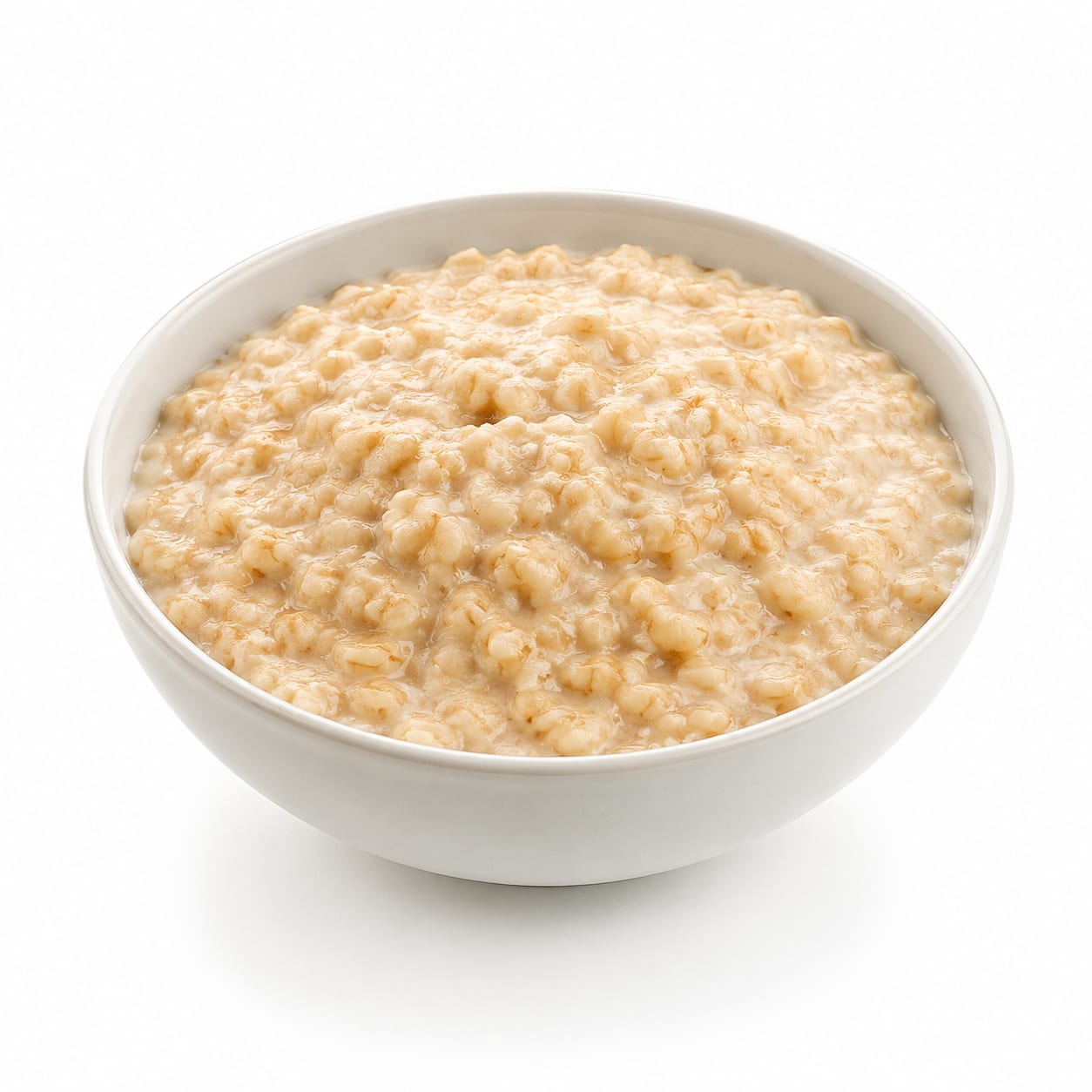
Oats
Oats win for daily convenience and heart health, but Job's Tears are the better choice for gluten-sensitive individuals and fighting water retention.
Oats score higher due to unmatched convenience, superior cholesterol-lowering fiber, and broader everyday appeal. Job's Tears remain highly valuable but are held back by demanding prep times and lower accessibility.
Oats offer quick cooking and proven cholesterol benefits, while Job's Tears demand longer prep but deliver unique anti-inflammatory and diuretic perks.
At a glance
Executive summary
Overall
Oats
Healthier
It depends
More practical
Oats
Daily use
Oats
Key comparison lenses
Heart health and cholesterol management
Oats are famously cardioprotective, making this the most critical health differentiator
Convenience and everyday practicality
Oats cook in minutes while Job's Tears require soaking and long boiling, heavily impacting daily routines
Gluten-free safety
Job's Tears are naturally gluten-free, whereas oats carry high cross-contamination risks
Traditional anti-inflammatory and diuretic benefits
Job's Tears are prized in Eastern medicine for reducing water retention and joint inflammation
Best choice for
Job's Tears
- People with celiac disease or severe gluten intolerance
- Those struggling with water retention and bloating
- Individuals seeking traditional anti-inflammatory remedies
- Adventurous eaters exploring Asian whole grains
Oats
- People focused on lowering cholesterol naturally
- Anyone needing a quick, filling breakfast on busy mornings
- Those wanting maximum soluble fiber for gut health
- Individuals looking for easy, sustained morning energy
Least suitable for
Job's Tears
- People who need a quick 5-minute breakfast
- Anyone unfamiliar with soaking and long boiling grains
- Those looking for a mild, familiar flavor for picky eaters
Oats
- People with severe celiac disease worried about cross-contamination
- Those trying to reduce water retention or bloating
Deep comparison
Dimension by dimension
Each lens scores both foods and breaks down who each option suits.
- Dimension 1 · Priority 95Oats
Heart Health & Cholesterol
Job's Tears · 70Oats · 95Oats are a powerhouse for cardiovascular health, while Job's Tears offer general benefits but lack the targeted cholesterol-lowering effect.
Tradeoff
Choosing Job's Tears means missing out on the potent beta-glucan fiber that actively sweeps cholesterol from the bloodstream.
Why it matters
Heart disease is a leading health concern, and daily oat consumption is one of the most proven dietary interventions.
Real-world impact
Eating Oats regularly can visibly improve bloodwork over months; Job's Tears will support general wellness but won't move the cholesterol needle as dramatically.
Job's Tears
- People whose primary heart concern is inflammation rather than cholesterol
Better for
- Those specifically instructed by a doctor to lower LDL cholesterol through diet
Worse for
Oats
- Anyone with a family history of high cholesterol
- People wanting a proven daily heart-protective habit
Better for
- People whose heart health strategy focuses purely on reducing systemic inflammation
Worse for
- Dimension 2 · Priority 90Oats
Convenience & Accessibility
Job's Tears · 40Oats · 92Oats are a pantry staple ready in minutes, whereas Job's Tears require planning, soaking, and lengthy cooking.
Tradeoff
Job's Tears demand significantly more kitchen time, making them harder to stick with on hectic mornings.
Why it matters
If a healthy food is hard to prep, people simply won't eat it. Consistency beats perfection.
Real-world impact
You can make Oats in the microwave in 3 minutes before work. Job's Tears require soaking overnight and 45+ minutes of boiling.
Job's Tears
- Weekend meal prep when time is not a constraint
- Slow-cooker or soup recipes
Better for
- Anyone who relies on quick 10-minute breakfasts
Worse for
Oats
- Rushed weekday mornings
- Last-minute meal decisions
Better for
- Those who enjoy deliberate, slow cooking rituals
Worse for
- Dimension 3 · Priority 85Job's Tears
Gluten-Free Safety
Job's Tears · 98Oats · 55Job's Tears are naturally gluten-free, while Oats are frequently cross-contaminated with wheat during farming and processing.
Tradeoff
If you have celiac disease, Oats require sourcing certified gluten-free versions, whereas Job's Tears are inherently safe.
Why it matters
Even trace gluten can trigger severe reactions in sensitive individuals, making grain choices critical.
Real-world impact
You can eat Job's Tears without worrying about hidden gluten, but standard Oats might cause unexpected digestive distress for celiacs.
Job's Tears
- People with celiac disease
- Those with severe non-celiac gluten sensitivity
Better for
- Those who do not need to avoid gluten and prioritize faster cooking
Worse for
Oats
- People without any gluten sensitivity who prioritize other nutritional factors
Better for
- Anyone who cannot verify the gluten-free certification of their Oats
Worse for
- Dimension 4 · Priority 75Job's Tears
Anti-Inflammatory & Diuretic Effects
Job's Tears · 90Oats · 60Job's Tears have a long history in traditional medicine for reducing water retention and joint inflammation, outperforming Oats here.
Tradeoff
You gain traditional medicinal benefits with Job's Tears but lose the modern cardiovascular backing of Oats.
Why it matters
For people dealing with bloating, edema, or achy joints, a diuretic grain can offer real daily comfort.
Real-world impact
Eating Job's Tears regularly can help you feel less puffy and swollen, especially on humid days or after salty meals.
Job's Tears
- Women experiencing cyclic water retention
- People with inflammatory joint discomfort
Better for
- People who are already overly dehydrated
Worse for
Oats
- Those whose inflammation is diet-related and improved by lowering cholesterol
Better for
- Individuals looking for natural ways to reduce swelling and bloating
Worse for
- Dimension 5 · Priority 80Oats
Satiety & Blood Sugar Control
Job's Tears · 75Oats · 88Oats keep you fuller for longer and stabilize blood sugar more effectively due to their unique soluble fiber profile.
Tradeoff
Job's Tears are filling but lack the viscous gel-forming fiber that makes Oats a superstar for appetite control.
Why it matters
Staying full until lunch prevents mid-morning crashes and unhealthy snacking.
Real-world impact
A bowl of Oats at 8 AM often easily carries you to noon. Job's Tears might leave you hunting for a snack by 10:30 AM.
Job's Tears
- Those who prefer lighter meals that do not feel heavy in the stomach
Better for
- Individuals prone to mid-morning energy dips
Worse for
Oats
- People trying to lose weight by controlling appetite
- Those needing steady energy for long work shifts
Better for
- People who dislike the thick, sticky texture of cooked Oats
Worse for
Timeline
Health impact over time
Short-term
Hours to days
Job's Tears
- Noticeable reduction in bloating and water weight
- A lighter, less heavy feeling in the stomach after eating
Oats
- Immediate feeling of fullness that curbs snacking
- Steady, jitter-free energy lasting through the morning
Long-term
Months to years
Job's Tears
- Potential reduction in systemic inflammation and joint stiffness
- Improved comfort for those prone to fluid retention
Oats
- Significant reduction in LDL cholesterol levels
- Improved insulin sensitivity and blood sugar regulation
Risk profile
Safety & processing
Both Job's Tears and Oats are whole grains that are minimally processed in their raw form. However, flavored instant oat packets can be ultra-processed and loaded with sugar, so plain rolled or steel-cut Oats are the fairest comparison.
Job's Tears
Digestive discomfort from undercooking
lowJob's Tears are very hard and can be tough to digest if not soaked and cooked thoroughly.
Oats
Gluten cross-contamination
highStandard Oats are frequently grown and processed alongside wheat, making them unsafe for those with celiac disease unless certified gluten-free.
Who wins for whom
Audience fit
Same foods, different winners depending on your goal.
children
OatsOats cook into a soft, familiar porridge that kids accept easily, unlike the chewier, nuttier Job's Tears.
daily consumption
OatsThe quick prep time and mild flavor make Oats a much easier habit to maintain every single day.
diabetes
OatsThe beta-glucan in Oats forms a gel that slows sugar absorption, providing a more proven blood sugar stabilizer.
elderly
OatsOats are easier to chew, gentler on the digestive tract, and offer critical cholesterol management for aging hearts.
muscle gain
OatsOats are slightly higher in protein and are much easier to consume in large quantities as a calorie-dense fuel.
weight loss
OatsOats provide superior satiety, making it easier to eat less throughout the rest of the day.
Your move
Decision guide
Choose Job's Tears
- You have celiac disease or severe gluten sensitivity
- You struggle with water retention, bloating, or puffiness
- You enjoy traditional Asian soups and slow-cooked grains
- You want to add variety to your whole grain rotation
Choose Oats
- You need a fast, reliable breakfast before work
- You are actively trying to lower your cholesterol
- You want a grain that keeps you full for hours
- You are meal-prepping for muscle gain or weight loss
Either works if
- You simply want a warm, comforting whole-grain bowl
- You are looking to increase your daily fiber intake
- You want a healthy base for fruits, nuts, and seeds
Avoid both if
- You are strictly limiting carbohydrates for a keto diet
- You have a severe grain intolerance that extends beyond gluten
Final recommendation
Keep Oats as your daily driver for heart health, satiety, and convenience. Rotate in Job's Tears a few times a week—especially in soups or during hot, humid months—to take advantage of their unique diuretic and anti-inflammatory benefits without sacrificing the practicality of your routine.
Practical
Consumer tips
- 1
Always buy certified gluten-free Oats if you have any gluten sensitivity, as standard Oats are high-risk for cross-contamination.
- 2
Soak Job's Tears overnight to cut down cooking time and make them much easier to digest.
- 3
Use Job's Tears in savory bone broths or congees instead of just sweet porridges to reduce added sugar intake.
- 4
Add a pinch of salt and cinnamon to Oats while cooking to enhance natural sweetness without needing syrup or sugar.