
Nutrition comparison
Job's Tears vs Brown Rice: Which Grain Is Healthier?
Compare Job's Tears and brown rice for blood sugar control, arsenic risk, anti-inflammatory benefits, and everyday practicality. Find out which grain fits your health goals.

Job's Tears
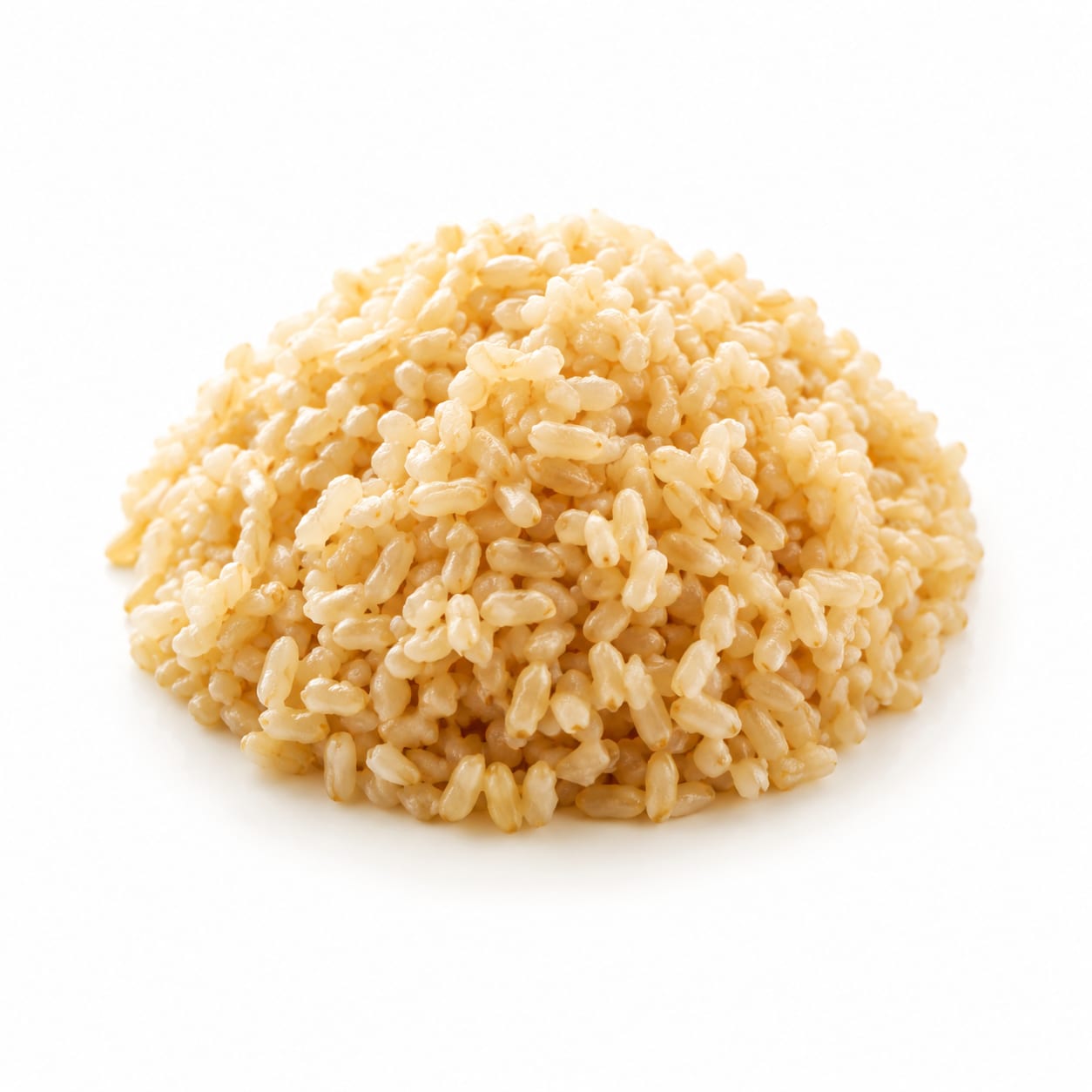
Brown Rice
Job's Tears offers superior blood sugar control, anti-inflammatory benefits, and lower arsenic risk, but brown rice wins on availability, cost, and familiarity.
Job's Tears scores higher on health metrics including blood sugar stability, anti-inflammatory compounds, and lower contamination risk. Brown rice scores higher on practicality, cost, and culinary versatility. The gap reflects Job's Tears' medicinal edge versus brown rice's everyday usability.
Medicinal benefits and safety versus convenience and everyday practicality.
At a glance
Executive summary
Overall
It depends
Healthier
Job's Tears
More practical
Brown Rice
Daily use
Brown Rice
Key comparison lenses
blood sugar management
Both are whole grains with different glycemic impacts, a primary concern for users choosing between staple grains
anti-inflammatory and medicinal benefits
Job's Tears is renowned in Traditional Chinese Medicine for anti-inflammatory properties, making this a key differentiator
safety and contamination concerns
Brown rice has well-documented arsenic accumulation issues, while Job's Tears offers a safer alternative
everyday practicality and availability
Brown rice is a pantry staple everywhere; Job's Tears requires specialty stores or online ordering
weight management and satiety
Both grains serve as carb bases, but their fillingness and calorie density affect portion control
Best choice for
Job's Tears
- People managing diabetes or insulin resistance
- Those concerned about arsenic exposure from rice
- Anyone seeking anti-inflammatory grain options
- People following Traditional Chinese Medicine dietary principles
- Individuals with edema or water retention issues
Brown Rice
- Families needing an affordable everyday staple
- Athletes requiring familiar carb sources
- People with limited access to specialty grains
- Anyone meal-prepping on a budget
- Those who want versatile grain for diverse cuisines
Least suitable for
Job's Tears
- People who need immediate availability at any grocery store
- Those on very tight food budgets
- Anyone unfamiliar with cooking specialty grains
- People who dislike chewy or unusual textures
Brown Rice
- People with high arsenic sensitivity or concern
- Those needing strict blood sugar control
- Individuals with severe grain allergies who need alternatives
- People seeking maximum anti-inflammatory dietary impact
Deep comparison
Dimension by dimension
Each lens scores both foods and breaks down who each option suits.
- Dimension 1 · Priority 92Job's Tears
blood sugar stability
Job's Tears · 82Brown Rice · 64Job's Tears has a notably lower glycemic index and causes steadier blood sugar responses than brown rice.
Tradeoff
You get more stable energy with Job's Tears but sacrifice the familiar taste and texture of rice-based meals.
Why it matters
Steadier blood sugar means fewer afternoon energy crashes and less craving-driven snacking.
Real-world impact
A Job's Tears bowl at lunch keeps you satisfied longer without the sleepy dip that brown rice can trigger in sensitive people.
Job's Tears
- Diabetics and pre-diabetics
- People who experience energy crashes after carb-heavy meals
- Those tracking continuous glucose monitors
Better for
- Endurance athletes needing quick carb availability
Worse for
Brown Rice
- Athletes who need faster post-workout glycogen replenishment
- People with high caloric needs who tolerate carbs well
Better for
- Insulin-resistant individuals
- People prone to reactive hypoglycemia
Worse for
- Dimension 2 · Priority 88Job's Tears
anti-inflammatory and medicinal properties
Job's Tears · 89Brown Rice · 52Job's Tears contains unique compounds like coixenolide with documented anti-inflammatory and potential anti-tumor effects.
Tradeoff
Medicinal benefits come with a less familiar taste profile and longer cooking times.
Why it matters
Chronic inflammation drives most modern diseases; choosing anti-inflammatory grains is a low-effort daily intervention.
Real-world impact
Regular Job's Tears consumption may reduce joint stiffness and bloating over weeks, especially for people with inflammatory conditions.
Job's Tears
- People with arthritis or joint inflammation
- Those following anti-inflammatory dietary protocols
- Individuals with autoimmune conditions seeking gentle dietary support
Better for
- People expecting immediate medicinal results
Worse for
Brown Rice
- Healthy individuals with no inflammation concerns who prioritize taste familiarity
Better for
- Anyone actively managing chronic inflammation through diet
Worse for
- Dimension 3 · Priority 85Job's Tears
contamination and safety
Job's Tears · 88Brown Rice · 55Brown rice accumulates significantly more arsenic than most other grains; Job's Tears carries minimal arsenic risk.
Tradeoff
Choosing Job's Tears avoids arsenic exposure but limits your grain rotation to a less available option.
Why it matters
Long-term arsenic exposure from daily brown rice consumption is linked to increased cancer and cardiovascular risk.
Real-world impact
If brown rice is your daily staple, you may be accumulating arsenic over years. Swapping to Job's Tears a few times per week meaningfully reduces this load.
Job's Tears
- Families with young children
- Pregnant women
- People who eat grain-based meals daily
Better for
- People with very limited grain options who need variety
Worse for
Brown Rice
- Occasional rice eaters with low overall arsenic exposure
Better for
- Daily rice consumers
- Children and pregnant women
Worse for
- Dimension 4 · Priority 78Brown Rice
practicality and availability
Job's Tears · 38Brown Rice · 92Brown rice is available everywhere and costs less; Job's Tears requires specialty stores or online ordering.
Tradeoff
Convenience and cost favor brown rice, but you miss the health advantages of Job's Tears.
Why it matters
The healthiest grain only works if you can actually buy and cook it regularly.
Real-world impact
You can find brown rice at any corner store. Job's Tears might require a trip to an Asian market or a planned online order.
Job's Tears
- Urban dwellers near Asian grocery stores
- Organized meal planners who buy in bulk online
Better for
- Impulse shoppers
- People in food deserts
Worse for
Brown Rice
- Rural shoppers with limited store access
- Anyone who grabs groceries on the way home from work
- Budget-conscious families
Better for
- Those willing to plan ahead for better health outcomes
Worse for
- Dimension 5 · Priority 75Job's Tears
satiety and weight management
Job's Tears · 78Brown Rice · 68Job's Tears is slightly more filling per calorie due to its unique fiber composition and protein content.
Tradeoff
The satiety advantage is modest and may not justify the extra effort for everyone.
Why it matters
Feeling full on fewer calories makes weight management sustainable without counting.
Real-world impact
A Job's Tears porridge at breakfast may keep you full until lunch, while brown rice might leave you snacking by mid-morning.
Job's Tears
- People trying to lose weight without feeling deprived
- Those who struggle with between-meal hunger
Better for
- People who find unfamiliar grains unsatisfying emotionally
Worse for
Brown Rice
- Active individuals who need satisfying but not overly heavy meals
Better for
- Grazers and emotional eaters needing maximum fullness per bite
Worse for
- Dimension 6 · Priority 72Job's Tears
nutrient density
Job's Tears · 76Brown Rice · 70Job's Tears offers more protein and certain minerals like calcium and iron; brown rice provides more manganese and selenium.
Tradeoff
Neither grain is a nutritional powerhouse alone; both need pairing with vegetables and proteins.
Why it matters
Small nutrient advantages compound over years of daily consumption.
Real-world impact
Job's Tears contributes slightly more toward daily iron and protein needs, which matters for vegetarians and vegans.
Job's Tears
- Vegetarians and vegans needing plant iron sources
- People with higher protein requirements
Better for
- People expecting dramatic nutritional differences
Worse for
Brown Rice
- Those who get selenium from other sources and value manganese for bone health
Better for
- Individuals relying heavily on grains for iron intake
Worse for
Timeline
Health impact over time
Short-term
Hours to days
Job's Tears
- Mild diuretic effect may reduce bloating and water retention
- Steadier energy without sugar spikes and crashes
- Slightly longer digestion time provides sustained fullness
Brown Rice
- Familiar energy boost that may include a mild post-meal dip
- Comforting and emotionally satisfying for rice-eating cultures
- Faster digestion may leave you hungry sooner
Long-term
Months to years
Job's Tears
- Lower cumulative arsenic exposure compared to regular rice consumption
- Anti-inflammatory compounds may reduce chronic disease risk over years
- Better blood sugar patterns may protect against metabolic syndrome
- Traditional use suggests benefits for skin health and fluid balance
Brown Rice
- Consistent fiber intake supports digestive regularity
- Daily arsenic exposure accumulates, especially problematic for children
- Familiar staple makes healthy eating patterns easier to sustain
- Whole grain consumption linked to lower cardiovascular risk
Risk profile
Safety & processing
Both grains are minimally processed whole foods with no artificial additives. Job's Tears is typically sold as a hulled whole grain, similar to brown rice. Neither raises ultra-processing concerns.
Job's Tears
Mild anti-nutrient content
lowLike most whole grains, Job's Tears contains phytic acid that can reduce mineral absorption. Soaking before cooking minimizes this.
Pregnancy caution in medicinal doses
mediumTraditional Chinese Medicine advises against large medicinal doses of Job's Tears during early pregnancy due to potential uterine stimulation. Normal culinary amounts are generally considered safe.
Brown Rice
Arsenic accumulation
highBrown rice accumulates inorganic arsenic from soil and water more than most grains. Regular daily consumption significantly increases lifetime arsenic exposure, linked to cancer and heart disease risk.
Phytic acid reducing mineral absorption
lowBrown rice contains phytic acid that binds iron, zinc, and calcium. Soaking or sprouting reduces this effect meaningfully.
Who wins for whom
Audience fit
Same foods, different winners depending on your goal.
children
Job's TearsLower arsenic exposure is especially important for children's developing bodies, though the unfamiliar taste may require creative preparation.
daily consumption
Brown RiceBrown rice's availability, affordability, and culinary familiarity make it more sustainable as a daily staple for most people.
diabetes
Job's TearsLower glycemic index and slower glucose release make Job's Tears significantly better for blood sugar management.
elderly
It dependsJob's Tears supports joint health and reduces inflammation common in aging, but brown rice's softness and familiarity may be more practical for elderly with digestive sensitivities or lifelong rice-eating habits.
muscle gain
Brown RiceBrown rice offers faster-digesting carbs that are more practical post-workout, and its familiarity makes it easier to eat in the larger quantities needed for bulking.
weight loss
Job's TearsJob's Tears provides more satiety per calorie and has a lower glycemic impact, reducing insulin-driven fat storage signals.
Your move
Decision guide
Choose Job's Tears
- You have diabetes, insulin resistance, or metabolic syndrome
- Arsenic exposure concerns you, especially for children
- You want anti-inflammatory benefits from your daily grain
- You experience bloating or water retention
- You have access to Asian grocery stores or are comfortable ordering online
Choose Brown Rice
- You need an affordable, available everyday grain
- You cook for a family that expects familiar flavors
- You eat rice only occasionally, making arsenic risk minimal
- You prioritize post-workout carb replenishment
- You want maximum recipe versatility across cuisines
Either works if
- You are generally healthy and eat a varied diet
- You rotate grains regularly rather than eating one daily
- You pair grains with plenty of vegetables and lean proteins
Avoid both if
- You have a severe grain allergy or sensitivity
- You are strictly limiting carbohydrates for ketosis
- You have difficulty digesting whole grains due to acute GI conditions
Final recommendation
Use both strategically. Make Job's Tears your primary grain when blood sugar control and anti-inflammatory benefits matter most, such as breakfast porridge or lunch bowls. Keep brown rice for times when convenience, cost, and familiarity win, like family dinners or post-workout meals. Rotating between them gives you the health advantages of Job's Tears while limiting arsenic exposure from brown rice, all without feeling deprived of either.
Practical
Consumer tips
- 1
Soak Job's Tears for 2-4 hours before cooking to reduce cooking time and improve digestibility
- 2
Rinse brown rice thoroughly and cook with extra water (6:1 ratio), then drain to reduce arsenic by up to 50%
- 3
Try Job's Tears as a warm breakfast porridge with ginger and honey — its most approachable preparation
- 4
Mix Job's Tears with brown rice at a 1:1 ratio for a compromise that balances health benefits and familiarity
- 5
Buy Job's Tears from Asian grocery stores where it is fresher and cheaper than online options
- 6
If switching from brown rice, start by substituting Job's Tears in soups where its chewy texture blends naturally
- 7
Avoid eating brown rice at every meal; variety in grains is the simplest way to reduce arsenic exposure