
Nutrition comparison
Job's Tears vs Sorghum: Which Ancient Grain Is Better for You?
Compare Job's Tears and Sorghum nutrition, health benefits, and practical uses. Discover which gluten-free grain suits your health goals best.

Job's Tears
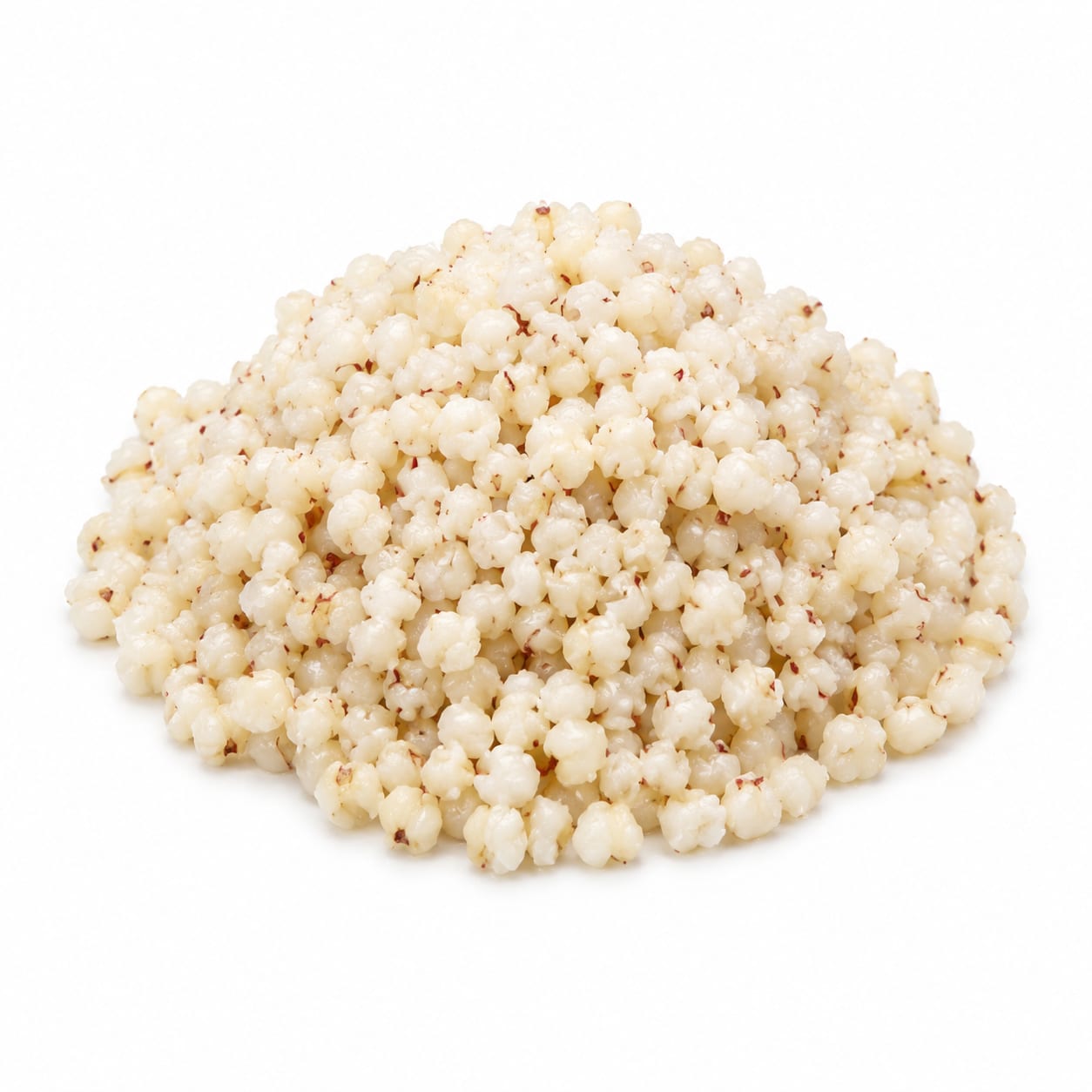
Sorghum
Sorghum wins on nutrition and everyday practicality, but Job's Tears offers unique anti-inflammatory and diuretic benefits you won't find elsewhere
Sorghum scores higher due to superior protein, antioxidant content, and real-world availability. Job's Tears remains valuable for its unique medicinal properties, but its niche status and harder sourcing lower its practical score
Sorghum delivers more protein, antioxidants, and cooking flexibility, while Job's Tears provides traditional medicinal effects like reducing water retention and soothing inflammation
At a glance
Executive summary
Overall
It depends
Healthier
It depends
More practical
Sorghum
Daily use
Sorghum
Key comparison lenses
blood sugar management
Both are ancient gluten-free grains often chosen by people managing diabetes or metabolic syndrome, making glycemic impact the top concern
anti-inflammatory and medicinal value
Job's Tears has deep roots in traditional medicine for reducing inflammation and fluid retention, which sets it apart from most grains
antioxidant density
Sorghum is uniquely rich in tannins and anthocyanins, especially darker varieties, making antioxidant capacity a key differentiator
digestive comfort and gut health
Both grains are promoted as gentle on digestion, but their fiber profiles and traditional uses differ significantly
practical availability and cooking versatility
Sorghum is more commercially available and versatile in Western kitchens, while Job's Tears requires specialty sourcing
Best choice for
Job's Tears
- People managing inflammatory conditions or joint pain
- Those experiencing edema or water retention
- Anyone seeking a gentle, cooling grain in traditional medicine frameworks
- People with sensitive digestion who find other grains irritating
Sorghum
- Athletes and active individuals needing more protein
- Anyone wanting a versatile gluten-free flour alternative
- People focused on antioxidant intake and cellular protection
- Budget-conscious shoppers needing widely available whole grains
Least suitable for
Job's Tears
- People who need quick-cooking weeknight grains
- Those unfamiliar with Asian grocery shopping
- Anyone wanting a neutral-tasting grain that disappears into dishes
Sorghum
- People taking iron supplements who need to watch tannin intake
- Those with severe digestive sensitivity to high-fiber grains
- Anyone seeking specific diuretic or anti-inflammatory medicinal effects
Deep comparison
Dimension by dimension
Each lens scores both foods and breaks down who each option suits.
- Dimension 1 · Priority 92Job's Tears
blood sugar stability
Job's Tears · 82Sorghum · 74Job's Tears has a lower glycemic index and is traditionally used to support blood sugar control, giving it an edge for steady energy
Tradeoff
Sorghum still beats most refined grains, but its slightly higher GI means energy dips are more likely than with Job's Tears
Why it matters
Stable blood sugar means fewer afternoon crashes, less cravings, and more sustained focus throughout the day
Real-world impact
A Job's Tears porridge breakfast keeps you fuller and more even-keeled until lunch compared to sorghum porridge
Job's Tears
- Diabetics seeking post-meal glucose control
- People prone to energy crashes after carb-heavy meals
Better for
- Situations requiring quick energy replenishment after intense activity
Worse for
Sorghum
- Active individuals who need faster carbohydrate availability for exercise
Better for
- Late-night meals where blood sugar spikes disrupt sleep
Worse for
- Dimension 2 · Priority 88Job's Tears
anti-inflammatory and medicinal value
Job's Tears · 88Sorghum · 65Job's Tears contains coixenolide and unique compounds with documented anti-inflammatory and diuretic effects used for centuries in East Asian medicine
Tradeoff
Sorghum has general antioxidant benefits but lacks the specific medicinal reputation and bioactive compounds that make Job's Tears therapeutic
Why it matters
Chronic inflammation drives joint pain, fatigue, and disease progression. A food that actively reduces inflammation is more than just fuel
Real-world impact
Regular Job's Tears consumption may noticeably reduce bloating and joint stiffness over weeks, something sorghum cannot match
Job's Tears
- People with arthritis or chronic joint inflammation
- Women experiencing cyclic water retention and bloating
- Anyone following traditional Chinese medicine protocols
Better for
- Those who dismiss traditional medicine and want only clinical trial evidence
Worse for
Sorghum
- People seeking general cellular protection rather than targeted anti-inflammatory effects
Better for
- Anyone specifically trying to reduce inflammatory markers or fluid retention
Worse for
- Dimension 3 · Priority 85Sorghum
antioxidant density
Job's Tears · 62Sorghum · 86Sorghum, especially black and red varieties, is one of the most antioxidant-rich grains available, with high tannin and anthocyanin content
Tradeoff
Job's Tears has modest antioxidant levels, relying more on specific bioactive compounds than broad-spectrum antioxidant capacity
Why it matters
Antioxidants protect cells from daily damage, support aging well, and reduce long-term disease risk in a measurable way
Real-world impact
Choosing dark sorghum flour for baking gives your body a meaningful dose of protective compounds that most grains simply lack
Job's Tears
- Those who prioritize targeted medicinal compounds over general antioxidant intake
Better for
- Long-term disease prevention strategies relying on high antioxidant intake
Worse for
Sorghum
- People wanting maximum cellular protection from everyday grain choices
- Anyone interested in aging well through diet
- Home bakers seeking nutrient-dense gluten-free flour
Better for
- People sensitive to tannins who experience reduced iron absorption or mild stomach upset
Worse for
- Dimension 4 · Priority 82Sorghum
protein and nutritional completeness
Job's Tears · 66Sorghum · 80Sorghum provides more protein per serving and a broader micronutrient profile including iron, phosphorus, and B vitamins
Tradeoff
Job's Tears offers decent nutrition but falls short on protein density and mineral content compared to sorghum
Why it matters
Higher protein grains keep you fuller longer, support muscle maintenance, and make plant-based meals more satisfying
Real-world impact
A sorghum bowl leaves you more satisfied after exercise than an equivalent Job's Tears portion, making it easier to recover without overeating
Job's Tears
- Light eaters who prefer smaller, less protein-dense meals
Better for
- Anyone relying on grains as a significant protein source
Worse for
Sorghum
- Athletes and physically active people
- Vegetarians and vegans maximizing protein from grain sources
- Growing teenagers with higher protein needs
Better for
- Those who find high-protein meals too heavy before bedtime
Worse for
- Dimension 5 · Priority 80Job's Tears
digestive comfort
Job's Tears · 83Sorghum · 72Job's Tears is traditionally classified as a cooling, gentle grain that soothes the digestive tract and reduces irritation
Tradeoff
Sorghum's higher tannin and fiber content can be harder on sensitive stomachs, especially when first introducing it
Why it matters
A grain that sits well in your stomach is one you will actually eat regularly, which matters more than marginal nutritional differences
Real-world impact
If you have a sensitive gut, Job's Tears porridge feels comforting and light, while sorghum may feel heavy or cause mild bloating initially
Job's Tears
- People with IBS or sensitive digestion
- Those recovering from illness who need gentle nourishment
- Anyone who feels heavy or bloated after eating whole grains
Better for
- Those who need maximum fiber for constipation management
Worse for
Sorghum
- People with robust digestion who benefit from high-fiber intake
Better for
- Anyone introducing whole grains for the first time after a low-fiber diet
Worse for
- Dimension 6 · Priority 75Sorghum
cooking versatility and availability
Job's Tears · 50Sorghum · 85Sorghum is widely available as flour, whole grain, syrup, and pops like popcorn. Job's Tears is harder to find and has fewer cooking applications
Tradeoff
Job's Tears works beautifully in soups and porridge but struggles beyond that, while sorghum adapts to baking, brewing, popping, and more
Why it matters
A grain you can use five ways gets eaten five times more often. Versibility drives consistency, and consistency drives health outcomes
Real-world impact
You can find sorghum flour at most health food stores for pancakes, but Job's Tears requires a trip to an Asian market and only works in specific dishes
Job's Tears
- Home cooks specializing in Asian soups and traditional porridge
- People who enjoy slow-cooked, comforting one-pot meals
Better for
- Weeknight cooking when you need something fast and flexible
- Anyone without access to Asian grocery stores
Worse for
Sorghum
- Gluten-free bakers needing reliable flour
- Families wanting one grain that works across many recipes
- Anyone who values convenience and wide availability
Better for
- Traditional recipe contexts where sorghum's flavor feels out of place
Worse for
Timeline
Health impact over time
Short-term
Hours to days
Job's Tears
- Noticeable reduction in bloating and water retention within days
- Gentle, sustained energy without the crash that follows refined carbs
- May initially seem unfamiliar in texture, requiring recipe adjustment
Sorghum
- Improved satiety after meals due to higher protein and fiber
- Possible mild digestive adjustment period if unaccustomed to tannins
- Versatile enough to replace wheat flour immediately in most recipes
Long-term
Months to years
Job's Tears
- Potential reduction in chronic inflammatory markers with regular consumption
- Better blood sugar management reducing diabetes risk over years
- Sustained diuretic benefit for those prone to fluid retention
Sorghum
- Stronger cellular protection from high antioxidant intake slowing oxidative damage
- Better muscle maintenance with aging due to higher protein content
- Improved iron status supporting energy and immune function long-term
Risk profile
Safety & processing
Both grains are typically sold as whole, minimally processed staples. Sorghum flour and syrup are more processed forms worth watching, but whole grain versions of both are as natural as grains get
Job's Tears
misidentification with ornamental varieties
mediumSome Job's Tears varieties are grown for jewelry and may be treated with chemicals not intended for food. Always buy food-grade sources
contamination in imported products
lowImported Job's Tears may have less consistent quality control than domestically grown grains
Sorghum
tannin interference with mineral absorption
mediumHigh-tannin sorghum varieties can reduce iron and zinc absorption, concerning for those already at risk for deficiencies
pesticide residue in conventionally grown crops
lowSorghum is relatively low-maintenance but conventional farming still uses pesticides. Organic options are widely available
Who wins for whom
Audience fit
Same foods, different winners depending on your goal.
children
SorghumSorghum's mild flavor, higher protein for growth, and versatility in kid-friendly recipes like pancakes and popped snacks make it more practical
daily consumption
SorghumSorghum's availability, versatility, and broader nutrient profile make it easier to eat every day without recipe fatigue
diabetes
Job's TearsLower glycemic index and traditional use for blood sugar management make Job's Tears the safer choice for glucose control
elderly
Job's TearsGentle digestion, anti-inflammatory benefits for aging joints, and blood sugar stability matter more for older adults than protein density
muscle gain
SorghumHigher protein content per serving supports muscle repair and growth more effectively than Job's Tears
weight loss
Job's TearsLower calorie density and stronger diuretic effect help reduce water weight and bloating, making weight loss feel more immediately rewarding
Your move
Decision guide
Choose Job's Tears
- You struggle with inflammation, joint pain, or water retention
- Blood sugar management is your top health priority
- You enjoy Asian-style soups and porridge and want a medicinal grain
- You have sensitive digestion and find most grains irritating
Choose Sorghum
- You want one gluten-free grain that does everything from baking to popping
- Protein intake and muscle maintenance matter to you
- You want maximum antioxidant protection in your daily diet
- Availability and convenience are deciding factors
Either works if
- You are simply seeking a nutritious gluten-free alternative to wheat
- You want to rotate whole grains for dietary diversity
- Both are available and you enjoy experimenting with ancient grains
Avoid both if
- You have a confirmed grain allergy beyond gluten
- You are strictly limiting carbohydrates for ketosis
- You cannot source either grain reliably in your area
Final recommendation
Keep both in your pantry if possible. Use Job's Tears when inflammation or bloating is bothering you, and reach for sorghum when you need a versatile everyday grain that works in any recipe. If you must choose one, sorghum is the more practical daily staple, but Job's Tears is worth the extra effort when your body needs its unique healing properties
Practical
Consumer tips
- 1
Look for food-grade Job's Tears at Asian markets or online, never from craft stores where ornamental varieties are sold
- 2
Soak Job's Tears overnight to reduce cooking time and improve digestibility
- 3
Try popping sorghum like popcorn for a fun, antioxidant-rich snack
- 4
If iron deficiency is a concern, pair sorghum with vitamin C rich foods to counteract tannin absorption interference
- 5
Dark sorghum varieties contain the most antioxidants, so choose red or black over white when available
- 6
Start with small portions of either grain if you are new to high-fiber foods to avoid temporary bloating