
Nutrition comparison
Job's Tears vs Amaranth: Which Ancient Grain Is Better for You?
Compare Job's Tears and Amaranth nutrition, protein, blood sugar impact, and health benefits. Find out which grain suits your diet, from diabetes management to muscle building.

Job's Tears
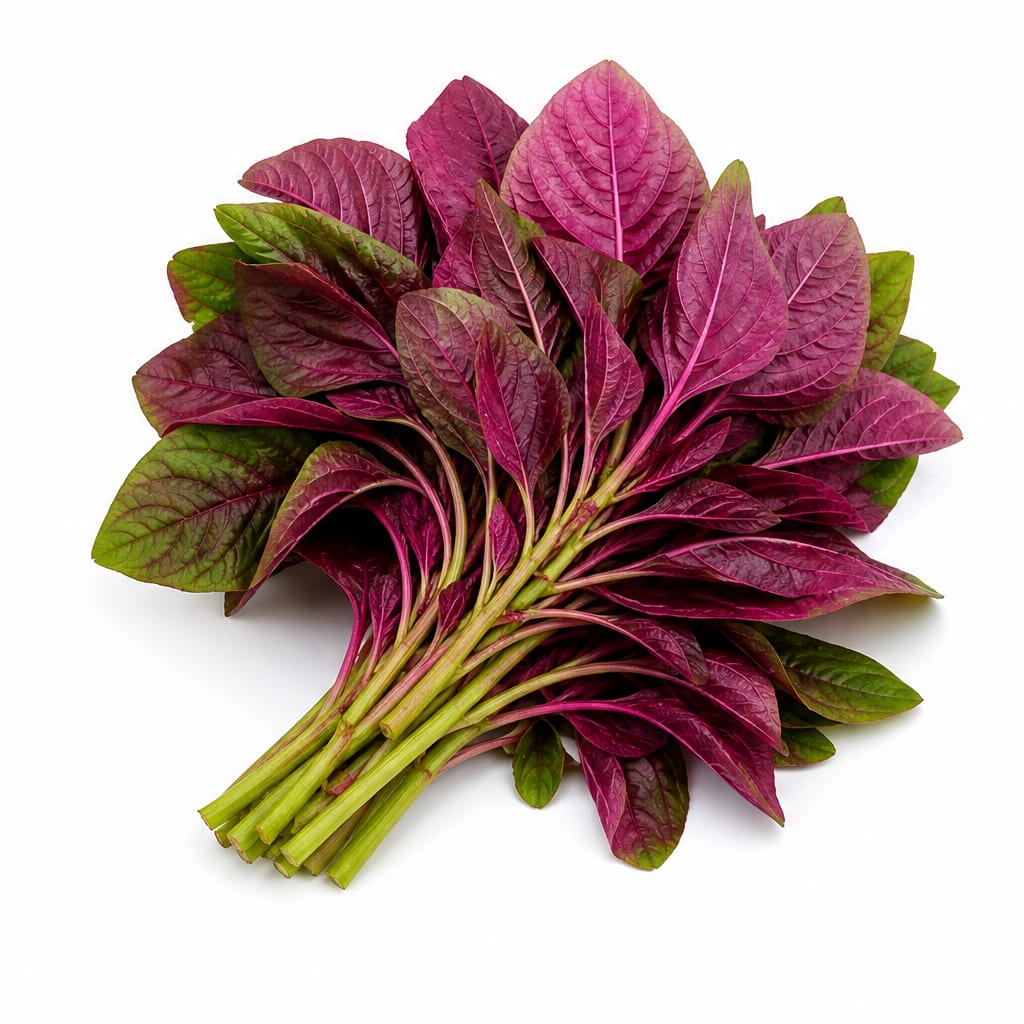
Amaranth
Amaranth wins on protein power and mineral density, while Job's Tears excels at blood sugar control and anti-inflammatory comfort.
Amaranth scores higher overall due to its complete protein, superior mineral content, and cooking versatility. Job's Tears remains competitive for specific therapeutic uses like blood sugar management and inflammation, but offers less nutritional breadth for general daily use.
You trade complete protein and iron richness in Amaranth for steadier blood sugar and soothing digestive properties in Job's Tears.
At a glance
Executive summary
Overall
It depends
Healthier
It depends
More practical
Amaranth
Daily use
It depends
Key comparison lenses
ancient grain nutritional superiority
Both are traditional grains with distinct nutritional profiles; users want to know which delivers more health value per serving
protein quality for plant based diets
Amaranth is renowned as a complete protein while Job's Tears is not; critical for vegetarians and vegans deciding between them
blood sugar and metabolic health
Job's Tears has notable anti-diabetic traditional use and lower glycemic impact, making this a key differentiator
anti inflammatory and medicinal benefits
Job's Tears is deeply rooted in East Asian medicine for inflammation and fluid retention; users may be choosing for therapeutic reasons
cooking versatility and accessibility
Amaranth can be popped, cooked as porridge, or ground into flour; Job's Tears is more limited in preparation methods
Best choice for
Job's Tears
- People managing diabetes or insulin resistance
- Those seeking anti-inflammatory and diuretic benefits
- Anyone wanting a gentle, soothing grain for digestive sensitivity
- Traditional Chinese medicine users treating fluid retention or joint stiffness
Amaranth
- Vegans and vegetarians needing complete protein
- Anyone with iron deficiency or anemia risk
- Active individuals and athletes needing muscle recovery support
- Families wanting a versatile grain that kids enjoy popped like popcorn
Least suitable for
Job's Tears
- Those needing high protein intake from grains alone
- People unfamiliar with Asian grocery shopping who may struggle to find it
- Anyone wanting quick-cooking grain options
Amaranth
- People strictly monitoring calorie intake since it is more calorie-dense
- Those with oxalate sensitivity due to moderate oxalate content
- Anyone who dislikes the earthy, slightly grassy flavor
Deep comparison
Dimension by dimension
Each lens scores both foods and breaks down who each option suits.
- Dimension 1 · Priority 95Amaranth
protein_quality_and_content
Job's Tears · 45Amaranth · 90Amaranth delivers roughly double the protein and contains all nine essential amino acids, making it one of the few plant-based complete proteins.
Tradeoff
Job's Tears provides less protein and is missing adequate lysine, so you would need to pair it with legumes to complete the amino acid profile.
Why it matters
For anyone relying on grains as a primary protein source, this difference determines whether you stay satisfied or need additional protein foods.
Real-world impact
A bowl of Amaranth porridge keeps you fuller longer after breakfast, while Job's Tears porridge may leave you reaching for a snack by mid-morning.
Job's Tears
- Lighter meals where you want less protein load
Better for
- Muscle building phases
- Anyone counting on grain as a main protein source
Worse for
Amaranth
- Post-workout recovery meals
- Vegan breakfast bowls needing protein coverage
- Growing children who need complete amino acids
Better for
- Very low-protein diets prescribed for kidney conditions
Worse for
- Dimension 2 · Priority 88Job's Tears
blood_sugar_stability
Job's Tears · 85Amaranth · 62Job's Tears has a lower glycemic impact and a long history of use in traditional medicine for managing diabetes and metabolic syndrome.
Tradeoff
Amaranth's higher protein comes with more calories and a moderately faster glucose response, which may not suit insulin-resistant individuals.
Why it matters
If you experience afternoon energy crashes or have prediabetes, the grain you choose for lunch can make or break your afternoon.
Real-world impact
Job's Tears at lunch means steadier energy through the 3pm slump; Amaranth may give you a quicker rise and dip if eaten alone.
Job's Tears
- Diabetics and prediabetics
- Afternoon meals where energy stability matters
- Anyone pairing carbs with blood sugar medications
Better for
- Situations requiring quick energy replenishment
Worse for
Amaranth
- Pre-workout meals where some glucose rise fuels performance
Better for
- Late-night eating for blood sugar-sensitive individuals
- Sedentary evenings where excess glucose gets stored as fat
Worse for
- Dimension 3 · Priority 82Amaranth
mineral_density
Job's Tears · 50Amaranth · 88Amaranth is significantly richer in iron, magnesium, phosphorus, and manganese, making it a mineral powerhouse among grains.
Tradeoff
Job's Tears provides decent calcium but falls short on iron and magnesium, which are critical for energy and bone health.
Why it matters
Mineral deficiencies are shockingly common, especially iron for women and magnesium for stressed adults. Your grain choice can meaningfully move the needle.
Real-world impact
Regular Amaranth consumption can help prevent the fatigue and brain fog linked to low iron; Job's Tears alone would not fill that gap.
Job's Tears
- Those specifically seeking calcium from grain sources
Better for
- Iron-deficient individuals relying on food-based iron
Worse for
Amaranth
- Women of reproductive age needing iron
- Anyone under stress depleting magnesium
- Older adults preserving bone density
Better for
- People with hemochromatosis who must limit iron intake
Worse for
- Dimension 4 · Priority 80Job's Tears
anti_inflammatory_and_medicinal_value
Job's Tears · 88Amaranth · 60Job's Tears contains coixenolide and other bioactive compounds with documented anti-inflammatory, anti-tumor, and diuretic properties in research.
Tradeoff
Amaranth offers squalene as an antioxidant but lacks the depth of medicinal evidence that Job's Tears carries from centuries of therapeutic use.
Why it matters
If you are choosing a grain partly as medicine for joint pain, skin inflammation, or fluid retention, this is where Job's Tears truly shines.
Real-world impact
Someone with chronic joint stiffness may notice more improvement from daily Job's Tears tea or soup than from Amaranth, which acts more as general nutrition.
Job's Tears
- Chronic inflammation conditions
- Fluid retention and edema
- Skin conditions like acne when viewed through traditional medicine
- Joint stiffness and arthritis support
Better for
- Situations where protein-based tissue repair is the priority
Worse for
Amaranth
- General antioxidant support from squalene
- Cardiovascular protection through magnesium
Better for
- Targeted anti-inflammatory therapy expectations
Worse for
- Dimension 5 · Priority 75Job's Tears
digestive_tolerance_and_comfort
Job's Tears · 82Amaranth · 65Job's Tears is traditionally considered gentle and soothing for the digestive tract, often recommended for sensitive stomachs and diarrhea in East Asian medicine.
Tradeoff
Amaranth's higher fiber and protein can be harder to digest for some, causing bloating if introduced too quickly.
Why it matters
A grain that causes bloating or discomfort will not be eaten consistently, no matter how nutritious it is on paper.
Real-world impact
If you have a sensitive gut, Job's Tears soup feels comforting and light; Amaranth may require gradual introduction to avoid gas.
Job's Tears
- Sensitive digestion and IBS tendencies
- Recovery from gastrointestinal illness
- Elderly individuals with weaker digestion
Better for
- Situations where higher fiber intake is the digestive goal
Worse for
Amaranth
- Those needing more fiber to address constipation
Better for
- Active IBS flare-ups
- Introduction during gut healing protocols
Worse for
- Dimension 6 · Priority 70Amaranth
cooking_versatility_and_convenience
Job's Tears · 50Amaranth · 82Amaranth can be popped, cooked as porridge, blended into flour, or added to soups, while Job's Tears is mostly limited to soups and porridge.
Tradeoff
Job's Tears requires longer soaking and cooking, and has fewer recipe applications, making it less convenient for busy households.
Why it matters
The best grain nutritionally is the one you actually cook and eat regularly. Versatility drives consistency.
Real-world impact
Amaranth can become breakfast porridge, popped snack, or flour for baking; Job's Tears mostly becomes soup, which limits how often you reach for it.
Job's Tears
- Traditional Asian soup recipes
- Medicinal tea preparations
Better for
- Busy weeknights needing quick preparation
- Anyone wanting baking applications
Worse for
Amaranth
- Families wanting one grain for multiple meals
- Snack preparation like popped amaranth
- Baking with gluten-free flour blends
Better for
- Traditional Asian recipes where Job's Tears is specifically called for
Worse for
Timeline
Health impact over time
Short-term
Hours to days
Job's Tears
- Gentle on the stomach with minimal bloating risk
- Steadier post-meal energy without sugar spikes
- Mild diuretic effect may reduce water retention within hours
Amaranth
- Higher satiety from protein keeps you full for hours
- Moderate blood sugar rise that fuels activity but may crash if eaten alone while sedentary
- Possible gas or bloating if introduced too quickly due to fiber and protein density
Long-term
Months to years
Job's Tears
- Consistent blood sugar management may reduce diabetes risk over years
- Anti-inflammatory compounds may lower chronic disease risk with regular consumption
- Lower protein intake means you must ensure adequate protein from other sources to maintain muscle
Amaranth
- Iron and magnesium richness supports long-term cardiovascular and bone health
- Complete protein helps preserve lean muscle mass as you age
- Phytate content may slightly reduce mineral absorption if not properly prepared through soaking or cooking
Risk profile
Safety & processing
Both grains are typically sold as whole seeds with minimal processing. Neither commonly contains artificial additives, preservatives, or emulsifiers. The main concern is proper preparation through soaking to reduce naturally occurring anti-nutrients like phytates, especially in Amaranth.
Job's Tears
Contamination with mold or aflatoxins during storage
mediumJob's Tears can develop mold if stored in humid conditions. Always inspect for musty smell and buy from reputable sources with good turnover.
Raw consumption without cooking
lowUncooked Job's Tears contain compounds that may cause digestive upset. Always cook thoroughly before eating.
Amaranth
Phytate interference with mineral absorption
lowAmaranth contains phytates that bind iron, zinc, and calcium. Soaking or cooking reduces this significantly and is standard practice.
Oxalate content for susceptible individuals
lowAmaranth contains moderate oxalates. Those with a history of calcium oxalate kidney stones should moderate intake and ensure adequate hydration.
Who wins for whom
Audience fit
Same foods, different winners depending on your goal.
children
AmaranthAmaranth provides complete protein and iron crucial for growth, and can be popped into a fun snack that kids actually enjoy eating.
daily consumption
AmaranthAmaranth's broader nutritional coverage and cooking versatility make it easier to incorporate daily without monotony or nutritional gaps.
diabetes
Job's TearsJob's Tears has a lower glycemic impact and documented traditional use for blood sugar management, making it the safer staple grain choice.
elderly
Job's TearsJob's Tears is gentler on aging digestion, easier to consume as soft soups, and supports joint health through anti-inflammatory properties.
muscle gain
AmaranthAmaranth's complete protein profile and higher protein content directly support muscle repair and growth after training.
weight loss
Job's TearsJob's Tears has lower calorie density and a diuretic effect that reduces water weight, plus steadier blood sugar helps control cravings.
Your move
Decision guide
Choose Job's Tears
- You are managing diabetes, prediabetes, or insulin resistance
- Joint inflammation or fluid retention is a daily concern
- You have a sensitive stomach and need a gentle, comforting grain
- You enjoy traditional Asian soups and want a grain that fits naturally
- You prefer lighter meals that do not sit heavy
Choose Amaranth
- You need plant-based complete protein for muscle maintenance or growth
- Iron deficiency is a concern, especially for women
- You want one versatile grain for porridge, snacks, and baking
- You are feeding children who need nutrient density for development
- You are active and need a grain that supports recovery
Either works if
- You are simply rotating ancient grains for dietary diversity
- You have no specific health condition driving the choice
- You want to alternate between lighter and more substantial grain meals
Avoid both if
- You have a severe grain allergy or sensitivity to seeds
- You are on a very low-carb or ketogenic diet
- You cannot source either grain reliably and consistently
Final recommendation
Keep both in your pantry if possible. Use Job's Tears in evening soups for its soothing, blood sugar-stabilizing comfort, and Amaranth at breakfast or post-workout for its protein and mineral punch. If you must choose one, Amaranth gives you more nutritional coverage for daily life, while Job's Tears is the targeted therapeutic choice for inflammation and metabolic balance.
Practical
Consumer tips
- 1
Soak both grains for at least 4 hours before cooking to reduce anti-nutrients and improve digestibility
- 2
Toast Amaranth seeds dry in a hot pan for 2-3 minutes to pop them into a crunchy, popcorn-like snack
- 3
Simmer Job's Tears with ginger and red dates for a traditional anti-inflammatory soup that doubles as cold-weather comfort food
- 4
Combine Amaranth flour with other gluten-free flours for baking since it can make baked goods too dense on its own
- 5
Store both grains in airtight containers in a cool, dry place and check for any musty smell before cooking to avoid mold exposure
- 6
If new to Amaranth, start with small portions to let your gut adjust to the higher fiber and protein load
- 7
Look for hulled Job's Tears for faster cooking; unhulled takes significantly longer but retains more fiber