
Nutrition comparison
Job's Tears vs White Rice: Which Grain Is Better for Blood Sugar, Weight Loss, and Daily Health?
Compare Job's Tears and white rice nutritionally. Job's Tears wins on fiber, protein, blood sugar control, and satiety, but white rice is more convenient and easier to digest. Learn which grain fits your health goals.
Overall winner · Job's Tears

Job's Tears
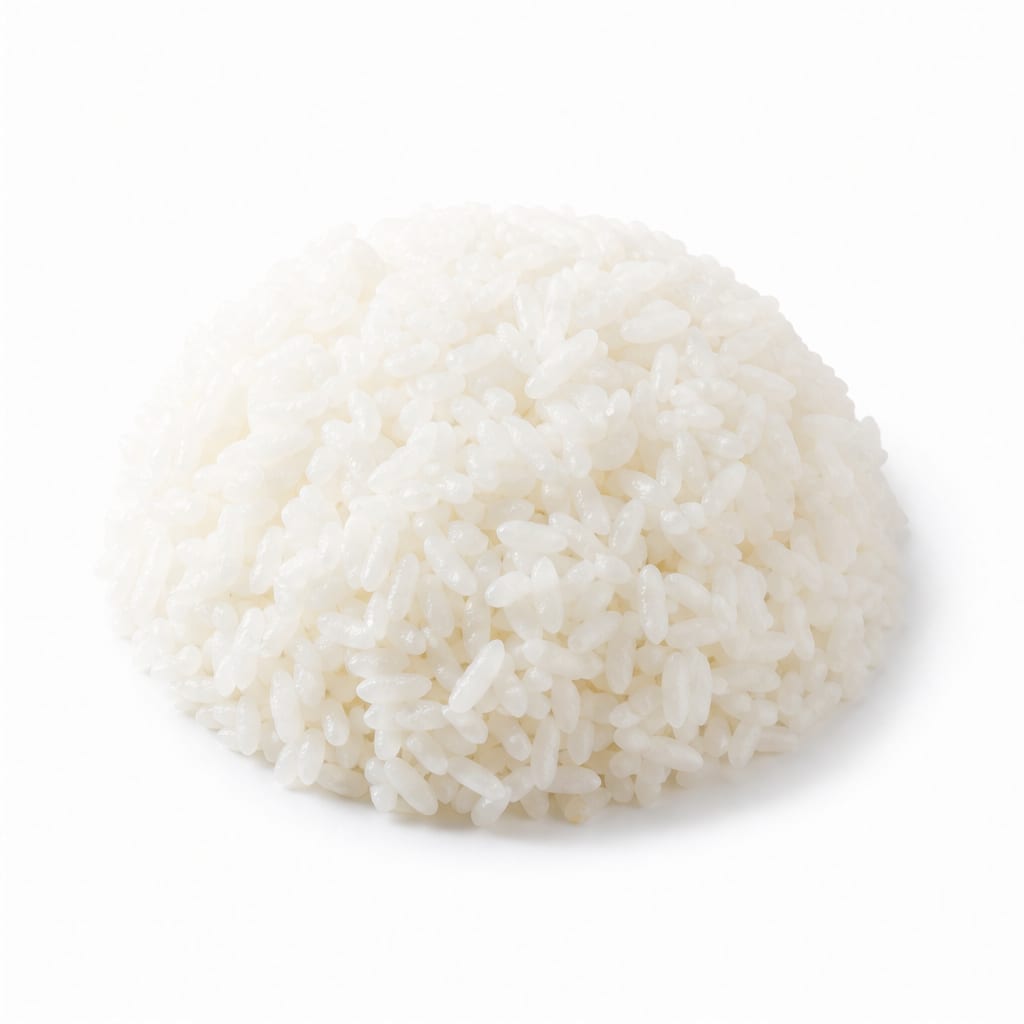
White Rice
Job's Tears is the nutritionally superior grain with better blood sugar control, more fiber, and stronger satiety, but white rice wins on convenience, availability, and digestibility during illness.
Job's Tears scores significantly higher due to superior fiber, protein, micronutrient content, and blood sugar stability. White rice scores lower because its refining process removes most nutritional value, though it retains practical advantages in convenience and digestibility.
You gain fiber, protein, and steadier energy with Job's Tears but sacrifice the convenience, neutral flavor, and instant comfort of white rice.
At a glance
Executive summary
Overall
Job's Tears
Healthier
Job's Tears
More practical
White Rice
Daily use
Job's Tears
Key comparison lenses
blood sugar management and glycemic control
White rice causes rapid blood sugar spikes while Job's Tears provides steadier energy, making this the most consequential difference for daily health
nutrient density and whole grain benefits
Job's Tears retains its bran and germ while white rice is stripped of most micronutrients, creating a major nutritional gap
weight management and satiety
Fiber and protein differences directly affect how full you feel and how easily you overeat
digestive sensitivity and tolerance
White rice is gentler on upset stomachs while Job's Tears may require adjustment for sensitive digestion
practicality and everyday convenience
White rice is universally available and quick to cook; Job's Tears requires more planning and sourcing
Best choice for
Job's Tears
- People managing diabetes or prediabetes
- Anyone seeking steadier energy without afternoon crashes
- Weight-conscious eaters who want to stay full longer
- Those interested in anti-inflammatory eating patterns
- People open to exploring traditional healing grains
White Rice
- Recovering from stomach illness or digestive distress
- Athletes needing quick carbohydrate refueling post-workout
- Households prioritizing budget and universal availability
- Anyone cooking for picky eaters who resist new textures
- Busy weeknights when cooking time must be under 20 minutes
Least suitable for
Job's Tears
- Someone needing immediate digestibility during GI illness
- People with very limited access to specialty or Asian grocery stores
- Those unwilling to soak grains or plan longer cook times
- Picky eaters sensitive to slightly chewy or earthy textures
White Rice
- People with diabetes or insulin resistance eating it daily
- Anyone trying to lose weight while managing hunger
- Those seeking nutrient-dense calories rather than empty carbs
- People prone to energy crashes after high-glycemic meals
Deep comparison
Dimension by dimension
Each lens scores both foods and breaks down who each option suits.
- Dimension 1 · Priority 95Job's Tears
Blood Sugar Stability
Job's Tears · 82White Rice · 28Job's Tears digests slowly and releases glucose gradually. White rice causes rapid blood sugar spikes followed by crashes.
Tradeoff
White rice provides quick energy when you need it fast, but that same speed triggers hunger returning sooner and energy dipping within hours.
Why it matters
Blood sugar rollercoasters drive cravings, fatigue, and long-term metabolic risk. Steady glucose means fewer afternoon slumps and less snacking.
Real-world impact
A white rice lunch can leave you hungry by 3pm. A Job's Tears lunch keeps you satisfied until dinner.
Job's Tears
- Diabetics and prediabetics
- People who experience energy crashes after meals
- Anyone trying to reduce sugar cravings
Better for
- Situations requiring rapid carbohydrate absorption
Worse for
White Rice
- Endurance athletes mid-event needing fast carbs
- Hypoglycemic recovery from low blood sugar episodes
Better for
- Daily meals for sedentary or metabolically compromised individuals
- Anyone monitoring HbA1c levels
Worse for
- Dimension 2 · Priority 88Job's Tears
Satiety and Fullness
Job's Tears · 80White Rice · 35Job's Tears has significantly more fiber and protein per serving, keeping you full much longer than white rice.
Tradeoff
White rice's low satiety means you eat more calories to feel satisfied, which compounds over weeks and months.
Why it matters
Feeling full prevents overeating without requiring willpower. High-satiety foods make portion control effortless.
Real-world impact
You can eat a large bowl of white rice and feel hungry again in 90 minutes. The same volume of Job's Tears keeps you full for 3-4 hours.
Job's Tears
- Weight loss diets where hunger management matters
- Anyone who snacks excessively between meals
- People who eat large portions and want to naturally reduce them
Better for
- Those who need to eat small frequent meals
Worse for
White Rice
- Post-surgery recovery when only small amounts are tolerable
- Appetite stimulation for underweight individuals
Better for
- Emotional eaters who will keep going back for seconds
- Anyone tracking calories who wants volume without excess
Worse for
- Dimension 3 · Priority 90Job's Tears
Nutrient Density
Job's Tears · 85White Rice · 25Job's Tears delivers iron, calcium, B vitamins, and beneficial plant compounds. White rice is mostly empty starch with trace nutrients.
Tradeoff
White rice is sometimes fortified with synthetic vitamins, but natural nutrient complexes in whole grains are better absorbed and more complete.
Why it matters
Every calorie should carry nutritional value. Nutrient-dense foods reduce the need for supplements and protect against hidden deficiencies.
Real-world impact
Replacing white rice with Job's Tears is like upgrading from white bread to whole grain bread — you get more per bite without eating more.
Job's Tears
- Anyone not taking a multivitamin
- Women at risk of iron deficiency
- Older adults needing more calcium and B vitamins
Better for
- Rare cases of iron overload conditions
Worse for
White Rice
- Situations where calories alone matter more than micronutrients
Better for
- Long-term daily consumption as a dietary staple without other nutrient sources
Worse for
- Dimension 4 · Priority 80Job's Tears
Anti-Inflammatory Properties
Job's Tears · 78White Rice · 30Job's Tears contains coixenolide and other compounds traditionally used to reduce inflammation. White rice has no anti-inflammatory benefit and may promote inflammation through blood sugar spikes.
Tradeoff
Anti-inflammatory effects are cumulative and subtle — you will not feel them immediately, but they compound over years of eating patterns.
Why it matters
Chronic inflammation drives joint pain, fatigue, skin issues, and disease risk. Food choices either fuel or fight this silently.
Real-world impact
People who switch from white rice to whole grains like Job's Tears often notice less bloating and more comfortable digestion within weeks.
Job's Tears
- People with autoimmune conditions
- Anyone with chronic joint or skin inflammation
- Those following anti-inflammatory dietary approaches
Better for
- Those who expect immediate noticeable anti-inflammatory effects
Worse for
White Rice
- Acute illness recovery when inflammation is not the primary concern
Better for
- Daily consumers whose blood sugar spikes worsen inflammatory markers
Worse for
- Dimension 5 · Priority 75White Rice
Digestive Tolerance
Job's Tears · 55White Rice · 90White rice is one of the most easily digested grains available. Job's Tears requires more digestive effort due to its fiber and structure.
Tradeoff
Easy digestion is a blessing during illness but a metabolic disadvantage in everyday life because rapid digestion means faster hunger return.
Why it matters
When your stomach is upset, you need something gentle. When you are healthy, you benefit from foods that digest slowly and feed gut bacteria.
Real-world impact
White rice is the classic sick-day food for good reason. Job's Tears is better when your digestion is strong and you want to keep it that way.
Job's Tears
- Healthy individuals wanting to support gut microbiome diversity
- People with normal digestion seeking fiber benefits
Better for
- Active IBS or IBD flare-ups
- Acute gastrointestinal illness
Worse for
White Rice
- Stomach flu or food poisoning recovery
- Inflammatory bowel disease flares
- Post-surgical digestive recovery
- Anyone experiencing nausea or diarrhea
Better for
- Chronic constipation from low-fiber diets
Worse for
- Dimension 6 · Priority 70White Rice
Convenience and Practicality
Job's Tears · 40White Rice · 92White rice cooks in 15-20 minutes, is available everywhere, and pairs with any cuisine. Job's Tears requires soaking, longer cooking, and specialty shopping.
Tradeoff
Convenience often wins over nutrition in real life. The best grain nutritionally means nothing if you never cook it.
Why it matters
Sustainable dietary changes must fit your actual routine. A harder-to-use grain risks being abandoned for the easier option.
Real-world impact
You can find white rice at any grocery store and cook it on autopilot. Job's Tears requires a trip to an Asian market and remembering to soak it overnight.
Job's Tears
- Meal preppers who cook large batches once a week
- Anyone who already cooks whole grains regularly
Better for
- Spontaneous cooking without planning ahead
- Households where only one person will eat it
Worse for
White Rice
- Weeknight cooking in under 30 minutes
- Travel or living in areas without specialty stores
- Cooking for crowds with universally accepted flavors
Better for
- Those who want to feel good about their staple grain choice nutritionally
Worse for
Timeline
Health impact over time
Short-term
Hours to days
Job's Tears
- Sustained energy without the post-meal crash
- Feeling fuller for longer after eating
- Slightly heavier or more substantial meal sensation
- Potential mild digestive adjustment period if transitioning from refined grains
White Rice
- Quick energy surge within 30-60 minutes
- Hunger returning within 1.5-2 hours
- Light comfortable feeling immediately after eating
- Possible sleepiness or brain fog after large servings
Long-term
Months to years
Job's Tears
- Better blood sugar regulation and lower diabetes risk
- Improved cholesterol profiles from higher fiber intake
- Healthier gut microbiome from prebiotic fiber
- Potential anti-inflammatory benefits from coixenolide compounds
- Easier weight maintenance due to natural appetite regulation
White Rice
- Increased risk of type 2 diabetes with frequent daily consumption
- Higher likelihood of overeating and weight gain over time
- Potential nutrient deficiencies if white rice displaces whole grains consistently
- Greater inflammatory marker levels from repeated blood sugar spikes
Risk profile
Safety & processing
Job's Tears is a whole grain consumed close to its natural state with minimal processing. White rice has been milled and polished to remove the bran and germ, stripping away most fiber, vitamins, and beneficial fats. Neither typically contains artificial additives, but white rice has undergone significantly more industrial processing to achieve its refined form.
Job's Tears
Arsenic contamination
lowAs a grain, Job's Tears can absorb soil arsenic, but levels are generally lower than rice species. Rinsing thoroughly before cooking reduces this further.
Allergic or sensitivity reactions
lowRare but possible. Some individuals may experience bloating when first introducing Job's Tears due to unfamiliar fiber types.
White Rice
Arsenic contamination
mediumRice is a known arsenic accumulator, particularly rice grown in certain regions. White rice retains less arsenic than brown rice because arsenic concentrates in the bran, but levels can still be significant with daily consumption.
Bacillus cereus food poisoning
mediumCooked rice left at room temperature is a common source of B. cereus illness. Leftover rice must be refrigerated promptly and reheated thoroughly.
Who wins for whom
Audience fit
Same foods, different winners depending on your goal.
children
It dependsWhite rice is easier for children to eat and digest, but Job's Tears provides better nutrition. Mixing both or gradually introducing Job's Tears alongside white rice offers the best balance.
daily consumption
Job's TearsDaily staple choices compound over time. Job's Tears delivers cumulative health benefits that white rice simply cannot match when eaten every day.
diabetes
Job's TearsJob's Tears has a significantly lower glycemic impact, making it far safer for blood sugar management. White rice is one of the worst grain choices for diabetics.
elderly
It dependsFrail elderly with poor digestion may need white rice's easy digestibility, while healthier seniors benefit greatly from Job's Tears' nutrients and blood sugar stability.
muscle gain
White RiceWhite rice provides fast-digesting carbohydrates ideal for post-workout glycogen replenishment when quick nutrient delivery matters more than sustained release.
weight loss
Job's TearsHigher fiber and protein in Job's Tears naturally reduce calorie intake by keeping you full longer, making portion control easier without feeling deprived.
Your move
Decision guide
Choose Job's Tears
- You want steadier energy and fewer afternoon crashes
- Blood sugar management is a health priority for you
- You are willing to soak grains and plan meals slightly ahead
- You eat rice daily and want to upgrade your staple grain
- You are interested in traditional Asian healing foods
- You struggle with hunger between meals and want to stay full longer
Choose White Rice
- You are recovering from a stomach illness and need gentle food
- You need quick carbs after intense exercise
- Convenience and speed matter more than nutritional optimization
- You are cooking for a group with diverse preferences and need universal appeal
- You cannot easily access Job's Tears where you live
- You are on a tight budget and need affordable calories
Either works if
- You rotate grains and eat both as part of a varied diet
- You mix them together for a balance of nutrition and familiarity
- You eat grain-based meals only occasionally rather than daily
Avoid both if
- You are on a strict low-carb or ketogenic diet
- You have a grain allergy or severe gluten-like sensitivity to either
- You are managing severe kidney disease requiring grain portion control
Final recommendation
If you eat a grain staple daily, switching from white rice to Job's Tears is one of the highest-impact upgrades you can make. The blood sugar stability, satiety, and nutrient density gains are substantial and compound over time. Start by mixing half and half to adjust to the texture, then shift toward mostly Job's Tears. Keep white rice for sick days, post-workout meals, and occasional comfort dishes where nothing else will do.
Practical
Consumer tips
- 1
Soak Job's Tears for 4-8 hours or overnight to reduce cooking time and improve digestibility
- 2
Mix Job's Tears with white rice at a 50/50 ratio as a transition strategy for families resistant to change
- 3
Rinse both grains thoroughly before cooking to reduce arsenic exposure
- 4
Cook a large batch of Job's Tears and refrigerate portions for up to 5 days to solve the convenience problem
- 5
Job's Tears works well in soups, congee, and porridge-style dishes where its slightly chewy texture shines
- 6
If you cannot find Job's Tears locally, other whole grains like barley or farro offer similar nutritional advantages over white rice
- 7
For white rice, choose jasmine or basmati varieties which have slightly lower glycemic indices than short-grain types