
Nutrition comparison
Job's Tears vs Pearl Barley: Which Grain Is Healthier?
Compare Job's Tears and Pearl Barley nutrition, gluten content, glycemic index, and health benefits. Find out which grain is better for your diet.

Job's Tears
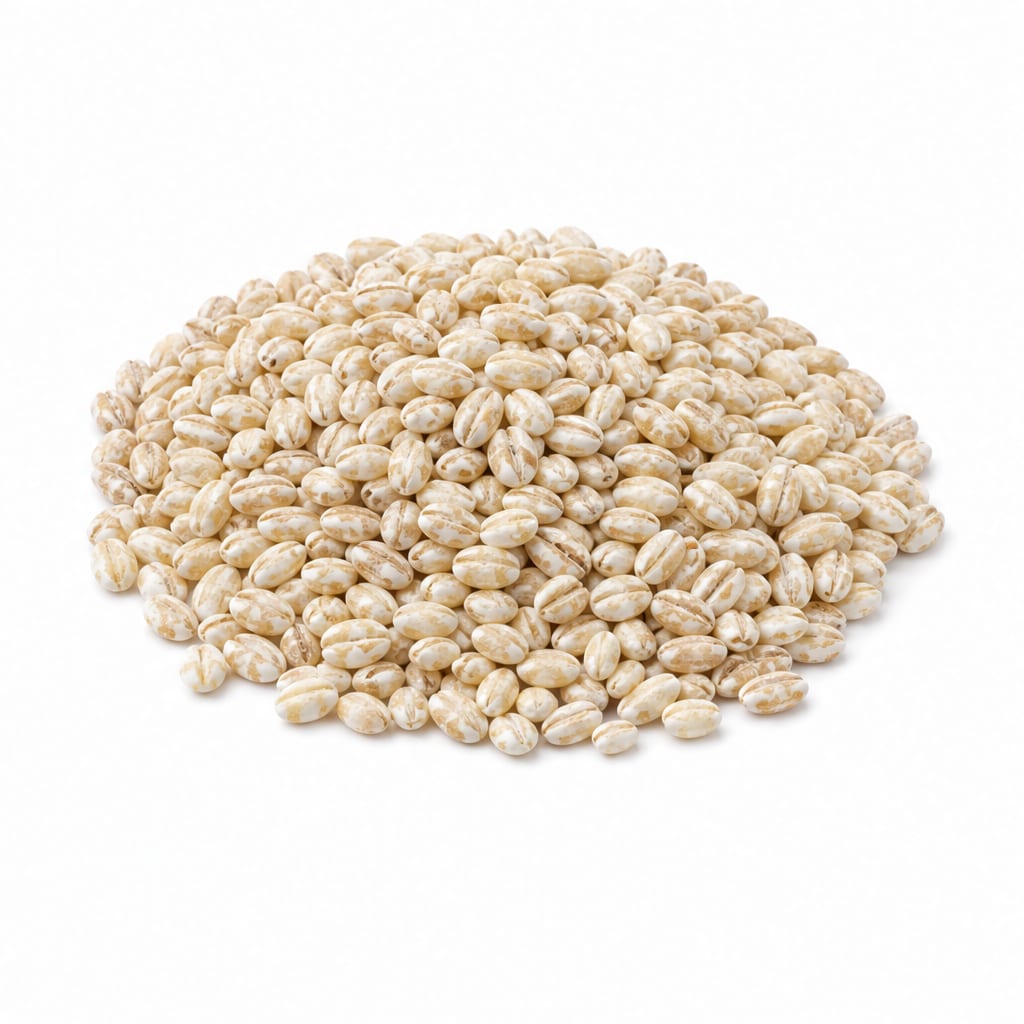
Pearl Barley
Job's Tears wins for gluten-free diets and anti-inflammatory benefits, while Pearl Barley dominates on heart health, fiber, and everyday practicality.
Nearly identical overall, but Pearl Barley edges ahead slightly due to superior fiber content, heart health evidence, and real-world practicality. Job's Tears compensates with unique medicinal properties and gluten-free status that matter enormously for specific populations.
Medicinal uniqueness and gluten-free status versus beta-glucan fiber power and easy accessibility.
At a glance
Executive summary
Overall
It depends
Healthier
It depends
More practical
Pearl Barley
Daily use
Pearl Barley
Key comparison lenses
gluten sensitivity and digestive tolerance
Job's Tears is naturally gluten-free while Pearl Barley contains gluten, making this the single most decisive difference for many consumers
blood sugar management
Both are whole-grain-adjacent carbs, but their glycemic impact differs meaningfully for diabetics and energy stability
anti inflammatory and medicinal benefits
Job's Tears has a long history in Traditional Chinese Medicine for reducing inflammation and fluid retention, which sets it apart
heart health and cholesterol
Pearl Barley's beta-glucan content is a proven cholesterol-lowering advantage worth highlighting
practical availability and cost
Pearl Barley is cheap and everywhere; Job's Tears requires specialty stores or online ordering
Best choice for
Job's Tears
- Gluten-sensitive or celiac individuals
- People seeking anti-inflammatory grain options
- Those following Traditional Chinese Medicine principles
- Anyone managing water retention or edema
Pearl Barley
- Budget-conscious shoppers
- People focused on lowering cholesterol
- Anyone wanting a heart-healthy everyday grain
- Those who value easy grocery availability
Least suitable for
Job's Tears
- People on a tight grocery budget
- Those who need ingredients available at regular supermarkets
- Anyone unfamiliar with cooking specialty grains
Pearl Barley
- People with celiac disease or gluten intolerance
- Those avoiding gluten for inflammatory reasons
- People seeking low-glycemic grain alternatives
Deep comparison
Dimension by dimension
Each lens scores both foods and breaks down who each option suits.
- Dimension 1 · Priority 95Job's Tears
gluten_and_digestive_tolerance
Job's Tears · 92Pearl Barley · 35Job's Tears is naturally gluten-free, making it safe for celiacs. Pearl Barley contains significant gluten and is unsuitable for those with gluten disorders.
Tradeoff
If gluten is not a concern for you, this dimension becomes irrelevant and Pearl Barley's other advantages take over.
Why it matters
Roughly 6% of the population has gluten sensitivity, and for them, Pearl Barley is completely off the table.
Real-world impact
Choosing Pearl Barley when gluten-sensitive means bloating, fatigue, and potential intestinal damage. Job's Tears avoids this entirely.
Job's Tears
- Celiac disease management
- Gluten-free meal planning
- Reducing digestive inflammation
Better for
Pearl Barley
- Anyone with gluten intolerance
- People with wheat-related disorders
- Those following gluten-free diets
Worse for
- Dimension 2 · Priority 88Pearl Barley
fiber_content_and_heart_health
Job's Tears · 58Pearl Barley · 85Pearl Barley is rich in beta-glucan, a soluble fiber clinically proven to lower LDL cholesterol. Job's Tears has less total fiber and minimal beta-glucan.
Tradeoff
You sacrifice proven cholesterol-lowering power when choosing Job's Tears over Pearl Barley.
Why it matters
Heart disease remains the leading cause of death globally, and beta-glucan is one of the best dietary tools for reducing risk.
Real-world impact
Eating Pearl Barley regularly can meaningfully reduce cholesterol over months. Job's Tears offers no comparable heart-specific fiber benefit.
Job's Tears
- Cholesterol management
- Meeting daily soluble fiber goals
Worse for
Pearl Barley
- Lowering LDL cholesterol
- Supporting cardiovascular health
- Improving daily fiber intake easily
Better for
- Dimension 3 · Priority 85Job's Tears
blood_sugar_stability
Job's Tears · 78Pearl Barley · 65Job's Tears has a lower glycemic index and causes slower blood sugar rises compared to Pearl Barley, which is more refined due to pearling.
Tradeoff
Better blood sugar control with Job's Tears comes at the cost of less heart-protective fiber.
Why it matters
Steadier blood sugar means fewer energy crashes, reduced cravings, and better diabetes management.
Real-world impact
A bowl of Job's Tears porridge keeps you energized longer without the mid-morning dip that Pearl Barley might cause.
Job's Tears
- Diabetics seeking lower GI grains
- Sustained energy without crashes
- Reduced insulin spikes after meals
Better for
Pearl Barley
- Blood sugar-sensitive individuals
- People monitoring glycemic load closely
Worse for
- Dimension 4 · Priority 82Job's Tears
anti_inflammatory_and_medicinal_properties
Job's Tears · 88Pearl Barley · 45Job's Tears contains coixenolide and other unique compounds with documented anti-inflammatory and diuretic effects. Pearl Barley has no comparable medicinal profile.
Tradeoff
These benefits are real but modest compared to actual medication. Do not treat Job's Tears as a drug replacement.
Why it matters
Chronic inflammation underlies many diseases, and dietary anti-inflammatory choices compound over years.
Real-world impact
People with joint stiffness or fluid retention often report feeling less puffy after regularly consuming Job's Tears soup or tea.
Job's Tears
- Chronic inflammation concerns
- Water retention and edema
- Traditional medicine approaches to wellness
Better for
Pearl Barley
- Anyone seeking medicinal grain benefits
- Traditional Chinese Medicine followers
Worse for
- Dimension 5 · Priority 75Pearl Barley
practicality_availability_and_cost
Job's Tears · 40Pearl Barley · 90Pearl Barley is available in virtually every grocery store at low cost. Job's Tears requires Asian markets, specialty shops, or online ordering at a premium price.
Tradeoff
The unique health benefits of Job's Tears come with real inconvenience and higher cost that may discourage consistent use.
Why it matters
The healthiest grain only works if you actually buy and eat it regularly. Accessibility drives consistency.
Real-world impact
You can grab Pearl Barley at any supermarket for a few dollars. Job's Tears might require a 30-minute drive to an Asian market or waiting for shipping.
Job's Tears
- Spontaneous meal planning
- Budget-conscious households
- One-stop grocery shopping
Worse for
Pearl Barley
- Weekly grocery convenience
- Budget meal planning
- Consistent long-term use
Better for
- Dimension 6 · Priority 70Job's Tears
nutrient_density_and_protein_quality
Job's Tears · 74Pearl Barley · 66Job's Tears contains slightly more protein and a broader amino acid profile, plus higher levels of certain B vitamins and minerals like selenium.
Tradeoff
The difference is modest and unlikely to matter unless grains are a primary protein source in your diet.
Why it matters
For plant-based eaters relying on grains for protein, every gram and amino acid profile improvement counts.
Real-world impact
Over a year of daily consumption, the protein difference adds up, but for most mixed-diet eaters it is negligible.
Job's Tears
- Plant-based diets needing protein optimization
- Those relying heavily on grains for nutrition
Better for
Pearl Barley
- Maximizing protein from grain sources
Worse for
Timeline
Health impact over time
Short-term
Hours to days
Job's Tears
- Gentle diuretic effect may reduce bloating within hours
- Slower blood sugar rise provides steadier post-meal energy
- Easy digestion for most people including gluten-sensitive individuals
Pearl Barley
- Noticeable fullness from beta-glucan fiber after eating
- Slightly faster blood sugar rise compared to Job's Tears
- Can cause bloating or gas in gluten-sensitive individuals
Long-term
Months to years
Job's Tears
- Consistent anti-inflammatory intake may reduce chronic disease risk
- Better blood sugar control supports metabolic health over years
- Gluten-free nature prevents cumulative intestinal damage for celiacs
Pearl Barley
- Beta-glucan fiber meaningfully lowers cholesterol with regular consumption
- Heart health benefits accumulate over months of daily intake
- Gluten exposure remains a persistent concern for sensitive populations
Risk profile
Safety & processing
Both grains are natural whole foods with no artificial additives. However, Pearl Barley undergoes pearling, which removes the bran layer and strips some nutrients. Job's Tears is typically sold with its bran intact, retaining more of its natural nutritional profile.
Job's Tears
Mycotoxin contamination from improper storage
lowLike all grains, Job's Tears can develop mold toxins if stored in humid conditions. Buy from reputable sources and store in a cool dry place.
Mislabeling as barley in some markets
mediumJob's Tears is sometimes called 'Chinese pearl barley' despite being unrelated to barley. This naming confusion can mislead gluten-sensitive consumers into buying the wrong product.
Pearl Barley
Gluten exposure for sensitive individuals
highPearl Barley contains gluten and can trigger serious reactions in people with celiac disease or non-celiac gluten sensitivity.
Pesticide residue on conventionally grown barley
lowBarley is not typically high on the pesticide residue list, but choosing organic reduces any remaining concern.
Who wins for whom
Audience fit
Same foods, different winners depending on your goal.
children
Pearl BarleyPearl Barley's milder flavor and softer texture when cooked are more kid-friendly, and its fiber supports healthy digestion in growing children.
daily consumption
Pearl BarleyAffordability, availability, and proven heart health benefits make Pearl Barley more sustainable as an everyday staple for most people.
diabetes
Job's TearsLower glycemic index and slower glucose absorption make Job's Tears the safer choice for blood sugar management.
elderly
It dependsPearl Barley supports heart health which matters for older adults, but Job's Tears offers anti-inflammatory benefits and easier digestion for those with gluten sensitivity.
muscle gain
It dependsNeither grain is a significant protein source for muscle building. Both serve better as carb energy sources alongside higher-protein foods.
weight loss
Job's TearsLower glycemic index and slightly higher protein help control appetite and reduce cravings, making it easier to maintain a calorie deficit.
Your move
Decision guide
Choose Job's Tears
- You are gluten-sensitive, have celiac disease, or avoid gluten for inflammatory reasons
- You want a lower glycemic grain for blood sugar management
- You value Traditional Chinese Medicine approaches to wellness
- You struggle with water retention or mild inflammation
- You are willing to seek out specialty ingredients for unique health benefits
Choose Pearl Barley
- You want to lower cholesterol and protect heart health
- You need an affordable, accessible everyday grain
- Gluten is not a concern for you
- You want maximum fiber per serving
- You prefer ingredients available at any grocery store
Either works if
- You simply want a nourishing whole grain for soups and stews
- You rotate grains for dietary diversity
- You are looking for alternatives to rice or oats
Avoid both if
- You are on a strict low-carb or ketogenic diet
- You have a grain allergy beyond gluten
- You need high-protein foods as your primary calorie source
Final recommendation
If gluten is any concern at all, Job's Tears is your grain without question. For everyone else, Pearl Barley's cholesterol-lowering fiber, low cost, and easy availability make it the more practical daily choice. The smartest approach is rotating both: Pearl Barley for everyday heart health, Job's Tears when you want anti-inflammatory benefits or a gentler blood sugar profile.
Practical
Consumer tips
- 1
Soak Job's Tears overnight to reduce cooking time and improve digestibility
- 2
Watch for misleading labels: 'Chinese pearl barley' is actually Job's Tears and is gluten-free, while 'pearl barley' contains gluten
- 3
Add Pearl Barley to soups and stews where its chewy texture shines and beta-glucan leaches into the broth
- 4
Store both grains in airtight containers away from moisture to prevent mold and mycotoxin growth
- 5
Try Job's Tears as a tea by roasting and steeping the grains, a popular preparation in Korean and Chinese traditions
- 6
If switching from Pearl Barley to Job's Tears for gluten reasons, expect a slightly nuttier flavor and similar chewy texture