
Fruit
Jabuticaba
A Brazilian tree-born fruit with a thick dark skin and sweet pulp, known for its high antioxidant content.
A small, dark purple fruit native to Brazil, notable for growing directly on the trunk of the tree. It has a thick, tart skin and a sweet, gelatinous white pulp.
antioxidant-rich low-calorie berry
Typical serving · 100g
Common varieties · sabará, paulista, rajada, branca, cabinho
Overall context score across nutrition, safety, and diet fit
At a glance
Quick facts
Simple indicators based on nutrition, processing, and diet fit.
The story
What makes it unique
Jabuticaba is a low-calorie fruit with moderate carbohydrates and notable dietary fiber, primarily concentrated in its edible skin. Digestion speed is moderate due to the fiber content, which also promotes satiety. Its macronutrient profile is carbohydrate-dominant with negligible fat and protein. As a minimally processed whole food, it retains high levels of bioactive compounds, specifically anthocyanins.
Varieties: sabará · paulista · rajada · branca · cabinho
Per 100g
Nutrition breakdown
Macro balance and key metrics at a glance.
Energy
Density 0.58 kcal/g
Protein
Carbs
Fat
Fiber
Sugar
12 g
Sodium
2 mg
Potassium
130 mg
Glycemic index
40
Glycemic load
6
Water content
83%
Standout compounds
Nutrient highlights
Anthocyanins
highReduces oxidative stress and inflammation
Dietary Fiber
moderatePromotes digestive regularity and satiety
Vitamin C
moderateSupports immune function and collagen synthesis
Potassium
lowHelps regulate blood pressure and fluid balance
Wellness map
Health scores & processing
NOVA processing scale
minimally processed · Whole food
Fresh jabuticaba is an unprocessed whole fruit consumed in its natural state.
Diet compatibility
- Weight loss
- Muscle gain
- Diabetes
- Gut health
- Low carb
- High protein
- Heart health
Relative standing
Food rankings
Qualitative ranks compared to similar whole foods.
- Satietygood
- Blood sugargood
- Nutrient densityexcellent
- Fitness fuelmoderate
- Processing qualityexcellent
Eat with confidence
Food safety profile
Generally safe, but the delicate skin can retain agricultural residues if conventionally grown. Washing thoroughly is recommended.
Evidence confidence 85%
- Pesticidesmoderate
- Antibioticslow
- Heavy metalslow
- Contaminationlow
Watch for
- pesticide residues
- soil debris
Safer choices
Organic jabuticaba when available
Prep tips
Rinse thoroughly under cool running water just before eating to remove surface debris and potential residues.
Standard agricultural residue monitoring applies; no specific bans or unique restrictions.
Deep dive
Health analysis
How this food may fit different goals and preparation choices.
Weight loss
Low energy density and high water content make it a filling, low-calorie snack that supports calorie deficit goals.
Blood sugar
Fiber and polyphenols in the skin slow sugar absorption, resulting in a low glycemic impact suitable for balanced diets.
Fitness & energy
Provides quick-digesting simple carbohydrates for short-term energy, but lacks protein for muscle recovery.
Gut health
Dietary fiber and polyphenols act as prebiotics, supporting beneficial gut bacteria and healthy digestion.
Processing quality
A whole, unprocessed food with no added sugars or artificial ingredients when consumed fresh.
Food safety
Primary concern is pesticide residue on the skin; thorough washing mitigates this risk effectively.
Common mistakes
Discarding the skin removes most of the fiber and antioxidants; squeezing the pulp out wastes the best part.
Best preparation
Eaten fresh and whole, or blended into smoothies with the skin intact to maximize nutrient intake.
Practical guide
Best use cases
When and how this food fits real eating patterns.
High-antioxidant snacking
Eating fresh jabuticaba provides a massive dose of anthocyanins that combat oxidative stress.
Low-calorie sweet treat
Satisfies sweet cravings with minimal calories and high water volume for fullness.
Prebiotic gut support
Fiber and polyphenols feed beneficial gut microbiota when consumed with the skin intact.
Balance sheet
Pros & cons
Upsides
- Extremely rich in antioxidants, especially in the skin
- Low calorie and high water content support weight management
- Fiber slows digestion and stabilizes blood sugar
- Polyphenols promote a healthy gut microbiome
- Unprocessed whole food with no added ingredients
Trade-offs
- Highly perishable, fermenting within 3-4 days of harvest
- Skin has a tart, astringent taste that some dislike
- Contains moderate sugar, requiring portion control for strict low-carb diets
- Difficult to find fresh outside of Brazil
Fit check
Who is it for?
Great match
- antioxidant boosting
- low-calorie snacking
- gut microbiome support
- whole food fruit choices
Consider alternatives
- strict ketogenic diets
- high-protein diets
- long-term storage without freezing or processing
Side by side
How it compares
Open the full head-to-head analysis for nutrition, safety, and practical tradeoffs.
This food
Jabuticaba
VS90% alike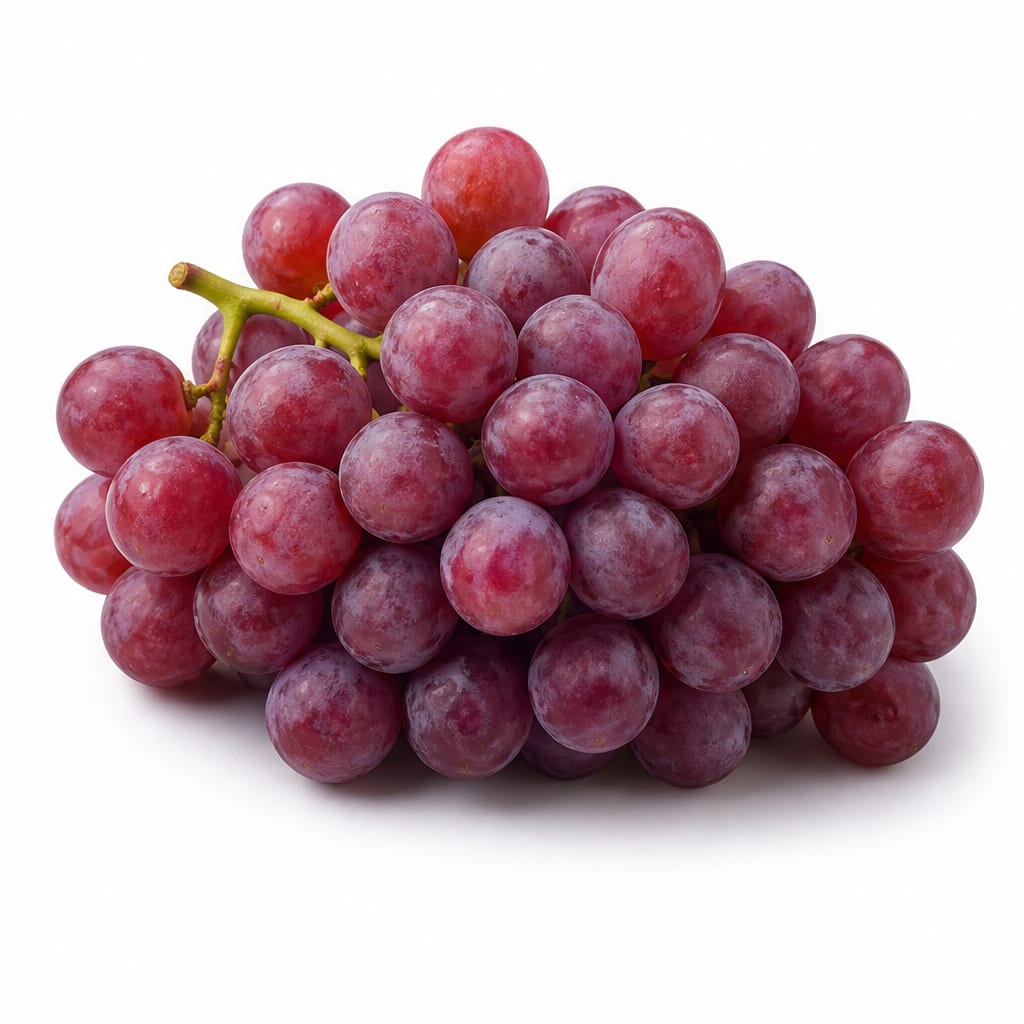
Compare with
Grapes
Jabuticaba is lower in calories and higher in skin antioxidants than grapes, making it better for weight loss and blood sugar control.
Jabuticaba provides fewer calories and more antioxidants than grapes, making it a better choice for weight loss and blood sugar management.
This food
Jabuticaba
VS85% alike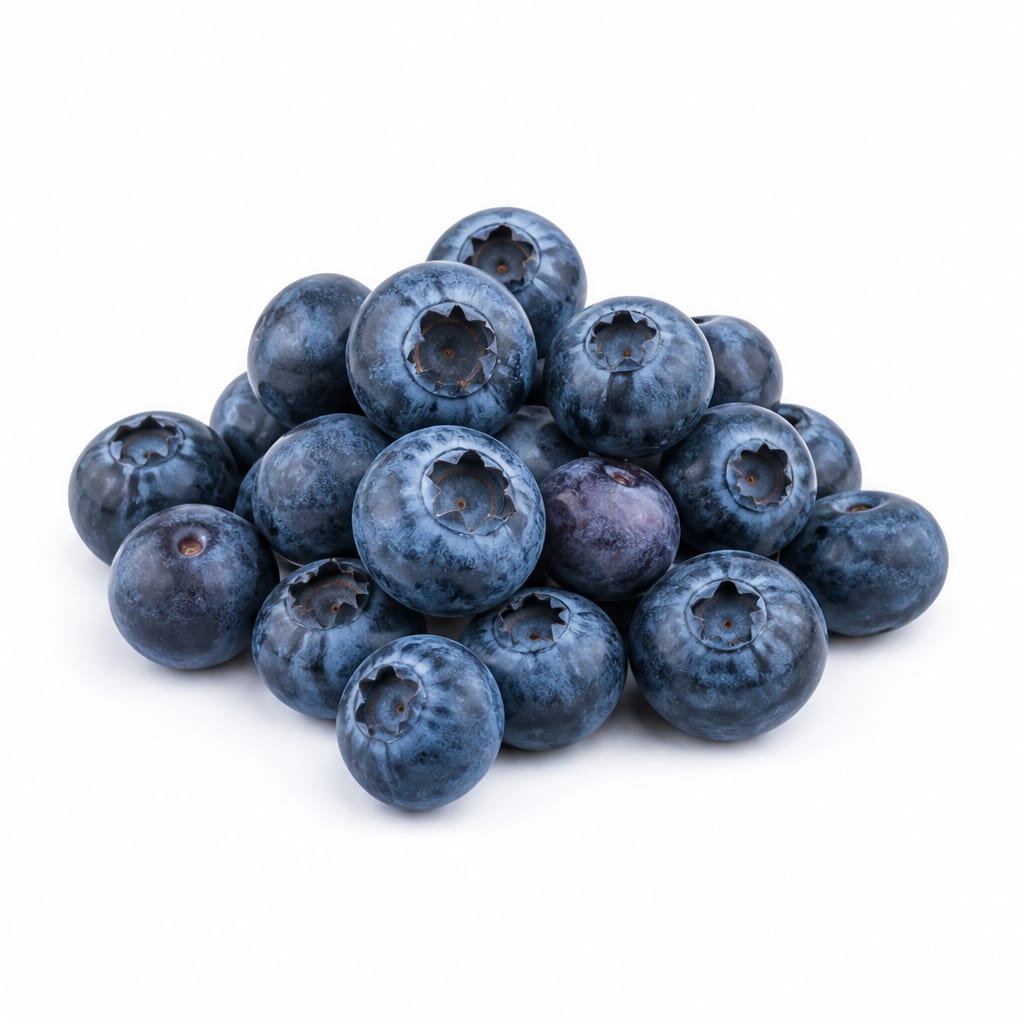
Compare with
Blueberries
Blueberries are milder and easier to eat in bulk, but jabuticaba has fewer calories and a comparable antioxidant profile.
Blueberries are easier to snack on, but jabuticaba offers slightly fewer calories and a dense antioxidant punch in its skin.
This food
Jabuticaba
VS80% alike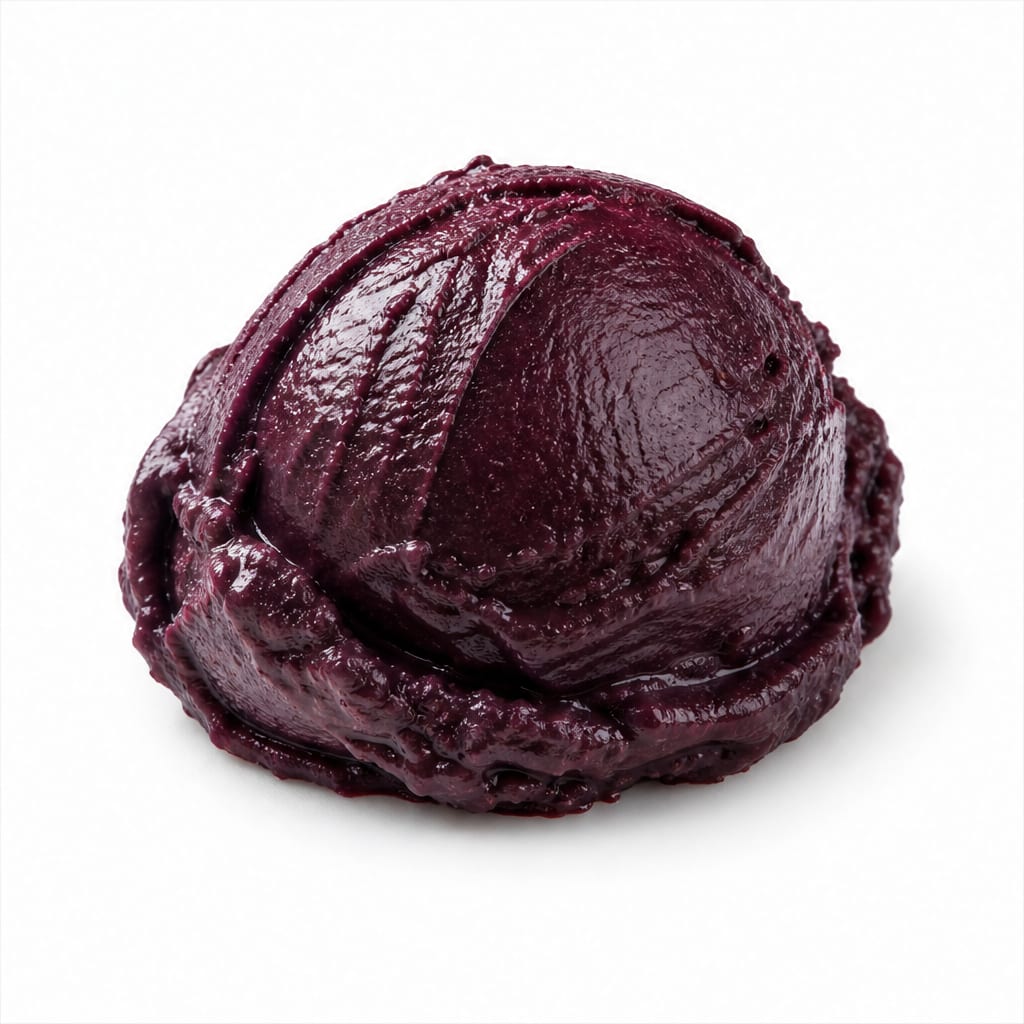
Compare with
Acai
Acai is higher in healthy fats while jabuticaba is lower in calories and higher in water content.
Acai provides healthy fats for sustained energy, while jabuticaba is lower in calories and better for weight loss.
This food
Jabuticaba
VS85% alike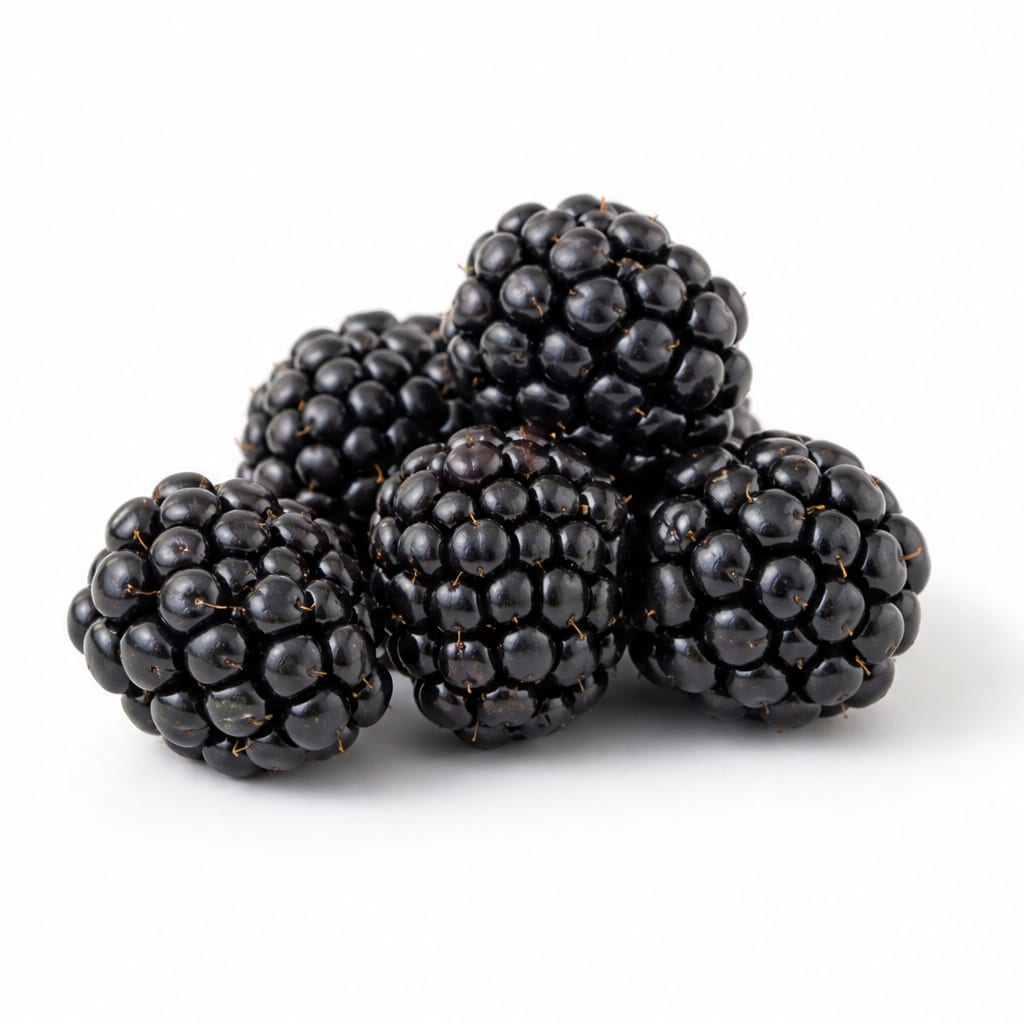
Compare with
Blackberries
Blackberries are higher in fiber and lower in sugar, making them slightly better for weight loss, while jabuticaba is juicier.
Blackberries are higher in fiber and lower in sugar, but jabuticaba offers a juicier, sweeter eating experience.
This food
Jabuticaba
VS75% alike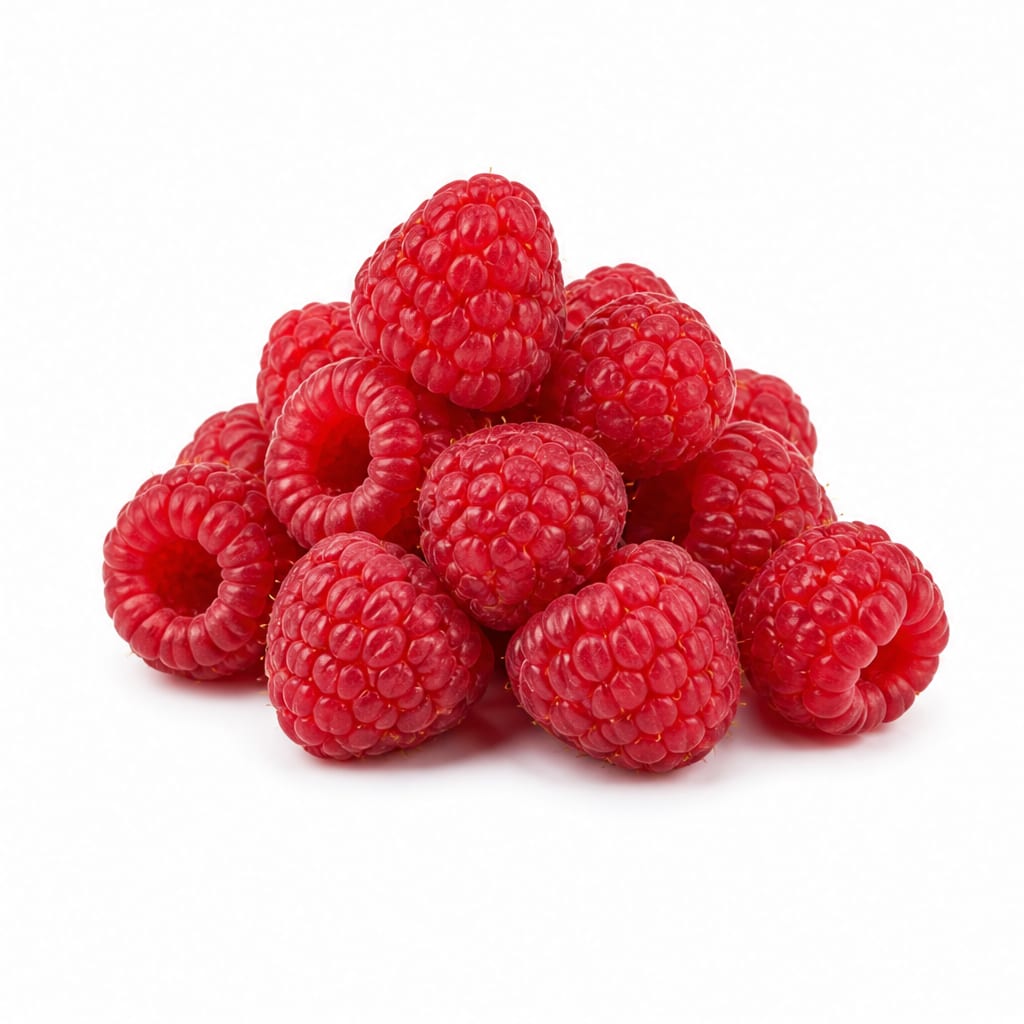
Compare with
Raspberries
Raspberries offer significantly more fiber and less sugar, whereas jabuticaba provides a sweeter, more energy-dense snack.
Raspberries offer superior fiber and lower sugar for satiety, while jabuticaba provides a sweeter, more hydrating snack.
This food
Jabuticaba
VS70% alike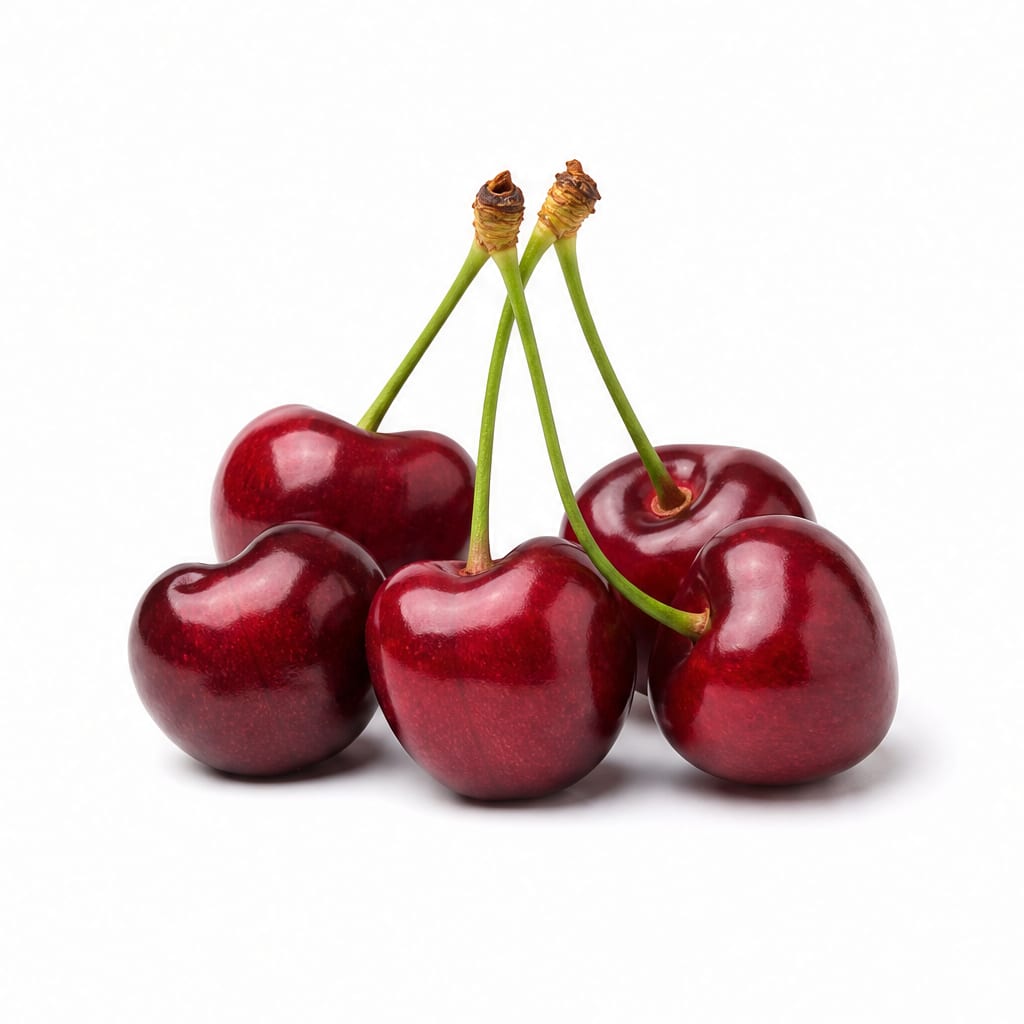
Compare with
Cherries
Cherries are sweeter and larger, while jabuticaba is lower in calories and has a distinct gelatinous pulp.
Cherries offer more carbs for workout fuel, but jabuticaba is lower in calories and better for managing weight.
This food
Jabuticaba
VS65% alike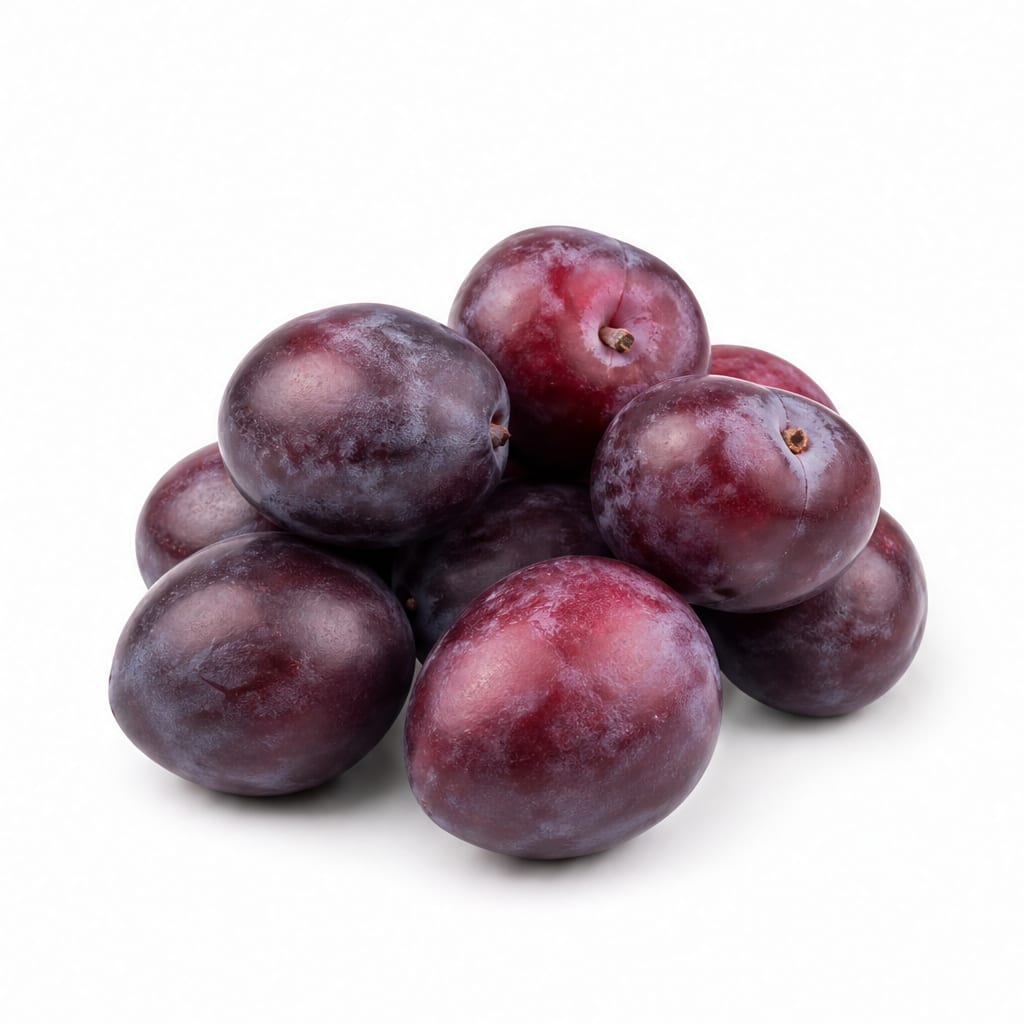
Compare with
Plums
Plums have a firmer texture and higher sugar content, while jabuticaba is softer, lower calorie, and richer in skin antioxidants.
Plums are higher in sugar and calories, whereas jabuticaba offers a lighter, lower-glycemic alternative.
This food
Jabuticaba
VS60% alike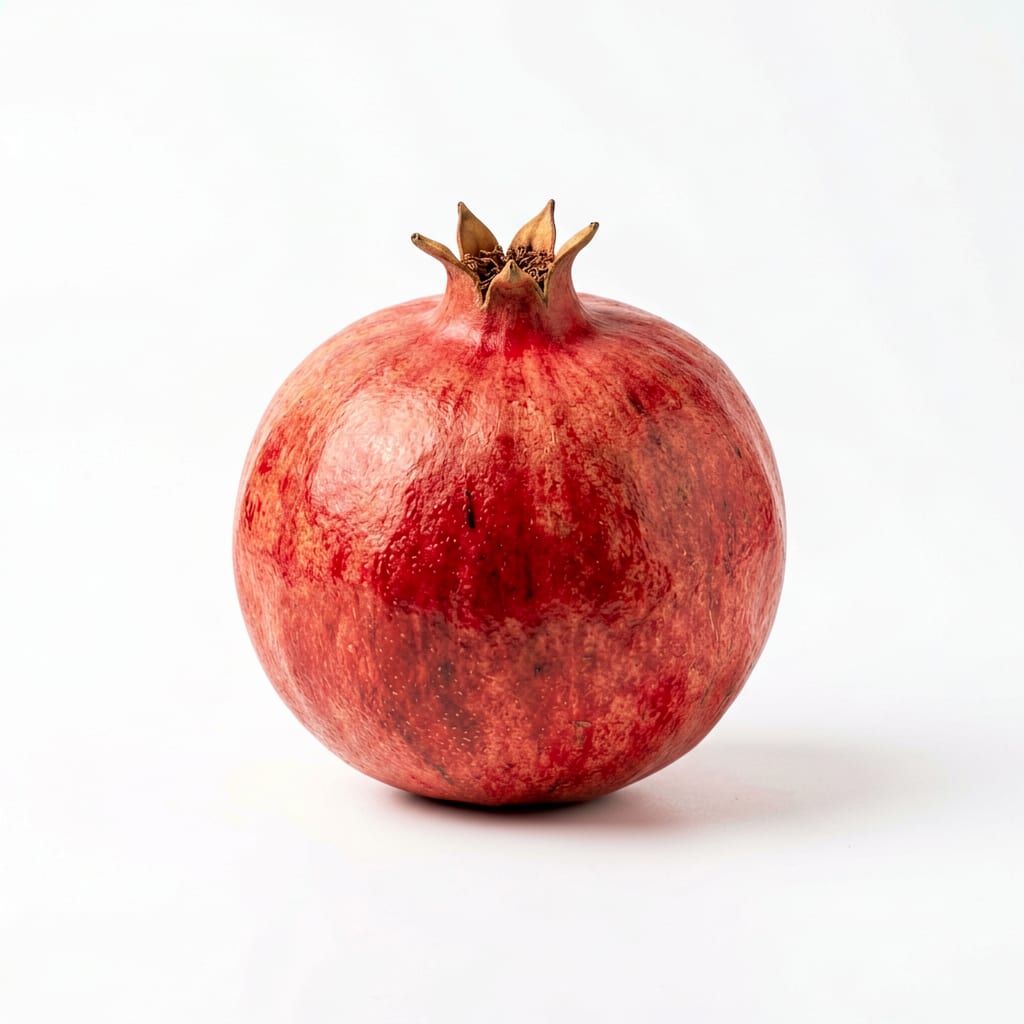
Compare with
Pomegranate
Pomegranate seeds are crunchier and tarter, while jabuticaba is softer and easier to eat whole.
Pomegranate provides more fiber per serving, but jabuticaba is lower in calories and easier to eat whole.
This food
Jabuticaba
VS55% alike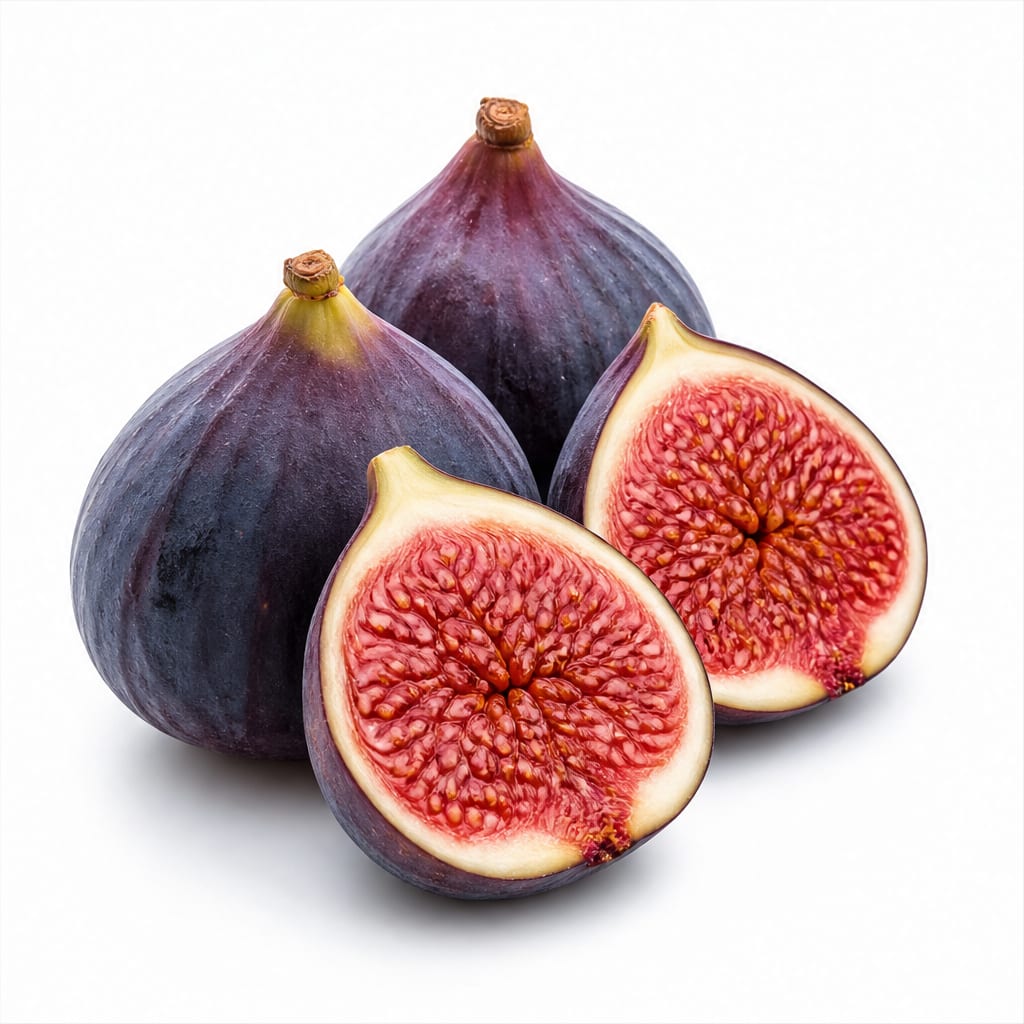
Compare with
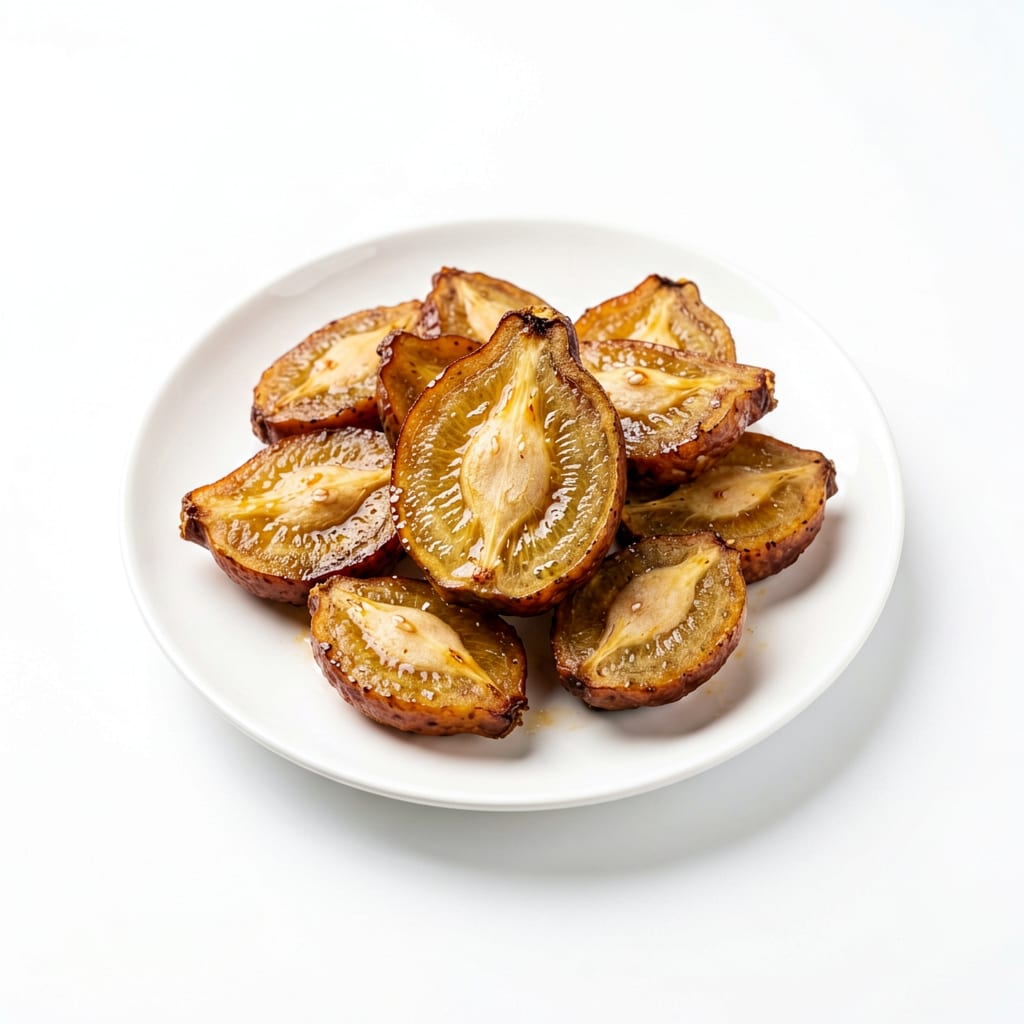
Figs
Figs are much higher in sugar and calories, making jabuticaba the clear winner for blood sugar control and weight loss.
Figs are high in sugar and calories, making jabuticaba the much better choice for weight loss and blood sugar management.
This food
Jabuticaba
VS60% alike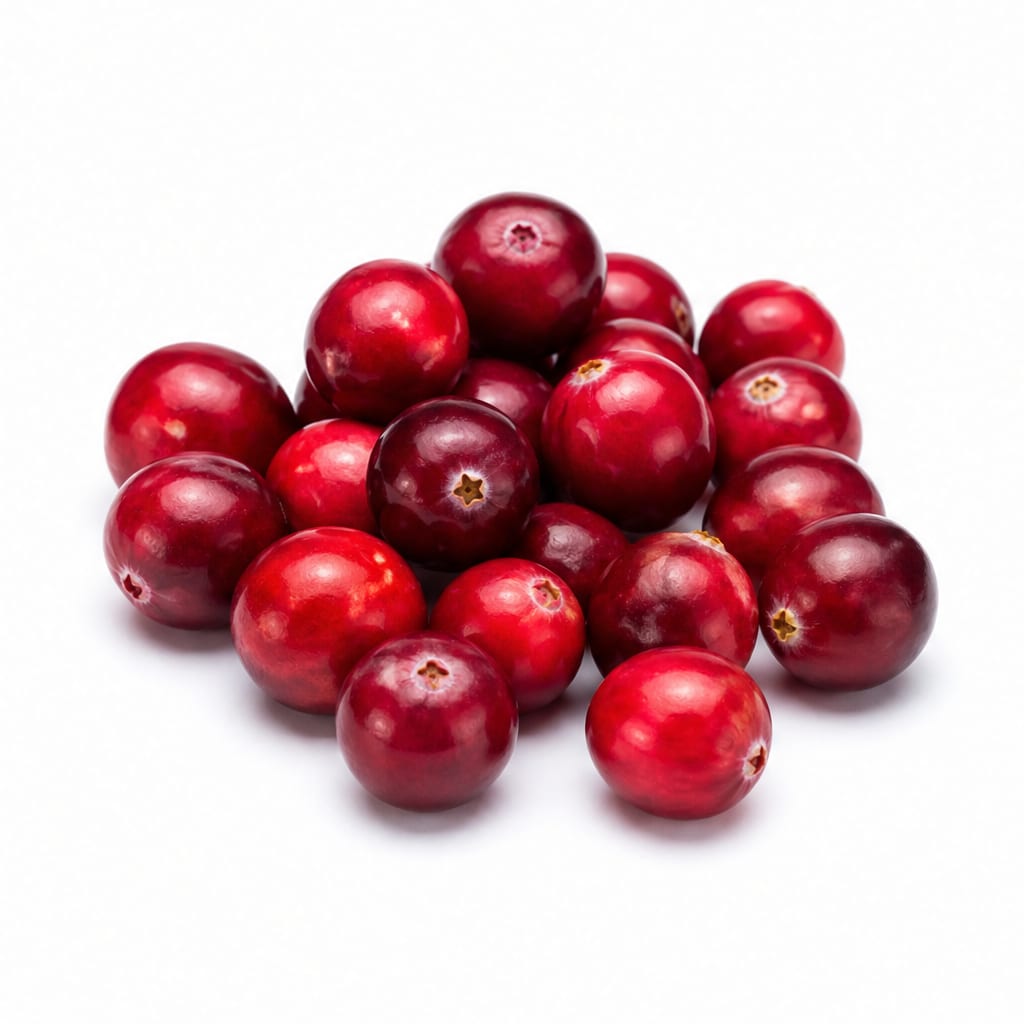
Compare with
Cranberries
Fresh cranberries are extremely tart and low in sugar, whereas jabuticaba is sweeter and more palatable raw.
Cranberries are extremely low in sugar, but jabuticaba provides better quick energy and is more palatable raw.
Common questions
FAQ
Answers aligned with how people search for this food.
Is jabuticaba good for weight loss?
Yes, jabuticaba is low in calories and high in water and fiber, which helps increase satiety and control appetite.
Can diabetics eat jabuticaba?
In moderation, yes. It has a low glycemic index and its fiber content helps prevent blood sugar spikes, though portion control is still advised.
Do you eat the skin of jabuticaba?
Yes, eating the skin is highly recommended because it contains most of the fruit's fiber and antioxidants, despite its slightly tart flavor.
What does jabuticaba taste like?
The pulp is sweet and slightly musky, similar to a muscadine grape, while the skin is tart and slightly astringent.
Is jabuticaba a superfood?
It is considered a functional food due to its exceptionally high levels of anthocyanins and anti-inflammatory polyphenols, especially in the skin.
How many calories are in jabuticaba?
There are approximately 58 calories in 100 grams of fresh jabuticaba, making it a low-energy-density fruit.
Is jabuticaba high in sugar?
It contains moderate natural sugars (around 12g per 100g), but the accompanying fiber slows absorption, preventing rapid blood sugar increases.
Transparency
Data confidence
Estimated confidence for nutrition data, interpretation, safety notes, and comparisons.
Nutrition data
Health analysis
Food safety
Comparisons