
Nutrition comparison
Jabuticaba vs Blueberries: Antioxidant Powerhouse vs Daily Superfruit
Jabuticaba delivers more antioxidants and fiber per bite, but blueberries win on availability and evidence. Compare these two berries to find which fits your health goals and lifestyle.

Jabuticaba
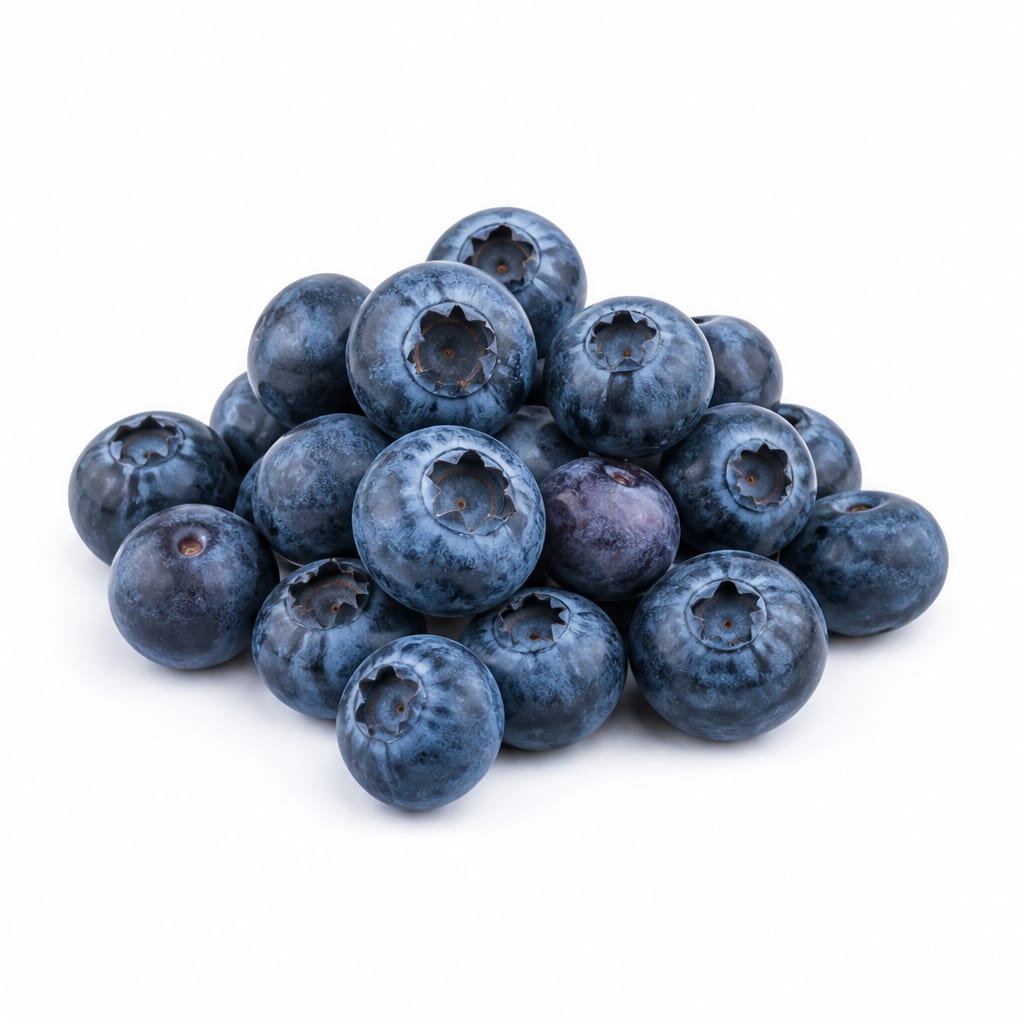
Blueberries
Jabuticaba packs more antioxidants and fiber per bite, but blueberries win on consistency because you can actually find and eat them daily.
Jabuticaba scores slightly higher nutritionally but loses ground on accessibility and evidence base. Blueberries are close behind with far better practical scores. Low confidence reflects limited clinical research on jabuticaba compared to extensive blueberry studies.
Peak nutritional density versus real-world accessibility — jabuticaba is the stronger berry on paper, blueberries are the stronger berry in practice.
At a glance
Executive summary
Overall
It depends
Healthier
Jabuticaba
More practical
Blueberries
Daily use
Blueberries
Key comparison lenses
antioxidant potential
Both are anthocyanin powerhouses, but jabuticaba's skin concentrates compounds at unusually high levels
accessibility and practicality
Jabuticaba is extremely perishable and regionally limited while blueberries are globally available year-round
daily sustainability
Users need to know which berry they can realistically eat consistently for long-term benefits
fiber and digestive health
Jabuticaba's thick skin delivers significantly more fiber per serving than blueberries
anti inflammatory benefits
Both berries target inflammation but through different compound profiles
Best choice for
Jabuticaba
- People living in or near Brazil who can access fresh jabuticaba regularly
- Those seeking maximum antioxidant concentration per calorie
- Anyone targeting digestive health through high fiber intake
- Individuals interested in traditional South American medicinal foods
Blueberries
- Anyone needing reliable year-round berry consumption
- People who want frozen fruit options for smoothies and meal prep
- Those prioritizing cognitive and heart health with strong clinical evidence
- Budget-conscious shoppers who need affordable berries weekly
Least suitable for
Jabuticaba
- Anyone outside tropical South America expecting fresh availability
- People who need long-lasting fruit for weekly meal prep
- Those unfamiliar with the taste profile who dislike tart, tannic skins
Blueberries
- People avoiding conventionally grown produce with pesticide residues
- Those seeking the absolute highest antioxidant concentration available
- Anyone wanting significant fiber from fruit alone
Deep comparison
Dimension by dimension
Each lens scores both foods and breaks down who each option suits.
- Dimension 1 · Priority 92Jabuticaba
antioxidant_density
Jabuticaba · 94Blueberries · 82Jabuticaba's thick dark skin contains anthocyanin levels that rival or exceed most berries, including blueberries.
Tradeoff
You get more antioxidant power per gram from jabuticaba, but blueberries have decades of clinical proof behind their specific cognitive and cardiovascular benefits.
Why it matters
Higher antioxidant density means smaller servings deliver equivalent or greater protective effects against cellular damage.
Real-world impact
A handful of jabuticaba may deliver the same antioxidant payload as a full cup of blueberries, but only if you can find it fresh.
Jabuticaba
- Maximizing antioxidant intake in small portions
- Targeting oxidative stress with concentrated plant compounds
Better for
- Relying on research-backed dosing for specific health outcomes
Worse for
Blueberries
- Choosing an antioxidant source backed by human clinical trials
- Getting consistent daily antioxidant intake without supply worries
Better for
- Getting the highest possible antioxidant concentration per calorie
Worse for
- Dimension 2 · Priority 88Blueberries
availability_and_convenience
Jabuticaba · 25Blueberries · 93Blueberries are available fresh or frozen in virtually every grocery store worldwide. Jabuticaba is nearly impossible to find outside Brazil and spoils within days.
Tradeoff
The best berry nutritionally means nothing if you cannot buy it. Blueberries sacrifice some nutrient density for reliable access.
Why it matters
Consistency drives health outcomes more than occasional superfood consumption.
Real-world impact
You can eat blueberries 365 days a year. Jabuticaba might be available fresh for a few weeks annually if you live in the right region.
Jabuticaba
- Experiencing a unique tropical fruit when traveling in Brazil
Better for
- Anyone planning a consistent weekly meal routine
- People who need to find ingredients at their local store
Worse for
Blueberries
- Weekly grocery shopping anywhere in the world
- Keeping frozen berries stocked for daily smoothies
- Meal prepping with reliable ingredient availability
Better for
- Those seeking exotic or novel fruit experiences
Worse for
- Dimension 3 · Priority 78Jabuticaba
fiber_content
Jabuticaba · 88Blueberries · 62Jabuticaba's thick edible skin delivers substantially more fiber per serving than blueberries, which have relatively thin skins.
Tradeoff
More fiber means better digestion and steadier blood sugar, but jabuticaba's tannic skin texture is an acquired taste.
Why it matters
Most people fall short on daily fiber. A high-fiber fruit makes hitting targets easier without supplements.
Real-world impact
Eating jabuticaba feels more filling and supports smoother digestion. Blueberries contribute fiber but not enough to move the daily needle significantly.
Jabuticaba
- Improving digestive regularity through food alone
- Feeling fuller after a fruit snack
- Stabilizing blood sugar with high-fiber fruit choices
Better for
- People sensitive to tannins or astringent flavors
Worse for
Blueberries
- Those who prefer milder skin texture and sweeter taste
- Picky eaters who reject thick-skinned or tannic fruits
Better for
- Anyone relying on fruit as a meaningful fiber source
Worse for
- Dimension 4 · Priority 82Blueberries
evidence_base_and_research
Jabuticaba · 35Blueberries · 92Blueberries have hundreds of human clinical trials supporting cognitive, cardiovascular, and metabolic benefits. Jabuticaba research is mostly in vitro and animal studies.
Tradeoff
Jabuticaba likely has similar or superior benefits based on its compound profile, but lacks the human data to confirm specific outcomes.
Why it matters
Evidence-based decisions matter when choosing foods for targeted health goals like memory or heart disease prevention.
Real-world impact
A doctor can confidently recommend blueberries for brain health. Jabuticaba remains a promising but unproven superfood.
Jabuticaba
- Those comfortable extrapolating from compound analysis and traditional use
Better for
- Anyone wanting proven outcomes rather than theoretical benefits
Worse for
Blueberries
- Evidence-based health decisions with clinical backing
- Specific goals like cognitive decline prevention or blood pressure management
Better for
- Those who value traditional food wisdom over clinical reductionism
Worse for
- Dimension 5 · Priority 72Blueberries
shelf_life_and_waste
Jabuticaba · 18Blueberries · 85Jabuticaba ferments within 3 to 4 days of harvest. Blueberries last 1 to 2 weeks refrigerated and freeze beautifully for months.
Tradeoff
Jabuticaba's extreme perishability means high food waste risk unless consumed immediately. Blueberries offer flexibility.
Why it matters
Food waste undermines both nutrition goals and budgets. Perishable foods require precise planning.
Real-world impact
Jabuticaba demands eating within hours of purchase. Blueberries can sit in your fridge for smoothies all week.
Jabuticaba
- Immediate consumption after harvest for peak nutrient content
Better for
- Anyone who shops weekly and expects ingredients to last
- Households with unpredictable eating schedules
Worse for
Blueberries
- Buying in bulk without waste anxiety
- Freezing for long-term use
- Flexible meal timing without urgency
Better for
- Situations requiring absolute peak freshness at consumption
Worse for
- Dimension 6 · Priority 70It depends
taste_and_eating_experience
Jabuticaba · 78Blueberries · 80Jabuticaba offers a unique sweet-tart gelatinous interior with a tannic skin. Blueberries deliver consistent mild sweetness with pleasant pop.
Tradeoff
Jabuticaba is more complex and interesting but polarizing. Blueberries are universally likable but less exciting.
Why it matters
Enjoyment determines whether you keep eating a food long-term. Taste fatigue kills consistency.
Real-world impact
Blueberries are an easy daily snack everyone enjoys. Jabuticaba is a special experience you look forward to but might not want daily.
Jabuticaba
- Adventurous eaters seeking complex flavor profiles
- Those who enjoy tart and astringent fruit experiences
Better for
- Kids and adults who dislike tart or bitter notes in fruit
Worse for
Blueberries
- Households with children who prefer sweet mild flavors
- Consistent daily snacking without taste fatigue
Better for
- Food enthusiasts who find mild berries boring
Worse for
Timeline
Health impact over time
Short-term
Hours to days
Jabuticaba
- Quick antioxidant surge from concentrated anthocyanins in the skin
- Noticeable digestive stimulation from high fiber content
- Potential mild stomach discomfort if eating large quantities due to tannins
Blueberries
- Gentle blood sugar-friendly energy from moderate fiber and low glycemic load
- Mild anti-inflammatory effect noticeable with regular daily consumption
- Easy digestion with minimal gastrointestinal side effects
Long-term
Months to years
Jabuticaba
- Strong potential for reduced oxidative damage based on compound profile, though human evidence is limited
- Improved digestive regularity from sustained high fiber intake if consumed consistently
- Possible anti-aging benefits from concentrated polyphenols, but requires more research
Blueberries
- Well-documented cognitive protection and slower memory decline with daily intake over years
- Reduced cardiovascular risk supported by multiple long-term human studies
- Better metabolic markers including improved insulin sensitivity with regular consumption
Risk profile
Safety & processing
Both fruits are consumed whole and unprocessed at their best. Jabuticaba is almost always eaten fresh and locally, with minimal commercial processing. Blueberries are also whole foods but face more pesticide exposure in conventional farming. Choose organic blueberries when possible to avoid residue concerns.
Jabuticaba
Rapid fermentation and spoilage
mediumJabuticaba begins fermenting within days of harvest. Consuming partially fermented fruit may cause mild digestive upset or alcohol exposure in sensitive individuals.
Tannin sensitivity
lowThe high tannin content in jabuticaba skin can cause nausea or stomach discomfort if eaten in large quantities, especially for those unaccustomed to tannic foods.
Blueberries
Pesticide residues
mediumConventional blueberries frequently appear on the EWG Dirty Dozen list with detectable pesticide residues. Organic options significantly reduce this exposure.
Mold contamination
lowBlueberries can harbor surface mold that spreads quickly. Inspect containers carefully and discard any soft or fuzzy berries before storage.
Who wins for whom
Audience fit
Same foods, different winners depending on your goal.
children
BlueberriesBlueberries are sweet, mild, bite-sized, and kid-approved. Jabuticaba's tart tannic skin and unusual texture often get rejected by younger palates.
daily consumption
BlueberriesConsistency beats intensity. Blueberries can be eaten daily year-round, which matters more for long-term health than occasionally eating a superior but unavailable fruit.
diabetes
JabuticabaJabuticaba's higher fiber and lower glycemic impact provide steadier blood sugar response. Blueberries are still a solid diabetic-friendly choice with strong evidence for insulin sensitivity improvement.
elderly
BlueberriesBlueberries have proven cognitive protection benefits particularly relevant for aging brains, plus they are soft, easy to chew, and widely accessible.
muscle gain
It dependsNeither berry is a meaningful protein source. Both offer antioxidant support for recovery, but neither moves the needle significantly for muscle building goals.
weight loss
JabuticabaHigher fiber and lower natural sugar content make jabuticaba more filling per calorie, reducing overall intake. But blueberries are a strong practical alternative since you can actually eat them consistently.
Your move
Decision guide
Choose Jabuticaba
- You live in or visit Brazil and can access fresh jabuticaba during season
- You want the most antioxidant-dense berry possible and can source it
- Digestive health and high fiber intake are your top priorities
- You enjoy complex tart flavors and want a unique fruit experience
Choose Blueberries
- You need a reliable daily berry you can find at any grocery store
- Cognitive health and heart protection with clinical evidence matter most to you
- You want frozen fruit options for smoothies, baking, and meal prep
- You are feeding a family including children who prefer sweeter milder fruit
Either works if
- You simply want more antioxidant-rich fruit in your diet regardless of type
- Both are available and you enjoy variety in your berry rotation
- You are generally healthy and not targeting a specific medical outcome
Avoid both if
- You have a severe berry allergy or salicylate sensitivity
- You are on a very tight budget and need cheaper fruit calorie sources
Final recommendation
Eat blueberries daily for proven long-term benefits and reliable access. When jabuticaba is available fresh, enjoy it as a nutrient-dense treat that outperforms blueberries per gram. The ideal approach is blueberries as your baseline and jabuticaba as your upgrade whenever possible.
Practical
Consumer tips
- 1
Choose organic blueberries to avoid pesticide residues — they consistently rank high for contamination
- 2
Freeze blueberries within days of purchase to preserve antioxidants and extend usability for months
- 3
If you find fresh jabuticaba, eat it the same day for best flavor and nutrient retention
- 4
Jabuticaba skin holds most of the antioxidants — do not peel or spit out the skin
- 5
Add blueberries to overnight oats or yogurt for an easy daily habit that requires zero prep
- 6
Jabuticaba jam and wine are traditional but contain added sugar — prefer fresh fruit for health benefits
- 7
Wash blueberries right before eating, not before storage, to prevent mold growth