
Nutrition comparison
Jabuticaba vs Grapes: Antioxidant Powerhouse vs Everyday Fruit
Compare Jabuticaba and Grapes nutrition. Jabuticaba delivers far more antioxidants and fiber, but Grapes win on availability and practical use. Learn which is better for your goals.

Jabuticaba
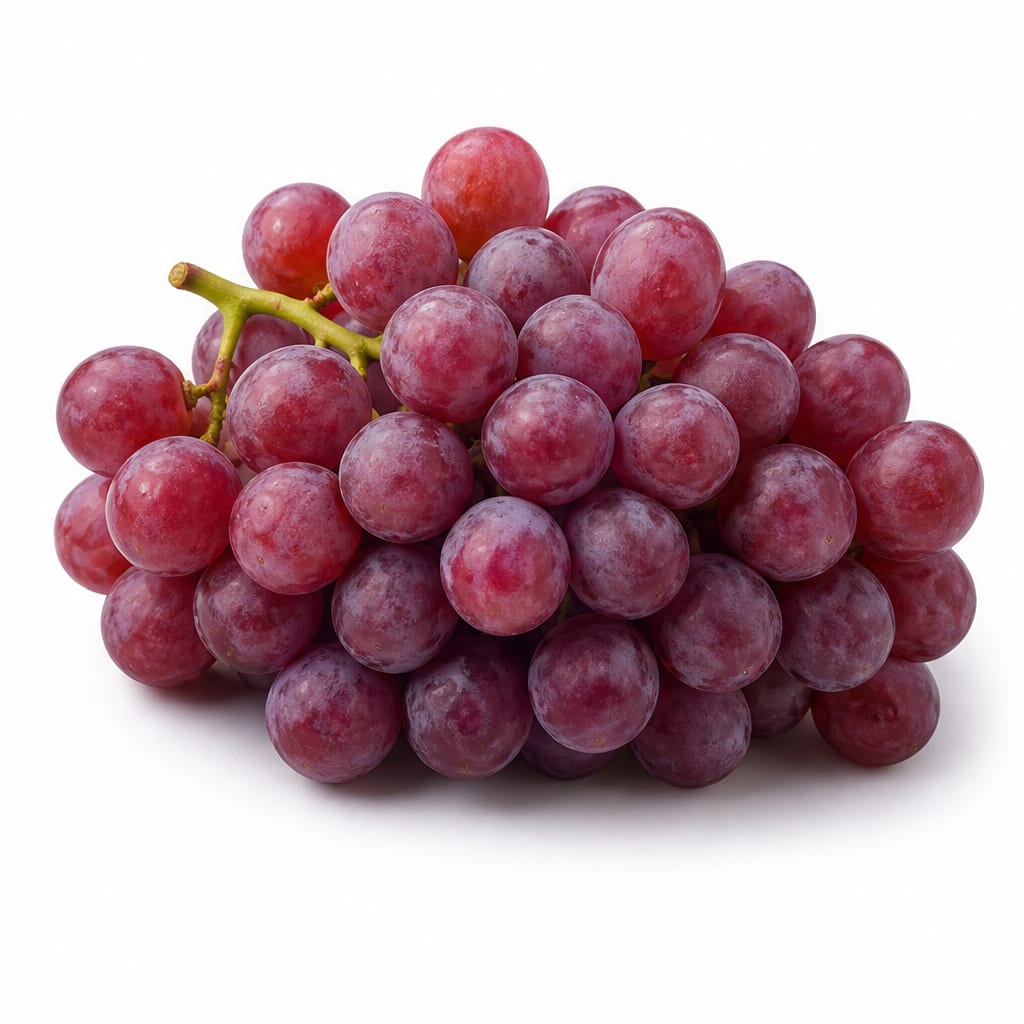
Grapes
Jabuticaba is the nutritional powerhouse, but Grapes win on practicality. If you can get fresh Jabuticaba, it is the superior fruit for antioxidants and fiber. For daily life, Grapes are the realistic choice.
Jabuticaba scores higher nutritionally due to superior antioxidant concentration and fiber content, but Grapes close the gap significantly through universal availability, longer shelf life, and realistic daily usability. A fruit you can actually eat daily outranks a superior fruit you can rarely obtain.
Exceptional nutrient density versus everyday accessibility. Jabuticaba delivers more health benefits per bite, but Grapes deliver consistency because you can actually find and eat them regularly.
At a glance
Executive summary
Overall
It depends
Healthier
Jabuticaba
More practical
Grapes
Daily use
Grapes
Key comparison lenses
antioxidant density and anti aging benefits
Jabuticaba is legendary for its anthocyanin concentration, far exceeding common grapes, making this the most compelling differentiator
accessibility and everyday practicality
Grapes are globally available year-round while Jabuticaba is extremely perishable and nearly impossible to find outside Brazil
blood sugar and metabolic impact
Both are sweet fruits but differ significantly in fiber-to-sugar ratio, affecting glucose response
weight management and satiety
Fiber density and calorie content differ enough to influence snacking behavior and fullness
long term disease prevention
Both offer polyphenols but at very different concentrations, which may influence chronic disease risk over years of consumption
Best choice for
Jabuticaba
- Antioxidant maximization and anti-aging protocols
- Anti-inflammatory diets and joint health
- Gut microbiome support through high polyphenol intake
- Brazilians with access to fresh local markets
- Adventurous eaters seeking nutrient-dense exotic fruits
Grapes
- Consistent daily fruit intake without hassle
- Portable snacking at work or school
- Meal prep and weekly grocery planning
- Families needing kid-friendly fruit options
- Anyone outside tropical South America
Least suitable for
Jabuticaba
- Anyone outside Brazil or specialty import regions
- Meal preppers needing fruit that lasts all week
- Budget-conscious shoppers (imported Jabuticaba is expensive)
- People who need reliable year-round availability
Grapes
- Those seeking maximum antioxidant impact per calorie
- People wanting the highest fiber fruit snack
- Anyone avoiding higher-sugar fruits for strict low-carb diets
Deep comparison
Dimension by dimension
Each lens scores both foods and breaks down who each option suits.
- Dimension 1 · Priority 95Jabuticaba
antioxidant_density
Jabuticaba · 96Grapes · 62Jabuticaba's dark purple skin contains some of the highest anthocyanin levels measured in any fruit, dramatically surpassing Grapes.
Tradeoff
You get far more cell-protective compounds per serving with Jabuticaba, but only when you can find it fresh.
Why it matters
Anthocyanins combat oxidative stress, support vascular health, and may slow cognitive decline. Higher intake correlates with lower chronic disease risk.
Real-world impact
Regular Jabuticaba consumption could meaningfully reduce inflammation markers over months. Grapes offer benefits too, but you would need larger portions to approach similar polyphenol intake.
Jabuticaba
- Anti-aging and longevity-focused diets
- Chronic inflammation management
- Cardiovascular protection strategies
Better for
- People who cannot source it regularly, making antioxidant benefits intermittent
Worse for
Grapes
- Moderate antioxidant intake without specialty shopping
- Consistent but lower polyphenol consumption year-round
Better for
- Those needing therapeutic-level antioxidant support from food alone
Worse for
- Dimension 2 · Priority 82Jabuticaba
fiber_and_digestive_health
Jabuticaba · 85Grapes · 55Jabuticaba provides significantly more dietary fiber per serving, especially soluble fiber from its thick skin, supporting better digestion and gut bacteria.
Tradeoff
More fiber means better satiety and gut health with Jabuticaba, but the texture of eating the skin can be unfamiliar and slightly astringent.
Why it matters
Fiber slows sugar absorption, feeds beneficial gut bacteria, and keeps you full longer. Most people eat far too little fiber.
Real-world impact
A Jabuticaba snack will keep you satisfied longer and cause less of a blood sugar spike compared to an equivalent serving of Grapes.
Jabuticaba
- Gut microbiome optimization
- Blood sugar management through fiber buffering
- People needing more satiety from fruit snacks
Better for
- People unaccustomed to high-fiber fruit who may experience temporary bloating
Worse for
Grapes
- Those who prefer softer, easier-to-chew fruit textures
- Children who may resist eating fibrous fruit skins
Better for
- Anyone relying on fruit as a primary fiber source
Worse for
- Dimension 3 · Priority 80Jabuticaba
sugar_content_and_blood_impact
Jabuticaba · 74Grapes · 58Jabuticaba has a better fiber-to-sugar ratio, resulting in a gentler blood sugar response. Grapes are notably sugar-dense for their fiber content.
Tradeoff
Both are sweet fruits that raise blood sugar, but Jabuticaba's fiber blunts the spike more effectively. Grapes are easier to overeat due to their pop-in-your-mouth nature.
Why it matters
Frequent blood sugar spikes drive cravings, fatigue, and long-term metabolic risk. The delivery format of sugar matters as much as the amount.
Real-world impact
Eating a large bowl of Grapes can cause a noticeable energy crash. Jabuticaba's fiber slows absorption, giving steadier energy.
Jabuticaba
- Pre-diabetics seeking lower-glycemic fruit options
- Anyone managing afternoon energy crashes
- Low-carb dieters who still want fruit occasionally
Better for
- Not applicable — lower sugar impact is universally beneficial here
Worse for
Grapes
- Athletes needing quick post-workout sugar replenishment
- Endurance activities requiring fast carbohydrate
Better for
- People with insulin resistance or metabolic syndrome
- Those prone to sugar cravings triggered by blood sugar spikes
Worse for
- Dimension 4 · Priority 92Grapes
availability_and_convenience
Jabuticaba · 18Grapes · 94Grapes are available in virtually every grocery store worldwide year-round. Jabuticaba is extremely perishable and rarely found outside Brazil, even in specialty markets.
Tradeoff
The healthiest fruit in the world provides zero benefit if you cannot buy it. Grapes win this category overwhelmingly.
Why it matters
Nutrition only works when it is sustainable. A food you can access daily will always outperform a superior food you eat twice a year.
Real-world impact
Most people reading this comparison will have Grapes in their fridge this week but have never seen fresh Jabuticaba for sale anywhere near them.
Jabuticaba
- Residents of Brazil with access to fresh local markets
- Travelers visiting São Paulo or Minas Gerais during season
Better for
- Anyone needing reliable weekly fruit supply
- Rural areas without specialty import stores
Worse for
Grapes
- Everyone else on the planet
- Weekly meal preppers
- Office snack planners
- Parents packing school lunches
Better for
- Not applicable — availability is a non-negotiable practical advantage
Worse for
- Dimension 5 · Priority 75Grapes
shelf_life_and_waste
Jabuticaba · 15Grapes · 78Jabuticaba begins fermenting within 2-3 days of harvest. Grapes last 1-2 weeks refrigerated, making them far more practical for weekly shopping.
Tradeoff
Jabuticaba's extreme perishability means you must consume or process it almost immediately. Grapes give you a comfortable buffer.
Why it matters
Food waste is expensive and demoralizing. Fruits that spoil before you eat them discourage healthy eating habits.
Real-world impact
Buy Jabuticaba on Friday and it may be fermenting by Sunday. Grapes bought on Monday are still good the following weekend.
Jabuticaba
- People who eat fruit immediately after purchase
- Those willing to freeze or make jam from fresh fruit quickly
Better for
- Anyone who cannot consume fruit within 48 hours of purchase
- People who hate wasting food and money
Worse for
Grapes
- Weekly grocery shoppers who buy in bulk
- Busy households where fruit sits in the fridge for days
Better for
- Not applicable — longer shelf life is always a practical advantage
Worse for
- Dimension 6 · Priority 68Jabuticaba
vitamin_and_mineral_profile
Jabuticaba · 78Grapes · 65Jabuticaba offers more vitamin C, calcium, and iron per serving. Grapes provide decent vitamin K and some B vitamins but are less micronutrient-dense overall.
Tradeoff
Neither fruit is a standout vitamin source compared to citrus or leafy greens, but Jabuticaba edges ahead on several minerals.
Why it matters
Micronutrient density per calorie matters when fruit is a daily staple. Small advantages compound over years of consumption.
Real-world impact
If you eat fruit daily as a mineral source, Jabuticaba gives slightly more nutritional value per serving, though both should be complemented by other foods.
Jabuticaba
- Those relying on fruit for supplemental iron and calcium
- Vitamin C optimization for immune support
Better for
- Not a significant concern — both are supplementary vitamin sources
Worse for
Grapes
- Vitamin K needs, particularly for bone health and blood clotting
Better for
- Those expecting grapes to be a strong micronutrient source
Worse for
Timeline
Health impact over time
Short-term
Hours to days
Jabuticaba
- Quick antioxidant boost from concentrated anthocyanins
- Moderate blood sugar rise buffered by high fiber content
- Possible mild digestive adjustment if unaccustomed to high polyphenol intake
Grapes
- Rapid energy from easily absorbed natural sugars
- Lighter digestive load due to lower fiber
- Risk of overconsumption leading to sugar crash due to easy eating format
Long-term
Months to years
Jabuticaba
- Potentially lower inflammatory markers with regular consumption
- Better gut microbiome diversity from high polyphenol and fiber intake
- Possible cardiovascular benefits from sustained anthocyanin exposure
- Realistically limited by availability — most people cannot consume it consistently enough for long-term effects
Grapes
- Moderate cardiovascular benefit from resveratrol in red grape varieties
- Consistent but modest antioxidant protection when eaten daily
- Higher cumulative sugar intake if portions are not managed
- Practical sustainability means long-term benefits are more likely to actually accumulate
Risk profile
Safety & processing
Both fruits are whole, unprocessed foods when eaten fresh. Jabuticaba is almost always consumed fresh or homemade into preserves in Brazil. Grapes are also naturally whole but face higher pesticide exposure in conventional farming. Choose organic Grapes when possible to reduce residue concerns.
Jabuticaba
Rapid fermentation and spoilage
mediumJabuticaba ferments within days at room temperature. Consuming partially fermented fruit may cause mild gastrointestinal discomfort in sensitive individuals.
Pesticide exposure in commercial cultivation
lowMost Jabuticaba is grown on small farms or backyard trees in Brazil with minimal pesticide use, but commercial operations may differ.
Grapes
Pesticide residue on conventionally grown Grapes
highGrapes consistently rank among the top fruits for pesticide residue in EWG testing. Thin skin and growing practices contribute to high contamination rates. Washing helps but does not eliminate all residues.
Choking hazard for young children
mediumWhole Grapes are a documented choking risk for children under 4. Always cut lengthwise before serving to young kids.
Who wins for whom
Audience fit
Same foods, different winners depending on your goal.
children
GrapesGrapes are familiar, sweet, and kid-approved, though they must be cut for safety. Jabuticaba's tart skin and unusual texture may be rejected by picky eaters, and its availability makes it impractical as a regular children's snack.
daily consumption
GrapesConsistency beats perfection. Grapes can be eaten daily year-round, while Jabuticaba is a seasonal specialty most people will never access regularly. Daily consumption requires daily availability.
diabetes
JabuticabaBetter fiber-to-sugar ratio means a gentler glycemic response. However, both fruits contain natural sugars and portion control remains essential for anyone managing diabetes.
elderly
GrapesGrapes are softer, easier to chew, and consistently available. Jabuticaba's thick skin may be difficult for those with dental issues, and its scarcity makes it an unreliable dietary staple for seniors.
muscle gain
GrapesGrapes provide faster-digesting carbohydrates useful post-workout, and their year-round availability supports consistent training nutrition. Neither fruit is a protein source.
weight loss
JabuticabaHigher fiber and lower sugar density make Jabuticaba more satiating per calorie, reducing the likelihood of overeating. Grapes are easy to overconsume due to their convenient eating format and high sugar content.
Your move
Decision guide
Choose Jabuticaba
- You live in or are visiting Brazil during Jabuticaba season
- You have access to frozen Jabuticaba pulp or high-quality preserves
- Maximizing antioxidant intake is a top health priority
- You want a high-fiber, lower-sugar fruit for metabolic health
- You enjoy tart, complex flavors and novel fruit experiences
Choose Grapes
- You need a reliable daily fruit available at any grocery store
- You are meal prepping for the week and need fruit that lasts
- You want a kid-friendly snack that requires no preparation beyond washing
- You need quick post-workout carbohydrates
- You live anywhere outside Brazil and want practical, affordable fruit
Either works if
- You simply want a serving of whole fruit with natural polyphenols
- You are building a diverse fruit rotation and both are available
- You have no specific metabolic concerns and enjoy variety
Avoid both if
- You are on a strict ketogenic diet and cannot accommodate fruit sugar
- You have a severe fructose intolerance or allergy to either fruit
- You are controlling blood sugar and cannot moderate fruit portions
Final recommendation
If you are lucky enough to encounter fresh Jabuticaba, eat it and enjoy one of nature's most potent antioxidant fruits. For the other 360 days of the year, Grapes are a perfectly good daily fruit — just buy organic when possible to avoid pesticide residues, and watch your portions since the sugar adds up quickly. The best fruit is always the one you will actually eat consistently.
Practical
Consumer tips
- 1
Buy organic Grapes whenever possible — they are consistently among the most pesticide-contaminated fruits in annual testing
- 2
If you find frozen Jabuticaba pulp, it retains most antioxidant benefits and is far more practical than fresh for smoothies
- 3
Freeze Grapes for a refreshing summer snack that also slows down eating speed, helping prevent overconsumption
- 4
Red and purple Grapes contain more resveratrol and anthocyanins than green varieties — choose darker colors for more antioxidant benefit
- 5
When eating Jabuticaba, consume the skin rather than sucking out only the pulp — most polyphenols and fiber are concentrated in the peel
- 6
Limit Grape portions to about 1 cup per sitting to keep sugar intake reasonable — a large bowl can easily deliver 30+ grams of sugar
- 7
If traveling in Brazil during Jabuticaba season (typically August through December), seek out local markets for the freshest fruit at the best prices