
Nutrition comparison
Jabuticaba vs Cherries: Antioxidant Power, Anti-Inflammatory Benefits, and Which to Pick
Compare jabuticaba and cherries for antioxidant density, anti-inflammatory effects, sleep benefits, and everyday practicality. Find out which purple fruit fits your health goals.
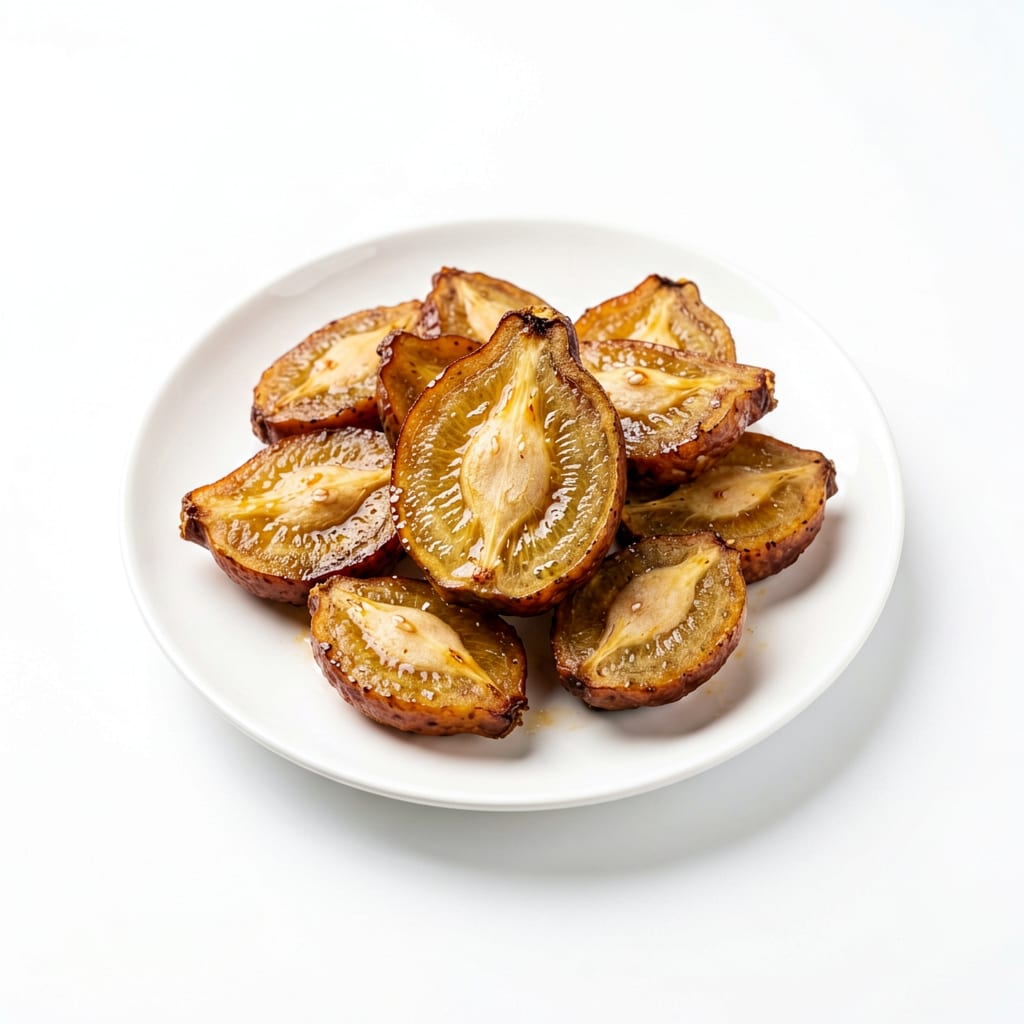
Jabuticaba
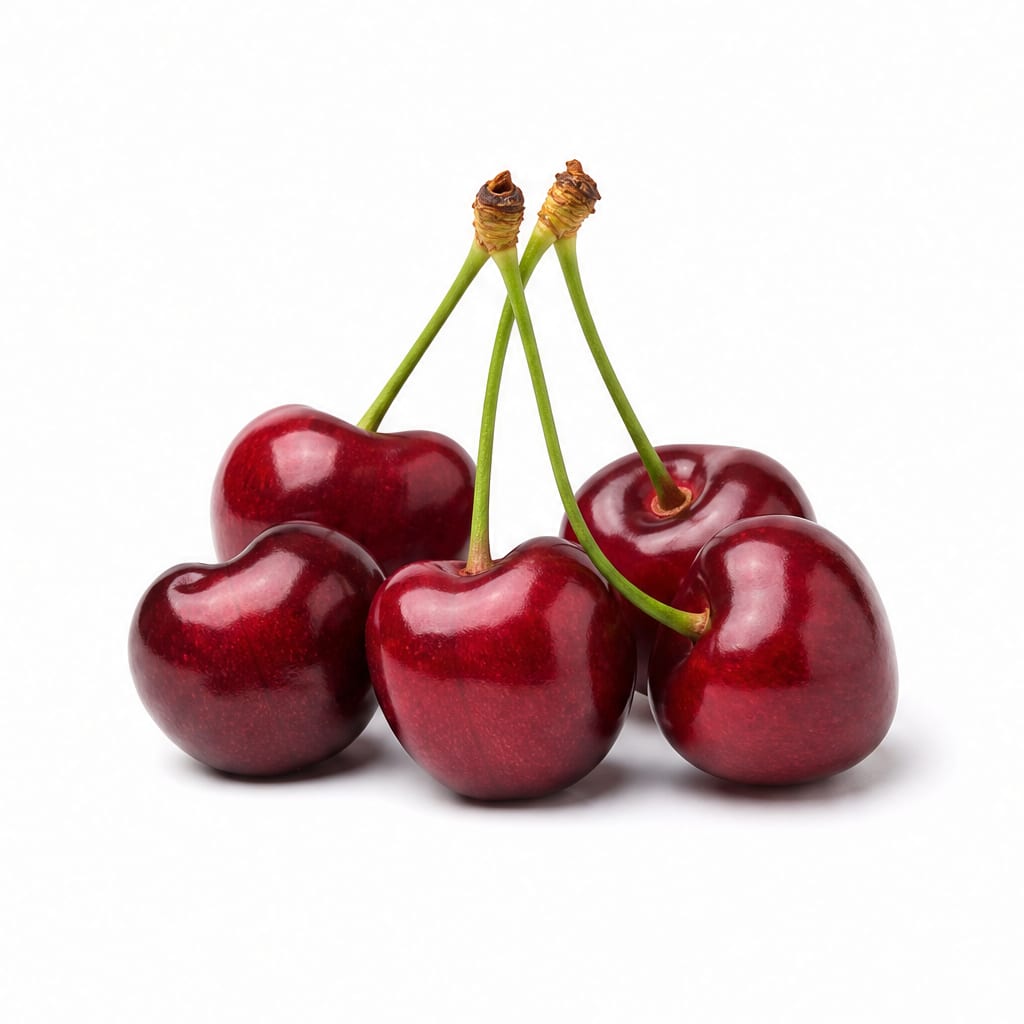
Cherries
Jabuticaba packs more antioxidants per bite, but cherries win on availability, versatility, and evidence-backed health benefits you can actually use daily.
Jabuticaba scores higher on raw nutrient density but loses significant ground on availability, shelf life, and evidence depth. Cherries score well across all practical dimensions with strong clinical backing, making them the more usable choice for most people.
Unmatched antioxidant density in jabuticaba versus the practical reality that cherries are accessible, well-studied, and easier to make a habit of.
At a glance
Executive summary
Overall
It depends
Healthier
It depends
More practical
Cherries
Daily use
Cherries
Key comparison lenses
antioxidant density and anti inflammatory power
Both fruits are celebrated for deep purple pigments linked to powerful anti-inflammatory effects, making this the core reason users compare them
accessibility and everyday practicality
Jabuticaba is notoriously hard to find outside Brazil while cherries are globally available, creating a massive real-world usability gap
skin and digestive benefits
Jabuticaba's thick edible skin delivers unique fiber and compound density that cherries cannot match
exercise recovery and sleep support
Cherries especially tart varieties have strong evidence for muscle recovery and melatonin-driven sleep benefits
sugar and calorie conscious snacking
Both are natural fruit snacks with moderate sugar, users want to know which fits better into calorie-aware eating
Best choice for
Jabuticaba
- Antioxidant maximization when available fresh
- Digestive regularity from high skin fiber
- Anti-aging and skin health focus
- Exploring unique Brazilian superfruits
Cherries
- Consistent daily anti-inflammatory support
- Post-workout muscle recovery
- Better sleep quality
- Gout and joint pain management
- Reliable year-round nutrition
Least suitable for
Jabuticaba
- Anyone outside tropical growing regions seeking daily consistency
- Meal prep and weekly planning due to extreme perishability
- Budget-conscious shoppers outside Brazil
Cherries
- Those seeking the absolute highest antioxidant concentration per gram
- People wanting novel gut-specific fiber benefits from thick fruit skins
Deep comparison
Dimension by dimension
Each lens scores both foods and breaks down who each option suits.
- Dimension 1 · Priority 95Jabuticaba
antioxidant_density
Jabuticaba · 94Cherries · 82Jabuticaba's thick dark skin delivers one of the highest anthocyanin concentrations of any fruit, surpassing even dark cherries.
Tradeoff
You get more antioxidant power per gram from jabuticaba, but cherries still provide excellent levels with far more research confirming real health outcomes.
Why it matters
Higher antioxidant density means more cellular protection per calorie, which matters for aging, inflammation, and chronic disease prevention.
Real-world impact
Eating jabuticaba is like getting a concentrated supplement in fruit form. Cherries give you a solid dose that is easier to maintain as a habit.
Jabuticaba
- Maximizing antioxidant intake in small portions
- Targeting skin and cellular aging aggressively
Better for
- Lacks clinical trials confirming specific health outcomes
Worse for
Cherries
- Consistent long-term antioxidant intake backed by human studies
- Combining antioxidant benefits with proven sleep and recovery effects
Better for
- Lower concentration means you need larger servings for equivalent anthocyanin dose
Worse for
- Dimension 2 · Priority 90Cherries
availability_and_practicality
Jabuticaba · 25Cherries · 88Cherries are available in most grocery stores worldwide for much of the year. Jabuticaba is extremely perishable and rarely found outside Brazil or specialty markets.
Tradeoff
The most nutrient-dense option is the hardest to get, while the slightly less potent option is always within reach.
Why it matters
A superfruit you cannot buy regularly provides zero benefit. Consistency beats perfection in real-world nutrition.
Real-world impact
You can build cherry consumption into your weekly routine easily. Jabuticaba remains a rare treat for most people, not a reliable health strategy.
Jabuticaba
- Specialty nutrition when traveling in South America
- Frozen pulp versions in select Brazilian markets
Better for
- Ferments within 3 days of harvest
- Almost impossible to find fresh outside growing regions
- Expensive when imported
Worse for
Cherries
- Weekly grocery shopping anywhere
- Online ordering and delivery
- Frozen and dried options that retain most nutrients
Better for
- Out-of-season cherries can be costly and lower quality
Worse for
- Dimension 3 · Priority 85Cherries
anti_inflammatory_and_joint_health
Jabuticaba · 78Cherries · 88Cherries especially tart varieties have strong clinical evidence for reducing gout flares, joint pain, and systemic inflammation markers.
Tradeoff
Jabuticaba likely has similar potential due to its anthocyanin profile, but the human evidence simply does not exist yet.
Why it matters
For people with arthritis, gout, or chronic inflammation, choosing a fruit with proven results matters more than theoretical advantages.
Real-world impact
Gout sufferers can point to real studies showing cherry consumption reduces attack frequency. Jabuticaba users are guessing based on compound similarity.
Jabuticaba
- Theoretical anti-inflammatory potential from higher anthocyanin load
Better for
- No human clinical trials for inflammatory conditions
Worse for
Cherries
- Documented reduction in gout attacks
- Proven lowering of CRP and inflammatory markers
- Recommended by rheumatology guidelines
Better for
- Tart cherry juice often contains added sugars that counteract benefits
Worse for
- Dimension 4 · Priority 75Cherries
sleep_and_exercise_recovery
Jabuticaba · 40Cherries · 86Tart cherries are one of the few natural melatonin sources with proven benefits for sleep quality and post-exercise muscle recovery.
Tradeoff
This is a uniquely cherry advantage. Jabuticaba has no known melatonin content or recovery research.
Why it matters
Athletes and poor sleepers get a two-for-one benefit from cherries that no other common fruit matches.
Real-world impact
Drinking tart cherry juice after training reduces soreness and improves next-day performance. Better sleep from evening consumption is a bonus jabuticaba cannot offer.
Jabuticaba
- General antioxidant support for recovery
Better for
- No melatonin content documented
- Zero exercise recovery studies
Worse for
Cherries
- Natural melatonin for faster sleep onset
- Reduced muscle soreness after intense exercise
- Improved endurance with regular consumption
Better for
- Sweet cherries have less melatonin than tart varieties
Worse for
- Dimension 5 · Priority 70Jabuticaba
digestive_health_and_fiber
Jabuticaba · 85Cherries · 68Jabuticaba's thick edible skin provides exceptional insoluble fiber that supports gut motility and microbiome diversity more effectively than cherry skin.
Tradeoff
More fiber means better digestion but also potential bloating if you eat large quantities of jabuticaba too quickly.
Why it matters
Gut health underpins immunity, mood, and nutrient absorption. A high-fiber fruit skin advantage compounds over time.
Real-world impact
Regular jabuticaba eaters report noticeably improved digestion. Cherries help too, but the fiber difference is tangible.
Jabuticaba
- Superior insoluble fiber from thick skins
- Potential prebiotic effects from unique skin polysaccharides
Better for
- High fiber load can cause bloating if overconsumed
Worse for
Cherries
- Gentler fiber that is easier on sensitive stomachs
- Well-tolerated in larger quantities
Better for
- Less fiber per serving means smaller gut health contribution
Worse for
- Dimension 6 · Priority 65It depends
sugar_and_calorie_awareness
Jabuticaba · 70Cherries · 72Both fruits have comparable sugar and calorie profiles. Sweet cherries can be slightly higher in sugar than jabuticaba, but the difference is modest.
Tradeoff
Neither fruit is a low-sugar option, but both are far better choices than processed sweets for satisfying a sugar craving.
Why it matters
For blood sugar management or calorie counting, understanding that these are moderate-sugar fruits helps with portion planning.
Real-world impact
A cup of either fruit delivers roughly 80-100 calories with natural sugars. Both are reasonable snacks that will not spike blood sugar dramatically when eaten whole.
Jabuticaba
- Slightly lower natural sugar per serving
- Higher fiber slows sugar absorption more effectively
Better for
- Easy to overeat when fresh due to addictive taste and small size
Worse for
Cherries
- Tart cherry varieties offer notably lower sugar options
- Easier to portion control due to consistent sizing
Better for
- Sweet cherries can have 18g sugar per cup
Worse for
Timeline
Health impact over time
Short-term
Hours to days
Jabuticaba
- Quick antioxidant boost from concentrated anthocyanins in skin
- Noticeable digestive regularity from high fiber intake
- Satisfying sweet treat that curbs sugar cravings naturally
Cherries
- Reduced post-exercise soreness within hours of consumption
- Mild sleep improvement when eaten in the evening
- Natural energy lift without caffeine-like crash
Long-term
Months to years
Jabuticaba
- Potential anti-aging benefits from sustained high antioxidant intake
- Improved gut microbiome diversity from unique fiber compounds
- Possible metabolic protection though human evidence is limited
Cherries
- Fewer gout attacks and lower uric acid levels with regular consumption
- Better sustained sleep quality over months
- Reduced systemic inflammation markers linked to chronic disease prevention
Risk profile
Safety & processing
Both fruits are whole foods typically consumed in their natural state. Jabuticaba is almost always eaten fresh or as frozen pulp with no additives. Cherries are similarly clean when fresh, though processed cherry products like juices and dried cherries often contain added sugars.
Jabuticaba
Rapid fermentation and spoilage
mediumJabuticaba begins fermenting within 2-3 days of harvest, creating potential for consuming partially fermented fruit if not carefully inspected.
Pesticide exposure in commercial cultivation
lowMost jabuticaba is grown on small farms with minimal chemical use, but imported commercial sources may vary.
Cherries
Pesticide residue on conventional cherries
mediumCherries consistently appear on the EWG Dirty Dozen list with detectable pesticide residues. Washing helps but does not eliminate all residues.
Added sugars in processed cherry products
mediumTart cherry juice and dried cherries frequently contain significant added sugars that undermine the health benefits.
Who wins for whom
Audience fit
Same foods, different winners depending on your goal.
children
CherriesCherries are familiar, fun to eat, widely available, and pose no digestive surprises. Jabuticaba's high fiber could upset young stomachs in quantity.
daily consumption
CherriesYou can buy cherries most of the year, store them for days, and integrate them into meals easily. Jabuticaba's 3-day shelf life and limited availability make daily use unrealistic for most people.
diabetes
It dependsTart cherries have a lower glycemic impact and more research on blood sugar benefits. Jabuticaba has more fiber to slow absorption but lacks clinical evidence. Either works in moderation.
elderly
CherriesCherries offer proven joint health and sleep benefits that directly address common elderly concerns, plus they are easier to find and prepare consistently.
muscle gain
CherriesTart cherries reduce exercise-induced muscle damage and speed recovery, directly supporting training volume and progressive overload.
weight loss
CherriesCherries are easier to portion, more filling per handful, and available in tart varieties with lower sugar. Consistency in consumption matters more for weight management than occasional nutrient density.
Your move
Decision guide
Choose Jabuticaba
- You live in or visit Brazil and can access fresh jabuticaba regularly
- You want the most antioxidant-dense fruit possible and can eat it within days of harvest
- Digestive regularity is a top priority and you tolerate high fiber well
- You enjoy exploring unique superfruits with cultural significance
Choose Cherries
- You want a proven anti-inflammatory fruit you can eat year-round
- Sleep quality or exercise recovery matters to your daily performance
- You have gout or joint pain and want evidence-backed relief
- You need a healthy snack that fits into normal grocery shopping
- You prefer tart flavors and lower sugar options
Either works if
- You simply want a natural sweet treat instead of processed desserts
- Antioxidant-rich fruits are your goal and both are available
- You enjoy rotating different fruits for nutrient diversity
Avoid both if
- You have a strict very-low-carb or ketogenic diet requiring under 20g carbs daily
- You have a severe allergy to stone fruits or similar tropical fruits
- You need high-protein snacks and fruit does not fit your macro targets
Final recommendation
Make cherries your daily anti-inflammatory fruit for their proven benefits and reliable availability. When you encounter fresh jabuticaba, treat it as a nutrient-dense bonus. The best fruit for your health is always the one you can actually eat consistently.
Practical
Consumer tips
- 1
Buy organic cherries when possible to reduce pesticide exposure since they rank high on the Dirty Dozen list
- 2
If you find frozen jabuticaba pulp, it retains most antioxidants and lasts months instead of days
- 3
Tart cherries deliver more health benefits than sweet cherries for sleep and recovery, though they are less enjoyable as a fresh snack
- 4
Pair either fruit with a handful of nuts to slow sugar absorption and stay full longer
- 5
Avoid cherry juices with added sugar and check labels on dried cherries which often contain sulfites and sweeteners
- 6
Wash cherries thoroughly under running water even if you plan to remove the pits
- 7
When jabuticaba is available, eat it within 48 hours and refrigerate immediately to slow fermentation