
Nutrition comparison
Jabuticaba vs Pomegranate: Antioxidant Power, Availability, and Health Benefits Compared
Jabuticaba packs more antioxidants per bite, but pomegranate wins on availability, shelf life, and clinical evidence. Find out which exotic superfruit is better for your health goals.
Overall winner · Pomegranate
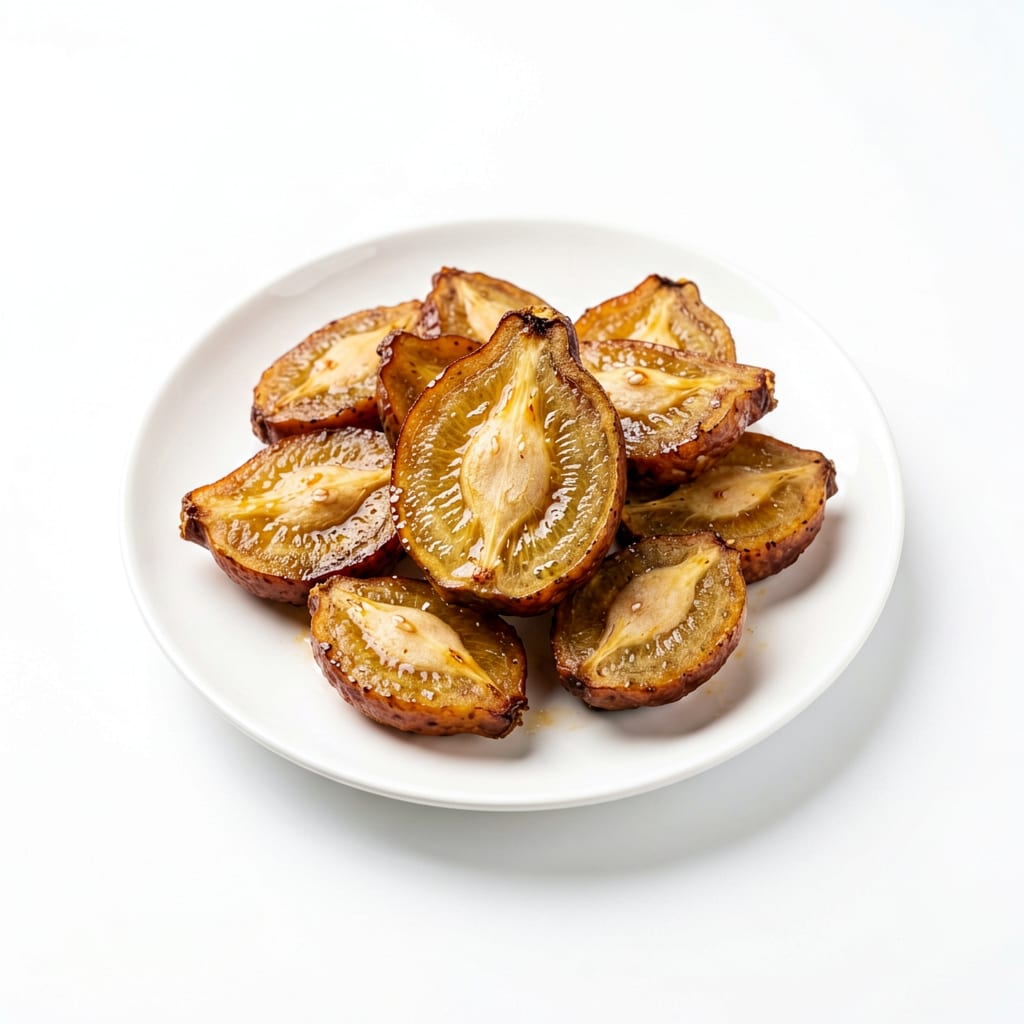
Jabuticaba
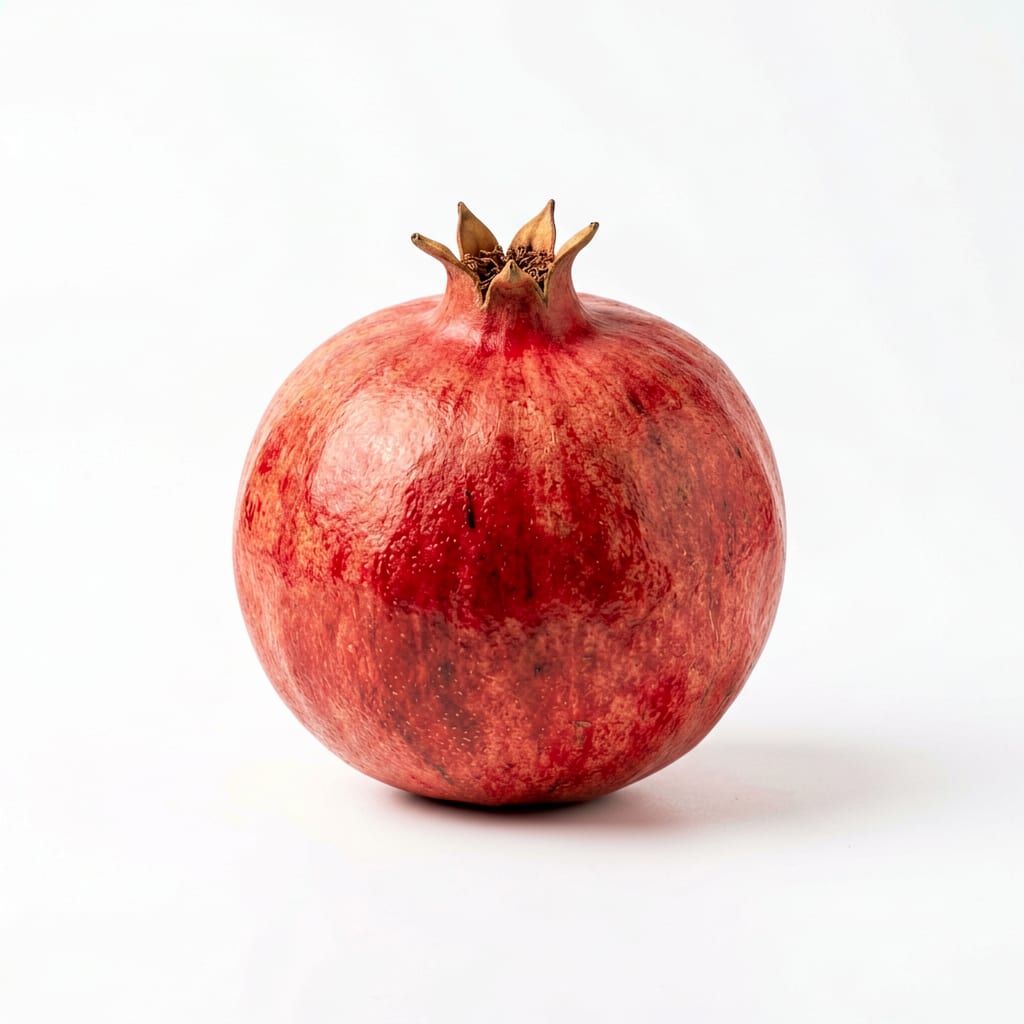
Pomegranate
Pomegranate wins on practicality and evidence-backed health benefits, but jabuticaba offers a denser antioxidant punch when you can actually get it fresh.
Jabuticaba scores well on raw nutritional density but loses significant ground on availability, shelf stability, and evidence depth. Pomegranate's combination of strong antioxidants, proven health outcomes, and everyday practicality gives it a clear but not overwhelming edge.
Jabuticaba delivers more concentrated polyphenols per bite but spoils within days and is nearly impossible to find outside Brazil. Pomegranate sacrifices some antioxidant density for global availability, longer shelf life, and decades of clinical research.
At a glance
Executive summary
Overall
Pomegranate
Healthier
Pomegranate
More practical
Pomegranate
Daily use
Pomegranate
Key comparison lenses
antioxidant potential
Both fruits are celebrated for exceptionally high antioxidant content, making this the primary reason users compare them
accessibility and practicality
Jabuticaba is extremely perishable and regionally limited while pomegranate is globally available, creating a major real-world decision factor
anti inflammatory benefits
Both are used traditionally for inflammation-related conditions and users often seek them for this purpose
heart health support
Pomegranate has strong clinical evidence for cardiovascular benefits; jabuticaba is emerging but less studied
exotic vs reliable nutrition
Users often weigh the allure of a rare superfruit against the dependability of a well-researched staple
Best choice for
Jabuticaba
- Travelers or residents in Brazil who can access fresh jabuticaba regularly
- People seeking the highest possible anthocyanin intake from a whole food
- Those wanting a novel fruit experience with unique polyphenol profiles
- Individuals interested in traditional South American herbal remedies
Pomegranate
- Anyone needing a reliable, year-round antioxidant-rich fruit
- People focused on heart health who want clinically supported benefits
- Those who value longer shelf life and easier meal prep
- Users looking for versatile fruit that works in sweet and savory dishes
Least suitable for
Jabuticaba
- Anyone outside tropical South America seeking consistent daily nutrition
- People who need meal-prep-friendly ingredients that last the week
- Those on a budget who cannot afford imported specialty produce
- Consumers who dislike tart, astringent flavors
Pomegranate
- People who find seeding pomegranates too tedious for regular use
- Those sensitive to astringent tannins in the peel and membrane
- Individuals on very low-fiber diets who need to limit seed intake
Deep comparison
Dimension by dimension
Each lens scores both foods and breaks down who each option suits.
- Dimension 1 · Priority 93Jabuticaba
antioxidant_density
Jabuticaba · 92Pomegranate · 85Jabuticaba packs more anthocyanins per gram than almost any common fruit, including pomegranate. Its dark purple skin is a concentrated source of these compounds.
Tradeoff
You get more antioxidant power per bite from jabuticaba, but only if you eat it immediately after harvest. Pomegranate retains its antioxidant potency for weeks in the fridge.
Why it matters
Anthocyanins protect cells from oxidative damage and support brain, heart, and metabolic health over time.
Real-world impact
If you live near a jabuticaba tree and eat the fruit fresh, you are getting one of the most potent antioxidant foods on earth. For everyone else, pomegranate delivers reliable daily protection.
Jabuticaba
- Maximizing anthocyanin intake when fresh fruit is available
- People who can consume within hours of harvest
Better for
- Antioxidant degradation begins within 24 hours of picking
- Frozen or processed jabuticaba loses significant potency
Worse for
Pomegranate
- Consistent daily antioxidant intake over months and years
- Those who store fruit before eating
Better for
- Slightly lower anthocyanin concentration per serving compared to ultra-fresh jabuticaba
Worse for
- Dimension 2 · Priority 90Pomegranate
availability_and_convenience
Jabuticaba · 25Pomegranate · 88Pomegranate is sold in most grocery stores worldwide year-round. Jabuticaba is essentially unavailable outside Brazil and a few neighboring countries, and even there it is highly seasonal.
Tradeoff
You gain extraordinary nutritional value with jabuticaba but sacrifice any realistic chance of eating it regularly. Pomegranate is always there when you need it.
Why it matters
The healthiest food in the world does nothing if you cannot access it. Consistency beats intensity for long-term health outcomes.
Real-world impact
Most people reading this comparison will never see fresh jabuticaba at their local store. Pomegranate can become a weekly habit starting today.
Jabuticaba
- Residents of southeastern Brazil during harvest season
- Travelers seeking unique local superfoods
Better for
- Zero availability in North America, Europe, Asia, and most of the world
- Even in Brazil, the season is brief and supply is unpredictable
Worse for
Pomegranate
- Anyone who shops at a standard supermarket
- People who want to meal-prep on Sunday for the whole week
- Those living outside tropical South America
Better for
- Seeding takes time and can feel like a chore
- Pre-packaged arils are expensive
Worse for
- Dimension 3 · Priority 85Pomegranate
heart_health_evidence
Jabuticaba · 55Pomegranate · 90Pomegranate has decades of clinical research supporting its cardiovascular benefits, including blood pressure reduction and arterial health. Jabuticaba shows promising lab results but lacks human trials.
Tradeoff
Pomegranate offers proven heart protection you can trust. Jabuticaba likely helps too, but the evidence is mostly from animal and cell studies.
Why it matters
If you are choosing a fruit specifically to support heart health, confidence in the evidence matters—especially for people with existing cardiovascular concerns.
Real-world impact
A cardiologist can confidently recommend pomegranate to patients. Jabuticaba would be a hopeful guess based on promising but incomplete science.
Jabuticaba
- People who value traditional use over clinical trials
- Those comfortable with emerging evidence
Better for
- No published human clinical trials for heart health
- Cannot be reliably recommended by healthcare providers
Worse for
Pomegranate
- Anyone with hypertension or cardiovascular risk factors
- People whose doctors recommend evidence-based dietary choices
- Users who want proven outcomes, not theoretical benefits
Better for
- Some studies were funded by the pomegranate industry, though findings remain robust
Worse for
- Dimension 4 · Priority 78Jabuticaba
fiber_and_digestive_health
Jabuticaba · 82Pomegranate · 74Jabuticaba provides more fiber per serving, especially when eaten with the skin. Pomegranate arils offer good fiber too, but the edible portion is smaller relative to total weight.
Tradeoff
Jabuticaba gives you more gut-friendly fiber per calorie, but pomegranate seeds provide a pleasant crunch that encourages slower eating and better satiety signals.
Why it matters
Fiber supports digestion, blood sugar control, and healthy gut bacteria. Most people do not get enough.
Real-world impact
Eating a bowl of fresh jabuticaba feels like a fiber supplement disguised as a treat. Pomegranate contributes solid fiber but you need to eat more arils to match it.
Jabuticaba
- People trying to increase daily fiber intake efficiently
- Those who eat the whole fruit including skin
Better for
- Some people discard the skin, losing most of the fiber benefit
- High tannin content can cause constipation in sensitive individuals if overconsumed
Worse for
Pomegranate
- People who prefer crunchy textures that slow down eating
- Those who find fibrous fruit skins unappealing
Better for
- The membrane between arils is bitter and usually discarded, reducing total fiber intake
Worse for
- Dimension 5 · Priority 76Pomegranate
shelf_life_and_waste
Jabuticaba · 15Pomegranate · 85Jabuticaba ferments within 2-3 days at room temperature. Pomegranates stay fresh for weeks refrigerated and arils freeze beautifully for months.
Tradeoff
Jabuticaba demands immediate consumption or processing, creating pressure and potential waste. Pomegranate fits into a relaxed weekly shopping routine.
Why it matters
Food waste is expensive and demoralizing. A fruit you throw away is a fruit that delivered zero nutrition.
Real-world impact
Buy jabuticaba on Friday and by Sunday it may be fermenting. Buy pomegranate on Monday and it is still perfect the following week.
Jabuticaba
- People who enjoy making jams, liqueurs, or fermented products from fresh fruit
- Those who eat fruit immediately upon purchase
Better for
- Extremely short window for fresh consumption
- High likelihood of spoilage and waste for most consumers
Worse for
Pomegranate
- Busy households that cannot use produce within 48 hours
- Anyone who buys in bulk or shops weekly
- People who freeze fruit for smoothies
Better for
- Whole pomegranates left at room temperature for over a week may dry out
Worse for
- Dimension 6 · Priority 82It depends
anti_inflammatory_potential
Jabuticaba · 86Pomegranate · 84Both fruits are anti-inflammatory powerhouses through different pathways. Jabuticaba relies heavily on anthocyanins and ellagic acid. Pomegranate brings punicalagins and punicic acid alongside its own anthocyanins.
Tradeoff
Jabuticaba may offer slightly stronger acute anti-inflammatory effects due to higher anthocyanin density. Pomegranate provides broader anti-inflammatory coverage across more pathways, which may matter more for chronic conditions.
Why it matters
Chronic inflammation drives heart disease, diabetes, and aging. The fruit you can eat consistently will always outperform the one you cannot.
Real-world impact
For a tropical resident with daily access, jabuticaba might edge out pomegranate for inflammation. For everyone else, pomegranate's consistency and multi-pathway approach wins in practice.
Jabuticaba
- Acute anti-inflammatory needs when fruit is ultra-fresh
- People who respond well to high-anthocyanin foods
Better for
- Inconsistent access means inconsistent anti-inflammatory benefit
- Rapid degradation reduces potency if not consumed immediately
Worse for
Pomegranate
- Chronic inflammation management over months and years
- People who want multiple anti-inflammatory compounds working together
Better for
- Slightly lower anthocyanin concentration than ultra-fresh jabuticaba
Worse for
Timeline
Health impact over time
Short-term
Hours to days
Jabuticaba
- Quick antioxidant surge when eaten fresh off the tree
- Mild digestive stimulation from fiber and natural acids
- Possible mild stomach discomfort if overeaten due to high tannin content
- Satisfying burst of sweet-tart flavor that curbs sugar cravings
Pomegranate
- Steady energy without blood sugar spikes due to fiber-rich arils
- Refreshing hydration from high water content
- Slight appetite suppression from the effort of eating arils and the fiber load
- Temporary improvement in oral bacteria balance from antimicrobial compounds
Long-term
Months to years
Jabuticaba
- Likely cardiovascular protection based on animal studies, but human data is lacking
- Potential anti-aging effects from concentrated anthocyanins if consumed regularly
- Possible improved insulin sensitivity suggested by rodent studies
- Risk of inconsistent benefits due to sporadic availability
Pomegranate
- Documented reduction in blood pressure and arterial plaque progression
- Improved endothelial function supported by multiple human trials
- Potential protection against certain cancers through apoptosis-inducing compounds
- Sustained anti-inflammatory benefits with regular consumption over months
Risk profile
Safety & processing
Both fruits are whole, unprocessed foods when eaten fresh. Jabuticaba is almost always consumed whole and raw. Pomegranate is typically eaten as fresh arils or minimally processed juice. Watch out for added sugars in pomegranate juice blends and preservatives in packaged arils.
Jabuticaba
Rapid fermentation and mold growth
mediumJabuticaba spoils within 2-3 days and can develop mold or fermentation that causes stomach upset if consumed past prime.
High tannin exposure from overconsumption
lowEating very large quantities may cause constipation or interfere with iron absorption due to tannin content in the skin.
Pesticide exposure in commercial cultivation
lowLimited data exists on pesticide practices for jabuticaba, but most production is small-scale with lower chemical inputs.
Pomegranate
Pesticide residue on conventional pomegranates
mediumPomegranates frequently appear on EWG's expanded dirty dozen list. The thick peel offers some protection, but residues can transfer to hands and arils during opening.
Medication interactions with pomegranate juice
mediumPomegranate juice may interact with blood pressure medications and statins similarly to grapefruit, though the effect is milder and less well-documented.
Choking hazard for young children
lowIndividual aril seeds can pose a minor choking risk for toddlers. The seeds themselves are safe to swallow but require supervision.
Who wins for whom
Audience fit
Same foods, different winners depending on your goal.
children
PomegranateKids enjoy the sweet-tart crunch of pomegranate arils, and the seeds are a fun food to eat. Jabuticaba's tartness and tannin astringency can be off-putting for young palates, plus it stains fingers and clothes intensely.
daily consumption
PomegranateDaily habits require daily access. Pomegranate is available year-round in most countries. Jabuticaba cannot sustain a daily habit for 99% of the world's population.
diabetes
PomegranatePomegranate has a lower glycemic index and more clinical evidence for blood sugar regulation. The fiber in arils slows sugar absorption. Jabuticaba's sugar content can add up quickly when eaten by the handful.
elderly
PomegranatePomegranate's cardiovascular benefits are well-documented for older adults, and the fruit is easy to find. Jabuticaba's availability issues make it impractical for seniors who need consistent nutrition.
muscle gain
It dependsNeither fruit is a muscle-building food. Both offer antioxidants that support recovery, but protein content is negligible in both. Choose based on availability and personal preference.
weight loss
PomegranatePomegranate arils take time to eat, which naturally slows consumption and increases satiety. The effort-to-calorie ratio is high. Jabuticaba is easy to overeat quickly due to its pop-in-mouth grape-like nature.
Your move
Decision guide
Choose Jabuticaba
- You live in or are visiting Brazil during jabuticaba season and can eat it fresh
- You want the most antioxidant-dense fruit possible and have reliable access
- You enjoy tart, complex flavors and do not mind astringency
- You are interested in exploring traditional South American superfoods
Choose Pomegranate
- You want a heart-healthy fruit backed by real clinical evidence
- You need something you can buy at any grocery store any week of the year
- You prefer fruit that lasts in the fridge and freezes well
- You want versatile fruit for salads, yogurt, smoothies, and savory dishes
- You are building a sustainable long-term healthy eating pattern
Either works if
- You want anti-inflammatory fruit and both are available to you
- You are looking for natural sources of ellagic acid
- You enjoy exploring different antioxidant-rich fruits for variety
Avoid both if
- You are on a very low-fiber diet and cannot tolerate seeds or fruit skins
- You have a severe fructose intolerance
- You are taking medications that interact with potent fruit polyphenols without medical guidance
Final recommendation
For the vast majority of people, pomegranate is the better practical choice. It delivers proven health benefits, is available year-round, and fits easily into daily life. Jabuticaba is a nutritional treasure if you can get it fresh—but that is a big if. If you ever find yourself in Brazil during jabuticaba season, eat as much as you can. The rest of the time, pomegranate has you covered.
Practical
Consumer tips
- 1
Choose heavy pomegranates—they have more juice-filled arils inside
- 2
Open pomegranates underwater in a bowl to prevent juice splatter and easily separate arils from membrane
- 3
Freeze extra pomegranate arils on a baking sheet then transfer to a bag for months of smoothie-ready fruit
- 4
If you ever encounter fresh jabuticaba, eat it the same day and do not refrigerate—cold kills the flavor fast
- 5
Wash pomegranates thoroughly before cutting even though you discard the peel, since residues transfer to your hands and then to the arils
- 6
Jabuticaba liqueur and jam are traditional ways to preserve the fruit's benefits when you cannot eat it all fresh
- 7
Buy whole pomegranates over pre-packaged arils to save money and avoid potential preservatives