
Nutrition comparison
Jabuticaba vs Raspberries: Antioxidant Powerhouse vs Fiber Champion
Compare jabuticaba and raspberries nutritionally. Jabuticaba delivers extraordinary antioxidants but limited availability. Raspberries offer superior fiber, lower sugar, and daily practicality. Find out which berry fits your goals.

Jabuticaba
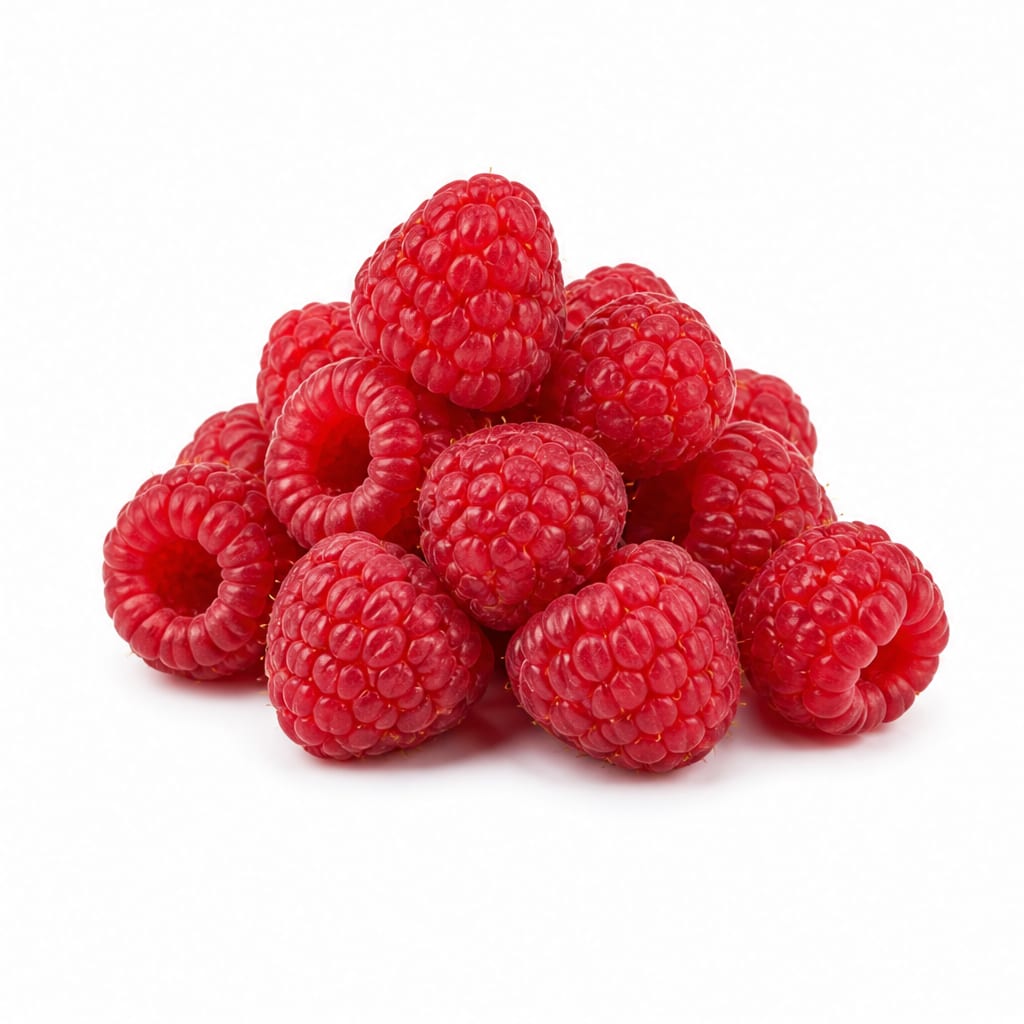
Raspberries
Jabuticaba delivers extraordinary antioxidant power but is nearly impossible to find fresh outside Brazil. Raspberries offer superior fiber, wider availability, and easier daily integration.
Jabuticaba scores high on antioxidant density and uniqueness but loses significant ground on availability, fiber, and practical daily use. Raspberries are a more complete everyday fruit with better fiber, lower sugar, and global accessibility.
Peak antioxidant novelty versus practical, fiber-rich reliability
At a glance
Executive summary
Overall
It depends
Healthier
Raspberries
More practical
Raspberries
Daily use
Raspberries
Key comparison lenses
antioxidant potency and anti-inflammatory benefits
Both fruits are antioxidant powerhouses, but jabuticaba's anthocyanin density in its skin is exceptional, making this the most nutritionally meaningful comparison point
accessibility and practical daily use
Raspberries are available year-round in most countries while jabuticaba is extremely perishable and nearly impossible to find fresh outside Brazil
fiber and digestive health
Raspberries are one of the highest-fiber fruits available, giving them a clear digestive health advantage users should know about
sugar content and blood sugar impact
Jabuticaba is noticeably sweeter with more natural sugars, which matters for anyone monitoring glucose or managing weight
culinary versatility
Raspberries integrate easily into meals, smoothies, and baking, while jabuticaba is mostly eaten fresh or used in traditional Brazilian preparations
Best choice for
Jabuticaba
- People in Brazil with access to fresh jabuticaba
- Antioxidant enthusiasts seeking rare anthocyanin-rich fruits
- Those interested in traditional South American superfruits
- Anyone wanting maximum skin-health compounds per bite
Raspberries
- Daily berry eaters who want consistent nutrition
- People prioritizing digestive health and fiber intake
- Anyone managing blood sugar or watching sugar content
- Home cooks wanting versatile fruit for meals and snacks
Least suitable for
Jabuticaba
- Anyone outside Brazil expecting reliable fresh access
- Low-sugar diet followers who need strict carb control
- People wanting a fruit they can meal-prep with weekly
- Those unfamiliar with the fruit who may waste it from improper storage
Raspberries
- People seeking the absolute highest anthocyanin concentration
- Those wanting a novel tropical fruit experience
- Anyone already bored of common berries wanting variety
Deep comparison
Dimension by dimension
Each lens scores both foods and breaks down who each option suits.
- Dimension 1 · Priority 92Jabuticaba
Antioxidant Density
Jabuticaba · 94Raspberries · 78Jabuticaba's dark purple skin packs some of the highest anthocyanin levels found in any fruit, surpassing raspberries in raw antioxidant concentration.
Tradeoff
You get more antioxidant power per bite from jabuticaba, but only if you eat the skin, which is slightly astringent and not everyone enjoys the texture.
Why it matters
Anthocyanins protect cells from oxidative stress and support skin, brain, and cardiovascular health over time.
Real-world impact
Eating jabuticaba regularly could offer stronger anti-aging and anti-inflammatory effects, but the practical reality is most people will never have consistent access.
Jabuticaba
- Maximum antioxidant intake per serving
- Anti-aging and skin health focus
- Reducing oxidative stress from intense exercise or pollution
Better for
- Inconsistent access means antioxidant intake is sporadic, reducing long-term benefit
Worse for
Raspberries
- Consistent daily antioxidant intake year-round
- Combining antioxidants with high fiber for gut-related anti-inflammatory benefits
Better for
- Lower total anthocyanin concentration compared to jabuticaba skin
Worse for
- Dimension 2 · Priority 85Raspberries
Fiber and Digestive Health
Jabuticaba · 52Raspberries · 93Raspberries are one of the highest-fiber fruits available with roughly 8g per cup, while jabuticaba provides moderate fiber at best.
Tradeoff
Raspberries deliver exceptional fiber that supports digestion, satiety, and blood sugar stability. Jabuticaba offers some fiber but cannot compete in this category.
Why it matters
Fiber is the nutrient most people consistently lack, and raspberries are one of the easiest ways to close that gap deliciously.
Real-world impact
A cup of raspberries with breakfast can meaningfully improve your daily fiber intake and keep you fuller longer. Jabuticaba would not move the needle as much.
Jabuticaba
- Provides some fiber if eaten with skin
Better for
- Significantly less fiber per serving
- Less effective at promoting satiety
Worse for
Raspberries
- Meeting daily fiber goals easily
- Improving gut microbiome diversity
- Staying full between meals
- Supporting healthy cholesterol levels
Better for
- No meaningful downside in this dimension
Worse for
- Dimension 3 · Priority 78Raspberries
Sugar Content and Blood Sugar Impact
Jabuticaba · 58Raspberries · 82Jabuticaba is noticeably sweeter with higher natural sugar content, while raspberries are among the lowest-sugar fruits available.
Tradeoff
Jabuticaba tastes more indulgent and dessert-like, but raspberries are gentler on blood sugar and easier to fit into low-carb eating patterns.
Why it matters
For anyone monitoring glucose, managing diabetes, or following a low-sugar approach, raspberries are clearly the safer daily choice.
Real-world impact
You can eat a generous bowl of raspberries without a blood sugar spike. Jabuticaba's sweetness makes portion awareness more important.
Jabuticaba
- Satisfying a sweet tooth with whole fruit instead of candy
- Enjoying fruit as a natural dessert experience
Better for
- Higher sugar load per serving
- Less suitable for frequent consumption if watching carbs
Worse for
Raspberries
- Stable blood sugar throughout the day
- Low-carb and keto-friendly fruit option
- Diabetes management
- Reducing sugar cravings over time
Better for
- May feel too tart for people accustomed to sweeter fruit
Worse for
- Dimension 4 · Priority 88Raspberries
Availability and Practicality
Jabuticaba · 18Raspberries · 90Raspberries are available in grocery stores worldwide year-round. Fresh jabuticaba is nearly impossible to find outside Brazil and spoils within days even when available.
Tradeoff
Jabuticaba is a rare tropical treasure but realistically inaccessible for most people. Raspberries are dependable and easy to incorporate into any lifestyle.
Why it matters
A fruit you cannot buy cannot improve your health, no matter how nutritious it is in theory.
Real-world impact
Most people reading this comparison will be able to buy raspberries this week. Almost no one outside Brazil will find fresh jabuticaba without specialty import or travel.
Jabuticaba
- Specialty food enthusiasts who enjoy seeking rare ingredients
- Brazilians with local access to fresh fruit
Better for
- Extreme perishability limits storage and transport
- Frozen or processed forms lose much of the fresh fruit's unique value
- Cannot be relied upon as a dietary staple
Worse for
Raspberries
- Consistent weekly grocery shopping
- Meal prep and planning
- Anyone who values reliability in their food choices
Better for
- Can be expensive out of season in some regions
Worse for
- Dimension 5 · Priority 65Raspberries
Culinary Versatility
Jabuticaba · 40Raspberries · 88Raspberries work in smoothies, salads, baking, yogurt bowls, sauces, and preserves. Jabuticaba is traditionally eaten fresh or made into liqueurs, jams, and wines in Brazil.
Tradeoff
Raspberries adapt to nearly any meal or recipe. Jabuticaba shines in specific traditional preparations but lacks broad culinary flexibility.
Why it matters
Fruit you enjoy in multiple ways gets eaten more often, which matters more for health than any single nutrient profile.
Real-world impact
You can throw raspberries into oatmeal, a salad, or a smoothie without thinking. Jabuticaba requires more intention and specific recipe knowledge.
Jabuticaba
- Making traditional Brazilian liqueurs and wines
- Unique jam and preserve recipes
- Impressing guests with an exotic fruit experience
Better for
- Limited recipe ecosystem outside Brazil
- Texture changes significantly when cooked or frozen
Worse for
Raspberries
- Everyday smoothies and breakfast bowls
- Baking into muffins, pies, and crisps
- Salad toppings and savory pairings
- Simple snacking straight from the container
Better for
- Can break down and get mushy in baked goods if overmixed
Worse for
- Dimension 6 · Priority 70It depends
Vitamin and Mineral Profile
Jabuticaba · 74Raspberries · 76Both fruits offer vitamin C and manganese, but jabuticaba provides more vitamin C per serving while raspberries deliver more manganese and folate.
Tradeoff
Jabuticaba edges ahead on immune-supporting vitamin C, while raspberries offer a slightly broader micronutrient spread including B vitamins.
Why it matters
Neither fruit should be your sole vitamin source, but both contribute meaningfully to daily micronutrient needs in different ways.
Real-world impact
Eating either fruit supports immune function and energy metabolism. The differences are modest and unlikely to be noticeable day-to-day.
Jabuticaba
- Higher vitamin C per serving for immune support
- Good source of calcium and iron relative to other fruits
Better for
- Less manganese and folate than raspberries
Worse for
Raspberries
- More manganese for bone health and metabolism
- Better folate content for cell repair and pregnancy nutrition
- Broader B-vitamin contribution
Better for
- Slightly less vitamin C per serving than jabuticaba
Worse for
Timeline
Health impact over time
Short-term
Hours to days
Jabuticaba
- Quick energy boost from natural sugars
- Noticeable satiety if eaten with skin due to tannin content
- Possible mild digestive adjustment if eating large quantities for the first time
Raspberries
- Sustained fullness from high fiber without energy crash
- Gentle on blood sugar even in larger portions
- Hydrating and refreshing with minimal caloric load
Long-term
Months to years
Jabuticaba
- Potent anti-inflammatory benefits from concentrated anthocyanins if consumed regularly
- Skin health support from high antioxidant intake
- Practically difficult to sustain consistent intake outside Brazil
Raspberries
- Improved digestive regularity and gut microbiome diversity from consistent fiber
- Cardiovascular support from combined fiber and antioxidant intake
- Lower long-term diabetes risk from low-sugar fruit habit
Risk profile
Safety & processing
Both fruits are whole, unprocessed foods when eaten fresh. Jabuticaba is sometimes found as frozen pulp or in liqueurs with added sugar, which reduces its naturalness advantage. Fresh raspberries and plain frozen raspberries are equally clean choices.
Jabuticaba
Rapid spoilage and fermentation
mediumJabuticaba begins fermenting within 2-3 days of harvest at room temperature, creating potential for consuming partially fermented fruit if not stored properly.
Pesticide exposure in commercial growing
lowMost jabuticaba is grown on small farms or backyard trees in Brazil with minimal pesticide use, but commercial operations may vary.
Raspberries
Pesticide residue
mediumRaspberries consistently appear on the EWG Dirty Dozen list due to pesticide residue concerns. Choosing organic significantly reduces this risk.
Mold and spoilage
lowRaspberries are fragile and mold quickly. Inspect containers carefully and consume within a few days of purchase.
Who wins for whom
Audience fit
Same foods, different winners depending on your goal.
children
RaspberriesRaspberries are widely available, easy to portion, and familiar to most kids. Jabuticaba's availability and novelty make it impractical as a regular children's fruit.
daily consumption
RaspberriesRaspberries can be eaten daily year-round with reliable access, stable pricing, and proven long-term health benefits. Jabuticaba is a wonderful occasional fruit but not a realistic daily staple for most people.
diabetes
RaspberriesRaspberries have significantly less sugar and more fiber, resulting in a lower glycemic impact and better blood sugar stability.
elderly
RaspberriesThe high fiber in raspberries supports digestive regularity, which becomes increasingly important with age. Consistent access also matters more for older adults who may not travel to specialty markets.
muscle gain
It dependsNeither fruit is a significant protein source. Raspberries offer marginally better post-workout antioxidant recovery, while jabuticaba provides slightly more vitamin C for tissue repair.
weight loss
RaspberriesRaspberries provide more fiber and fewer calories per serving, keeping you fuller on less. Their low sugar content also reduces cravings.
Your move
Decision guide
Choose Jabuticaba
- You live in or are visiting Brazil with access to fresh jabuticaba
- You want the most antioxidant-dense fruit experience possible
- You are curious about traditional South American superfruits
- You find frozen jabuticaba pulp and want to blend it into smoothies
Choose Raspberries
- You want a high-fiber, low-sugar fruit you can eat every day
- Blood sugar management or weight loss is a priority
- You need a versatile fruit for cooking, baking, and snacking
- You value reliable availability at your local grocery store
Either works if
- You simply want more fruit variety in your diet
- Both are available and you feel like switching things up
- You are focusing on general antioxidant intake from berries
Avoid both if
- You have a severe berry allergy or salicylate sensitivity
- You need high-protein foods and are filling up on fruit instead
Final recommendation
For most people, raspberries are the clearly better everyday choice due to superior fiber, lower sugar, and dependable availability. Jabuticaba is an extraordinary fruit worth seeking out if you have access, but it cannot compete as a practical daily staple. If you encounter fresh jabuticaba, enjoy it as a special antioxidant treat and return to raspberries for your routine.
Practical
Consumer tips
- 1
Choose organic raspberries when possible to reduce pesticide exposure, as they are consistently among the most sprayed fruits
- 2
If you find frozen jabuticaba pulp, blend it into smoothies with raspberries for a combined antioxidant and fiber boost
- 3
Store raspberries in the refrigerator unwashed until ready to eat, and check for mold daily
- 4
Fresh jabuticaba must be refrigerated immediately and consumed within 2-3 days of purchase
- 5
Freeze raspberries on a baking sheet before transferring to a bag to prevent clumping
- 6
If you grow your own raspberries, you get the best of both worlds: organic quality and peak freshness at lower cost