
Nutrition comparison
Jabuticaba vs Figs: Antioxidant Powerhouse or Practical Daily Fruit?
Compare jabuticaba and figs on antioxidants, sugar, minerals, and availability. Discover which fruit fits your health goals and daily lifestyle better.

Jabuticaba
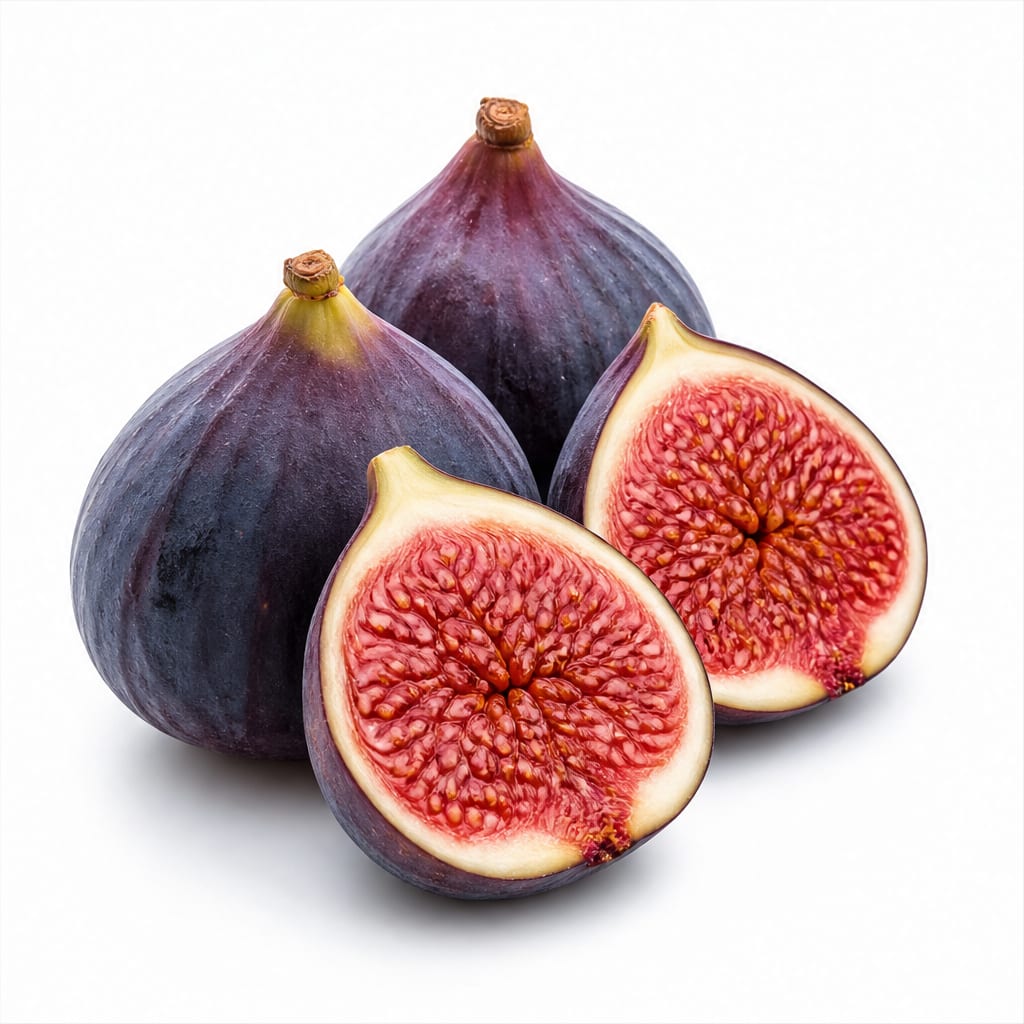
Figs
Jabuticaba is the antioxidant powerhouse with far less sugar, but figs are the practical, mineral-rich choice you can actually find and eat regularly.
Jabuticaba edges ahead nutritionally with superior antioxidants and lower sugar, but figs score close behind because availability and daily practicality matter enormously in real-world diets.
Exceptional nutrient density and low sugar versus real-world accessibility and mineral content.
At a glance
Executive summary
Overall
It depends
Healthier
Jabuticaba
More practical
Figs
Daily use
Figs
Key comparison lenses
antioxidant density and anti-inflammatory potential
Jabuticaba is exceptionally rich in anthocyanins, making antioxidant comparison the most nutritionally significant dimension
sugar load and blood sugar impact
Figs are notably sweeter and higher in sugar, especially dried, which creates a meaningful metabolic tradeoff
availability and practical everyday use
Jabuticaba is extremely perishable and regionally limited, while figs are globally accessible in fresh and dried forms
digestive health and gut benefits
Both fruits offer fiber but through different mechanisms — figs are known for gentle laxative effects, jabuticaba for prebiotic compounds
mineral intake and bone support
Figs deliver significantly more calcium and potassium, relevant for bone and cardiovascular health
Best choice for
Jabuticaba
- People managing blood sugar who want fruit without the glucose spike
- Those seeking maximum antioxidant and anti-inflammatory support
- Anyone with access to fresh jabuticaba who can consume it quickly
- Individuals prioritizing low-calorie, nutrient-dense snacking
Figs
- People who need a convenient, shelf-stable fruit option
- Those wanting to boost calcium and potassium intake naturally
- Anyone dealing with occasional constipation or sluggish digestion
- Busy individuals who want reliable, available fruit year-round
Least suitable for
Jabuticaba
- People outside regions where jabuticaba grows — it is nearly impossible to find fresh
- Anyone needing a long-lasting fruit for meal prep or weekly shopping
- Those who dislike tart, astringent flavors from high-tannin fruit skins
Figs
- People strictly limiting sugar, especially dried figs which are sugar-concentrated
- Those prone to overeating sweet foods — figs are easy to consume in excess
- Anyone on a low-calorie diet who finds dried fruit too energy-dense
Deep comparison
Dimension by dimension
Each lens scores both foods and breaks down who each option suits.
- Dimension 1 · Priority 92Jabuticaba
Antioxidant and Anti-Inflammatory Power
Jabuticaba · 95Figs · 58Jabuticaba is in a different league — its dark purple skin packs anthocyanin levels comparable to açaí, while figs offer modest antioxidant content.
Tradeoff
You gain extraordinary cellular protection from jabuticaba, but only if you can source it fresh before nutrients degrade.
Why it matters
Chronic inflammation drives aging, joint pain, and disease. Consistent high-antioxidant intake is one of the most impactful dietary choices you can make.
Real-world impact
Regular jabuticaba consumption could meaningfully reduce oxidative stress markers, while figs contribute antioxidants more gently and gradually.
Jabuticaba
- Reducing systemic inflammation
- Supporting skin health and anti-aging
- Protecting against oxidative cellular damage
Better for
- No benefit if the fruit is unavailable or spoiled
Worse for
Figs
- Mild antioxidant support without needing specialty sourcing
Better for
- Insufficient for someone actively fighting inflammation through diet
Worse for
- Dimension 2 · Priority 88Jabuticaba
Sugar Content and Blood Sugar Stability
Jabuticaba · 82Figs · 48Jabuticaba delivers sweet flavor with significantly less sugar per serving. Dried figs concentrate sugar to levels that can spike blood glucose noticeably.
Tradeoff
Jabuticaba lets you enjoy fruit with steadier energy, while figs — especially dried — can trigger cravings and energy crashes in sensitive people.
Why it matters
Blood sugar roller coasters drive hunger, fatigue, and long-term metabolic risk. Fruit choice matters more than most people realize.
Real-world impact
A handful of dried figs can hit 20+ grams of sugar fast. Jabuticaba satisfies the sweet tooth without the same glucose load.
Jabuticaba
- People with insulin resistance or prediabetes
- Those trying to reduce sugar cravings
- Anyone wanting fruit without the afternoon energy dip
Better for
- May feel less satisfying for those accustomed to sweeter fruit
Worse for
Figs
- Athletes needing quick natural carbohydrate fuel
- Underweight individuals seeking calorie-dense fruit
Better for
- Easy to overconsume sugar without realizing it
- Risky for anyone monitoring blood glucose closely
Worse for
- Dimension 3 · Priority 85Figs
Availability and Everyday Practicality
Jabuticaba · 22Figs · 88Figs are available year-round in dried form and seasonally fresh in most countries. Jabuticaba is essentially unavailable outside Brazil and spoils within days.
Tradeoff
The healthiest fruit in the world does you no good if you cannot buy it. Figs win on pure accessibility.
Why it matters
Nutrition only works when it is sustainable. A fruit you can actually eat twice a week beats a superior fruit you can never find.
Real-world impact
Most people reading this have never seen fresh jabuticaba for sale. Dried figs are in every grocery store.
Jabuticaba
- Residents of Brazil or specialty tropical fruit markets
- Travelers visiting jabuticaba-growing regions during harvest season
Better for
- Zero practical value if unavailable in your area
- Extreme perishability means waste is likely
Worse for
Figs
- Everyone else on the planet
- Meal preppers needing shelf-stable fruit
- People who shop at regular grocery stores
Better for
- Dried figs are less exciting than fresh fruit for some palates
Worse for
- Dimension 4 · Priority 72Figs
Mineral Content and Bone Support
Jabuticaba · 45Figs · 84Figs are surprisingly rich in calcium, potassium, and magnesium — minerals most people under-consume. Jabuticaba provides modest mineral content.
Tradeoff
If you need mineral support, especially calcium without dairy, figs are genuinely helpful. Jabuticaba cannot match this profile.
Why it matters
Calcium and potassium deficiencies affect bone density, blood pressure, and muscle function. Fruit-based mineral sources are rare and valuable.
Real-world impact
Five dried figs deliver roughly 10% of your daily calcium needs. That is meaningful for anyone avoiding dairy.
Jabuticaba
- Minor potassium contribution
Better for
- Not a meaningful mineral source
Worse for
Figs
- Dairy-free individuals needing plant calcium sources
- People managing blood pressure through potassium intake
- Older adults concerned about bone mineral density
Better for
- Mineral benefits come packaged with higher sugar
Worse for
- Dimension 5 · Priority 78Figs
Digestive Health and Gut Function
Jabuticaba · 68Figs · 82Both fruits support digestion, but figs have a well-documented gentle laxative effect and higher total fiber, especially dried. Jabuticaba offers prebiotic compounds but less fiber volume.
Tradeoff
Figs actively move things along in your gut. Jabuticaba feeds beneficial bacteria more subtly.
Why it matters
Constipation affects roughly 15% of adults. A fruit that reliably helps digestion is practically medicinal.
Real-world impact
Three to four dried figs before bed can produce noticeably better morning digestion for many people.
Jabuticaba
- Nourishing gut microbiome with prebiotic compounds
- Lighter digestive effect for sensitive stomachs
Better for
- Less effective for acute constipation relief
Worse for
Figs
- Relieving occasional constipation naturally
- Increasing daily fiber intake more substantially
- Supporting regular bowel movements consistently
Better for
- Too many dried figs can cause loose stools or bloating
Worse for
- Dimension 6 · Priority 75Jabuticaba
Calorie Density and Weight Management
Jabuticaba · 85Figs · 52Fresh jabuticaba is low-calorie and hard to overeat. Dried figs are calorie-dense and very easy to overconsume.
Tradeoff
Jabuticaba supports effortless portion control. Figs require deliberate restraint, especially the dried variety.
Why it matters
Calorie density is the single strongest predictor of unintentional overeating. Dense dried fruit is a common weight loss trap.
Real-world impact
A bowl of jabuticaba might run 60 calories. The same visual volume of dried figs could exceed 300 calories.
Jabuticaba
- Weight loss diets needing low-calorie fruit options
- Mindless snackers who eat by volume
Better for
- May feel insubstantial as a standalone snack
Worse for
Figs
- Hikers and athletes needing concentrated energy
- Underweight people seeking easy calorie surplus
Better for
- Very easy to exceed calorie targets without feeling full
Worse for
Timeline
Health impact over time
Short-term
Hours to days
Jabuticaba
- Quick antioxidant boost after consumption
- Mild blood sugar stability compared to sweeter fruits
- Tannins in the skin may cause slight mouth astringency
Figs
- Rapid energy from natural sugars, especially dried figs
- Noticeable digestive regularity improvement within hours
- Possible blood sugar spike if consuming multiple dried figs at once
Long-term
Months to years
Jabuticaba
- Consistent anti-inflammatory protection if consumed regularly
- Potential reduction in oxidative stress markers over months
- Practically irrelevant for most people due to unavailability
Figs
- Improved bone mineral density from regular calcium and potassium intake
- Better digestive regularity and gut health over time
- Risk of excess sugar intake if dried fig consumption is not portion-controlled
Risk profile
Safety & processing
Both fruits are whole foods when fresh. Dried figs sometimes contain sulfites as preservatives, so check labels if you are sensitive. Jabuticaba is almost always consumed fresh and unprocessed, but this also means zero shelf life.
Jabuticaba
Rapid spoilage and mold growth
mediumJabuticaba ferments and molds within 3-4 days of harvest. Consuming spoiled fruit can cause gastrointestinal distress.
Pesticide exposure
lowMost jabuticaba is grown on small farms or backyard trees with minimal pesticide use, but this is not guaranteed.
Figs
Sulfite preservatives in dried figs
mediumSome commercially dried figs contain sulfur dioxide. Sulfite-sensitive individuals may experience headaches or allergic reactions.
Natural latex allergy cross-reaction
lowFresh figs contain natural latex compounds that can trigger reactions in people with latex-fruit syndrome.
Who wins for whom
Audience fit
Same foods, different winners depending on your goal.
children
FigsFigs are sweeter, more accessible, and their soft texture works well for kids. Dried figs make easy lunchbox additions.
daily consumption
FigsConsistent availability and shelf stability make figs realistic for daily eating. The best fruit for daily use is the one you can actually obtain.
diabetes
JabuticabaSignificantly lower sugar content and gentler blood sugar impact make jabuticaba the safer fruit choice for glucose management.
elderly
FigsCalcium, potassium, and digestive benefits from figs directly address common elderly health concerns like bone loss and constipation.
muscle gain
FigsDried figs provide concentrated carbohydrates and potassium that support post-workout recovery and glycogen replenishment.
weight loss
JabuticabaLower sugar and calorie density make jabuticaba easier to fit into a calorie deficit, assuming you can find it.
Your move
Decision guide
Choose Jabuticaba
- You live in or visit Brazil and can access fresh jabuticaba during season
- You are specifically targeting antioxidant and anti-inflammatory nutrition
- Blood sugar control is your top dietary priority
- You want a low-calorie fruit that satisfies without triggering cravings
Choose Figs
- You need a reliable, available fruit you can buy any week of the year
- Calcium and potassium intake matter for your health goals
- Occasional constipation is something you want to manage naturally
- You want a portable, shelf-stable fruit for hiking, travel, or work
Either works if
- You simply want more whole fruit variety in your diet
- Both fruits are available to you and you enjoy different flavor profiles
Avoid both if
- You have a strict fructose intolerance or malabsorption condition
- You are on an extremely low-carb ketogenic protocol that excludes most fruit
Final recommendation
If you can get fresh jabuticaba, eat it — the antioxidant profile is exceptional and the low sugar is a genuine advantage. But for the other 95% of the time, figs are the realistic choice that delivers consistent fiber, minerals, and digestive benefits. The best nutritional strategy is figs as your daily fruit, jabuticaba as a special opportunity when available.
Practical
Consumer tips
- 1
Choose unsulfured dried figs to avoid preservative exposure — check ingredient lists for just 'figs'
- 2
Fresh figs should feel soft but not mushy; eat within two days of purchase
- 3
If you encounter jabuticaba, eat it the same day — it does not wait
- 4
Freeze jabuticaba whole if you need to preserve it; the skin retains most antioxidants even after freezing
- 5
Limit dried figs to 3-4 per serving to keep sugar intake reasonable
- 6
Pair figs with a protein or fat source like nuts to blunt the blood sugar response