
Nutrition comparison
Jabuticaba vs Acai: Which Brazilian Superfruit Is Better for You?
Compare jabuticaba and acai side by side — antioxidants, calories, healthy fats, availability, and real-world practicality. Find out which Brazilian superfruit fits your goals.
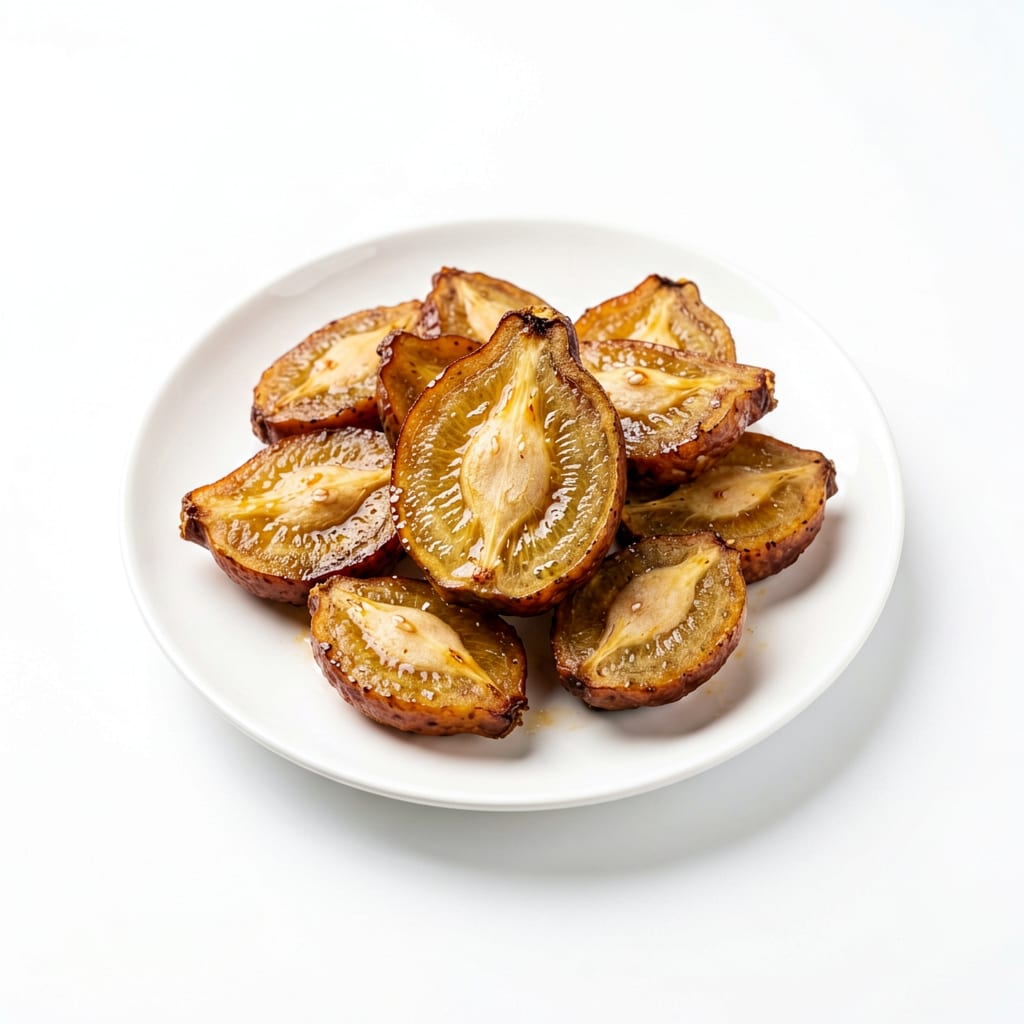
Jabuticaba
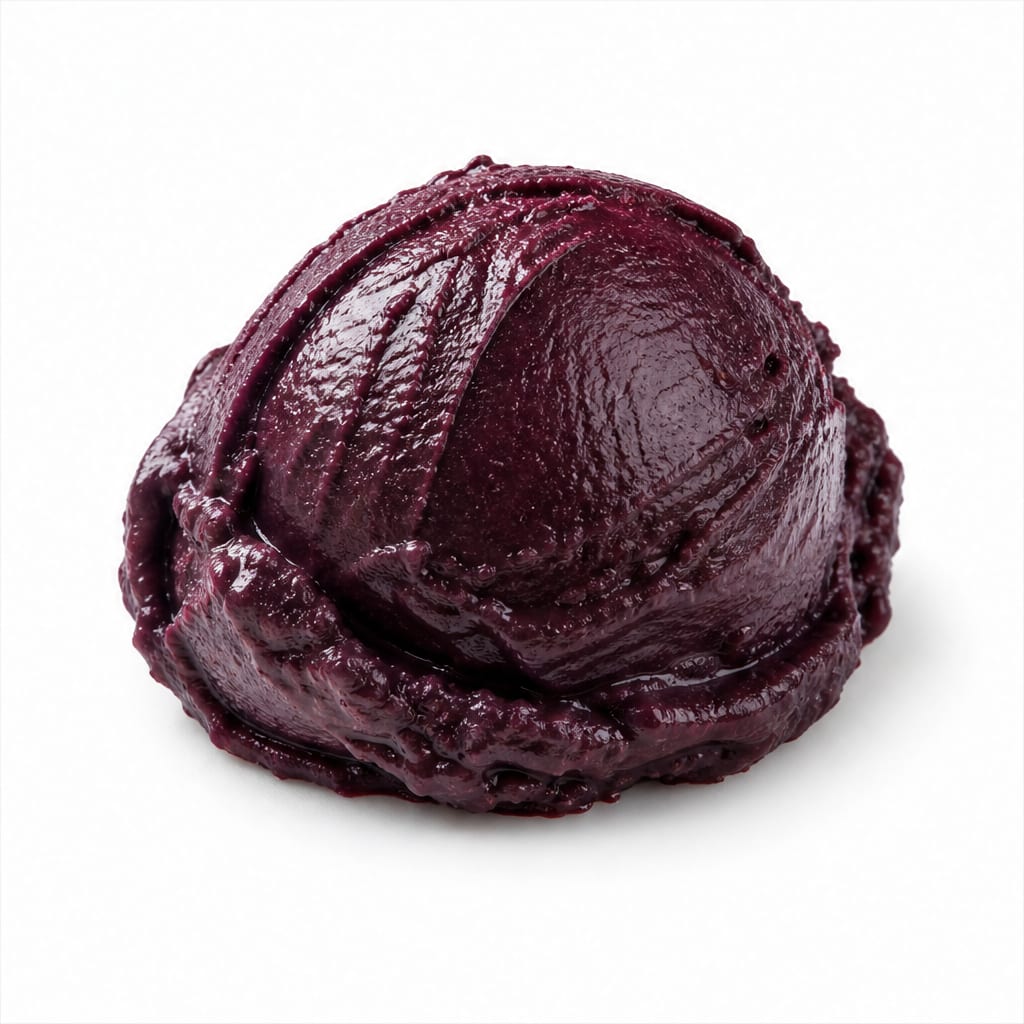
Acai
Acai wins on healthy fats, global availability, and practical daily use. Jabuticaba wins on lower calories, higher vitamin C, and a lighter, fresher eating experience. Your choice depends on whether you prioritize convenience and heart-healthy fats or a low-calorie, vitamin-C-rich treat you can only enjoy fresh.
Acai scores higher primarily due to practical accessibility, healthy fat content, and versatility. Jabuticaba is nutritionally excellent but severely limited by extreme perishability and near-zero availability outside its native range. The gap would narrow significantly if both were equally accessible fresh.
Acai gives you sustained energy from fats and easy freezer access year-round, but at higher calorie cost. Jabuticaba delivers a bright, low-calorie burst of freshness with more vitamin C, but vanishes within days of harvest and is nearly impossible to find outside Brazil.
At a glance
Executive summary
Overall
It depends
Healthier
It depends
More practical
Acai
Daily use
Acai
Key comparison lenses
antioxidant potency and anti-inflammatory benefits
Both are celebrated Brazilian superfruits prized for anthocyanin density, so users want to know which delivers more protective power
availability and practical daily use
Jabuticaba is extremely perishable and rare outside Brazil, while acai is globally available frozen, making practicality a major deciding factor
weight management and calorie awareness
Acai is calorie-dense from fats while jabuticaba is lighter and sweeter, creating a real tradeoff for calorie-conscious users
healthy fat intake and heart health
Acai contains notable omega fatty acids whereas jabuticaba is virtually fat-free, a meaningful nutritional divergence
sugar load and blood sugar impact
Jabuticaba is naturally sweeter with more sugar per serving, relevant for diabetics and low-carb adherents
Best choice for
Jabuticaba
- Low-calorie snack seekers wanting a sweet, refreshing fruit
- Vitamin C boost during cold season
- Brazilians with access to fresh jabuticaba at local markets
- People watching fat intake closely
- Anyone wanting a whole-food fruit experience with no processing
Acai
- Smoothie and bowl enthusiasts wanting creaminess and staying power
- Heart-health focused eaters wanting omega fatty acids from fruit
- People outside Brazil who still want a Brazilian superfruit
- Athletes needing calorie-dense, nutrient-rich fuel
- Meal-preppers who rely on frozen staples
Least suitable for
Jabuticaba
- Anyone outside Brazil or regions where jabuticaba grows — it is essentially unavailable fresh
- Low-sugar dieters who count every gram of carbohydrate
- People wanting a shelf-stable or freezer-storable fruit option
- Those needing calorie-dense post-workout recovery food
Acai
- Strict calorie counters — acai bowls can easily exceed 500 calories with toppings
- People avoiding added sugars — many commercial acai packets contain sweeteners
- Those sensitive to higher fat intake from fruit sources
- Budget-conscious shoppers — quality acai pulp is expensive
Deep comparison
Dimension by dimension
Each lens scores both foods and breaks down who each option suits.
- Dimension 1 · Priority 95Jabuticaba
antioxidant density
Jabuticaba · 88Acai · 82Jabuticaba's skin packs an exceptionally high concentration of anthocyanins and ellagic acid, slightly edging out acai in raw antioxidant power per gram of fresh fruit.
Tradeoff
Acai's antioxidants are better studied in human trials, while jabuticaba's superior lab numbers have less clinical validation behind them.
Why it matters
More antioxidants mean better cellular protection, but only if you can actually eat the fruit regularly — which is jabuticaba's weakness.
Real-world impact
If you live where jabuticaba grows, eating it fresh during season gives you a potent antioxidant surge. For everyone else, acai delivers reliably studied antioxidant benefits you can actually access year-round.
Jabuticaba
- Peak seasonal antioxidant loading when fresh fruit is available
- People who value eating the whole fruit skin-on for maximum polyphenol intake
Better for
- Antioxidant benefit is theoretical if you cannot access the fruit regularly
- No standardized extract or frozen form preserves the full skin polyphenol profile
Worse for
Acai
- Consistent, research-backed antioxidant intake throughout the year
- Those who want antioxidant benefits blended into daily smoothie routines
Better for
- Commercial processing and freezing may degrade some anthocyanins compared to truly fresh fruit
Worse for
- Dimension 2 · Priority 85Acai
healthy fat and heart health profile
Jabuticaba · 15Acai · 88Acai contains meaningful amounts of omega-3, omega-6, and omega-9 fatty acids, making it one of the few fruits with a genuine healthy fat profile. Jabuticaba is virtually fat-free.
Tradeoff
Acai's fat content adds calories but provides cardiovascular and anti-inflammatory benefits. Jabuticaba's lack of fat keeps it light but misses those heart-protective lipids.
Why it matters
Plant-based omega fats support heart health, brain function, and satiety — getting them from a fruit is rare and valuable.
Real-world impact
An acai bowl with no added sugar gives you a creaminess and staying power that keeps you full for hours. Jabuticaba is a refreshing snack that disappears from your stomach quickly.
Jabuticaba
- Those strictly limiting dietary fat for medical reasons
Better for
- No meaningful fat-soluble nutrient absorption boost
- Less satiety per calorie compared to fat-containing fruits
Worse for
Acai
- Heart-health conscious eaters wanting omega fatty acids from whole food
- People needing a fruit that actually sustains energy between meals
- Anyone following Mediterranean-style fat-inclusive eating patterns
Better for
- Higher calorie density can silently increase daily intake if portions are not managed
Worse for
- Dimension 3 · Priority 80Jabuticaba
calorie and sugar load
Jabuticaba · 82Acai · 55Jabuticaba is lighter in calories and its sugar comes packaged with significant fiber from the skin. Acai is calorie-dense from fats, and commercial acai products often add sugar on top.
Tradeoff
Jabuticaba lets you eat a satisfying portion with minimal calorie impact. Acai's calories are nutritious but add up fast, especially in bowl form with granola and honey.
Why it matters
For weight management, the difference between a 60-calorie fresh snack and a 300-calorie acai bowl is decisive.
Real-world impact
You can mindlessly snack on a handful of jabuticaba without calorie anxiety. An acai bowl feels healthy but can rival a milkshake in calories if you are not careful with toppings.
Jabuticaba
- Weight-loss dieters wanting sweet satisfaction with low calorie cost
- People who graze on fruit throughout the day
Better for
- The sweet taste may trigger cravings for more sugar in some people
Worse for
Acai
- Active people who need calorie-dense fuel that also delivers micronutrients
Better for
- Easy to overconsume calories, especially in restaurant or smoothie-bar acai bowls
- Many frozen acai packets contain added sugars that increase the glycemic load
Worse for
- Dimension 4 · Priority 75Jabuticaba
vitamin and mineral profile
Jabuticaba · 78Acai · 70Jabuticaba delivers notably more vitamin C and a solid mineral profile including calcium and iron. Acai provides vitamin A, calcium, and potassium but less vitamin C.
Tradeoff
Jabuticaba is the better immune-support fruit. Acai compensates with fat-soluble vitamins that pair well with its own fat content for absorption.
Why it matters
Vitamin C from whole fruit supports immunity and iron absorption in a way that matters during cold season or recovery.
Real-world impact
A handful of fresh jabuticaba feels like a vitamin C supplement you actually enjoy eating. Acai supports longer-term nutrient status through its fat-soluble vitamin content.
Jabuticaba
- Immune support during winter or periods of high stress
- Iron absorption enhancement when eaten with iron-rich meals
Better for
- Vitamin C degrades quickly after harvest, so only truly fresh jabuticaba delivers the full benefit
Worse for
Acai
- Sustained vitamin A intake for skin and eye health
- Better absorption of fat-soluble vitamins due to innate fat content
Better for
- Lower vitamin C means less immediate immune-boosting impact
Worse for
- Dimension 5 · Priority 90Acai
availability and practical convenience
Jabuticaba · 20Acai · 85Acai is available frozen worldwide and has become a staple in health food stores. Jabuticaba ferments within 3-4 days of harvest and is essentially impossible to find fresh outside Brazil and select tropical regions.
Tradeoff
You can keep acai pulp in your freezer for months and blend it anytime. Jabuticaba is a rare seasonal treasure that demands immediate consumption.
Why it matters
The healthiest fruit in the world provides zero benefit if you cannot access it. Practical availability often trumps theoretical nutritional superiority.
Real-world impact
Most people reading this comparison can buy acai today. Almost no one reading this can buy fresh jabuticaba this week. That reality shapes the entire decision.
Jabuticaba
- People living in jabuticaba-growing regions who have seasonal access to fresh fruit
Better for
- Essentially unavailable to 99% of the global population in fresh form
- No widely distributed frozen or preserved version that retains quality
- Even in Brazil, the season is short and the fruit must be eaten within days
Worse for
Acai
- Anyone outside Brazil wanting a reliable Brazilian superfruit option
- Meal-preppers who stock their freezer with nutrient-dense staples
- Smoothie makers who want a thick, creamy base fruit
Better for
- Frozen acai quality varies significantly between brands
- Some products are diluted with apple juice or contain added sugars
Worse for
- Dimension 6 · Priority 70Jabuticaba
digestive health and fiber
Jabuticaba · 80Acai · 72Jabuticaba's thick, tannin-rich skin provides excellent insoluble fiber and compounds that may support gut microbiome diversity. Acai offers good fiber too but less per calorie consumed.
Tradeoff
Jabuticaba's fiber comes with astringent tannins that some people find harsh on the stomach in large amounts. Acai's fiber is gentler and easier to consume in volume.
Why it matters
Fiber from whole fruit skins feeds beneficial gut bacteria and supports regularity, but tolerability matters for daily use.
Real-world impact
Eating jabuticaba with the skin gives your gut a serious fiber workout. Acai blended into a smoothie is easier on sensitive stomachs while still delivering decent fiber.
Jabuticaba
- People wanting maximum fiber per calorie from a whole fruit
- Those seeking gut microbiome diversity from polyphenol-rich fruit skins
Better for
- Tannins in the skin can cause stomach discomfort if eaten in large quantities
- The astringent mouthfeel discourages some people from eating enough to get the fiber benefit
Worse for
Acai
- People with sensitive digestion who prefer gentler fiber sources
- Smoothie drinkers who want fiber without chewing tough skins
Better for
- Lower fiber density per calorie means you consume more calories to get the same fiber gram count
Worse for
Timeline
Health impact over time
Short-term
Hours to days
Jabuticaba
- Quick vitamin C boost supporting immune function within hours of eating
- Natural sugar provides immediate but moderate energy lift without a harsh crash
- Astringent tannins may cause mild stomach discomfort if overeaten in one sitting
Acai
- Sustained energy from healthy fats that prevents the quick sugar spike-and-drop cycle
- Creamy texture and fat content promote satiety that lasts 2-3 hours
- Commercial acai with added sugar can still cause a blood sugar spike followed by a dip
Long-term
Months to years
Jabuticaba
- Consistent antioxidant intake from the skin may reduce oxidative stress and inflammation markers over time
- High fiber from regular consumption supports gut microbiome health and digestive regularity
- Limited access means most people cannot sustain long-term consumption patterns
Acai
- Regular omega fatty acid intake from acai supports cardiovascular health and may improve lipid profiles over months
- Sustained anthocyanin consumption linked to reduced cognitive decline risk in aging populations
- Calorie density requires mindful portioning to avoid gradual weight gain with daily use
Risk profile
Safety & processing
Fresh jabuticaba is as natural as fruit gets — picked and eaten whole with zero processing. Acai almost always undergoes freezing and pulping, and many commercial products add sugars, citric acid, or emulsifiers. Reading ingredient labels on acai products is essential.
Jabuticaba
rapid fermentation and spoilage
mediumJabuticaba begins fermenting within 3-4 days of harvest at room temperature. Eating slightly fermented fruit can cause mild digestive upset. Refrigeration extends life to roughly one week.
pesticide residue on conventionally grown fruit
lowThe thick skin protects the flesh, but since the skin is the most nutritious part and is eaten whole, washing thoroughly is important. Organic options are preferable when available.
Acai
added sugars in commercial frozen pulp
mediumMany widely available acai packets contain added cane sugar or fruit juice concentrates. Always check ingredient lists — pure acai should list only acai.
heavy metal contamination in some acai sources
lowSome studies have detected trace heavy metals in acai pulp from certain regions. Sourcing from reputable brands with third-party testing mitigates this concern.
calorie underestimation in restaurant bowls
mediumAcai bowls at cafes frequently contain 400-700 calories with toppings, far exceeding what most people assume. This is a portion control risk rather than a contamination issue.
Who wins for whom
Audience fit
Same foods, different winners depending on your goal.
children
JabuticabaKids love the sweet, grape-like pop of fresh jabuticaba, and it provides vitamin C without added ingredients. Acai bowls are fun but often loaded with sugar and toppings that push calories high for small bodies.
daily consumption
AcaiAcai's freezer availability, healthy fat content, and research-backed benefits make it a realistic daily staple. Jabuticaba's extreme perishability and limited access make daily consumption impossible for most people.
diabetes
It dependsJabuticaba has more sugar per serving but comes with fiber that slows absorption. Acai has less sugar but higher fat and calorie content, and commercial versions often add sugar. Unsweetened frozen acai is the safer bet for diabetics, but fresh jabuticaba in moderate portions is also acceptable.
elderly
AcaiAcai's omega fats support cardiovascular and cognitive health, both critical concerns for aging adults. The frozen format is also easier to prepare for someone who cannot shop for ultra-perishable fresh fruit.
muscle gain
AcaiAcai's calorie density and healthy fat content provide useful fuel for training, and its anti-inflammatory properties support recovery. Jabuticaba is too light and perishable to serve as a reliable training food.
weight loss
JabuticabaJabuticaba's low calorie density lets you eat a satisfying sweet snack for under 60 calories per serving. Acai bowls are calorie traps for dieters unless strictly portioned.
Your move
Decision guide
Choose Jabuticaba
- You live in or visit Brazil during jabuticaba season and can access it fresh
- You want a low-calorie, high-vitamin-C fruit snack with no processing whatsoever
- You are focused on maximizing fiber and antioxidant intake per calorie
- You enjoy the unique experience of eating a fruit that most of the world has never tried
Choose Acai
- You want a reliable, year-round superfruit you can keep in your freezer
- Heart health and omega fatty acid intake are priorities for you
- You make smoothies or bowls and want a thick, creamy, nutrient-dense base
- You live outside Brazil and want the most accessible Brazilian superfruit option
Either works if
- You simply want more antioxidant-rich fruit variety in your diet
- You are exploring Brazilian superfruits and want to try both when possible
- Neither fruit is a staple protein source — you need other foods for that regardless
Avoid both if
- You need a high-protein food — neither fruit provides meaningful protein
- You have a strict low-carb or ketogenic diet and cannot accommodate fruit sugars
- You are looking for a local, low-carbon-footprint fruit and live far from tropical growing regions
Final recommendation
For most people, acai is the practical choice — it is available, versatile, and delivers healthy fats alongside antioxidants. Jabuticaba is the more exciting and nutrient-dense option per calorie, but only if you can actually get it fresh. If you live in jabuticaba territory, enjoy it in season and use acai the rest of the year. If you do not have access to fresh jabuticaba, do not chase supplements or extracts — just eat acai and be confident in that choice.
Practical
Consumer tips
- 1
When buying frozen acai, check that the only ingredient is acai — avoid products with added sugars, soy lecithin, or fruit juice concentrates
- 2
Jabuticaba must be refrigerated immediately and consumed within 5-7 days — the skin wrinkling is your signal that fermentation has begun
- 3
For acai bowls, make them at home so you control portions and toppings — a homemade bowl with no added sugar and moderate granola is genuinely healthy
- 4
If you find jabuticaba, eat the skin — that is where 80% of the antioxidants and fiber live
- 5
Acai pairs well with protein powder and nuts to create a balanced meal rather than a sugar bomb
- 6
Jabuticaba can be frozen whole on a tray then bagged, though texture changes — best used in smoothies after freezing rather than eaten thawed
- 7
Both fruits are expensive outside their native range — consider whether local berries like blueberries or blackberries give you similar antioxidant benefits at lower cost