
Nutrition comparison
Jabuticaba vs Blackberries: Antioxidant Powerhouse vs Daily Berry Champion
Jabuticaba packs more antioxidants per bite, but Blackberries win on fiber, availability, and daily practicality. Learn which berry fits your health goals and lifestyle.

Jabuticaba
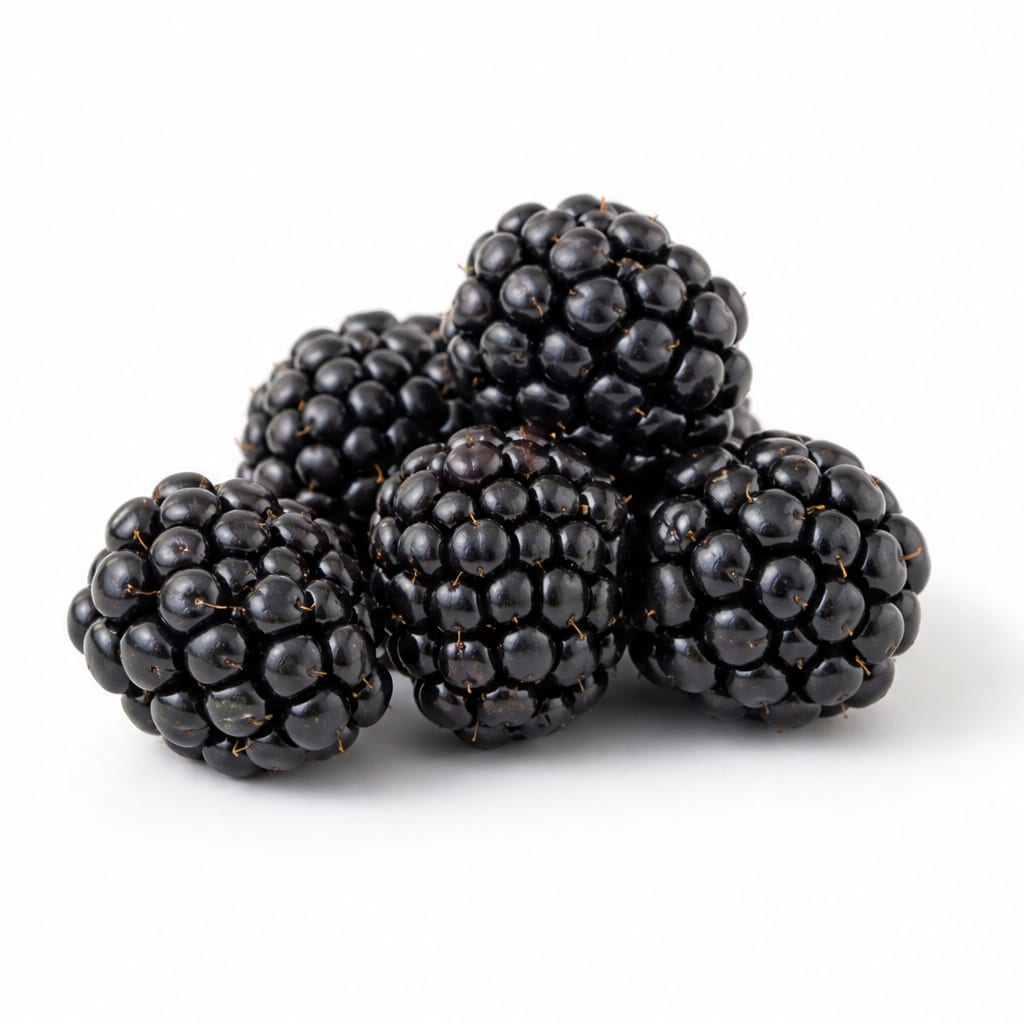
Blackberries
Jabuticaba is the antioxidant powerhouse with unique anti-aging compounds, but Blackberries win on practicality, fiber, and daily sustainability.
Jabuticaba scores higher on antioxidant density and unique bioactives but loses significantly on availability, shelf life, and daily practicality. Blackberries provide 85% of the antioxidant benefit with 3x the convenience, making them the more impactful choice for most people's actual lives.
Peak nutritional novelty versus everyday reliability — Jabuticaba offers something rare, Blackberries offer something repeatable.
At a glance
Executive summary
Overall
It depends
Healthier
It depends
More practical
Blackberries
Daily use
Blackberries
Key comparison lenses
antioxidant density comparison
Both are dark-skinned berries prized for anthocyanins, but Jabuticaba's skin concentration is exceptionally high
accessibility and practicality
Jabuticaba is extremely perishable and regionally limited while Blackberries are globally available year-round
daily sustainability
A fruit only helps if you can actually eat it regularly — availability matters enormously here
anti aging and longevity potential
Jabuticaba contains unique compounds like jaboticabin studied for anti-aging effects
digestive health and fiber
Both offer fiber but Blackberries are notably fiber-dense for a berry
Best choice for
Jabuticaba
- Antioxidant maximizers seeking the most anthocyanin-dense fruit available
- Anti-aging enthusiasts interested in unique polyphenols like jaboticabin
- Brazilian cuisine lovers with access to fresh markets
- Occasional superfruit supplementation rather than daily staple
Blackberries
- Daily berry eaters who need something available year-round
- Fiber-focused diets targeting digestive regularity
- Meal preppers wanting frozen fruit that retains nutrients
- Budget-conscious shoppers wanting berry benefits without import costs
Least suitable for
Jabuticaba
- Anyone outside tropical/subtropical regions lacking specialty markets
- Meal preppers — Jabuticaba spoils within 3 days of harvest
- People who need consistent daily fruit intake without logistics stress
Blackberries
- Those seeking the absolute highest antioxidant concentration per gram
- People curious about novel bioactive compounds not found in common berries
- Anyone wanting a truly exotic nutrient profile beyond standard berry benefits
Deep comparison
Dimension by dimension
Each lens scores both foods and breaks down who each option suits.
- Dimension 1 · Priority 92Jabuticaba
antioxidant_density
Jabuticaba · 95Blackberries · 80Jabuticaba's skin packs one of the highest anthocyanin concentrations of any fruit, significantly surpassing Blackberries.
Tradeoff
You get more antioxidant power per bite with Jabuticaba, but you must eat the skin — the white pulp alone is far less potent.
Why it matters
Higher anthocyanin intake correlates with reduced oxidative stress, better vascular health, and slower cognitive decline over decades.
Real-world impact
If you eat Jabuticaba with the skin, a small handful delivers what might take twice the volume of Blackberries to match.
Jabuticaba
- Maximum antioxidant intake in minimal calories
- Targeting vascular and cognitive longevity benefits
- Occasional superfruit boosting beyond daily berry routines
Better for
- Useless if you discard the skin — most antioxidants live there
- Difficult to consume enough regularly for cumulative benefits
Worse for
Blackberries
- Consistent moderate antioxidant intake without access issues
- Combining with other foods where skin texture matters less
Better for
- Lower total anthocyanin load per serving compared to Jabuticaba skin
Worse for
- Dimension 2 · Priority 78Blackberries
fiber_and_digestive_health
Jabuticaba · 68Blackberries · 88Blackberries deliver significantly more fiber per serving, making them superior for gut health and satiety.
Tradeoff
Jabuticaba's fiber is decent but concentrated in the skin; Blackberries offer fiber throughout the entire fruit with better texture acceptance.
Why it matters
Fiber is the single most underconsumed nutrient in modern diets — every gram matters for digestion, blood sugar control, and fullness.
Real-world impact
A cup of Blackberries provides roughly 8g fiber versus Jabuticaba's 4-5g, meaning Blackberries get you meaningfully closer to daily targets.
Jabuticaba
- Skin-on eating provides insoluble fiber that supports bowel regularity
Better for
- Lower fiber density means you need larger portions to match Blackberries
- Skin texture may discourage full consumption where fiber concentrates
Worse for
Blackberries
- Higher total fiber per calorie — more efficient for daily targets
- Better for managing hunger between meals
- Supports healthier gut microbiome diversity over time
Better for
- Seeds can bother sensitive digestive systems
Worse for
- Dimension 3 · Priority 90Blackberries
availability_and_shelf_life
Jabuticaba · 25Blackberries · 90Blackberries are available globally year-round in fresh and frozen forms. Jabuticaba spoils within days and is rarely found outside Brazil.
Tradeoff
The most nutritious fruit in the world is worthless if you cannot buy it — Blackberries win this dimension decisively.
Why it matters
Nutrition only works through consistency. A moderately healthy food eaten daily beats a superfood eaten twice a year.
Real-world impact
Most people reading this can get Blackberries today. Jabuticaba requires specialty markets, online ordering, or travel to Brazil.
Jabuticaba
- Farmers market finds in season offer unmatched freshness when available
Better for
- Essentially unavailable fresh outside Brazil and select tropical regions
- Cannot be stored, meal-prepped, or batch-purchased
- Frozen Jabuticaba is rare and expensive when found
Worse for
Blackberries
- Available frozen with minimal nutrient loss year-round
- Found in nearly every grocery store globally
- Shelf life of 5-7 days refrigerated versus Jabuticaba's 2-3 days
Better for
- Out-of-season fresh Blackberries can be expensive and less flavorful
Worse for
- Dimension 4 · Priority 75Jabuticaba
unique_bioactive_compounds
Jabuticaba · 90Blackberries · 70Jabuticaba contains jaboticabin and other rare polyphenols not found in common berries, with emerging anti-aging research.
Tradeoff
These compounds are exciting but early-stage in research — Blackberries offer better-studied ellagic acid instead.
Why it matters
Unique bioactives may provide health benefits beyond standard antioxidant effects, including anti-inflammatory and potential anti-cancer properties.
Real-world impact
Jabuticaba offers something you literally cannot get from other fruits — but the clinical evidence for real-world outcomes remains limited.
Jabuticaba
- Jaboticabin shows promising anti-aging and anti-inflammatory potential
- Unique polyphenol profile diversifies your dietary compound intake
- Potential skin health benefits from concentrated skin compounds
Better for
- Most unique compounds lack human clinical trials
- Cannot rely on these benefits without more evidence
Worse for
Blackberries
- Ellagic acid has stronger clinical evidence for cancer-fighting potential
- Better researched overall — more confidence in claimed benefits
Better for
- Less novel — you get similar compounds from other common berries
Worse for
- Dimension 5 · Priority 72It depends
blood_sugar_and_metabolic_impact
Jabuticaba · 78Blackberries · 82Both are low-glycemic fruits, but Blackberries edge ahead with higher fiber slowing glucose absorption more effectively.
Tradeoff
Jabuticaba's skin compounds may improve insulin sensitivity, but the lower fiber content means slightly faster sugar absorption.
Why it matters
For anyone managing weight, prediabetes, or energy stability, how a fruit affects blood sugar determines whether it helps or harms.
Real-world impact
Both are safe for most people watching blood sugar. Blackberries simply provide steadier energy with less glycemic bump.
Jabuticaba
- Anthocyanins in skin may improve insulin sensitivity over time
- Very low calorie density supports weight management
Better for
- Lower fiber allows slightly faster glucose absorption
- Sweetness may trigger cravings for some if eaten alone
Worse for
Blackberries
- Higher fiber means slower sugar release and steadier energy
- More filling per serving — reduces likelihood of overeating later
Better for
- Seeds cause slower digestion that bothers some sensitive stomachs
Worse for
Timeline
Health impact over time
Short-term
Hours to days
Jabuticaba
- Quick antioxidant boost when eaten with skin intact
- Mild digestive stimulation from skin fiber
- Satisfying sweet-tart flavor that curbs sugar cravings naturally
Blackberries
- Noticeable fullness from high fiber content within 30 minutes
- Steady energy without blood sugar spikes
- Immediate hydration benefit from high water content
Long-term
Months to years
Jabuticaba
- Potential anti-aging benefits from jaboticabin and concentrated anthocyanins if consumed regularly
- Possible improved vascular health from consistent polyphenol intake
- Risk of missing benefits entirely if availability prevents regular consumption
Blackberries
- Reliably improved digestive regularity from consistent high fiber intake
- Better long-term blood sugar management from daily low-glycemic fruit
- Sustained antioxidant protection with strong evidence for cardiovascular benefit
Risk profile
Safety & processing
Both fruits are whole foods typically eaten in their natural state. Jabuticaba is almost always consumed fresh or as traditional homemade preserves. Blackberries are equally natural fresh, though frozen versions may contain minimal additives — always check labels.
Jabuticaba
Rapid spoilage and fermentation
mediumJabuticaba begins fermenting within 2-3 days of harvest. Eating overripe fruit can cause mild digestive upset or headaches from natural alcohol content.
Pesticide exposure in commercial growing
lowLimited commercial production means most Jabuticaba is grown traditionally with minimal pesticide use, but this varies by source.
Blackberries
Pesticide residue on conventionally grown berries
mediumBlackberries consistently appear on EWG's Dirty Dozen list. Organic is strongly recommended, or wash thoroughly with baking soda solution.
Mold and fungal contamination
lowBerries are prone to mold. Discard any with visible mold spots — they can spread mycotoxins to seemingly unaffected berries nearby.
Who wins for whom
Audience fit
Same foods, different winners depending on your goal.
children
BlackberriesBlackberries are widely available, familiar, and easy to incorporate into kids' meals. Jabuticaba's rarity and tart skin make it a harder sell to picky eaters.
daily consumption
BlackberriesYou can actually eat Blackberries every day without logistics stress. Jabuticaba's 3-day shelf life and limited availability make daily use unrealistic for most people.
diabetes
BlackberriesHigher fiber content in Blackberries slows glucose absorption more effectively, providing steadier blood sugar for diabetic or prediabetic individuals.
elderly
BlackberriesConsistent fiber intake from Blackberries supports digestive regularity in aging populations, and their availability ensures reliable daily consumption.
muscle gain
It dependsNeither fruit is significant for muscle gain. Both offer marginal antioxidant recovery benefits post-workout, but protein sources matter far more.
weight loss
BlackberriesBlackberries provide more fiber and fullness per calorie, making them better for controlling hunger during calorie deficits.
Your move
Decision guide
Choose Jabuticaba
- You live in or near Brazil with reliable access to fresh Jabuticaba
- You want the most antioxidant-dense fruit possible and will eat the skin
- You are building a diverse polyphenol portfolio and want unique compounds
- You treat it as an occasional superfruit supplement rather than a daily staple
Choose Blackberries
- You need a berry you can actually buy and eat consistently
- Fiber intake and digestive health are top priorities
- You want frozen fruit options for smoothies, oatmeal, or meal prep
- You are managing blood sugar, weight, or daily energy stability
Either works if
- You simply want a low-calorie, antioxidant-rich fruit snack
- You enjoy tart-sweet flavors and want berry variety in your diet
- You are not dealing with specific health conditions requiring optimization
Avoid both if
- You have a salicylate sensitivity — both berries are moderate-to-high in salicylates
- You are on a very low-fiber diet for digestive recovery — both may irritate
Final recommendation
Eat Blackberries daily for reliable, fiber-rich antioxidant benefits. When Jabuticaba is available, enjoy it as a special antioxidant boost — but do not build your nutrition plan around a fruit you cannot consistently access. The best fruit for your health is always the one you can actually eat regularly.
Practical
Consumer tips
- 1
Always eat Jabuticaba with the skin on — discarding it wastes most of the antioxidants
- 2
Buy organic Blackberries when possible — they rank high for pesticide residue
- 3
Freeze Blackberries within 2 days of purchase to preserve nutrients for months
- 4
If you find frozen Jabuticaba pulp, it retains most skin antioxidants and is far more practical than fresh
- 5
Add Blackberries to overnight oats or Greek yogurt for a fiber-rich breakfast that stabilizes morning energy
- 6
Wash Blackberries in a 1:3 baking soda to water solution to reduce surface pesticide residues