
Nutrition comparison
Jabuticaba vs Plums: Antioxidant Powerhouse vs Everyday Superfruit
Jabuticaba delivers extraordinary antioxidants but is nearly impossible to find fresh outside Brazil. Plums offer reliable nutrition, digestive benefits, and global availability. Which should you choose?
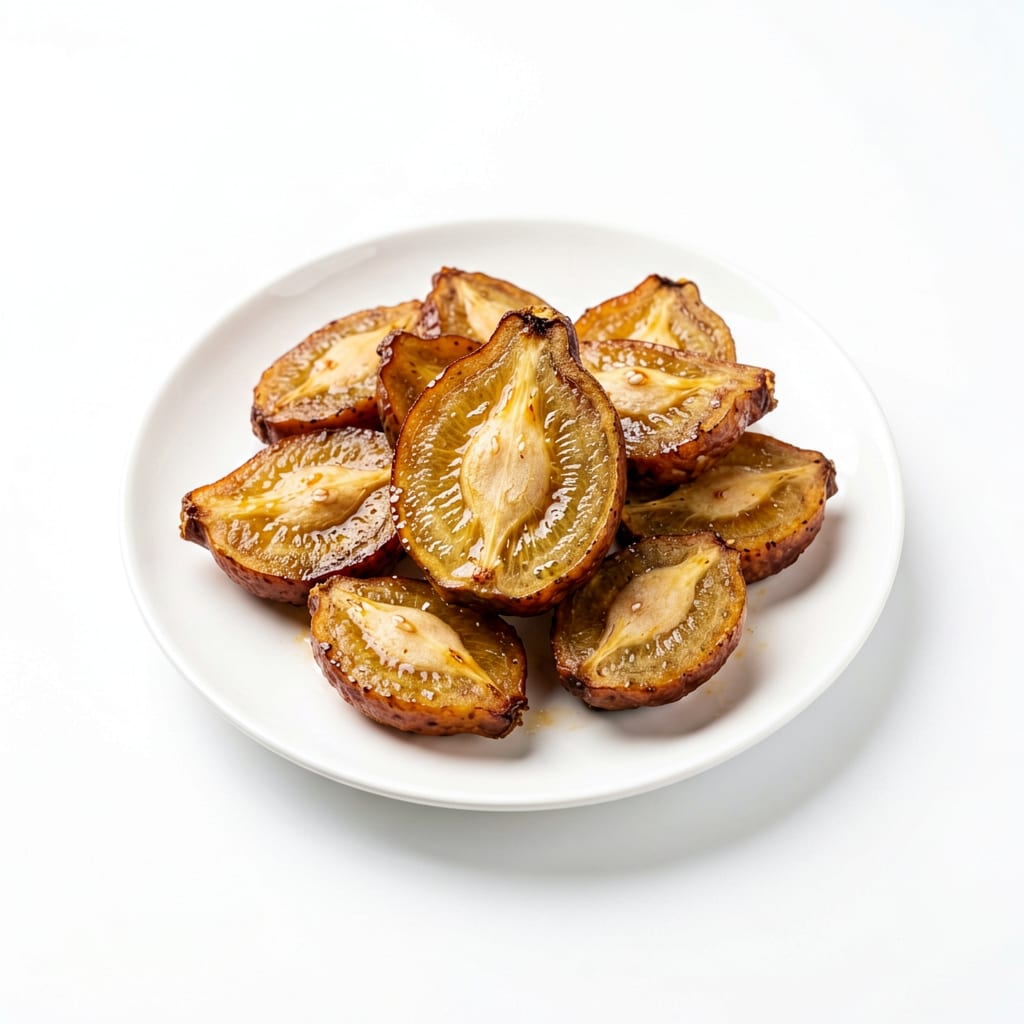
Jabuticaba
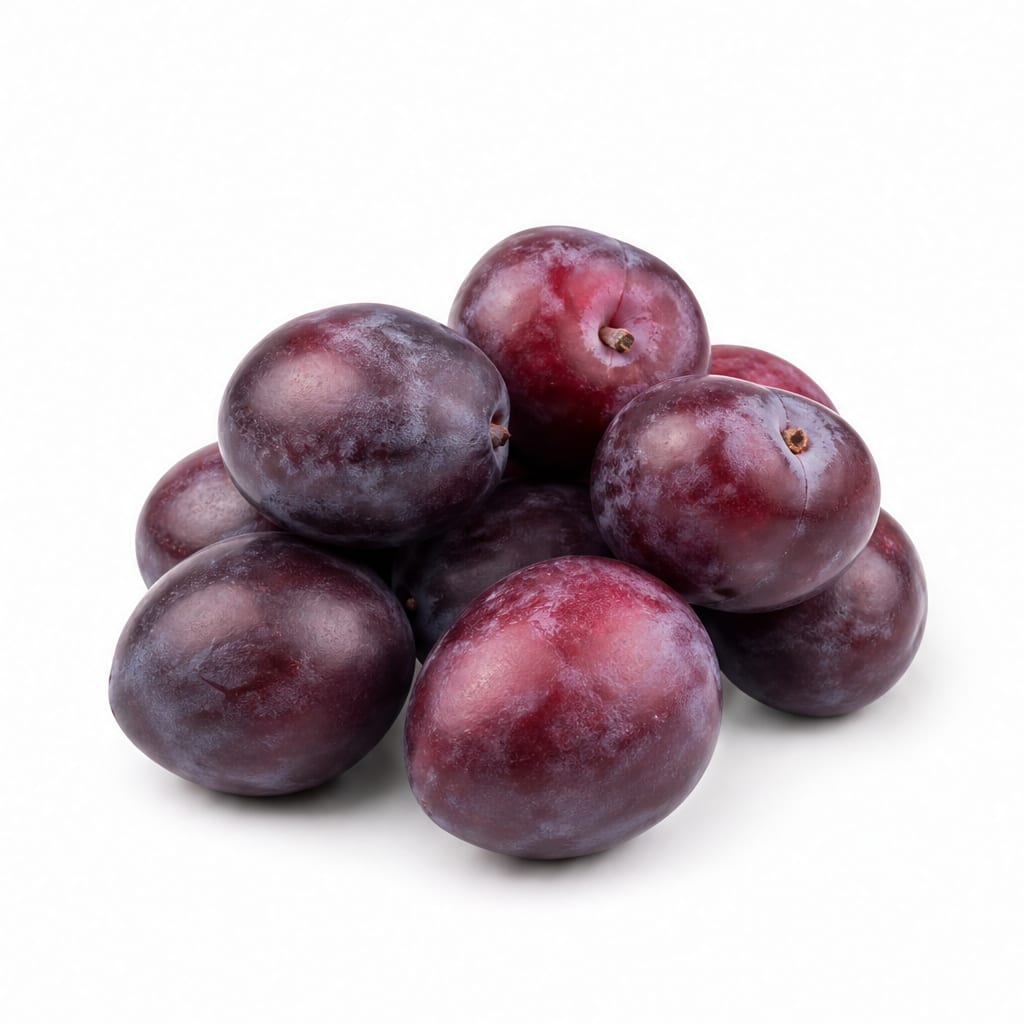
Plums
Jabuticaba is the antioxidant champion but nearly impossible to find fresh outside Brazil; plums are the reliable everyday choice with solid nutrition and global availability.
Jabuticaba scores higher for nutritional density but loses ground heavily on availability, shelf life, and practical daily use. Plums score consistently across all dimensions without dramatic weaknesses, making them the more realistic choice for most people.
Extraordinary phytonutrient density versus real-world accessibility and convenience.
At a glance
Executive summary
Overall
It depends
Healthier
Jabuticaba
More practical
Plums
Daily use
Plums
Key comparison lenses
antioxidant powerhouse comparison
Jabuticaba is legendary for anthocyanin density; plums offer respectable but lower antioxidant levels
accessibility and everyday practicality
Plums are globally available year-round; jabuticaba is extremely perishable and regionally limited
anti inflammatory and longevity potential
Both fruits carry anti-inflammatory compounds but jabuticaba's skin concentrates far more bioactives
digestive health and gut support
Plums are well-known for sorbitol and fiber aiding digestion; jabuticaba offers fiber but less laxative effect
blood sugar and weight management
Both are moderate-sugar fruits with fiber, but users often wonder which is safer for metabolic goals
Best choice for
Jabuticaba
- People in Brazil or with access to fresh jabuticaba
- Those seeking maximum anti-inflammatory and antioxidant intake
- Anyone targeting skin health and cellular aging concerns
- Adventurous eaters wanting nutrient-dense exotic fruit
Plums
- Anyone needing a reliable, affordable daily fruit
- People managing constipation or sluggish digestion
- Budget-conscious shoppers outside tropical regions
- Those wanting long-lasting fruit for meal prep
Least suitable for
Jabuticaba
- Anyone outside jabuticaba-growing regions expecting fresh fruit
- People who need shelf-stable fruit for weekly meal prep
- Budget-conscious consumers facing imported exotic fruit prices
Plums
- Those seeking the highest possible antioxidant concentration per calorie
- People wanting novel anti-inflammatory compounds not found in common fruits
Deep comparison
Dimension by dimension
Each lens scores both foods and breaks down who each option suits.
- Dimension 1 · Priority 92Jabuticaba
antioxidant_density
Jabuticaba · 95Plums · 62Jabuticaba's dark purple skin packs some of the highest anthocyanin levels of any fruit, far exceeding plums.
Tradeoff
You get extraordinary antioxidant power from jabuticaba but only if you can actually find and eat it fresh before it spoils.
Why it matters
Anthocyanins fight oxidative stress, support vascular health, and may slow cognitive decline. Jabuticaba delivers these in concentrations few fruits can match.
Real-world impact
Regular jabuticaba consumption could meaningfully reduce inflammatory markers, but only for people with consistent access to fresh fruit.
Jabuticaba
- Reducing chronic inflammation
- Supporting skin elasticity and anti-aging
- Cardiovascular protection through vascular antioxidants
Better for
- Anyone who cannot source it regularly enough to build habits
Worse for
Plums
- Consistent daily antioxidant intake without supply stress
Better for
- Situations demanding peak antioxidant concentration per serving
Worse for
- Dimension 2 · Priority 88Plums
availability_and_convenience
Jabuticaba · 18Plums · 90Plums are available in nearly every grocery store worldwide; jabuticaba spoils within days and is rarely found outside Brazil.
Tradeoff
The most nutrient-dense option is the hardest to get. The convenient option still delivers solid nutrition.
Why it matters
Nutrition only works if you can actually eat the food consistently. A slightly less impressive fruit you eat daily beats a superior fruit you can never find.
Real-world impact
Most people reading this comparison will have plums available this week and jabuticaba available never. That reality shapes health outcomes more than micronutrient profiles.
Jabuticaba
- Residents of jabuticaba-growing regions in Brazil
- Travelers visiting São Paulo or Minas Gerais during season
Better for
- North American, European, and Asian consumers
- Anyone needing fruit on demand without specialty sourcing
Worse for
Plums
- Weekly grocery shoppers anywhere in the world
- Meal preppers needing fruit that lasts several days
- Anyone buying fruit online or through standard delivery
Better for
- Situations where only local tropical fruit is available
Worse for
- Dimension 3 · Priority 78Plums
digestive_health
Jabuticaba · 65Plums · 82Plums contain sorbitol and proven laxative compounds; jabuticaba offers fiber but lacks the same digestive reputation.
Tradeoff
Plums actively stimulate bowel movements while jabuticaba provides gentler fiber support.
Why it matters
Constipation affects roughly 16% of adults globally. A fruit that reliably moves things along has real clinical value.
Real-world impact
Eating 2-3 plums daily can meaningfully improve bowel regularity within days. Jabuticaba helps but does not have the same predictable effect.
Jabuticaba
- Gentle daily fiber without laxative urgency
Better for
- Anyone specifically seeking laxative fruit therapy
Worse for
Plums
- Chronic constipation relief
- Post-travel digestive reset
- Older adults needing reliable bowel support
Better for
- People with sorbitol sensitivity or IBS-D
Worse for
- Dimension 4 · Priority 72It depends
blood_sugar_stability
Jabuticaba · 70Plums · 68Both fruits have moderate sugar with enough fiber to slow absorption. Neither spikes blood sugar dramatically in normal portions.
Tradeoff
Jabuticaba has slightly more fiber per gram, but the difference is small and both are reasonable for moderate consumption.
Why it matters
People with insulin resistance or diabetes need fruits that do not cause rapid glucose surges.
Real-world impact
A serving of either fruit paired with protein or fat creates a blood-sugar-friendly snack. Neither is a problem in reasonable amounts.
Jabuticaba
- Slightly more fiber per calorie to buffer sugar absorption
Better for
- Risk of overeating if consuming large quantities during short season
Worse for
Plums
- Easier portion control with familiar serving sizes
Better for
- Dried plums concentrate sugar and can spike glucose if overconsumed
Worse for
- Dimension 5 · Priority 85Jabuticaba
anti_inflammatory_potential
Jabuticaba · 91Plums · 60Jabuticaba contains unique anti-inflammatory compounds including jaboticabin and multiple anthocyanins not found in plums.
Tradeoff
Jabuticaba offers pharmaceutical-grade anti-inflammatory potential; plums offer mild everyday support.
Why it matters
Chronic inflammation drives heart disease, arthritis, and cognitive decline. Fruit-derived anti-inflammatories are among the safest interventions available.
Real-world impact
Consistent jabuticaba intake could reduce joint pain and inflammatory markers more noticeably than plums, but consistency requires access.
Jabuticaba
- Joint pain and arthritis management
- Post-exercise inflammation recovery
- Chronic inflammatory conditions
Better for
- Inconsistent access makes anti-inflammatory benefits unreliable
Worse for
Plums
- Maintaining baseline anti-inflammatory intake without effort
Better for
- Someone needing maximum anti-inflammatory impact from diet alone
Worse for
- Dimension 6 · Priority 75Plums
shelf_life_and_waste
Jabuticaba · 15Plums · 78Jabuticaba ferments within 3-4 days at room temperature; plums last 1-2 weeks refrigerated and freeze well.
Tradeoff
The more nutritious fruit is also the most wasteful if you cannot consume it immediately.
Why it matters
Food waste undermines both nutrition goals and household budgets. Perishability directly affects whether a food is practical.
Real-world impact
Buying jabuticaba means committing to eat it within days or lose it. Plums give you a full week of flexibility.
Jabuticaba
- Immediate consumption within harvest window
Better for
- Anyone who shops once per week
- Households that cannot eat large quantities quickly
Worse for
Plums
- Weekly grocery shopping cycles
- Freezing for smoothies and baking
- Reducing household food waste
Better for
- Situations where immediate consumption is planned anyway
Worse for
Timeline
Health impact over time
Short-term
Hours to days
Jabuticaba
- Rapid antioxidant absorption supporting vascular function
- Mild satiety from fiber and water content
- Potential digestive adjustment if eating large quantities for the first time
Plums
- Noticeable improvement in bowel regularity within 24-48 hours
- Steady energy from moderate natural sugars with fiber buffering
- Hydration support from high water content
Long-term
Months to years
Jabuticaba
- Potentially lower inflammatory markers with consistent consumption
- Skin health benefits from concentrated anthocyanins and vitamin C
- Possible cardiovascular protection from vascular antioxidants
- Realistically difficult to sustain outside native growing regions
Plums
- Sustained digestive regularity and gut health improvement
- Consistent vitamin K intake supporting bone density
- Moderate antioxidant protection maintained easily long-term
- Practical habit sustainability leading to better actual outcomes
Risk profile
Safety & processing
Both fruits are whole foods typically eaten fresh with minimal processing. Jabuticaba is almost always consumed fresh or as artisanal jam. Plums have a wider processed presence including dried prunes and canned options, but fresh plums are equally natural.
Jabuticaba
Rapid fermentation and spoilage
mediumJabuticaba begins fermenting within 3-4 days at room temperature. Consuming spoiled fruit can cause gastrointestinal distress. Refrigeration extends life only slightly.
Pesticide residue on imported fruit
lowWhen available as imports, jabuticaba may carry pesticide residues from production practices not well-documented internationally. Local Brazilian market fruit is often lower risk.
Plums
Pesticide residue on conventional plums
mediumPlums frequently appear on EWG's expanded pesticide watch lists. Conventional plums may carry multiple residue types. Washing helps but does not eliminate all exposure.
Sorbitol overload from dried plums
lowPrunes concentrate sorbitol significantly. Overconsumption can cause bloating, gas, and diarrhea, especially in sorbitol-sensitive individuals.
Who wins for whom
Audience fit
Same foods, different winners depending on your goal.
children
PlumsPlums are familiar, sweet, easy to eat, and gentle on young digestive systems. Jabuticaba's tart skin and unusual texture may not appeal to kids, and the small size could be a choking hazard for toddlers.
daily consumption
PlumsDaily consumption requires consistent access, reasonable cost, and shelf stability. Plums deliver on all three. Jabuticaba fails on access for most of the world's population.
diabetes
It dependsBoth have moderate glycemic impact with enough fiber to slow absorption. Jabuticaba has slightly more fiber per serving, but plums offer more predictable portion sizes. Either works in moderation.
elderly
PlumsPlums are a well-established remedy for age-related constipation, easy to chew, and widely available. Jabuticaba's accessibility problem makes it impractical for most older adults.
muscle gain
It dependsNeither fruit is a muscle-building food. Both offer modest post-workout carbs. Plums are more practical for consistent training nutrition.
weight loss
PlumsPlums are easier to portion control, more filling per calorie, and their sorbitol content supports the digestive regularity that often stalls during weight loss phases.
Your move
Decision guide
Choose Jabuticaba
- You live in or frequently visit Brazil during jabuticaba season
- You want the strongest antioxidant and anti-inflammatory fruit available
- You are treating skin aging or inflammatory conditions through diet
- You can consume it fresh within days of purchase
- You find frozen jabuticaba pulp from a trusted supplier
Choose Plums
- You want a healthy fruit you can actually buy this week
- You struggle with constipation or irregular digestion
- You need affordable, portable fruit for lunchboxes or snacking
- You want fruit that lasts in the fridge for weekly meal prep
- You are building sustainable long-term dietary habits
Either works if
- You want a moderate-sugar, fiber-rich fruit for afternoon snacking
- You are looking for whole-food antioxidants without supplements
- You need a naturally sweet addition to yogurt or oatmeal
Avoid both if
- You have severe fructose intolerance or malabsorption
- You are on a strict very-low-carb ketogenic protocol
- You have known allergies to stone fruits or Myrtaceae family plants
Final recommendation
If you have access to fresh jabuticaba, absolutely eat it — its antioxidant profile is exceptional and worth experiencing. For everyone else, plums are a genuinely excellent fruit that delivers real health benefits with none of the sourcing headaches. The best fruit for your health is always the one you can eat consistently.
Practical
Consumer tips
- 1
If you find frozen jabuticaba pulp, it retains most antioxidants and lasts months — a practical compromise over fresh
- 2
Choose organic plums when possible to reduce pesticide exposure, especially if eating the skin
- 3
Fresh plums should yield slightly to pressure but not feel mushy — firm plums will ripen at room temperature in 2-3 days
- 4
Never eat jabuticaba that smells fermented or tastes effervescent — spoilage happens fast
- 5
Pair either fruit with a handful of nuts or Greek yogurt to stabilize blood sugar and increase satiety
- 6
Dried plums (prunes) are nutritionally distinct from fresh plums — much higher in sugar and sorbitol per serving