
Nutrition comparison
Jabuticaba vs Cranberries: Antioxidant Power, Sugar Content, and Which Berry Wins
Compare jabuticaba and cranberries on antioxidants, sugar, urinary health benefits, and practicality. Learn which berry fits your health goals and lifestyle.
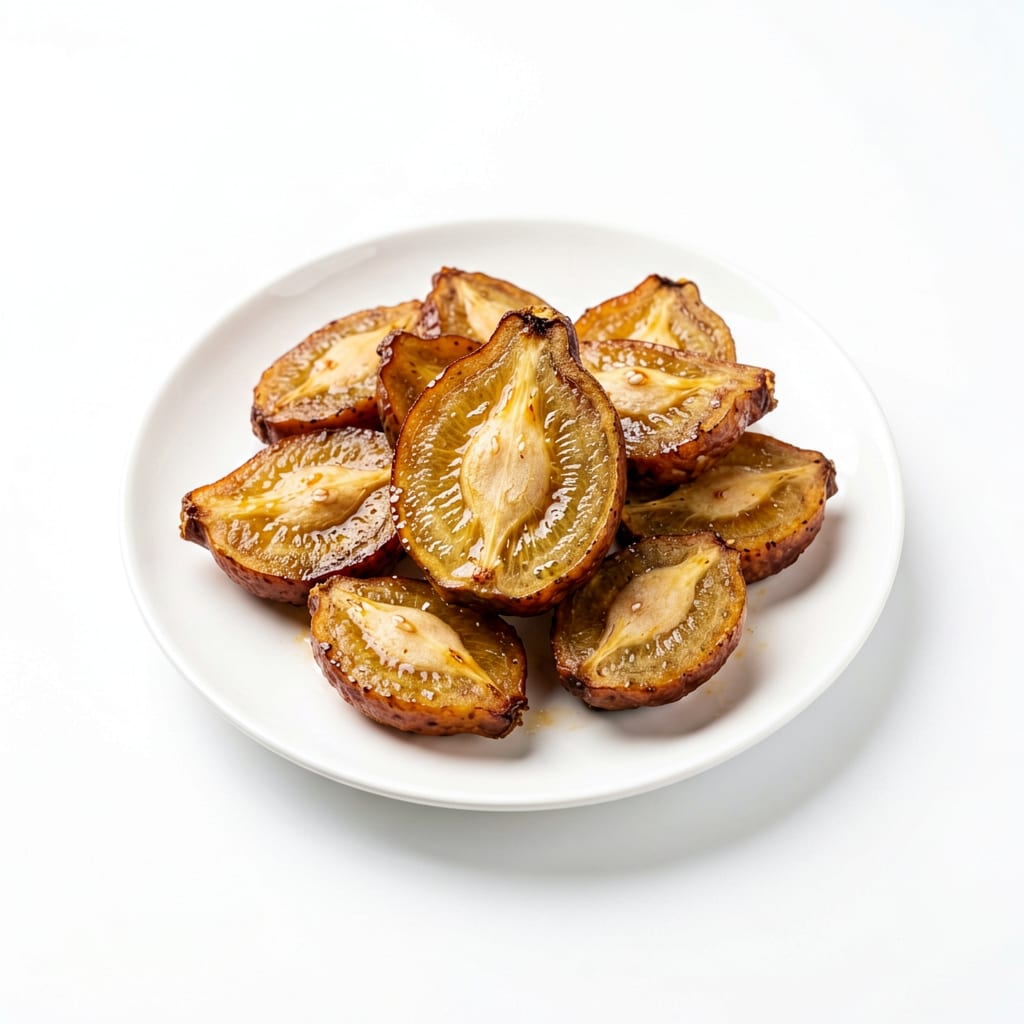
Jabuticaba
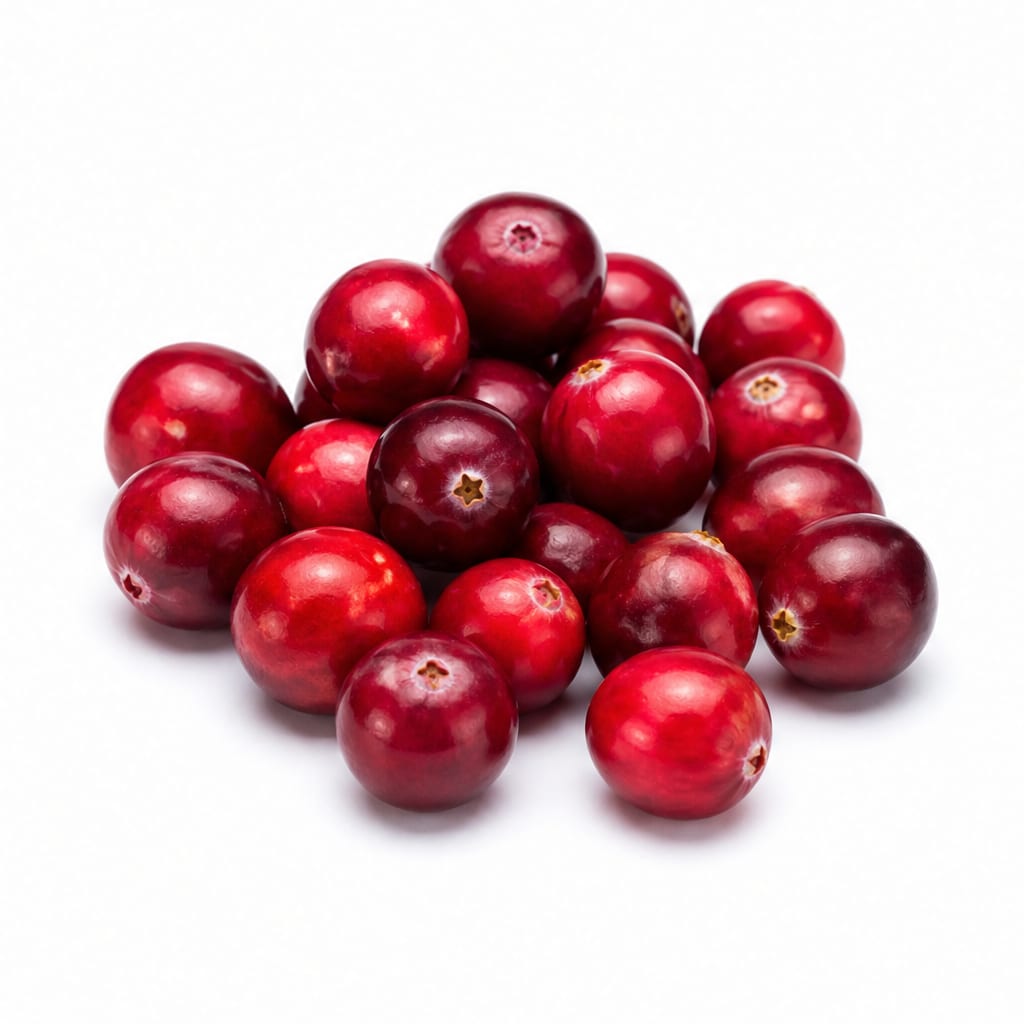
Cranberries
Jabuticaba wins on raw antioxidant density and anti-inflammatory power, but cranberries win on accessibility, urinary tract benefits, and practical daily use.
Jabuticaba edges ahead nutritionally with denser antioxidants and anti-inflammatory compounds, but cranberries close the gap through superior accessibility, proven urinary tract benefits, and realistic daily usability. The scores reflect that the best fruit is the one you can actually eat consistently.
Jabuticaba offers superior nutrition per bite but is nearly impossible to find fresh outside Brazil. Cranberries are widely available but often come loaded with added sugar in processed forms.
At a glance
Executive summary
Overall
It depends
Healthier
Jabuticaba
More practical
Cranberries
Daily use
Cranberries
Key comparison lenses
antioxidant potential
Both fruits are antioxidant powerhouses, but jabuticaba's deep purple skin contains exceptionally concentrated anthocyanins that rival any berry
accessibility and practicality
Jabuticaba is extremely perishable and rarely found outside Brazil, while cranberries are globally available year-round in multiple forms
sugar and glycemic impact
Cranberries are naturally very low in sugar and tart, whereas jabuticaba is sweeter, but cranberry products often add significant sugar
urinary and gut health
Cranberries are uniquely proven for urinary tract health, while jabuticaba offers broader anti-inflammatory and gut-friendly polyphenols
processing concerns
Fresh cranberries are rare in most diets; most people consume them dried or juiced with added sugar, while jabuticaba is typically eaten fresh
Best choice for
Jabuticaba
- People in Brazil or with access to fresh jabuticaba
- Those seeking maximum antioxidant and anti-inflammatory benefits from whole fruit
- Anyone focused on skin health and anti-aging polyphenols
- Gut microbiome optimization with diverse polyphenols
Cranberries
- Anyone concerned about urinary tract health
- People who want a low-sugar berry option they can actually buy
- Those who need a long-lasting, storable fruit for daily use
- Anyone outside tropical regions seeking reliable berry nutrition
Least suitable for
Jabuticaba
- People outside Brazil or tropical regions who cannot find fresh fruit
- Anyone needing a consistent, year-round dietary staple
- Those who want convenient, ready-to-eat fruit options
Cranberries
- People sensitive to tart flavors who end up choosing cranberry products with added sugar
- Anyone avoiding processed forms like dried cranberries or cranberry juice cocktails
- Those seeking the highest possible antioxidant concentration per serving
Deep comparison
Dimension by dimension
Each lens scores both foods and breaks down who each option suits.
- Dimension 1 · Priority 92Jabuticaba
antioxidant_density
Jabuticaba · 94Cranberries · 78Jabuticaba's thick, dark purple skin is one of the richest sources of anthocyanins among all fruits, significantly outpacing cranberries in total antioxidant capacity.
Tradeoff
You get more antioxidants per bite with jabuticaba, but only if you eat the skin, which some people discard due to its slightly astringent taste.
Why it matters
Higher antioxidant intake correlates with reduced oxidative stress, better skin aging, and lower chronic disease risk over time.
Real-world impact
Eating jabuticaba regularly could meaningfully reduce inflammation markers, but only if you have reliable access to fresh fruit.
Jabuticaba
- Anti-aging and skin health routines
- Chronic inflammation management
- Maximum polyphenol intake per calorie
Better for
- Anyone who cannot access fresh fruit regularly
- People who peel or discard the skin where most antioxidants live
Worse for
Cranberries
- Consistent daily antioxidant intake year-round
- Convenient antioxidant boost in smoothies or oatmeal
Better for
- Those seeking the absolute highest antioxidant concentration available
Worse for
- Dimension 2 · Priority 80Cranberries
sugar_and_glycemic_impact
Jabuticaba · 65Cranberries · 85Fresh cranberries are extremely low in sugar and have minimal glycemic impact. Jabuticaba is naturally sweeter with more carbohydrates per serving.
Tradeoff
Cranberries' low sugar comes with intense tartness that drives most people toward sweetened cranberry products, which reverses the advantage entirely.
Why it matters
Lower sugar intake supports blood sugar stability, weight management, and reduced cravings throughout the day.
Real-world impact
Eating fresh cranberries gives you a nearly sugar-free fruit option, but dried cranberries can contain up to 8 teaspoons of added sugar per cup.
Jabuticaba
- Those who prefer naturally sweet fruit without added sugar
- Active individuals who can handle the extra carbohydrates
Better for
- Those strictly monitoring carbohydrate intake
- People with blood sugar management concerns
Worse for
Cranberries
- People managing diabetes or insulin resistance
- Anyone counting carbs or following a low-sugar diet
- Keto or low-carb dieters who tolerate tart flavors
Better for
- Anyone who only tolerates cranberries in sweetened forms like juice or dried fruit
Worse for
- Dimension 3 · Priority 88Cranberries
accessibility_and_everyday_practicality
Jabuticaba · 25Cranberries · 90Cranberries are available globally in fresh, frozen, dried, and juiced forms year-round. Jabuticaba is highly perishable and rarely found outside Brazil or specialty markets.
Tradeoff
Cranberries trade some nutritional potency for unmatched convenience and availability, while jabuticaba's exceptional nutrition is locked behind a geographic and seasonal barrier.
Why it matters
The healthiest food only works if you can actually obtain and eat it regularly. Consistency beats perfection.
Real-world impact
Most people reading this comparison will be able to buy cranberries today. Very few will find fresh jabuticaba without traveling to Brazil.
Jabuticaba
- Residents of Brazil with local access to fresh fruit
- Travelers or expats in tropical South American regions
Better for
- Nearly everyone outside jabuticaba-growing regions
- People who need meal planning consistency
Worse for
Cranberries
- Anyone in North America, Europe, Asia, or Africa
- People who want reliable fruit access in any season
- Those who value frozen or pantry-stable options
Better for
- Those in remote areas where even cranberries are scarce
Worse for
- Dimension 4 · Priority 75Cranberries
urinary_and_specific_health_benefits
Jabuticaba · 60Cranberries · 92Cranberries contain unique proanthocyanidins that prevent bacteria from adhering to the urinary tract wall, making them the gold standard fruit for UTI prevention.
Tradeoff
Jabuticaba offers broader anti-inflammatory benefits but lacks the specific compounds that make cranberries uniquely effective for urinary health.
Why it matters
For the millions of people prone to recurrent UTIs, cranberries are one of the few evidence-based dietary interventions.
Real-world impact
Regular cranberry consumption can reduce UTI recurrence by roughly 25-35% in susceptible individuals, a benefit no other common fruit matches.
Jabuticaba
- General anti-inflammatory support
- Gut microbiome diversity through varied polyphenols
Better for
- Anyone specifically seeking UTI prevention through diet
Worse for
Cranberries
- UTI prevention and urinary tract health
- Women prone to recurrent urinary infections
- Elderly individuals at higher UTI risk
Better for
- Those seeking broad-spectrum anti-inflammatory effects from a single fruit
Worse for
- Dimension 5 · Priority 78Jabuticaba
anti_inflammatory_and_gut_health
Jabuticaba · 88Cranberries · 72Jabuticaba's diverse polyphenol profile feeds beneficial gut bacteria and reduces inflammatory markers more effectively than cranberries in available research.
Tradeoff
The gut benefits of jabuticaba are promising but based on fewer clinical studies compared to cranberries' well-documented track record.
Why it matters
Chronic inflammation underlies most modern diseases, and gut health is increasingly recognized as the foundation of immune function.
Real-world impact
Regular jabuticaba consumption may improve gut bacteria diversity and reduce systemic inflammation, but you need consistent access to see results.
Jabuticaba
- People with inflammatory conditions like arthritis
- Those focused on gut microbiome optimization
- Anyone seeking diverse polyphenol sources beyond common berries
Better for
- Anyone who cannot maintain consistent intake due to availability
Worse for
Cranberries
- Those who want well-studied, evidence-backed anti-inflammatory benefits
- People combining multiple berry types for gut health
Better for
- Those looking for the single most potent anti-inflammatory berry
Worse for
- Dimension 6 · Priority 70Jabuticaba
processing_and_added_sugar_risk
Jabuticaba · 85Cranberries · 55Jabuticaba is almost always eaten fresh and whole. Cranberries are so tart that most commercial products add substantial sugar, undermining their health benefits.
Tradeoff
Cranberries' natural low-sugar advantage disappears entirely in cranberry juice cocktails, sweetened dried cranberries, and most cranberry sauces.
Why it matters
Added sugar transforms a health food into a dessert. The form you eat a fruit in matters as much as the fruit itself.
Real-world impact
A cup of sweetened dried cranberries can contain 25-30 grams of added sugar. Most people are not eating fresh raw cranberries.
Jabuticaba
- Those who want whole fruit nutrition without hidden added sugar
- People avoiding ultra-processed fruit products
Better for
- Those who might encounter jabuticaba in processed forms like jams or liqueurs
Worse for
Cranberries
- Anyone willing to seek out and eat fresh or unsweetened frozen cranberries
- People who read labels carefully and avoid cranberry juice cocktails
Better for
- Anyone defaulting to cranberry juice cocktail or sweetened dried cranberries
- People who assume all cranberry products are equally healthy
Worse for
Timeline
Health impact over time
Short-term
Hours to days
Jabuticaba
- Quick antioxidant boost from concentrated anthocyanins in the skin
- Mild digestive support from natural fiber content
- Natural energy from fruit sugars without a sharp crash
Cranberries
- Immediate urinary tract protective effects from proanthocyanidins
- Very low blood sugar impact when eaten fresh
- Tart flavor can stimulate digestion and appetite regulation
Long-term
Months to years
Jabuticaba
- Potentially reduced chronic inflammation with consistent intake
- Better gut microbiome diversity from unique polyphenol profiles
- Possible anti-aging skin benefits from high antioxidant consumption
- Risk of missing benefits entirely if access is inconsistent
Cranberries
- Significantly reduced UTI recurrence in susceptible individuals
- Steady antioxidant intake supporting cardiovascular health over decades
- Risk of excess added sugar intake if consuming processed cranberry products regularly
- Dental enamel erosion risk from frequent cranberry juice consumption due to acidity
Risk profile
Safety & processing
Jabuticaba is typically consumed fresh and whole, preserving its complete nutritional profile. Cranberries are most commonly encountered in processed forms with added sugars, preservatives, or juice concentrates that dilute their natural benefits.
Jabuticaba
Rapid spoilage and fermentation
mediumJabuticaba ferments within 3-4 days of harvest, making it prone to spoilage and potential foodborne illness if not consumed or preserved quickly.
Pesticide exposure in commercial cultivation
lowMost jabuticaba is grown on small farms or backyard trees with minimal pesticide use, but commercial operations may vary.
Cranberries
Added sugar in processed cranberry products
highCranberry juice cocktails and sweetened dried cranberries often contain 25-30g of added sugar per serving, effectively negating many health benefits.
Oxalate content and kidney stone risk
mediumCranberries contain moderate oxalates, which may contribute to kidney stone formation in susceptible individuals with heavy consumption.
Medication interactions with warfarin
mediumCranberry can interact with blood-thinning medications like warfarin, potentially increasing bleeding risk. Consult a doctor if on anticoagulants.
Who wins for whom
Audience fit
Same foods, different winners depending on your goal.
children
CranberriesCranberries are accessible, familiar, and available in child-friendly forms. Jabuticaba's limited availability makes it impractical for most families, though kids who can access it often enjoy its sweet grape-like taste.
daily consumption
CranberriesCranberries can be stocked frozen, dried, or juiced year-round anywhere in the world. Jabuticaba's extreme perishability and limited growing region make daily consumption unrealistic for most people.
diabetes
CranberriesFresh cranberries have minimal sugar and almost no glycemic impact, making them safer for blood sugar management than the sweeter jabuticaba.
elderly
CranberriesCranberries' proven UTI prevention is especially valuable for older adults, and their widespread availability ensures consistent intake.
muscle gain
It dependsNeither fruit is particularly relevant for muscle gain. Jabuticaba offers slightly more carbohydrates for training energy, while cranberries offer negligible caloric support.
weight loss
CranberriesFresh cranberries are extremely low in calories and sugar, making them ideal for weight loss, provided you avoid sweetened cranberry products.
Your move
Decision guide
Choose Jabuticaba
- You live in or near Brazil and have reliable access to fresh jabuticaba
- Maximum antioxidant and anti-inflammatory intake is your top priority
- You want a naturally sweet whole fruit without any added sugar risk
- Gut microbiome diversity is a specific health focus for you
Choose Cranberries
- You want a low-sugar berry you can actually buy at any grocery store
- UTI prevention or urinary tract health matters to you
- You need a fruit that stores well and is available year-round
- You are willing to seek out unsweetened frozen or fresh cranberries
Either works if
- You simply want to add more polyphenol-rich berries to your diet
- You enjoy tart and complex fruit flavors
- You are building a diverse antioxidant profile across multiple berry types
Avoid both if
- You have oxalate sensitivity or a history of calcium oxalate kidney stones
- You are on warfarin or other anticoagulant medications without medical guidance
- You have fructose intolerance or severe fruit sugar sensitivity
Final recommendation
If you can get fresh jabuticaba, eat it and enjoy one of nature's most potent antioxidant fruits. For everyone else, cranberries remain an excellent and practical choice, especially for urinary tract health, as long as you choose unsweetened forms. The best berry is always the one you can actually eat regularly.
Practical
Consumer tips
- 1
Choose frozen cranberries over juice cocktails to avoid added sugar while retaining most nutrients
- 2
If you find jabuticaba, eat the skin, as that is where the majority of antioxidants and fiber are concentrated
- 3
Freeze fresh jabuticaba within a day of purchase to preserve its nutrients before fermentation begins
- 4
Avoid cranberry juice cocktails labeled as 'drink' or 'cocktail' and look for 100% cranberry juice or concentrate
- 5
Add fresh or frozen cranberries to smoothies, oatmeal, or salads to enjoy their benefits without needing added sweeteners
- 6
If using dried cranberries, look for unsweetened varieties sweetened with apple juice instead of refined sugar