
Leafy Green
Ice Plant
A crunchy, slightly salty succulent green used in salads.
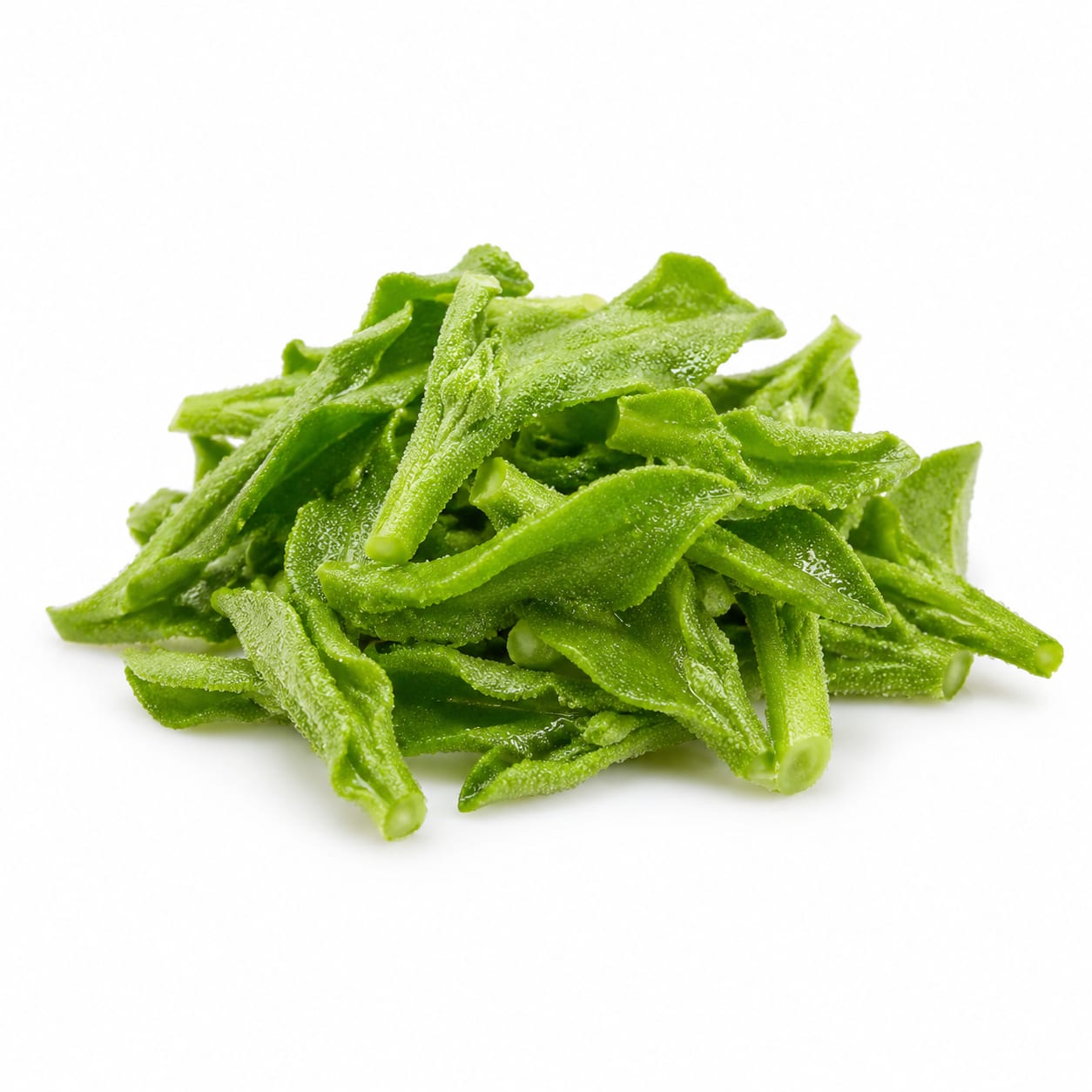
A succulent leafy green known for its crunchy texture and slightly salty, lemony flavor, characterized by tiny bladder cells that resemble ice crystals on its surface.
high-volume low-calorie succulent vegetable
Typical serving · 85g
Common varieties · Common Ice Plant (Mesembryanthemum crystallinum), Hottentot Fig (Carpobrotus edulis), Sea Fig
Overall context score across nutrition, safety, and diet fit
At a glance
Quick facts
Simple indicators based on nutrition, processing, and diet fit.
The story
What makes it unique
Ice plant is a halophytic succulent with high water content and low energy density. It digests quickly due to its delicate structure but provides moderate satiety through its sheer volume and fiber. Its macronutrient profile is negligible, functioning primarily as a high-volume, mineral-rich vegetable.
Varieties: Common Ice Plant (Mesembryanthemum crystallinum) · Hottentot Fig (Carpobrotus edulis) · Sea Fig
Per 100g
Nutrition breakdown
Macro balance and key metrics at a glance.
Energy
Density 0.18 kcal/g
Protein
Carbs
Fat
Fiber
Sugar
0.5 g
Sodium
120 mg
Potassium
210 mg
Glycemic index
15
Glycemic load
0.5
Water content
93%
Standout compounds
Nutrient highlights
Vitamin K
moderateSupports bone health and blood clotting
Vitamin A
moderatePromotes eye health and immune function
Potassium
moderateHelps regulate blood pressure and fluid balance
Soluble Fiber
lowFeeds gut bacteria and slows digestion
Wellness map
Health scores & processing
NOVA processing scale
Minimally processed · Whole food
Typically consumed raw or lightly dressed as a fresh vegetable, requiring no industrial processing.
Diet compatibility
- Weight loss
- Muscle gain
- Diabetes
- Gut health
- Low carb
- High protein
- Heart health
Relative standing
Food rankings
Qualitative ranks compared to similar whole foods.
- Satietygood
- Blood sugarexcellent
- Nutrient densitygood
- Fitness fuelpoor
- Processing qualityexcellent
Eat with confidence
Food safety profile
Ice plant is generally safe, but its natural habitat as a halophyte means it can accumulate sodium and heavy metals from soil. Sourcing from reputable commercial growers minimizes this risk.
Evidence confidence 75%
- Pesticideslow
- Antibioticslow
- Heavy metalsmoderate
- Contaminationlow
Watch for
- Soil residue
- Sand
- Agricultural runoff
Safer choices
Greenhouse-cultivated ice plant
Prep tips
Rinse thoroughly under cold water to remove sand and soil trapped in the bladder cells. Avoid adding extra salt when preparing.
Foraged varieties may absorb high levels of coastal salts and heavy metals from soil; commercial greenhouse varieties are safer.
Deep dive
Health analysis
How this food may fit different goals and preparation choices.
Weight loss
Extremely low energy density allows large portion sizes with minimal calories, promoting physical fullness.
Blood sugar
Negligible carbohydrate content and high fiber ensure virtually no impact on blood glucose levels.
Fitness & energy
Provides hydration and minerals but lacks the macronutrients needed for sustained workout fuel or muscle recovery.
Gut health
Contains soluble fiber and mucilaginous compounds that support digestive regularity and a healthy gut lining.
Processing quality
A whole, unprocessed plant food with maximal nutrient retention.
Food safety
Primary concern is soil contamination and natural sodium accumulation; washing thoroughly is essential.
Common mistakes
Over-dressing or adding salt, which negates its low-calorie and natural flavor benefits.
Best preparation
Consumed raw in salads, used as a garnish for seafood, or lightly wilted in stir-fries to preserve crunch.
Practical guide
Best use cases
When and how this food fits real eating patterns.
Low-calorie salad base
Replaces or supplements lettuce to add crunch and volume without calories.
Natural salt substitute
Provides a salty flavor to dishes without needing to add table salt.
Seafood garnish
Its coastal flavor profile pairs perfectly with fish and shellfish dishes.
Balance sheet
Pros & cons
Upsides
- Extremely low in calories
- Naturally salty flavor reduces need for added salt
- High water content promotes hydration and fullness
- Unique crunchy texture enhances salads
- Unprocessed whole food
Trade-offs
- Naturally higher in sodium than typical greens
- Not a significant source of macronutrients
- Can be expensive or hard to find in standard grocery stores
- Traps sand and soil easily, requiring thorough washing
Fit check
Who is it for?
Great match
- high-volume low-calorie eating
- low-carb diets
- blood sugar management
- hydrating meals
Consider alternatives
- strict low-sodium diets
- muscle building
- high-energy endurance fueling
Side by side
How it compares
Open the full head-to-head analysis for nutrition, safety, and practical tradeoffs.
This food
Ice Plant
VS85% alike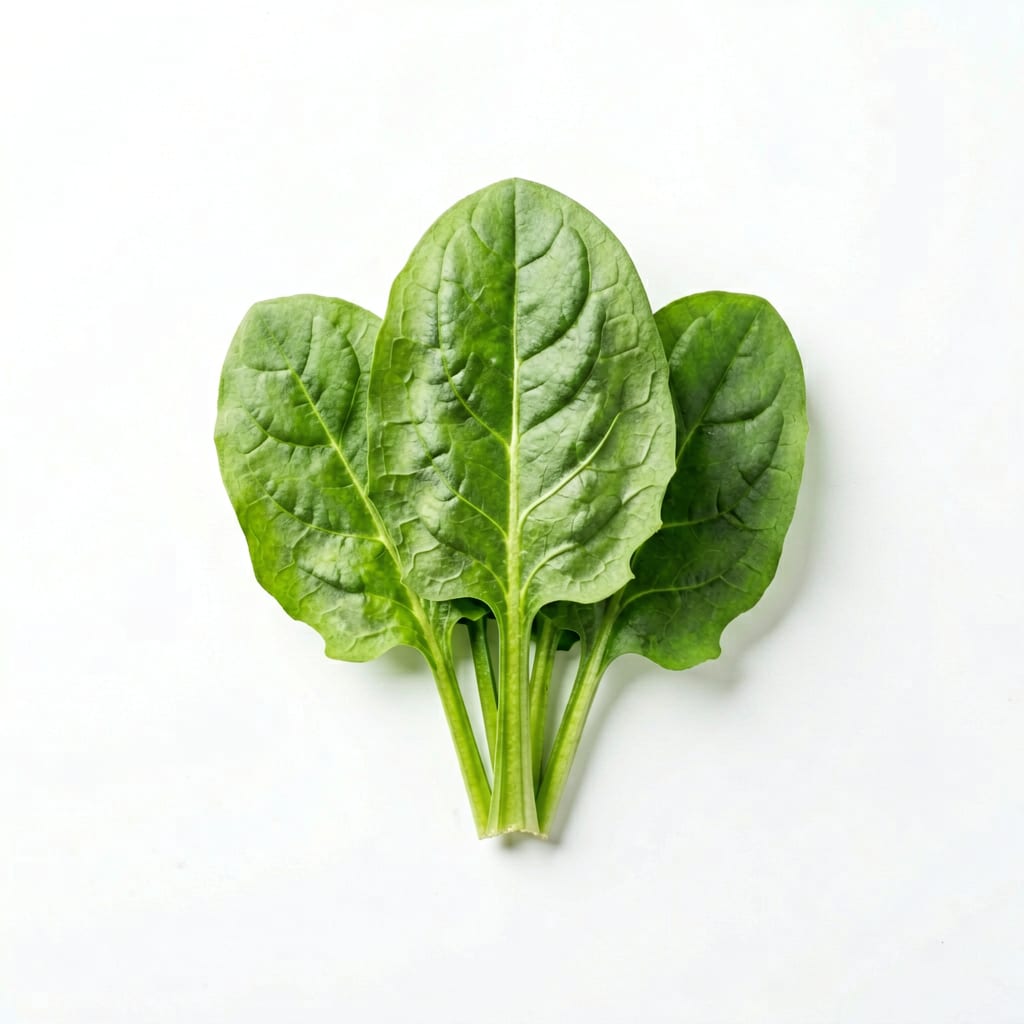
Compare with
Spinach
Spinach is much higher in iron and vitamins, while ice plant offers more crunch and natural saltiness.
Spinach provides more iron and protein, while ice plant is lower in calories and offers a unique salty crunch.
This food
Ice Plant
VS90% alike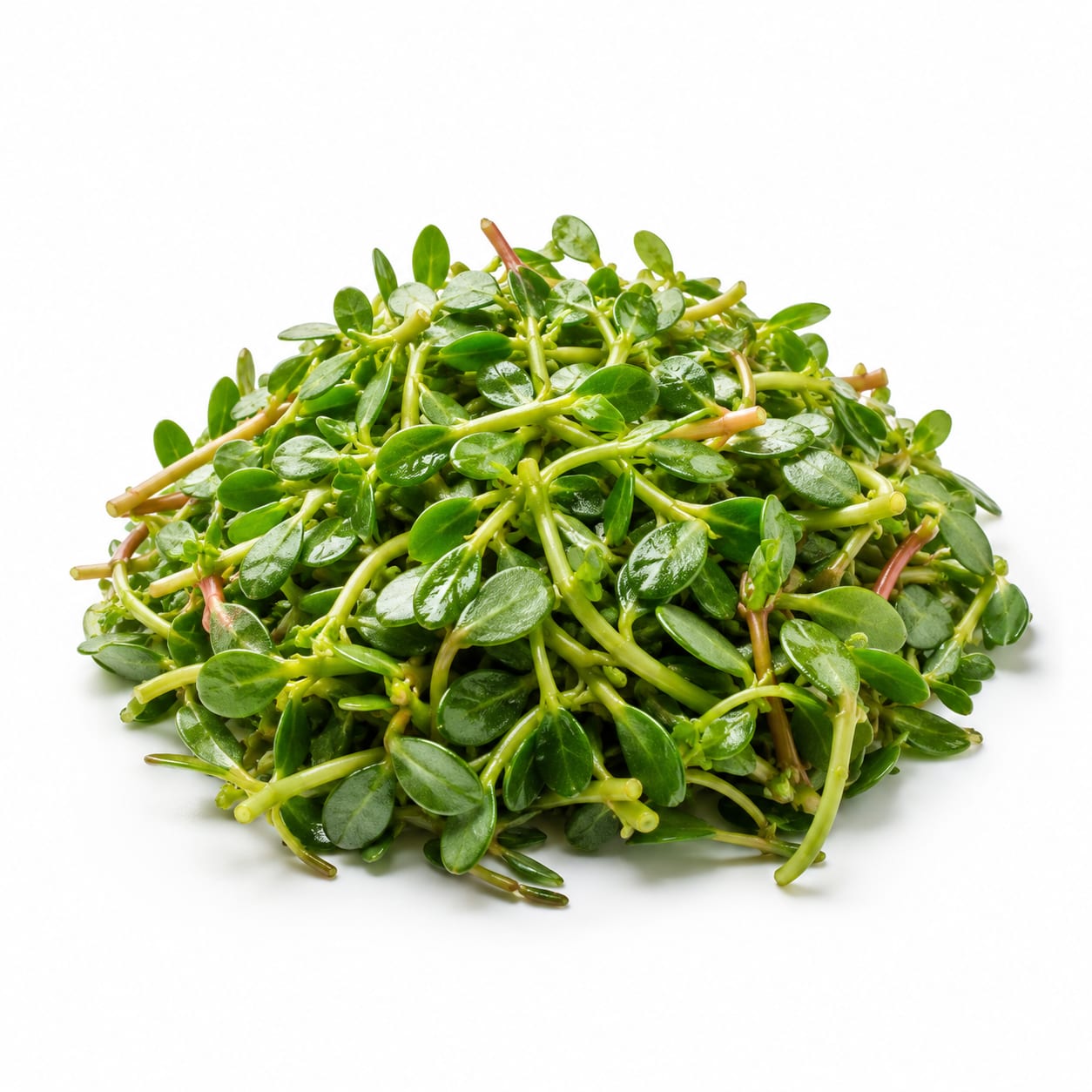
Compare with
Purslane
Both are succulent greens, but purslane is notably higher in omega-3 fatty acids, whereas ice plant is crunchier.
Purslane offers more omega-3s, while ice plant delivers a juicier crunch and a saltier flavor.
This food
Ice Plant
VS80% alike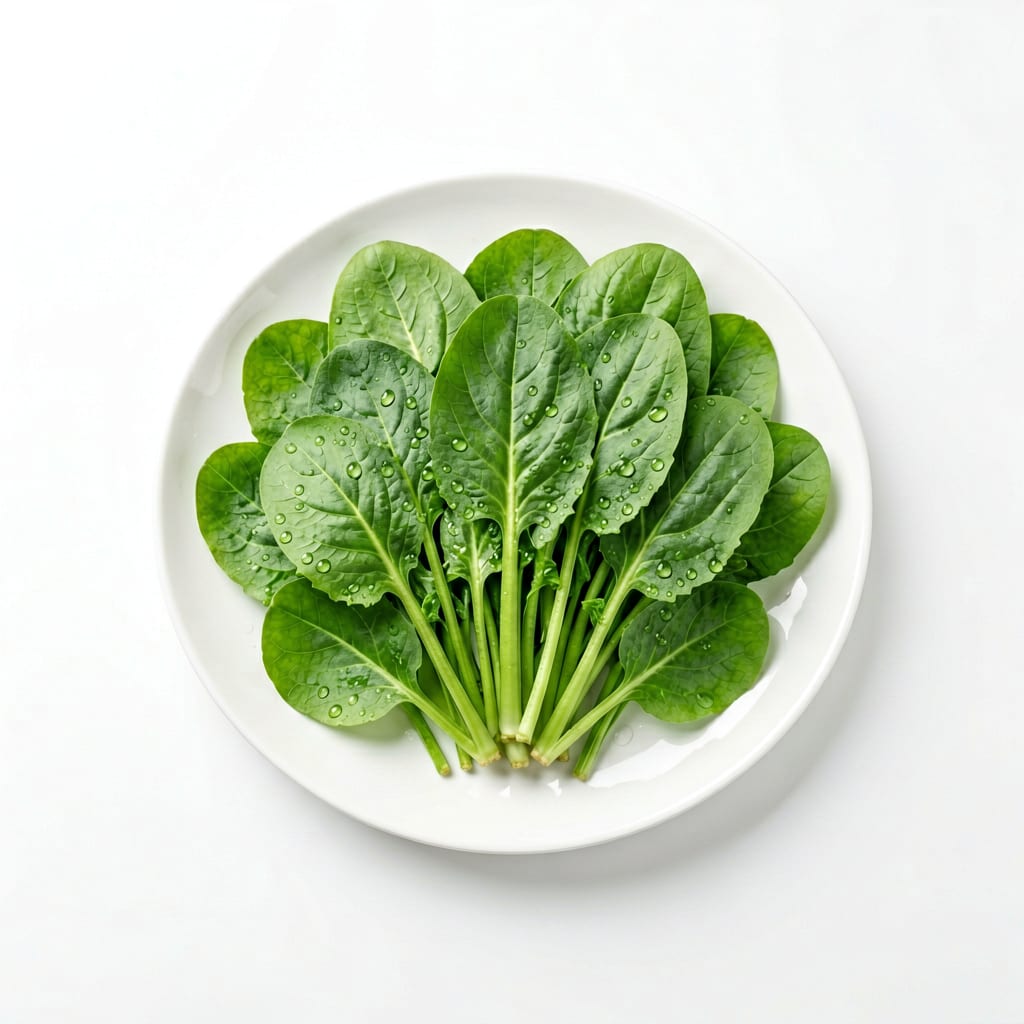
Compare with
Watercress
Watercress is more nutrient-dense and peppery, while ice plant is milder and saltier.
Watercress is a nutrient powerhouse with a peppery bite, while ice plant is milder and much lower in calories.
This food
Ice Plant
VS75% alike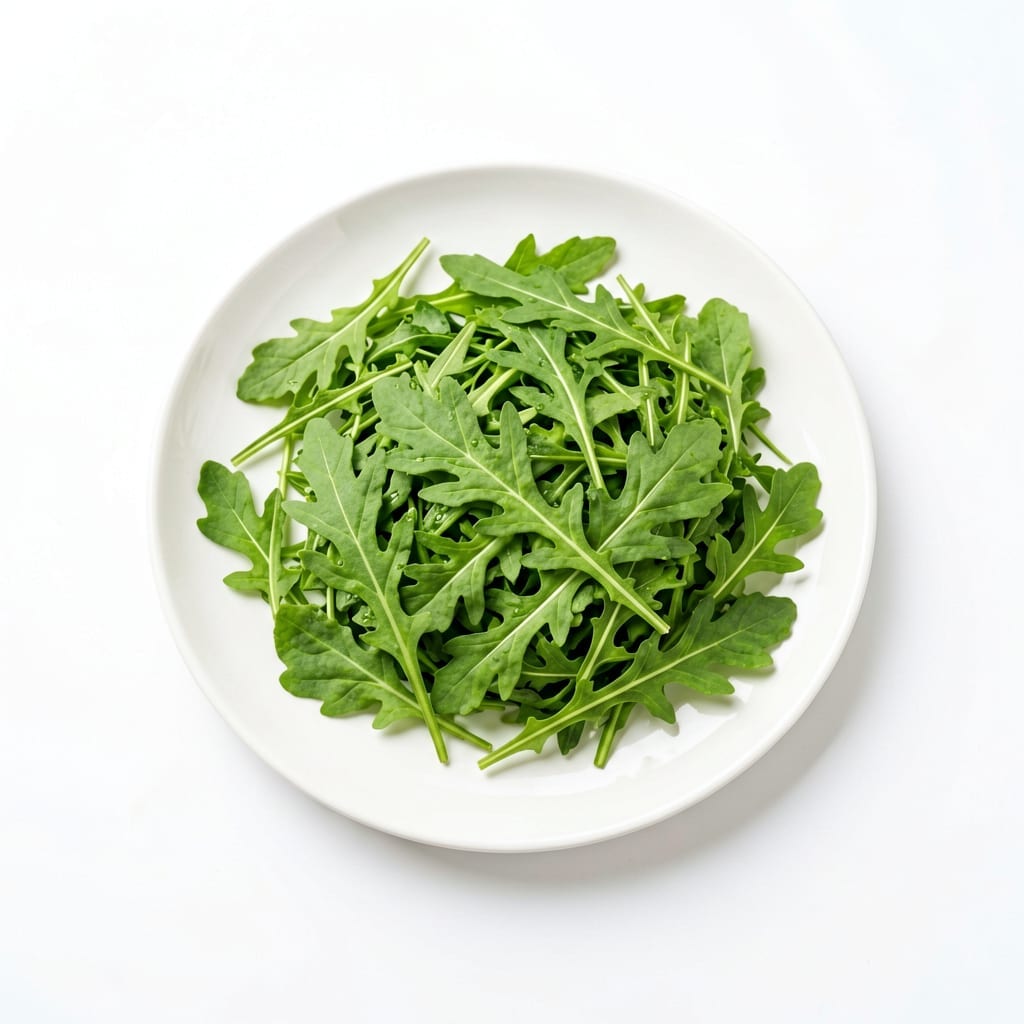
Compare with
Arugula
Arugula provides a peppery kick, whereas ice plant offers a lemony saltiness and a juicier texture.
Arugula brings a peppery flavor and more vitamins, while ice plant is lower in calories and naturally salty.
This food
Ice Plant
VS95% alike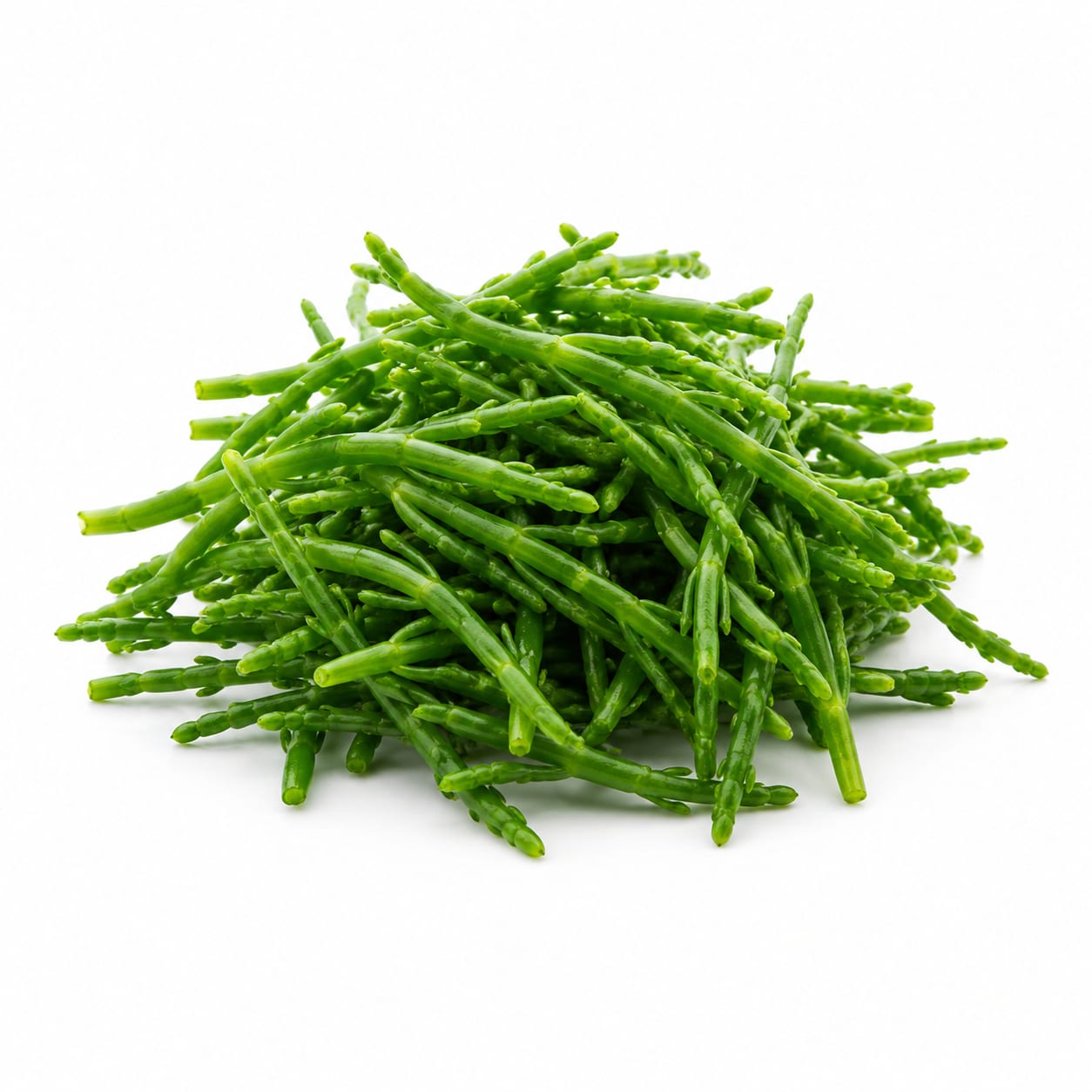
Compare with
Sea Asparagus
Both are halophytes with salty flavors, but sea asparagus is stem-like while ice plant has fleshy leaves.
Sea asparagus and ice plant are both naturally salty, but ice plant has a juicier, leafier texture.
This food
Ice Plant
VS70% alike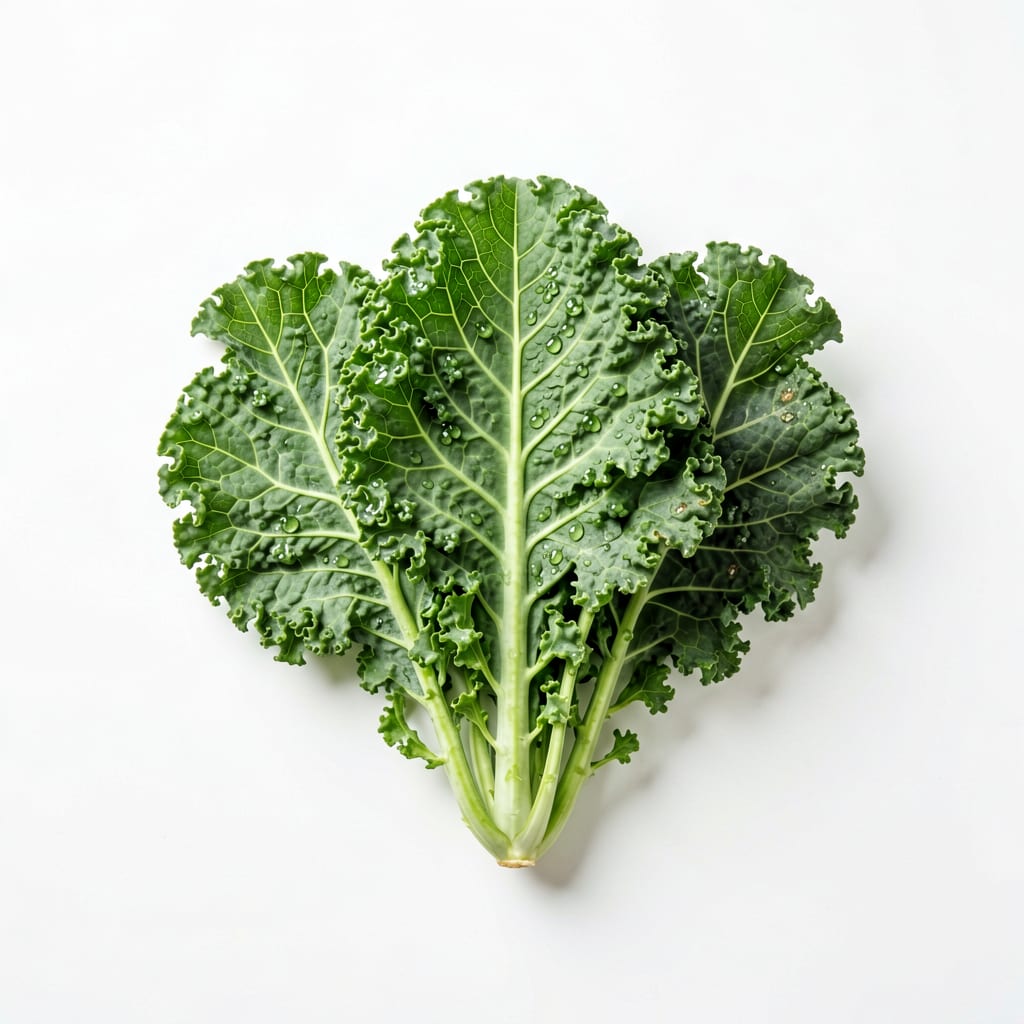
Compare with
Kale
Kale is a nutritional powerhouse with robust texture, while ice plant is delicate and primarily water.
Kale is far richer in vitamins and protein, while ice plant is significantly lower in calories and naturally salty.
This food
Ice Plant
VS75% alike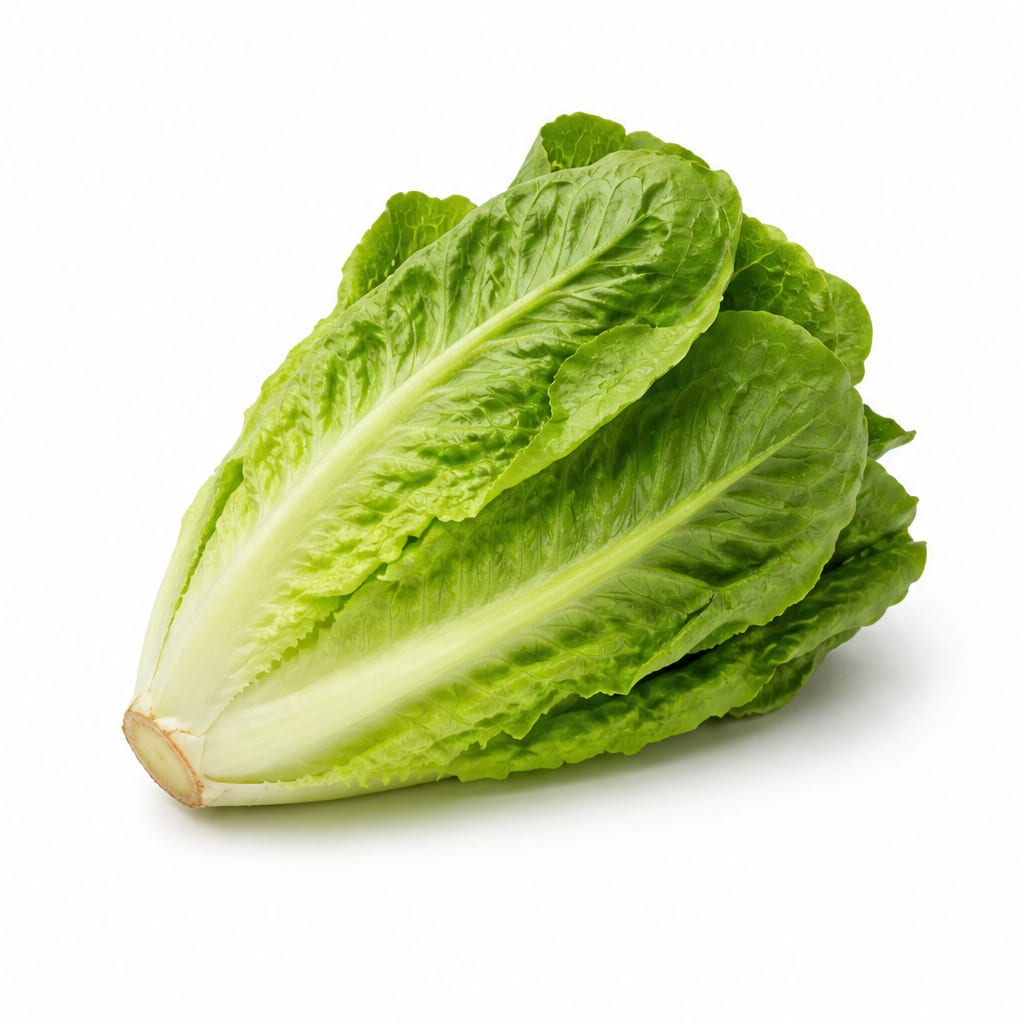
Compare with
Romaine
Romaine provides a familiar neutral crunch, while ice plant delivers a unique juicy, salty snap.
Romaine is a classic crunchy salad base, while ice plant is lower in calories and offers a salty, succulent crunch.
This food
Ice Plant
VS80% alike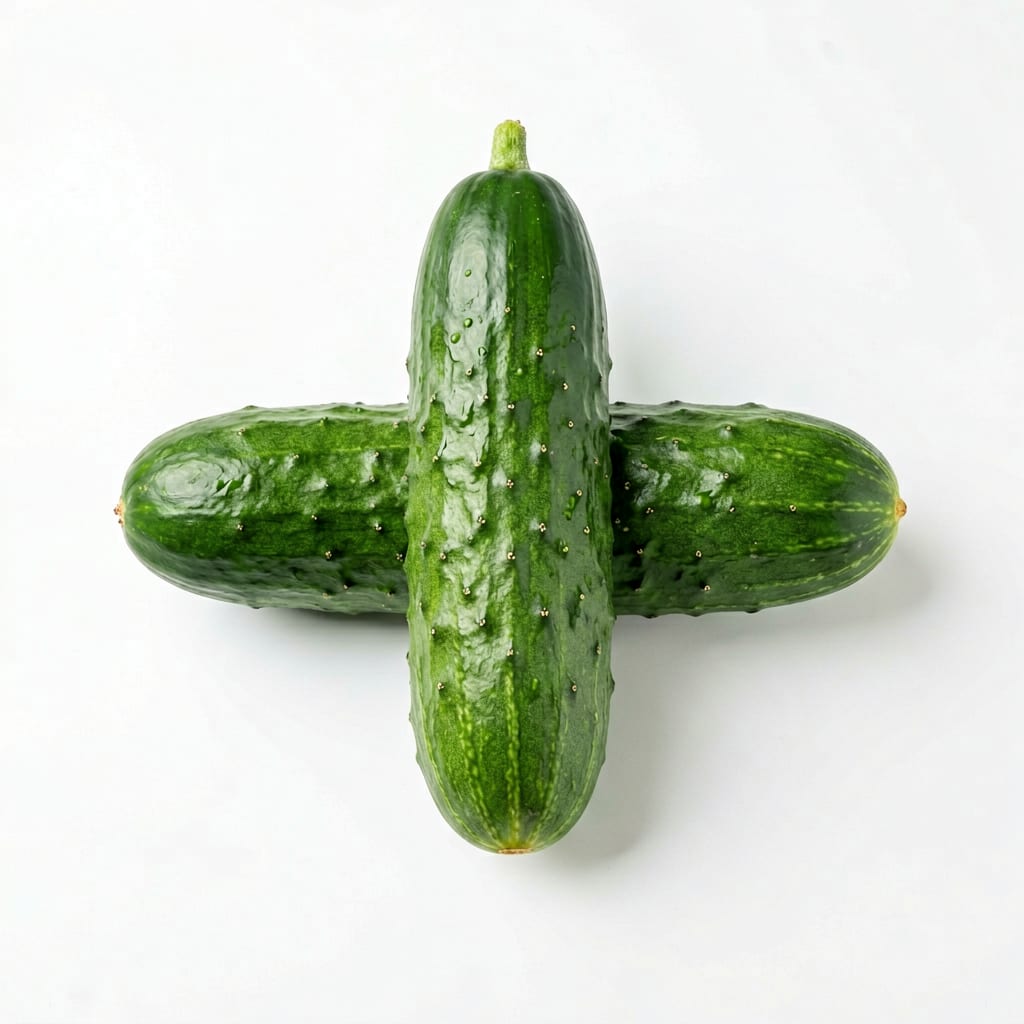
Compare with
Cucumber
Both are high-water-volume foods, but ice plant contains more fiber and natural sodium.
Cucumber is mildly flavored and refreshing, while ice plant is slightly salty and higher in fiber.
This food
Ice Plant
VS70% alike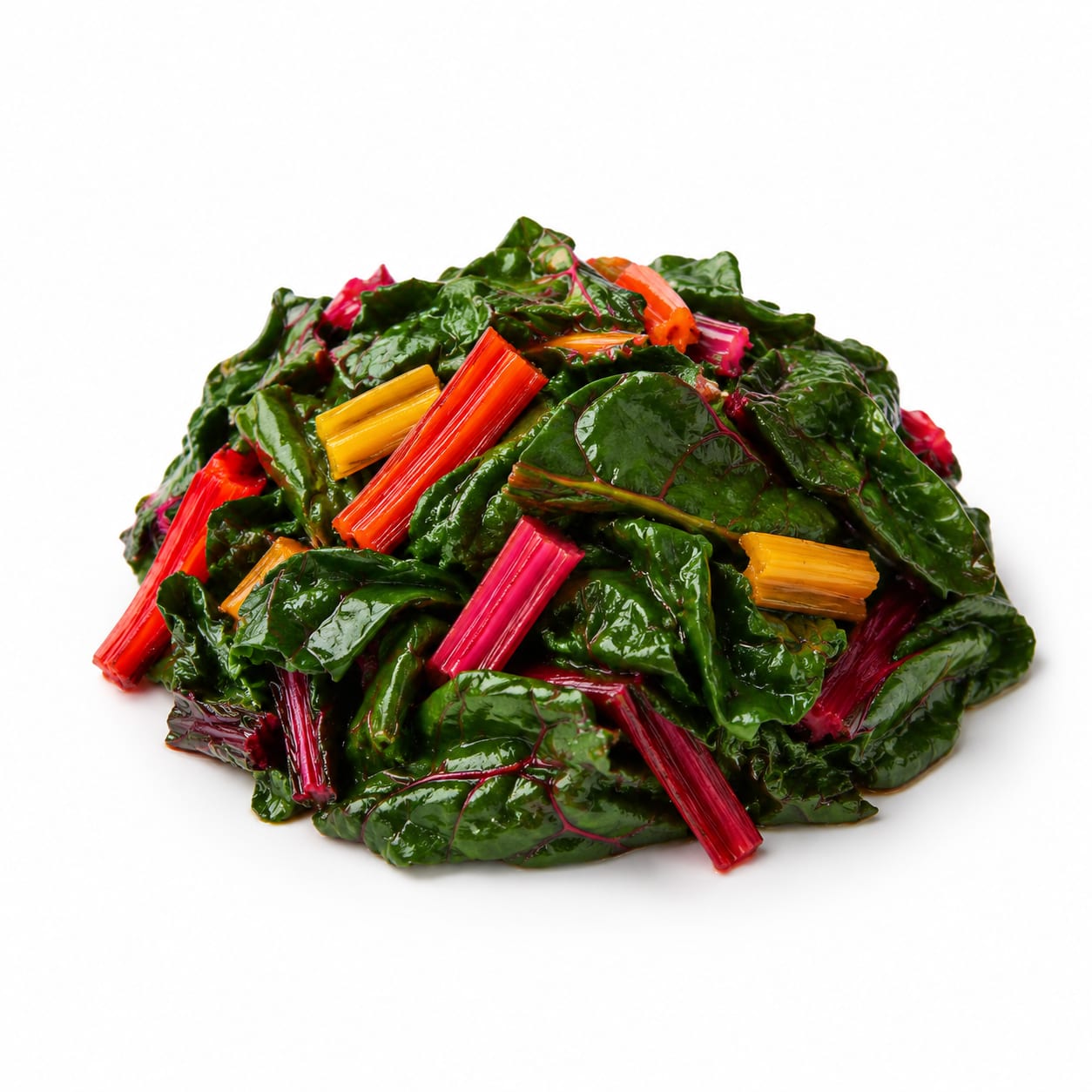
Compare with
Swiss Chard
Chard brings earthy flavor and higher magnesium, while ice plant is lighter and naturally salty.
Swiss chard provides more minerals and robust flavor, while ice plant is a lighter, low-calorie salty snack.
This food
Ice Plant
VS75% alike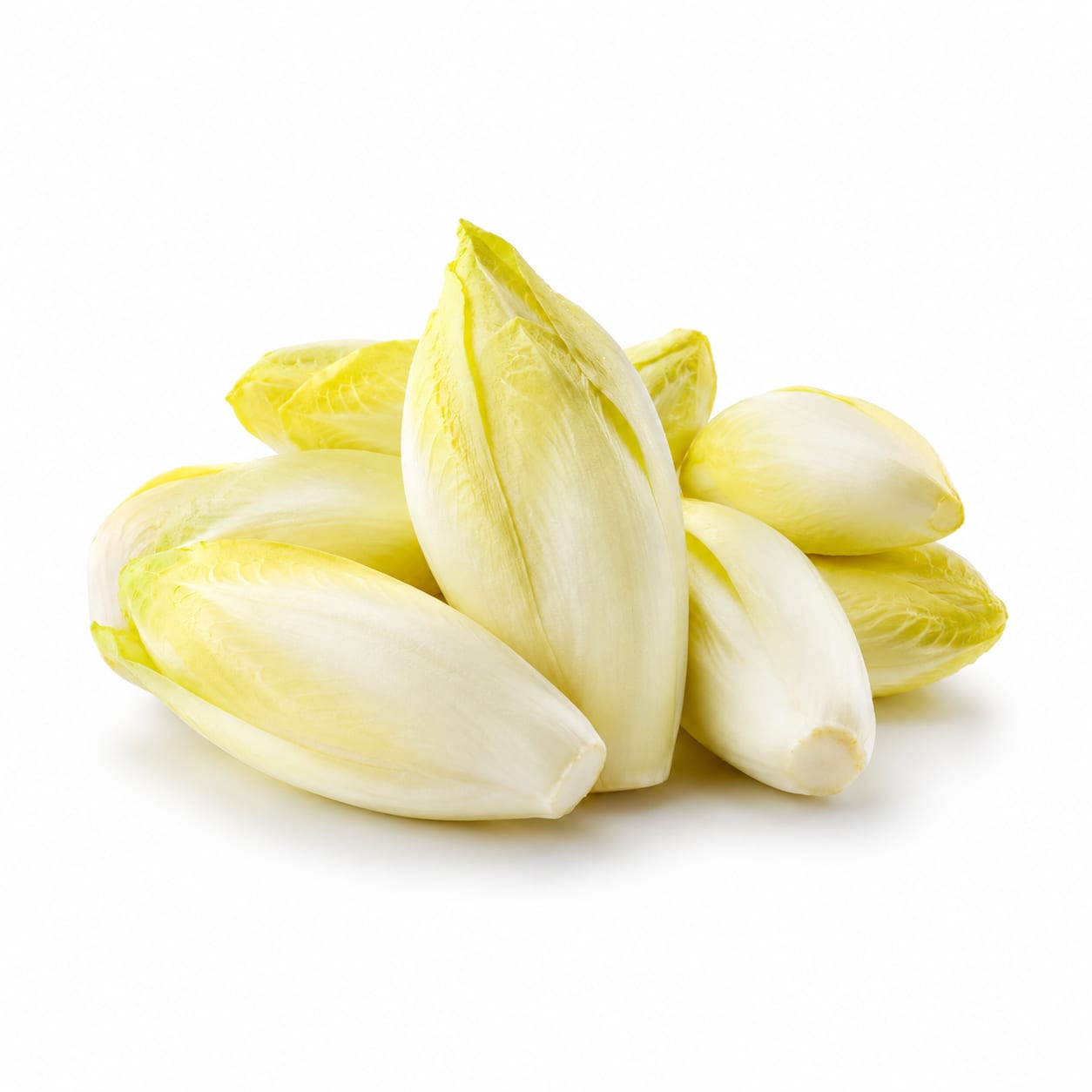
Compare with
Endive
Endive is bitter and crisp, while ice plant is salty and juicy, both serving as excellent low-calorie salad bases.
Endive offers a bitter crunch, while ice plant provides a salty, juicy crunch for low-calorie salads.
Common questions
FAQ
Answers aligned with how people search for this food.
Is ice plant good for weight loss?
Yes, its extremely low calorie and high water content allow for high-volume eating without excess calories, promoting fullness.
Can you eat ice plant raw?
Yes, ice plant is most commonly eaten raw in salads where its crunchy texture and salty flavor can shine.
Is ice plant high in sodium?
Compared to other leafy greens, yes. It is a halophyte that absorbs salt from its environment, giving it a naturally salty taste.
What does ice plant taste like?
It has a mild, slightly salty, and lemony flavor with a very crisp and crunchy texture.
How do you wash ice plant?
Rinse it thoroughly under cold water to remove sand or soil trapped in its tiny, icy-looking bladder cells.
Is ice plant safe for diabetics?
Yes, it has almost no impact on blood sugar due to its very low carbohydrate and sugar content.
Does ice plant have any antioxidants?
Yes, it contains beta-carotene and vitamin C, which help protect cells from oxidative stress.
Can I cook ice plant?
Yes, but it is best eaten raw or lightly cooked to maintain its signature crunch and delicate bladder cells.
Transparency
Data confidence
Estimated confidence for nutrition data, interpretation, safety notes, and comparisons.
Nutrition data
Health analysis
Food safety
Comparisons