
Nutrition comparison
Ice Plant vs Cucumber: Nutrition, Hydration, and Which to Choose
Comparing Ice Plant and Cucumber for hydration, sodium, and daily use. Discover the unique benefits of Ice Plant's salty crunch versus Cucumber's mild versatility.
Overall winner · Cucumber
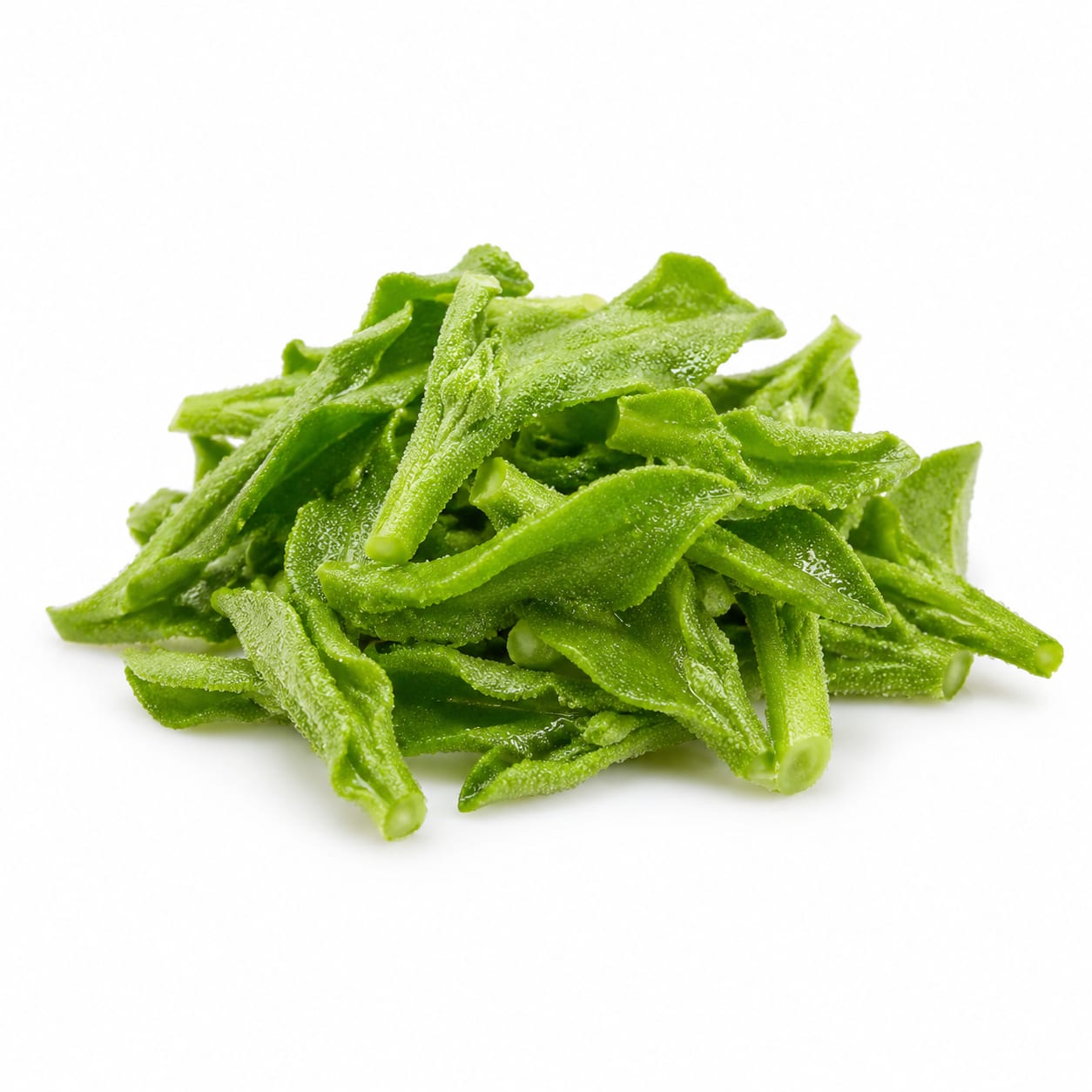
Ice Plant
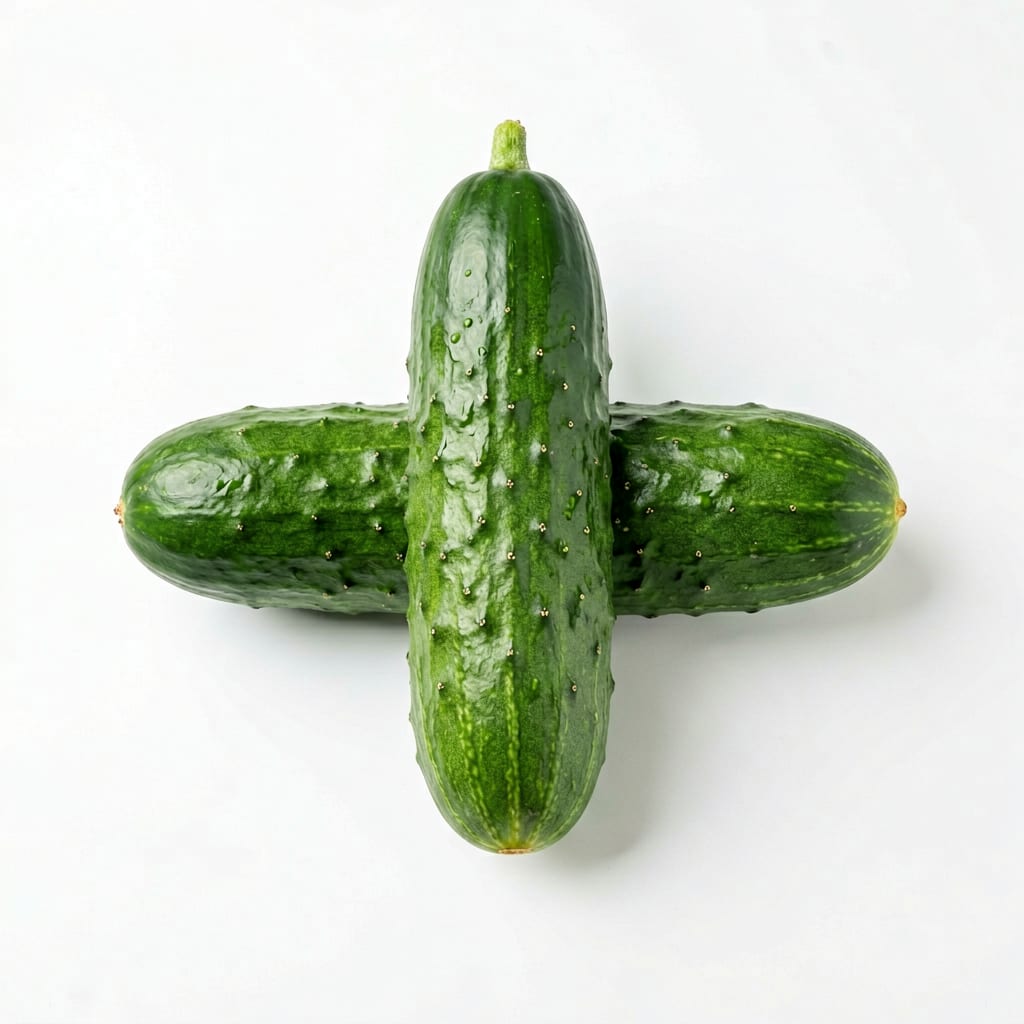
Cucumber
Ice Plant offers a unique salty crunch and higher mineral content, but Cucumber is the everyday hydration champion with broader culinary appeal and zero sodium concerns.
Cucumber scores slightly higher due to its universal availability, lower sodium, and seamless fit into almost any diet, while Ice Plant remains a niche but nutritious alternative.
Distinctive briny flavor and electrolyte boost versus mild versatility and universal availability.
At a glance
Executive summary
Overall
Cucumber
Healthier
It depends
More practical
Cucumber
Daily use
Cucumber
Key comparison lenses
Hydration and water content
Both foods are prized for their high water content and refreshing crunch, making hydration a primary reason for consumption.
Sodium and electrolyte balance
Ice Plant is uniquely salty for a vegetable, creating a stark contrast with the extremely low sodium profile of Cucumber.
Culinary versatility and accessibility
Cucumber is a universal staple, while Ice Plant is a niche ingredient, heavily impacting how easily people can use them.
Nutrient density per calorie
Consumers often assume all watery vegetables are nutritionally void, but mineral content varies significantly between these two.
Best choice for
Ice Plant
- Gourmet salads requiring a salty crunch
- Post-workout electrolyte replenishment
- Adding unique textural contrast to dishes
Cucumber
- Everyday hydration and snacking
- Low-sodium diets for blood pressure management
- Weight loss and calorie restriction
Least suitable for
Ice Plant
- People on strict low-sodium diets
- Budget-conscious everyday meal prep
- Those who prefer mild, sweet flavors
Cucumber
- Replenishing electrolytes after heavy sweating
- Gourmet dishes needing a distinctive briny accent
Deep comparison
Dimension by dimension
Each lens scores both foods and breaks down who each option suits.
- Dimension 1 · Priority 90Cucumber
Hydration & Water Content
Ice Plant · 85Cucumber · 95Cucumber is nearly all water, making it one of the most hydrating foods you can eat.
Tradeoff
Ice Plant is also very hydrating but has a slightly lower water content relative to its mineral density.
Why it matters
Staying hydrated keeps energy steady and helps control appetite.
Real-world impact
Reaching for Cucumber on a hot day feels like drinking a glass of water with a crunch.
Ice Plant
- Athletes needing hydration with electrolytes
Better for
- Strict low-sodium hydration needs
Worse for
Cucumber
- Pure hydration without any sodium intake
- Hot summer days
Better for
- Situations requiring electrolyte replacement
Worse for
- Dimension 2 · Priority 85Ice Plant
Sodium & Electrolyte Profile
Ice Plant · 90Cucumber · 40Ice Plant naturally absorbs salt from its environment, offering a surprising amount of sodium and potassium.
Tradeoff
The natural saltiness is great for replenishing sweat loss but problematic for blood pressure management.
Why it matters
Electrolytes prevent cramping and fatigue, but too much sodium raises health risks.
Real-world impact
Eating Ice Plant after a long run can help restore salt balance without reaching for a sports drink.
Ice Plant
- Athletes losing heavy sweat
- Those needing a natural salt boost
Better for
- Low-sodium diets
- Eating large quantities as a casual snack
Worse for
Cucumber
- People with hypertension
- Anyone watching their salt intake
Better for
- Rehydration after intense exercise
Worse for
- Dimension 3 · Priority 80Cucumber
Culinary Versatility & Accessibility
Ice Plant · 50Cucumber · 95Cucumber is a culinary blank canvas found in every grocery store, while Ice Plant is a specialty ingredient.
Tradeoff
You can put Cucumber in anything from smoothies to salads, whereas Ice Plant is best used as a garnish or accent.
Why it matters
A food you can easily buy and use daily always beats a superfood you can never find.
Real-world impact
You can grab a Cucumber anywhere; finding Ice Plant usually requires a farmers market or specialty shop.
Ice Plant
- High-end restaurant plating
- Adding a conversation-starting ingredient
Better for
- Quick weeknight cooking
- Budget meal planning
Worse for
Cucumber
- Meal prep
- Everyday snacks
- Juicing
Better for
- Creating a unique, memorable gourmet dish
Worse for
- Dimension 4 · Priority 75Ice Plant
Nutrient Density
Ice Plant · 80Cucumber · 65Ice Plant packs more vitamins and minerals per calorie, especially vitamin A, vitamin C, and magnesium.
Tradeoff
Cucumber is so low in calories that you would need to eat a massive amount to get significant nutrients.
Why it matters
Getting more micronutrients from your veggies supports long-term vitality without extra calories.
Real-world impact
A handful of Ice Plant gives a more noticeable nutrient bump than a few slices of Cucumber.
Ice Plant
- Boosting micronutrient intake
- Filling nutritional gaps
Better for
- Those who need to limit vitamin A or sodium intake
Worse for
Cucumber
- Calorie restriction without worrying about overconsuming minerals
Better for
- Relying on it as a primary nutrient source
Worse for
Timeline
Health impact over time
Short-term
Hours to days
Ice Plant
- Provides quick electrolyte replenishment
- Satisfies salt cravings naturally
- May cause slight bloating if eaten in large amounts due to sodium
Cucumber
- Instantly refreshing and thirst-quenching
- Very gentle on the stomach
- Can feel filling without adding calories
Long-term
Months to years
Ice Plant
- Supports mineral balance if eaten moderately
- Could contribute to elevated blood pressure if overconsumed due to sodium
- Antioxidants support skin health
Cucumber
- Promotes consistent daily hydration
- Supports healthy digestion via water and minor fiber
- Extremely safe for long-term daily consumption
Risk profile
Safety & processing
Both Ice Plant and Cucumber are whole, raw vegetables typically eaten in their natural state with no additives.
Ice Plant
High sodium load
mediumIce Plant absorbs salt from soil and water; overconsumption can be an issue for those with heart or kidney concerns.
Pesticide residue
lowAs with all leafy and succulent produce, washing is necessary, though specialty crops often have lower pesticide use.
Cucumber
Pesticide residue on skin
mediumCucumbers are often heavily sprayed; peeling or buying organic significantly reduces exposure.
Digestive discomfort
lowCucumber skins and seeds can cause gas or bloating in sensitive individuals.
Who wins for whom
Audience fit
Same foods, different winners depending on your goal.
children
CucumberKids love the mild, watery crunch of Cucumber; Ice Plant's briny flavor and texture are often rejected by picky eaters.
daily consumption
CucumberCucumber's mild flavor and low sodium make it easy to eat every single day without issue.
diabetes
CucumberCucumber has zero impact on blood sugar and no sodium drawbacks, making it safer for diabetic diets.
elderly
CucumberOlder adults often need to watch sodium for blood pressure, making Cucumber the safer everyday choice.
muscle gain
It dependsNeither is a significant protein source, though Ice Plant's natural sodium can help with muscle hydration and cramping.
weight loss
CucumberCucumber is lower in sodium and extremely low in calories, making it a safer daily snack for shedding pounds.
Your move
Decision guide
Choose Ice Plant
- You are an athlete needing natural electrolyte replacement
- You want a gourmet, salty crunch for a specialty salad
- You are bored of standard vegetables and want something unique
Choose Cucumber
- You need a low-calorie, everyday hydration snack
- You are watching your blood pressure or sodium intake
- You want a versatile veggie for salads, juices, and sandwiches
Either works if
- You just want a low-calorie, refreshing crunch
- You are trying to increase your raw vegetable intake
Avoid both if
- You need a substantial source of protein or calories
- You have severe digestive issues with raw vegetables
Final recommendation
Keep Cucumber as your daily hydration staple, but seek out Ice Plant when you need a natural salt boost or want to elevate a dish with its unique texture and briny flavor.
Practical
Consumer tips
- 1
Rinse Ice Plant lightly if you want to keep its salty flavor, or soak it to draw out excess sodium if you are salt-sensitive.
- 2
Leave Cucumber unpeeled if you want maximum fiber, but peel it if you are concerned about pesticides or wax coatings.
- 3
Ice Plant's 'ice crystals' burst pleasantly in your mouth—use it raw to preserve this unique texture.
- 4
Store Ice Plant like delicate herbs in the fridge, wrapped in a damp paper towel, as it wilts faster than Cucumber.