
Nutrition comparison
Ice Plant vs Arugula: Which Green Is Better for You?
Compare Ice Plant and Arugula side by side. Discover which leafy green offers better nutrition, flavor, hydration, and everyday value for your meals.
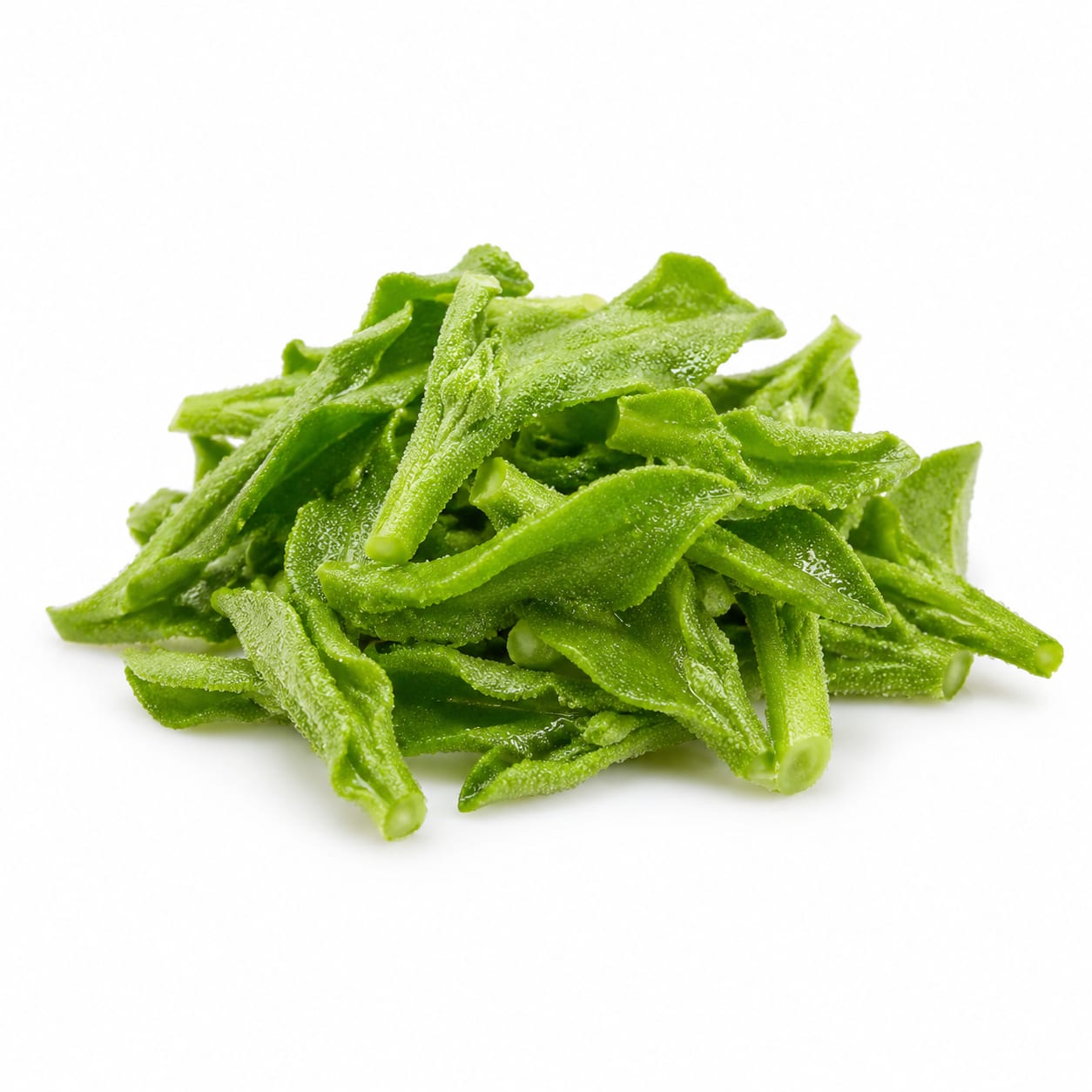
Ice Plant
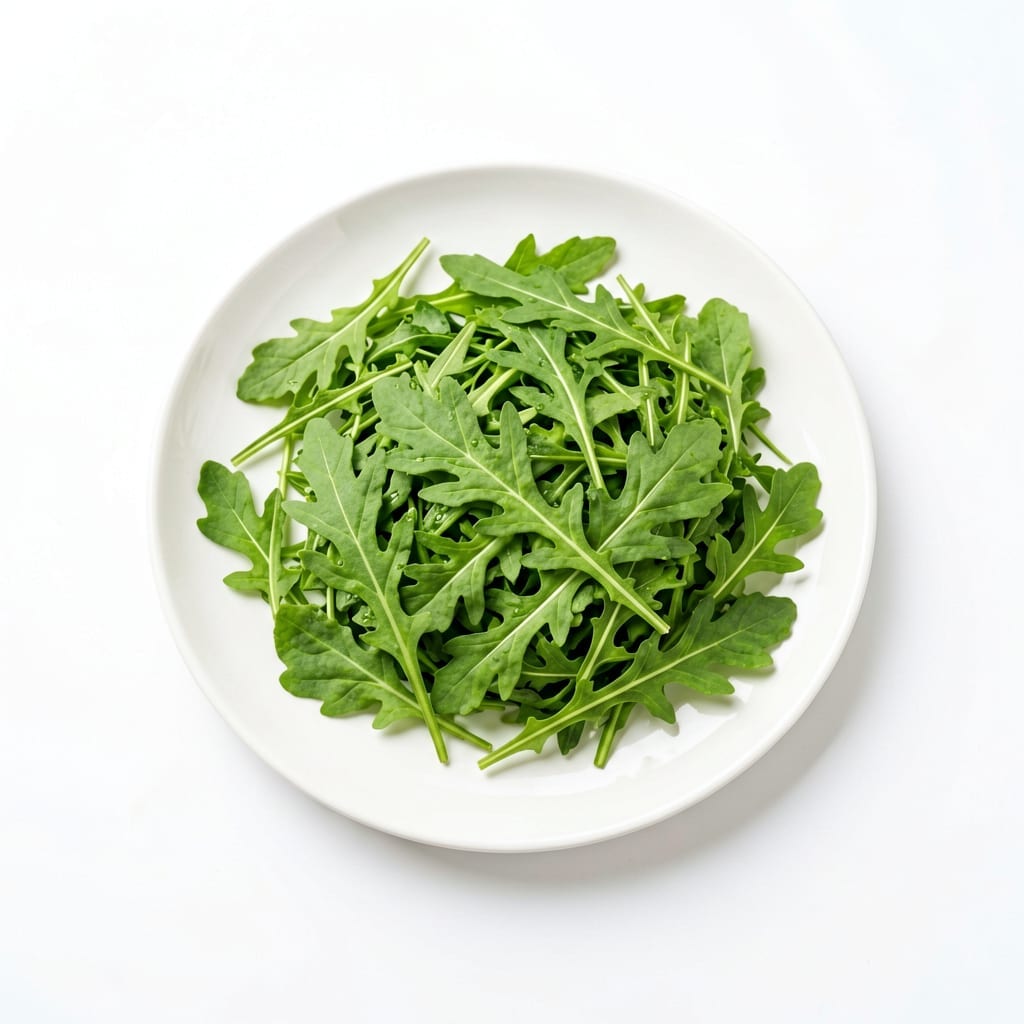
Arugula
Arugula wins on everyday nutrition and accessibility, but Ice Plant offers a one-of-a-kind hydrating crunch that nothing else replicates.
Arugula scores higher due to superior nutrient density, wider availability, and more established health research. Ice Plant holds niche appeal through its unique hydration and mineral content but loses points on accessibility and limited culinary versatility.
Arugula delivers more consistent nutrient density and broader culinary use, while Ice Plant sacrifices availability for a uniquely satisfying texture and natural saltiness.
At a glance
Executive summary
Overall
It depends
Healthier
Arugula
More practical
Arugula
Daily use
Arugula
Key comparison lenses
nutrient density and mineral content
Both are low-calorie greens, so micronutrient differences drive the real decision
flavor profile and culinary versatility
Ice Plant offers a unique salty crunch while Arugula brings peppery bite, making them suited for very different dishes
availability and everyday practicality
Arugula is a grocery staple; Ice Plant is specialty and harder to find consistently
hydration and unique functional compounds
Ice Plant's crystalline bladder cells offer rare mineral-rich hydration that Arugula cannot match
Best choice for
Ice Plant
- Seeking a hydrating, low-sodium salty flavor without adding salt
- Adding textural contrast and visual appeal to salads
- Hot climates where water-rich foods feel more refreshing
- Experimenting with novel ingredients and gourmet presentations
Arugula
- Daily salad greens with strong nutritional coverage
- Meal prep and consistent weekly grocery shopping
- Peppery flavor to complement rich dishes like pizza or steak
- Budget-conscious households needing affordable nutrient density
Least suitable for
Ice Plant
- Rural areas or standard grocery stores where specialty produce is unavailable
- Large-batch cooking that requires affordable bulk greens
- People who dislike slightly mucilaginous or succulent textures
Arugula
- Those sensitive to bitter or peppery flavors
- Anyone seeking a naturally salty green to reduce added salt intake
- Dishes where a watery crunch would be redundant
Deep comparison
Dimension by dimension
Each lens scores both foods and breaks down who each option suits.
- Dimension 1 · Priority 92Arugula
Nutrient Density
Ice Plant · 55Arugula · 85Arugula packs significantly more vitamin K, folate, and glucosinolates per bite. Ice Plant offers decent vitamin A and some calcium but cannot match the breadth of micronutrients.
Tradeoff
Ice Plant provides rare mineral-rich hydration through its bladder cells, but Arugula delivers more vitamins and cancer-fighting compounds overall.
Why it matters
If you eat greens primarily for nutritional insurance, Arugula covers more bases in a single serving.
Real-world impact
A daily Arugula habit meaningfully contributes to bone health and cellular defense. Ice Plant supports hydration but leaves nutritional gaps if used as your only green.
Ice Plant
- Replenishing minerals after sweating in hot weather
- Adding trace minerals without sodium-heavy seasonings
Better for
- Relying on it as a primary vitamin source
- Meeting vitamin K requirements without supplementation
Worse for
Arugula
- Meeting daily vitamin K needs for bone and blood health
- Getting folate for cellular repair and energy production
Better for
- Rehydrating after intense heat or exercise
- Getting a natural salty taste without table salt
Worse for
- Dimension 2 · Priority 85It depends
Flavor and Culinary Versatility
Ice Plant · 70Arugula · 78Ice Plant delivers a mild, slightly salty crunch with a succulent mouthfeel. Arugula brings a bold peppery kick that elevates rich and fatty dishes.
Tradeoff
Ice Plant is more one-dimensional but uniquely refreshing. Arugula pairs with far more cuisines and courses but can overpower delicate flavors.
Why it matters
Flavor determines whether you actually look forward to eating greens. Boredom kills dietary consistency faster than nutrition charts.
Real-world impact
Arugula makes a pizza or sandwich instantly more interesting. Ice Plant turns a simple salad into something guests will ask about.
Ice Plant
- Light, refreshing summer salads where crunch is the star
- Seafood dishes that benefit from a subtle oceanic saltiness
Better for
- Cooked applications where the signature crunch disappears
- Dishes that already have plenty of textural elements
Worse for
Arugula
- Hearty meals needing a sharp contrast like burgers or roasted vegetables
- Italian and Mediterranean recipes where peppery bite is traditional
Better for
- Delicate flavor pairings where pepperiness dominates
- Raw dishes for people who find bitter greens unpleasant
Worse for
- Dimension 3 · Priority 78Ice Plant
Hydration and Digestive Comfort
Ice Plant · 88Arugula · 60Ice Plant is exceptionally high in water content and has a soothing, gel-like quality in its leaves. Arugula is moderately hydrating and can occasionally irritate sensitive stomachs.
Tradeoff
Ice Plant feels lighter and easier on digestion but its mucilaginous texture is not for everyone. Arugula is crisp and familiar but its mustard oils can cause mild gastric warmth.
Why it matters
If you struggle with hydration or have a sensitive gut, the difference between soothing and irritating greens matters daily.
Real-world impact
Ice Plant on a hot afternoon feels like eating water with crunch. Arugula on an empty stomach can feel slightly burning for some people.
Ice Plant
- Post-workout rehydration when you want food instead of just liquid
- Soothing light meals when your stomach feels delicate
Better for
- Anyone put off by slippery or gel-like food textures
- Meals where you want a substantial chew
Worse for
Arugula
- Stimulating digestion before a heavy meal as a starter green
- Adding satisfying crispness without feeling watery
Better for
- Acid reflux or gastritis flare-ups when mustard oils could irritate
- Hot days when heavy peppery flavor feels unappealing
Worse for
- Dimension 4 · Priority 80Arugula
Availability and Cost
Ice Plant · 30Arugula · 90Arugula is available year-round in nearly every grocery store at low cost. Ice Plant remains a specialty item found mainly at farmers markets and upscale grocers.
Tradeoff
You can build consistent meals around Arugula anywhere. Ice Plant requires effort to source and costs significantly more per ounce.
Why it matters
The healthiest green is the one you can actually buy and eat regularly. Novelty means nothing if you cannot find it.
Real-world impact
Arugula is a grab-and-go staple for weekly meal prep. Ice Plant is a fun weekend find that rarely becomes a habit.
Ice Plant
- Living near specialty markets or farmers markets with consistent supply
- Occasional splurge meals where uniqueness justifies the price
Better for
- Anyone without access to specialty or Asian grocery stores
- Meal planning that requires ingredient consistency week to week
Worse for
Arugula
- Reliable weekly grocery runs at any standard supermarket
- Feeding a family on a budget that cannot absorb specialty produce prices
Better for
- Adventurous eaters who get bored with familiar greens
- Special occasions where ordinary feels insufficient
Worse for
Timeline
Health impact over time
Short-term
Hours to days
Ice Plant
- Noticeable hydration boost after eating due to extremely high water content
- Mild mineral replenishment from the natural salt-containing bladder cells
- Satisfying crunch that makes light meals feel more substantial
Arugula
- Quick vitamin K infusion supporting blood clotting and bone signaling
- Peppery mustard oils that stimulate digestion and gastric flow
- Immediate satiety from fiber and bold flavor that slows eating pace
Long-term
Months to years
Ice Plant
- Consistent mineral intake from naturally occurring salts may support electrolyte balance
- High water content contributes to overall hydration habits
- Limited research means long-term benefits are less established than common greens
Arugula
- Glucosinolate compounds associated with reduced cancer risk in cruciferous vegetable studies
- Regular vitamin K intake supports long-term bone density and cardiovascular health
- Folate content contributes to sustained cellular repair and healthy aging
Risk profile
Safety & processing
Both greens are typically sold fresh and unprocessed. Neither carries meaningful additive concerns when purchased whole. The main difference is that pre-washed Arugula in clamshell packaging may have slightly more handling, while Ice Plant is usually sold loose and unwashed.
Ice Plant
Pesticide residue on bladder cells
mediumThe crystalline surface structures can trap pesticide spray more than smooth leaves, making thorough washing important
Misidentification with ornamental varieties
lowSome ornamental ice plant relatives are not culinary-grade; always buy from reputable food sources rather than foraging
Arugula
E. coli and salmonella on leafy greens
mediumLike all raw leafy greens, pre-washed Arugula has been linked to occasional foodborne illness outbreaks
High nitrate content
lowArugula is naturally high in nitrates, which is beneficial for most people but may concern those on nitrate-restricted diets
Who wins for whom
Audience fit
Same foods, different winners depending on your goal.
children
Ice PlantIce Plant's mild salty crunch is more kid-friendly than Arugula's peppery bite, and the fun crystal-covered leaves spark curiosity
daily consumption
ArugulaArugula's availability, affordability, and broader nutrient profile make it sustainable as a daily staple green
diabetes
ArugulaArugula's glucosinolates and fiber support blood sugar regulation more directly, and its bitter compounds may improve insulin sensitivity
elderly
ArugulaArugula's superior vitamin K and folate content directly addresses bone density and cognitive health concerns common in aging
muscle gain
It dependsNeither is a protein source, but Arugula's vitamin K supports bone health under training stress while Ice Plant's minerals help with electrolyte balance
weight loss
ArugulaArugula's bold flavor and higher fiber make small portions feel more satisfying, reducing the urge to overeat
Your move
Decision guide
Choose Ice Plant
- You live near specialty markets and want a hydrating, naturally salty green
- You are bored with standard salad greens and crave something texturally exciting
- You eat in hot climates and prefer water-rich foods that feel refreshing
- You want to reduce added salt while keeping a salty flavor in salads
Choose Arugula
- You need a reliable, affordable green available at any grocery store
- You want maximum nutrient density per calorie in your daily salads
- You enjoy peppery flavors that complement rich or heavy dishes
- You are focused on long-term bone health and cancer-preventive eating patterns
Either works if
- You simply want more leafy green variety in your diet
- You are rotating greens to diversify your micronutrient intake
- Both are available and you feel like switching things up
Avoid both if
- You need substantial protein or calories from your vegetable choices
- You are on a very restricted oxalate diet and need to limit green leafy vegetables
- You have a severe pollen-food allergy syndrome that triggers reactions to raw greens
Final recommendation
Make Arugula your daily driver for its nutritional breadth and easy access. Treat Ice Plant as a refreshing specialty green to enjoy when you find it, especially in warm weather or when you want a naturally salty crunch without reaching for the salt shaker.
Practical
Consumer tips
- 1
Wash Ice Plant especially thoroughly to remove any residue trapped in its crystal-like surface cells
- 2
Use Ice Plant within two days of purchase as its high water content makes it spoil faster than Arugula
- 3
Pair Arugula with lemon juice and olive oil to enhance absorption of its fat-soluble vitamins
- 4
If you cannot find Ice Plant locally, check Asian or Mediterranean specialty grocers rather than standard supermarkets
- 5
Mix both greens together for a salad that combines hydrating crunch with peppery depth